Can Brake Fluid Be Used As Penetrating Oil?

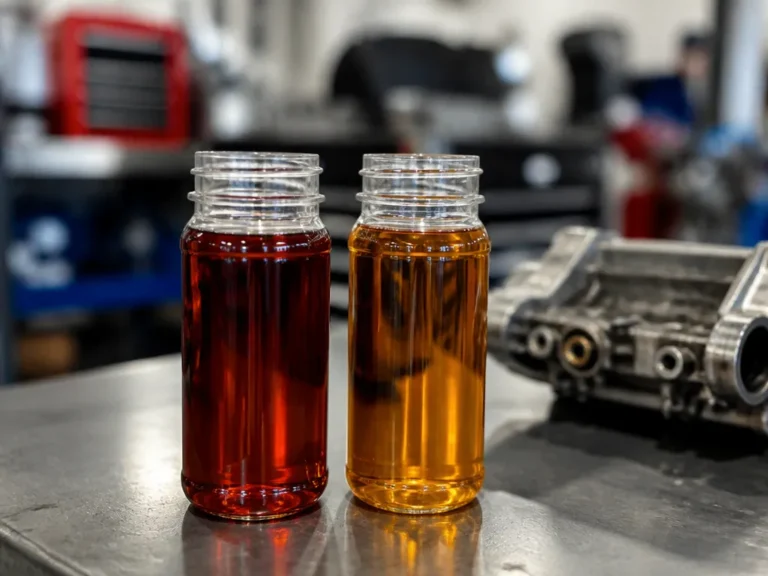
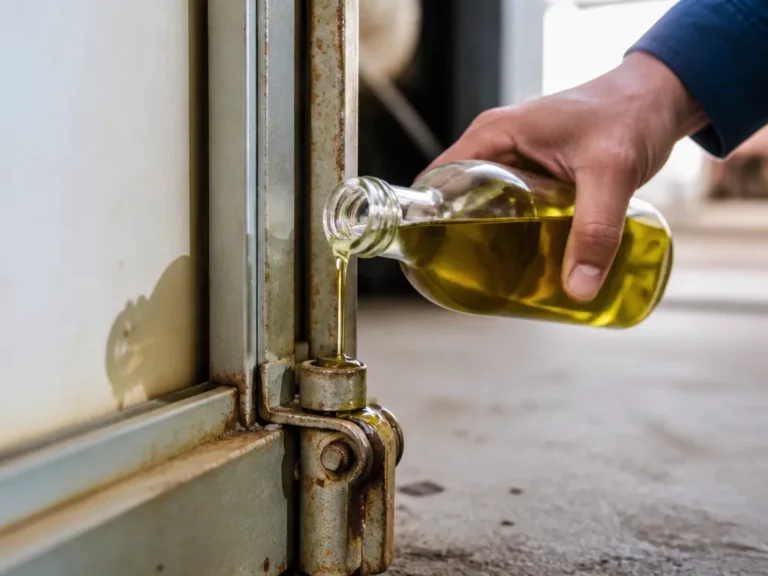
Brake fluid can help loosen some stuck hardware, but it is a poor substitute for penetrating oil. It may creep into thread gaps and help with light corrosion, yet it can damage rubber parts, plastics, paint, and some coatings. Use it only as a last resort on isolated, non-critical metal hardware, then clean it off thoroughly.
- Brake fluid is risky. It can attack rubber seals and harm plastics and painted surfaces.
- Use it only as a last resort. It is not designed to dissolve rust or release seized threads.
- Expect limited results. It may creep into a gap, but it is not a purpose-built rust penetrant.
- Clean up after use. Remove residue before reassembly to avoid contamination.
- Choose a proper alternative. Penetrating oils such as PB Blaster are safer for most jobs.
- Protect yourself and the vehicle. Wear gloves and keep brake fluid away from brake lines, seals, boots, and pads.
Why Brake Fluid Is a Poor Penetrating Oil
Brake fluid is a hydraulic fluid with chemical additives designed to operate under pressure and heat inside a sealed braking system. It is not formulated to dissolve rust or protect random fasteners and surrounding materials.
People try it on stuck bolts because it is a thin liquid that can wick into tight gaps. That may help loosen light corrosion, but it also creates a materials problem. Brake fluid can soften or degrade many rubbers, strip paint from metal, and damage some plastics.
Keep it away from brake hoses, wheel-speed sensor wiring jackets, CV boots, grommets, dust boots, and other rubberized components. A small amount that reaches one of these parts can create a failure risk later.
Residue can also cause trouble during reassembly. If brake fluid remains on threads that mate with aluminum, magnesium, or coated fasteners, it can create new corrosion points or surface damage. A proper penetrating oil, combined with light tapping, controlled heat, and patience, is usually the smarter choice.
Material Risks and Cleanup Problems
Brake fluid can creep into threads, but it brings chemical risks that penetrating oils are designed to avoid. A purpose-made penetrant reduces friction, carries rust-breaking ingredients into the joint, and is generally easier to use around common automotive materials.
Brake fluid is hygroscopic, meaning it readily absorbs moisture. That property is normal inside a brake system, but it makes brake fluid a poor choice for leaving on a rusty fastener. Even if it helps temporarily, it is not a good long-term corrosion treatment.
Rubber contact presents the biggest practical concern. Brake fluid can soften or degrade rubber brake-line grommets, dust boots, seals, and nearby hoses. A part may look fine immediately and still become unreliable after exposure.
Brake fluid can also attack paint and protective coatings. It should not be treated as a “wipe it on and forget it” lubricant if appearance or corrosion protection matters. A penetrating oil is a better fit and can be cleaned up more predictably.
Cleanliness matters when you reassemble the joint. Residue can alter friction and torque feel, especially when the fastener is meant to be installed dry. Clean the threads before retorquing or reinstalling the fastener unless the manufacturer specifies a lubricant.
How to Use Brake Fluid as a Last Resort
Treat brake fluid as an emergency option, not a routine tool. Use it on the smallest area possible, and keep it away from rubber, plastic, and painted surfaces.
- Wire-brush surface rust and wipe away loose scale.
- Protect nearby hoses, boots, wiring jackets, and painted panels with masking tape or a plastic cover.
- Apply a small amount to the thread area only.
- Position the hardware so gravity helps the fluid wick inward instead of running across nearby parts.
- Wait before trying the fastener. Reapply sparingly rather than flooding the area.
- Wear nitrile gloves to protect your skin and prevent contaminated hands from spreading the fluid.
- Wipe everything down after the fastener breaks loose.
- Use a suitable cleaner – often brake cleaner near brake components and degreaser elsewhere – and let the parts dry.
If the joint is close to the brakes, clean until you can no longer feel or smell residue. Brake fluid must not remain on brake pads, rotors, friction surfaces, seals, or other components that depend on predictable friction.
If the bolt still will not move, change tactics. Heat the bolt head or nut, not nearby rubber, use controlled impact, and apply a real penetrating oil. Repeatedly soaking the area with brake fluid can turn a short repair into a damaged-component replacement.

Helpful pick
YOUMAYSTORY Brake Bleed Kit for Shimano Hydraulic Brakes, Brake Fluid Change Hydraulic Kits, Including High Performance Brake Fluid Mineral Oil 120ml
This comprehensive Shimano brake bleed kit is perfect for maintaining hydraulic systems without using improper fluids.
What Brake Fluid Can and Cannot Do
Brake fluid’s only meaningful advantage is availability. It can loosen some stuck hardware because it may creep into thread gaps and reduce friction at the joint. If you have brake fluid on hand and no penetrating oil, it may help with light corrosion.
It may also reduce friction between mating surfaces once it reaches the interface. That can help a nut or bolt start rotating when the problem is a combination of surface corrosion and dry friction.
The trade-off is poor performance against heavy rust and a higher risk of material damage. Brake fluid is not optimized for rust breakdown, and it can create cleanup problems around rubber, plastic, paint, and brake components.
My rule is simple: if you can get real penetrating oil within an hour, wait or make the store run. The benefit of brake fluid is access, not performance. The time saved is usually less than the time required to replace a damaged boot, clean contaminated brake parts, or repair stripped threads.

Helpful pick
STP Synthetic DOT 4 Brake Fluid, 12 oz, For ABS Disc Drum Systems
This STP synthetic DOT 4 fluid is specifically formulated for modern ABS disc and drum braking systems.
Safer Alternatives for Stuck Fasteners
| Product type | Key spec / behavior | Best for | Notes |
|---|---|---|---|
| Purpose-made penetrating oil (aerosol) | Low-viscosity carrier plus rust-active chemistry | Rusted bolts and nuts | Usually safest choice near paint and rubber when used correctly |
| Gel rust penetrant | Slower creep, clings better | Vertical bolts and overhead work | Stays where you spray, less run-off mess |
| WD-40 (water displacer) | Moisture displacement and light lubrication | Fresh surface rust, quick attempts | Not as strong for heavy corrosion as true penetrants |
| PB Blaster / similar | Strong penetrating and rust-breaking action | Stubborn, long-ignored hardware | Use carefully and wipe up, especially near brakes |
| Heat + penetrating oil | Heat expands metal, penetrant carries in | Extremely seized fasteners | Often the fastest reliable combination |
| Freeing spray (ATF/acetone mix is risky) | Variable and can damage plastics | Only if you know the chemistry | Avoid “mixing hacks” near rubber or painted surfaces |
Use the most conservative approach on safety-critical hardware such as brake components, steering parts, and suspension pivot points. Heat, the right penetrant, controlled force, and proper cleanup are the standard path – not fluid substitutions.
Mechanical Methods That Work Better
Tap the fastener lightly to break surface rust, brush the threads, and apply gradual torque. Many stuck bolts are locked by corrosion scale rather than being permanently fused.
Use the smallest amount of any liquid that can reach the threads. Over-application increases runoff and raises the chance of contact with brake parts, boots, wiring jackets, and painted surfaces.
If the bolt still will not move, apply controlled heat to the metal you want to expand. Keep the flame or heat source away from rubber, wiring, fuel, and other heat-sensitive parts. After heating, apply a proper penetrating oil and try again while the joint is still warm.
A breaker bar with steady force or controlled hammering can help after the penetrant has had time to work. Avoid sudden, uncontrolled force when a broken fastener would create a larger repair.
Once the fastener moves, clean the threads and remove residue. Reassemble the joint dry unless the manufacturer specifies a lubricant. Clean threads produce more consistent torque and reduce the chance of future corrosion.

Helpful pick
Finish Line Mineral Oil Bicycle Brake Fluid Low Viscosity 16 fl oz
A high-quality mineral oil is the ideal choice for bicycle brake maintenance to prevent stuck components.
Where Brake Fluid Might Be Accep
A rusty exhaust hanger bolt on an older car might loosen after brake fluid wicks into the threads. Protect nearby rubber exhaust isolators, if present, apply a small amount to the nut and stud area, wait, and wipe the area clean after the fastener breaks free.
A heavily corroded wheel lug nut is a poor candidate. Brake fluid can damage nearby rubber components and coatings, and the lug is part of a safety-critical clamping system. Use a real penetrating oil, try a breaker bar with steady force, and add heat if needed.
A rusty caliper slide pin or other brake hardware should not be treated with brake fluid. The area contains rubber boots and seal surfaces that should not be exposed to an unsuitable fluid, even if the fluid appears to help temporarily.
A non-critical metal bracket bolt may be a more reasonable last-resort application if there is no rubber, no plastic, no paint concern, and the area can be isolated. Brake fluid may creep into the joint and reduce friction enough to start rotation. Switch to penetrating oil when possible, and clean the residue before tightening the fastener again.
A stuck plumbing fitting near a rubber gasket is another poor use. Brake fluid’s potential to degrade rubber can turn a quick fix into a leak. Use a penetrating oil designed for metal threads and clean the fitting carefully afterward.
FAQ
Can brake fluid be used as penetrating oil on rusted bolts?
Brake fluid can creep into thread gaps, which is why people try it, but it is not a purpose-made penetrating oil. Its main limitation is the potential to damage nearby materials.
Is brake fluid safe for use around brake components?
No. Brake fluid can affect rubber boots, seals, and other elastomers around brake parts. Contamination can also compromise friction surfaces and create a later failure risk.
What is the fastest way to unstick a bolt besides brake fluid?
Let a true penetrating oil soak, then add controlled heat to the bolt or nut. Follow with a breaker bar using steady force or controlled hammering on the head.
How long should you wait after applying brake fluid to stuck threads?
If you insist on trying it, give it a real soak window rather than a few seconds. Waiting tens of minutes to a few hours can make a difference as the thin liquid wicks into corrosion. If nothing changes, stop repeating the application.
What is a common mistake people make when using brake fluid?
Flooding the area and letting the fluid run onto rubber, painted surfaces, or plastic components is a common mistake. Leaving residue and reassembling without cleaning can also create contamination and future corrosion problems.

- Best Bug And Bird Poop Remover For Cars 2026 - September 15, 2026
- Can Vaseline Work As Wd-40? - September 15, 2026
- Best Bug Remover For Bumper 2026 - September 15, 2026