How to Fit Your Bike Helmet Correctly for Maximum Safety

Choosing the right bike helmet is crucial for safety, yet many riders overlook proper fit. A helmet that doesn’t fit correctly can compromise protection, leading to serious consequences during an accident. Understanding how to assess the fit of your helmet can make all the difference on the road.
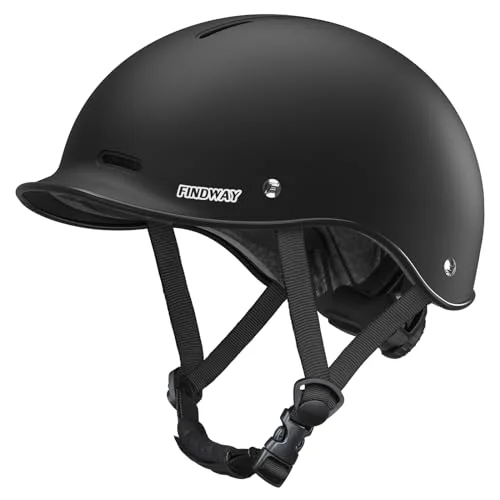
To ensure optimal safety, check that the helmet sits level on your head, covers your forehead, and doesn’t move around. Adjust the
Importance of Proper Fit
Proper fit is crucial for the effectiveness of a bike helmet. A correctly fitted helmet provides maximum protection during an accident, ensuring that the helmet stays securely in place and absorbs impact forces. A poor fit can compromise safety and increase the risk of injury.
Wearing a helmet that is too loose can cause it to shift during a fall, leaving parts of the head exposed. Conversely, a helmet that is too tight can cause discomfort and distraction, potentially leading to accidents. Additionally, many regions have legal requirements regarding helmet fit, making it essential to ensure compliance with these regulations. Understanding how to determine the correct fit contributes not only to safety but also to legal adherence.
Key Fitting Components
Understanding the key components that affect helmet fit is essential for ensuring safety while cycling. The right fit can significantly influence comfort and protection. Focus on size and shape, padding, and straps to determine if a helmet fits correctly.
Size and Shape
Every head has a unique shape, which means that not all helmets will fit everyone uniformly. Consider the helmet’s internal shape, which can be round, oval, or intermediate. Select a helmet that matches your head shape to ensure a snug fit. Additionally, size is crucial; manufacturers often provide a size chart based on head circumference.
Padding and Straps
Padded interiors help secure the helmet in place and enhance comfort. Check for adequate padding that conforms to your head without excessive pressure points. Straps are equally important; they should be adjustable, allowing for a snug yet comfortable fit. Ensure the chin strap sits just below the chin and can be tightened without discomfort.
Measuring Head Size
Accurate head measurement is crucial for selecting the right bike helmet. A well-fitting helmet can significantly enhance safety and comfort while riding. Here’s how to measure your head size effectively to ensure a proper helmet fit.
To begin, gather a flexible measuring tape, which can easily wrap around your head. Position the tape just above your eyebrows and ears, ensuring it sits level around your head. The tape should feel snug but not tight. Make sure it does not slide down or shift during the measurement.
Once you have the tape in place, note the circumference where it meets. This measurement is your head size, usually expressed in centimeters or inches. If you do not have a measuring tape, a piece of string can be used as an alternative. After wrapping the string around your head, mark the point where it overlaps, and then measure that length against a ruler.
Interpreting your measurements is straightforward. Most helmet manufacturers provide size charts based on head circumference. Compare your measurement to these charts to determine the appropriate helmet size. If your measurement falls between two sizes, opt for the larger size for added comfort.
Adjusting Straps and Buckles
Properly adjusting the straps and buckles of a bike helmet is crucial for ensuring a snug and secure fit. This section outlines the steps to effectively position and adjust the chin strap and side straps of your helmet.
- Positioning the Chin Strap: Begin by placing the chin strap under your chin. Adjust the strap so that it sits comfortably without pinching your skin. The strap should form a “Y” shape just below your ears, with the junction of the strap meeting at the base of your skull.
- Adjusting Side Straps: Locate the side straps that run along the sides of your helmet. Adjust these straps so that they are taut, but not overly tight. Ensure that the straps are evenly positioned on both sides of your head, allowing the helmet to sit level on your forehead.
- Final Adjustments: After positioning the chin and side straps, fasten the buckle securely. The helmet should feel snug but comfortable, allowing for some movement without excessive pressure. If the helmet shifts or feels loose, revisit the strap adjustments.
Checking for Movement
Assessing helmet movement is crucial to ensure a secure fit. A properly fitting helmet should not shift when you move your head. The following tests will help you confirm that your helmet fits snugly without slipping.
- Shake Test: With the helmet on, shake your head side to side and up and down. If the helmet shifts significantly, it is too loose. It should stay in place and not slide down over your eyes or lift off your forehead.
- Tilt Test: Bend forward at the waist as if you are looking down. The helmet should remain level on your head and not slide back. If it does, adjust the straps or sizing to achieve a better fit.
Repeat these tests after making any adjustments to ensure the helmet remains secure. A good fit is essential for protection during rides.
Common Mistakes to Avoid
Proper helmet fitting is crucial for safety, yet many cyclists make common errors that compromise the effectiveness of their helmets. Identifying these mistakes can enhance the protective qualities of your helmet and ensure a better fit. Here are frequent errors to be aware of while fitting your helmet.
Overtightening Straps: While it’s essential for the helmet to fit snugly, overtightening the straps can lead to discomfort and distraction while riding. This can cause the helmet to shift or limit your range of motion. Straps should be adjusted just enough to keep the helmet securely in place without causing pain or pressure points.
Wearing Incorrect Size: Choosing the wrong helmet size is a common mistake. A helmet that is too large can easily shift during use, while one that is too small may cause discomfort and fail to provide adequate protection. Always measure your head properly and consult sizing charts to find the right fit before making a purchase.
By avoiding these errors, you can ensure your helmet will perform effectively when you need it most. Proper fitting enhances comfort and maximizes safety, allowing for a more enjoyable riding experience.
Comparing Different Helmet Types
Understanding the differences between helmet types is crucial for achieving a proper fit. Each helmet type has specific design features that influence fit and comfort, which can significantly affect safety and performance.
Road helmets typically have a more aerodynamic shape and less coverage at the back, making them lighter and cooler for long-distance rides. Ensure the fit is snug at the front and sides without pinching. Mountain helmets often feature a visor and additional coverage on the sides and back for better protection against falls and debris. A secure fit is essential, especially when navigating rough terrain.
Youth helmets are designed to fit smaller head sizes and may feature adjustable systems to accommodate growth. Make sure these helmets fit snugly without excessive movement, as a loose fit can compromise safety. Adult helmets usually have a broader range of sizes and may include more advanced fitting systems, like dial-adjustable mechanisms, to achieve a personalized fit. Regardless of type, check that the helmet sits level on the head, with the front just above the eyebrows.
Quick Summary
- The helmet should sit level on your head, covering your forehead without tilting back.
- It should fit snugly but not be overly tight; you should be able to fit two fingers between the strap and your chin.
- The side straps should form a “Y” shape just below your ears for proper alignment.
- The helmet should not move side to side or forward and backward when you shake your head.
- Check for any pressure points or discomfort; a well-fitting helmet should feel comfortable.
- Always ensure the retention system is adjusted properly for a secure fit.
- Replace your helmet if it has been involved in a crash or shows signs of damage.
Frequently Asked Questions
How do I know if a bike helmet is the right size for me?
A bike helmet should fit snugly on your head without being too tight. Measure the circumference of your head just above your eyebrows and refer to the manufacturer’s size chart to find the appropriate size.
What should I check to ensure the helmet is positioned correctly?
The helmet should sit level on your head, covering your forehead, and not tilt back or forward. You should be able to fit two fingers between your eyebrows and the front of the helmet.
How can I test if the helmet is secure while riding?
Once the helmet is on, try shaking your head side to side and up and down. If the helmet moves more than an inch in any direction, it may be too loose and needs to be adjusted or replaced.
What adjustments can I make to improve the fit of my helmet?
Most helmets come with adjustable straps and a fit ring to help secure the fit. Adjust the side straps so they form a V shape just below your ears, and ensure the chin strap is snug but comfortable.
Is it normal for helmets to feel a bit tight at first?
Yes, a new helmet may feel slightly tight initially, but it should not cause discomfort. After wearing it for a short period, it should feel more comfortable while still remaining secure.

- Top 10 Best Helmet For A Running Back 2026 - September 16, 2026
- Best Bug Remover For Car Wash 2026 - September 16, 2026
- Best Bug And Bird Poop Remover For Cars 2026 - September 15, 2026