Motorcycle Overpants: How They Work Over Regular Clothing

You rode to work in jeans. Now you are standing in the parking lot, pulling off bulky riding trousers while your coworkers walk past. Sound familiar? Thousands of daily commuters face this exact problem every morning. Motorcycle overpants were designed specifically to solve it.
This guide draws on rider tested experience, gear manufacturer specifications, and CE armor safety standards to explain exactly how motorcycle overpants work when worn over your regular clothing. Whether you are a daily commuter, a weekend tourer, or a new rider trying to understand gear options, you will find clear and honest answers here. By the end, you will know how to choose, fit, and use overpants the right way so that you stay protected without ever needing to change clothes at your destination.
What Are Motorcycle Overpants and Why Do Riders Use Them
Motorcycle overpants are protective riding trousers designed to be worn on top of your everyday clothes, from office trousers and jeans to scrubs and casual shorts. They slip on before you ride and come off in seconds when you arrive.
Overpants solve one of riding’s most common frustrations: having to choose between safety and convenience. They give commuters, tourers, and urban riders a way to wear full protective gear on the bike while keeping their normal clothes clean, dry, and presentable underneath. Riders who need to go directly into a professional environment after riding find overpants especially practical.
The Core Problem Overpants Were Designed to Solve
Traditional motorcycle pants are worn instead of regular trousers, not over them. That means you either ride in your riding pants all day, which can be uncomfortable in a formal setting, or you carry a bag with a change of clothes. Overpants eliminate that second step entirely.
The gear community has embraced overpants for commuting, touring, and mixed use riding because they offer a practical middle ground between full riding suits and unprotected denim.
Who Benefits Most From Wearing Overpants
Office commuters heading to work on two wheels benefit the most, but overpants are also popular among delivery riders, touring riders who stop at restaurants and attractions, and anyone who dislikes changing clothes twice a day. Riders with knee or hip injuries who need armor protection at all times also find overpants convenient.
How Motorcycle Overpants Actually Fit Over Your Clothes
Motorcycle overpants are designed to fit easily on top of casual or business attire, offering great protection for the everyday commuter without requiring a complete outfit change. RevZilla
The key design feature that makes this possible is the oversized cut. Overpants are deliberately sized with extra room in the waist, hips, thighs, and lower leg to accommodate a full layer of street clothing underneath.
Full Length Side Zippers Make Entry and Exit Easy
Long side zippers make it much easier to get the overpants on and off over your footwear and normal pants. Dennis Kirk Most quality overpants have zippers that run from the ankle to above the knee, and some extend all the way to the hip. This design means you can step into them while wearing boots without forcing fabric over chunky footwear.
Some overpants use inseam zippers instead of side zippers, which achieve the same goal from a different angle. Inseam zippers make getting these pants on and off over your regular clothes a quick and easy proposition. Motorcycle.com
Waist Adjusters Keep Them Secure Over Different Clothing Layers
Because overpants need to accommodate varying thicknesses of underlayers, most are built with adjustable waistbands. Velcro tabs, hook and loop straps, or belt loops with cinch adjusters let you tighten or loosen the waist depending on whether you are wearing thin summer trousers or heavy winter jeans underneath.
How the Fit Changes With Underlayer Thickness
In summer, a single layer of chinos or light trousers underneath creates a reasonably snug fit. In winter, when you might be wearing thick jeans plus thermal baselayers, the same pair of overpants will feel tighter. Knowing this, most experienced riders buy overpants one size up from their normal trouser size to allow for cold weather layering.
The Protective Features Built Into Quality Overpants
Overpants are not rain covers or windbreakers. Quality motorcycle overpants include genuine impact and abrasion protection, which is what separates them from waterproof shell trousers sold for hiking or cycling.
Key protective features found in certified overpants include:
- CE Level 1 or Level 2 knee armor at the kneecap position
- Hip armor or hip impact pads at each hip bone
- Abrasion resistant outer materials such as ballistic nylon, Cordura, or leather panels
- Reinforced stitching at high stress seams along the thigh and seat
- Reflective trim panels on the lower leg for low light visibility
- Optional coccyx padding in some touring focused designs
CE Armor Standards Explained Simply
CE stands for Conformite Europeenne, a European safety certification system. Level 1 armor absorbs a medium impact. Level 2 armor absorbs a harder impact and is recommended for higher speed riding. The latest knee and hip pads in premium overpants exceed proposed new CE2 standards. Motorcycle.com
When you are buying overpants, always check that they include CE certified armor and not just foam padding. The difference in protection during a fall is significant.
Abrasion Resistance Materials Used in Overpants
The outer shell material determines how well the pants resist road rash during a slide. Common materials include Cordura nylon, ballistic polyester, leather, and hybrid blends. Cordura and ballistic nylon are the most common in textile overpants because they are durable, lightweight, and can be made waterproof.
Waterproofing and Weather Protection in Overpants
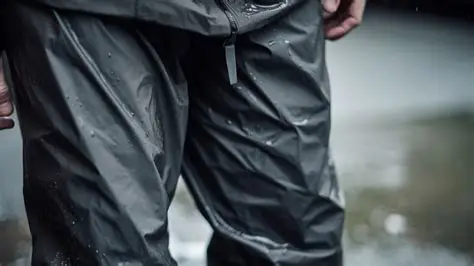
One of the most practical benefits of overpants over regular riding pants is built in weather protection. While dedicated riding pants require a separate waterproof liner to be inserted before riding in rain, many overpants are waterproof by default.
Overpants weather protection typically includes:
- Laminated waterproof membranes such as Gore-Tex or proprietary equivalents
- Taped internal seams that prevent water from entering at stitching points
- Wind blocking outer shells that stop cold air penetration at speed
- Removable thermal liners for winter riding
- Ventilation zippers on the thighs for heat release in summer
How Waterproof Overpants Keep Your Regular Clothes Dry
Gore-Tex 3-Layer Pro Shell is guaranteed waterproof with excellent abrasion and tear resistance, paired with a moisture-wicking internal mesh liner and enough ventilation to flow plenty of air. Motorcycle.com This construction means rain hits the outer shell, cannot penetrate the membrane, and your regular trousers stay completely dry underneath.
For commuters caught in unexpected showers, this is a significant advantage over riding in jeans or standard trousers with a separate rain suit pulled over the top.
Seasonal Versatility Through Removable Liners
Either type of pant is available with or without waterproof and thermal layers, and some overpants are made to be worn either as standalone riding trousers or as overpants. StromTrooper A zip out thermal liner transforms summer overpants into winter gear. Removing both the thermal and waterproof liners during hot weather creates a vented mesh shell that allows air flow while retaining the armor.
How to Put On Motorcycle Overpants the Right Way
Getting overpants on and off correctly is a skill that takes about two days to master. Done properly, the whole process takes under a minute.
Step by step process for putting on overpants over boots and regular clothes:
- Put on your regular trousers or clothes as normal before reaching for the overpants
- Open both leg zippers fully from ankle to the top of the zip
- Step one foot into the first leg opening, sliding the foot through without twisting the fabric
- Pull the overpant leg up over your boot using the ankle zip opening as a guide
- Repeat with the second leg
- Pull the waistband up and fasten the zipper, button, or velcro closure
- Adjust the waist strap or belt to achieve a snug but comfortable fit
- Close the leg zippers from the ankle upward, smoothing the fabric as you go
- Check that armor pads sit correctly over your kneecaps and that hip armor sits at the hip bone, not above or below
Common Mistakes Riders Make When Wearing Overpants
The most common mistake is buying overpants that are too small. If you cannot get them on comfortably over jeans and boots, they will not protect you properly in a crash because the armor will shift out of position. Another frequent error is leaving the waist adjustment too loose, which allows the pants to ride down at speed.
Overpants vs Regular Motorcycle Pants: Key Differences
Understanding the difference between overpants and standard motorcycle riding pants helps you choose the right tool for your riding style.
| Feature | Motorcycle Overpants | Standard Riding Pants |
|---|---|---|
| Worn over regular clothes | Yes | No |
| Fit style | Looser, roomier | Closer, tailored |
| Ideal for commuting | Excellent | Moderate |
| Aerodynamics at high speed | Moderate | Better |
| Convenience for destination use | High | Low |
| Waterproofing available | Yes | Yes |
| CE armor included | Yes | Yes |
| Price range | Mid to high | Entry to high |
| Materials | Textile, leather, mesh | Textile, leather, Kevlar |
The loose fit makes overpants more comfortable for commuters and low speed touring riders, but it can be a negative trait for anyone who rides at higher speeds. Riders at higher speeds need their pants to be fairly snug so they do not impair aerodynamics, and tighter fitting motorcycle pants are also more likely to stay in place during a high speed slide. Dennis Kirk
When Standard Riding Pants Are the Better Choice
If you ride at speeds above 70 mph regularly on motorways, or if you do track days, standard riding pants that fit close to the body are a better choice. For sport riding and performance applications, the tighter fit keeps armor in position during high speed slides more reliably than the looser cut of overpants.
Motorcycle Overpants vs Chaps: What is the Difference
Chaps are an older design with a long history in both equestrian and motorcycle culture. They cover the front and sides of the legs but leave the seat and crotch area open. Overpants cover everything.
Why some riders still choose chaps over overpants:
- Chaps provide excellent airflow through the open seat design
- They are fast to put on and pull off
- They pair well with the cruiser and custom motorcycle aesthetic
- They work over jeans without adding much bulk around the waist
Where overpants outperform chaps:
- Full coverage means better seat abrasion protection in a slide
- Waterproofing is practical because the full shell seals against rain
- Hip armor sits in a fixed position rather than relying on an open design
- Better aerodynamics at highway speeds than loose fitting chaps
While chaps offer unmatched airflow and are a favorite in hotter climates, overpants offer full coverage and weather control, making them the more versatile choice for long distance touring and all season commuting. Fox Creek Leather
How to Choose the Right Size Overpants for Layering
Sizing motorcycle overpants is different from sizing regular trousers because you need to factor in the clothing underneath. Most manufacturers provide specific guidance for this.
Sizing tips for buying overpants that layer properly:
- Measure your waist wearing the thickest underlayer you plan to use
- Check inseam measurements and compare to your regular trouser inseam
- Try them on in the store with a pair of jeans and your riding boots if possible
- Sit down and simulate the riding position to check that knee armor stays on your kneecap
- Walk around to confirm armor does not slide or shift during movement
- Allow at least two to three centimeters of extra room compared to your standard trouser size
Fit Adjustment Features to Look For in a Good Pair
Good overpants include multiple fit adjustment points. A quality pair should have waist adjustment, thigh adjustment, and ideally some adjustment at the lower leg or ankle to prevent the fabric from bunching. Elasticated panels at the back of the waist help the trousers conform to different body shapes without adding bulk.
Best Materials for Motorcycle Overpants Explained
The material used in your overpants directly affects weight, durability, comfort, and protection level. Here is what each main material offers.
Textile (Cordura or Ballistic Nylon): The most common material for overpants. Lightweight, abrasion resistant, can incorporate waterproof membranes and removable liners. Suitable for three to four season use. Easier to care for than leather. Best overall choice for commuters.
Leather: Excellent abrasion resistance and a classic appearance. Heavier than textile. Requires more maintenance. Does not breathe as well in summer heat. Better suited for shorter rides than all day commuting in warm weather.
Mesh: Lightweight and highly breathable. Best for summer riding in hot climates. Provides armor protection but minimal abrasion resistance compared to Cordura or leather. Often used as a summer specific overpant that layers over shorts or light trousers.
Hybrid Textile and Leather: Combines leather panels in high abrasion zones such as the knees and seat with lighter textile in other areas. Offers a good balance between protection, weight, and breathability. Popular in touring focused designs.
Top Safety Certifications to Check Before Buying
Not all overpants claiming to be protective riding gear are made to the same safety standard. Knowing which certifications to look for protects you from buying gear that looks right but offers little real world protection.
The EN 13595 standard governs protective clothing for motorcycle riders in Europe and covers abrasion resistance, tear resistance, cut resistance, and impact energy absorption. CE certified armor within the pants is tested separately under EN 1621 for knee and hip protectors.
What CE Level 1 and Level 2 armor means for you:
CE Level 1 armor transmits less than 35 kilonewtons of force on impact. CE Level 2 armor transmits less than 20 kilonewtons. The lower the transmitted force, the less energy reaches your joint during impact. For everyday commuting, Level 1 is acceptable. For touring or any riding above 60 mph, Level 2 is recommended.
For authoritative guidance on motorcycle safety gear standards, the SHARP helmet and gear safety program provides rider focused safety testing information that applies to protective clothing standards as well.
How to Care for and Maintain Your Motorcycle Overpants
Overpants that are properly cared for last far longer and retain their protective properties. Neglected gear can degrade in ways that are not visible until a crash reveals the problem.
Routine care steps for textile overpants:
- Brush off road grit after every ride to prevent abrasive particles from grinding into the fabric
- Wash according to manufacturer instructions, which usually means machine washing on a cool delicate cycle with armor removed
- Reapply a DWR (Durable Water Repellent) treatment spray once or twice per season to maintain waterproofing
- Inspect seams and stitching regularly, especially around armor pocket openings
- Check zipper function monthly and apply zipper lubricant to keep full length zippers operating smoothly
- Store away from direct sunlight to prevent UV degradation of both fabric and armor foam
When to Replace Overpants After a Crash
After any significant impact or slide, overpants should be inspected by a professional gear retailer or replaced entirely. The outer shell may appear undamaged while the abrasion resistant fibers beneath have been compromised. Armor should always be replaced after impact because the energy absorbing foam does not recover its original properties after being crushed.
Motorcycle Overpants for Commuters: Practical Daily Use Tips
Daily commuting on a motorcycle creates specific demands on overpants that weekend riding does not. The gear must come on and off quickly, survive daily use, and not look out of place in a work environment.
Practical daily commuter tips for using overpants:
- Keep a lightweight stuff sack or small bag at your desk for storing overpants during the workday
- Choose dark colors such as black or navy that do not show road dirt between cleans
- Look for pants with external zip pockets that stay accessible while wearing a jacket over them
- Opt for a design with reflective panels for visibility during dark morning or evening commutes
- Practice the on and off routine at home before relying on it at a busy car park entrance
Pairing Overpants With Your Riding Jacket
Most quality overpants include a connection zipper at the waistband that attaches to a matching riding jacket. This jacket to pant zip connection prevents the jacket from riding up in a crash, keeping the armor in the correct spinal position. Always connect this zipper before riding, even if it feels like an extra step.
Motorcycle Overpants in Hot Weather: Staying Cool
One of the most common objections to overpants is heat. Wearing an extra layer of fabric over your clothes in summer sounds miserable. However, modern mesh overpants address this directly.
A pair of mesh overpants worn in warmer weather with shorts underneath can stay comfortable because the leg zip extends well above the knee, making them easy to put on and take off, and the mesh panels allow significant air flow while riding. StromTrooper
For hot weather use, look for overpants with ventilation zippers on the thighs. When opened, these create a chimney effect that draws cool air from below and exits warm air at speed. Paired with moisture wicking base layers, mesh overpants in summer are often more comfortable than riding in denim because the armor stays in place and air moves freely around your legs.
Where to Buy Motorcycle Overpants and What to Spend
Quality overpants are available at specialist motorcycle gear retailers both in store and online. Buying from a specialist rather than a general sporting goods shop gives you access to staff who can verify fit and advise on safety certifications.
Entry level overpants with basic protection start around sixty to ninety dollars and are suitable for fair weather commuting and light touring. Mid range options from brands such as Tourmaster, Icon, and BMW cost between one hundred fifty and three hundred dollars and typically include CE Level 1 armor, waterproofing, and removable liners. Premium options from brands such as KLIM and Aerostich exceed three hundred dollars and offer CE Level 2 armor, Gore-Tex membranes, and multi year durability.
For an independent comparison of overpants from a rider perspective, the RevZilla motorcycle gear reviews section provides detailed hands on assessments of current models across all price points.
Budget guidance by riding type:
- Daily urban commuter: Mid range textile overpants with CE Level 1 armor and waterproofing
- Long distance tourer: Premium textile or hybrid with CE Level 2 armor and Gore-Tex membrane
- Summer only rider: Budget to mid range mesh overpants with CE Level 1 armor
- All season year round commuter: Premium four season overpants with zip in thermal and waterproof liners
Frequently Asked Questions About Motorcycle Overpants
Can I wear motorcycle overpants over jeans? Yes. This is their primary intended use. Overpants are sized to accommodate jeans, chinos, or work trousers underneath.
Do overpants fit over motorcycle boots? Yes, when the leg zippers are fully opened. The ankle opening on quality overpants is wide enough to pass over most motorcycle boots without forcing.
Are overpants as protective as full riding pants? Quality overpants with CE certified armor and abrasion resistant outer materials provide protection equivalent to dedicated riding pants. The key difference is fit. Overpants that fit loosely offer slightly less slide protection than close fitting riding pants at high speed.
How long does it take to put on overpants? With practice, putting on overpants over boots and regular clothes takes between thirty seconds and two minutes depending on the zipper design and fit.
Can I wear overpants in summer? Yes. Mesh overpants are specifically designed for warm weather riding and provide excellent airflow while retaining armor protection.
Final Thoughts: Are Motorcycle Overpants Worth It
If you ride to work, to social events, or to any destination where arriving in dedicated motorcycle gear is inconvenient, overpants are one of the most practical gear investments you can make. They protect you on the bike and disappear into a bag at your destination, leaving your regular clothes completely untouched underneath.
The key to getting value from overpants is buying the right size, checking for CE certified armor, and choosing a material that suits your typical riding conditions. A well chosen pair of overpants will last years of daily use and remove one of the biggest friction points from commuting by motorcycle.

- 10 Best Electric Hydraulic Jack For Car Review (October 2026) - October 12, 2026
- 10 Best Electric Jack For Car Review (October 2026) - October 12, 2026
- 10 Best Jack For Electric Vehicle Review (October 2026) - October 12, 2026
One Comment