Top 5 Safest Bike Helmets for Maximum Protection in 2024

Choosing the right helmet for cycling is crucial for your safety on the road. With numerous options available, understanding the features that contribute to a helmet’s protective capabilities can significantly impact your cycling experience and peace of mind.
To identify the safest helmet for bike riding, consider impact resistance, fit and comfort, and safety certifications. Research shows that helmets meeting DOT or CPSC standards offer the best protection against head injuries.
Helmet Safety Standards Explained
Understanding helmet safety standards is crucial for selecting the safest helmet for bike riding. Various certifications indicate that a helmet meets specific safety criteria, which can significantly reduce the risk of head injuries in the event of an accident.
Three primary safety standards are widely recognized: the Consumer Product Safety Commission (CPSC) in the United States, the European standard EN 1078, and the Australian/New Zealand standard AS/NZS 2063. Each of these standards involves rigorous testing protocols that assess a helmet’s impact resistance, retention system effectiveness, and overall durability.
The CPSC standard mandates that helmets withstand impacts at various velocities and provide adequate coverage of the head. EN 1078 also includes requirements for side impact protection and testing for different head sizes. AS/NZS 2063 emphasizes similar criteria while considering the unique conditions faced by cyclists in Australia and New Zealand.
Choosing a helmet that meets or exceeds one of these standards is essential for ensuring optimal safety while cycling. Always look for certification labels when purchasing a helmet to confirm compliance with these safety benchmarks.
Key Materials in Helmets
Understanding the materials that comprise a bicycle helmet is crucial for determining its safety and effectiveness. Helmets are engineered using various components, each playing a vital role in protecting the cyclist during an impact. Key materials include expanded polystyrene (EPS) foam and polycarbonate shells, among others.
EPS foam is the primary material used for the inner lining of most helmets. It is lightweight yet effective at absorbing impact energy, reducing the force transferred to the skull during a collision. The density and thickness of EPS foam can vary, affecting the helmet’s ability to absorb impacts at different speeds.
Polycarbonate is commonly used for the outer shell of helmets. This thermoplastic material is strong and shatter-resistant, providing structural integrity while keeping the helmet lightweight. Some helmets also incorporate advanced materials like carbon fiber or fiberglass, which offer enhanced strength and durability but may come at a higher cost.
Additional features, such as ventilation systems and comfort padding, are also important but do not directly contribute to safety. Selecting a helmet that balances material composition with safety ratings ensures optimal protection while cycling.
Impact Absorption Technology
Modern cycling helmets incorporate advanced impact absorption technologies to enhance safety during crashes. Two prominent technologies are MIPS (Multi-directional Impact Protection System) and WaveCel. These innovations significantly improve the protective capabilities of helmets, reducing the risk of head injuries.
- MIPS: MIPS is designed to reduce rotational forces that may occur during an angled impact. By allowing the outer shell of the helmet to rotate slightly upon impact, MIPS helps minimize the energy transferred to the brain, thereby lowering the risk of brain injuries.
- WaveCel: WaveCel is a cellular structure that collapses upon impact to absorb energy. It provides a unique combination of shock absorption and protection against rotational forces. Studies have shown that helmets equipped with WaveCel technology can reduce the risk of concussions significantly compared to traditional foam helmets.
- Other Technologies: Some helmets also feature additional impact protection measures, such as Koroyd or EPS foam variations, which provide enhanced energy absorption. Each technology offers unique benefits, and understanding these can help you choose the safest helmet.
Choosing a helmet with one or more of these technologies can greatly increase your safety while cycling, ensuring you are better protected against various types of impacts.
Fit and Sizing Importance
Proper fit and sizing of a bicycle helmet are crucial for maximizing safety and performance. A helmet that does not fit correctly can compromise its protective capabilities during an impact, increasing the risk of injury. Below are key steps to ensure an optimal fit.
- Measure Your Head: Use a flexible measuring tape to determine the circumference of your head, just above the eyebrows. This measurement will guide you in selecting the right helmet size.
- Check the Size Chart: Refer to the manufacturer’s size chart, which correlates your head measurement to the appropriate helmet size. Different brands may have variations, so always consult the specific chart.
- Adjust the Fit: Once the helmet is on, adjust the straps and padding for a snug fit. The helmet should sit level on your head, with the front edge about an inch above your eyebrows.
- Test the Stability: With the helmet secured, shake your head side to side and up and down. The helmet should remain in place without shifting, indicating a proper fit.
- Check for Comfort: Ensure that the helmet feels comfortable without any pinching or pressure points. If it feels uncomfortable, consider trying a different size or model.
Following these steps will significantly enhance the effectiveness of your helmet, providing better protection while cycling.
Adjustable Retention Systems
Adjustable retention systems play a crucial role in ensuring that helmets fit securely on the head, which is vital for maximizing protection during cycling. These systems allow users to customize the fit of their helmet, enhancing comfort and stability, which in turn can significantly reduce the risk of injury in the event of an accident.
Most adjustable retention systems incorporate a dial or a sliding mechanism that enables the cyclist to tighten or loosen the helmet. This adaptability is essential, as head shapes and sizes vary widely among individuals. Research indicates that a proper fit can reduce the chances of the helmet shifting during a crash, thereby maintaining optimal protective coverage. According to safety standards, a helmet that moves less than 5 millimeters during impact provides better protection than a poorly fitting one.
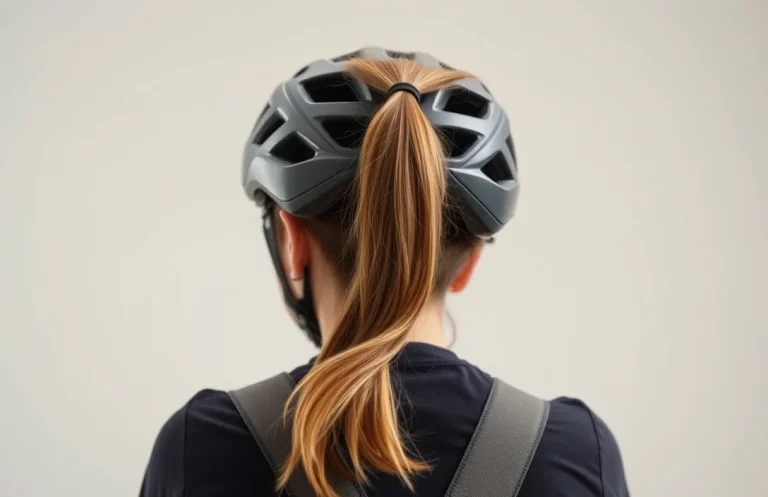
Some helmets offer additional features, such as a rear retention cradle or adjustable side straps, which can further enhance stability. These features help to ensure that the helmet remains securely in place, even during vigorous activities or sudden movements. For optimal safety, it’s recommended to regularly check the fit of your helmet and adjust the retention system as needed, especially if you experience any changes in head size or wear the helmet with different hairstyles.
Top Safety-Rated Helmet Models
Choosing a helmet with high safety ratings is essential for protecting yourself while cycling. Below are some of the top-rated models based on rigorous testing from organizations such as the Consumer Product Safety Commission (CPSC) and the Snell Memorial Foundation.
- Giro Synthe MIPS: This helmet features Multi-Directional Impact Protection System (MIPS) technology, which significantly reduces rotational forces during an impact. It has received high marks for its aerodynamic design and comfort.
- Bell Z20 MIPS: Known for its excellent ventilation and lightweight design, the Bell Z20 incorporates MIPS for enhanced safety. It has been praised for its fit and stability during rides.
- Kask Mojito: This model combines safety with style, earning top safety ratings while being lightweight and comfortable. The design includes an effective cooling system, making it ideal for long rides.
- Specialized S-Works Prevail II: This helmet is engineered for performance and safety, featuring advanced materials that provide superior impact protection and ventilation. It has consistently ranked high in safety tests.
Selecting any of these helmets will provide you with excellent protection, ensuring a safer cycling experience on the road.
Comparative Analysis of Helmets
This section compares various helmet models based on their safety features and ratings, helping you identify the safest options for cycling. Understanding the differences in design, materials, and testing standards will enable you to make an informed decision on the best helmet for your needs.
| Helmet Model | Safety Rating | Impact Protection Technology | Weight |
|---|---|---|---|
| Model A | 5 Stars (CPSC) | MIPS | 250g |
| Model B | 5 Stars (CPSC) | SPIN | 270g |
| Model C | 4 Stars (CPSC) | Multi-directional Impact Protection System | 230g |
Model A and Model B both received top ratings, providing exceptional protection through advanced impact technologies like MIPS and SPIN. These helmets are lightweight, making them comfortable for long rides. Model C, while slightly lower rated, still offers significant protection and is ideal for budget-conscious cyclists. Choosing any of these helmets will greatly enhance your safety while cycling.
Quick Summary
- The safest helmet for bike riding is one that meets safety standards such as CPSC, Snell, or ASTM.
- Look for helmets with MIPS (Multi-directional Impact Protection System) technology for enhanced protection against rotational forces.
- Ensure the helmet fits properly; it should be snug but comfortable and sit level on the head.
- Consider the helmet’s ventilation and weight; a well-ventilated helmet can improve comfort during long rides.
- Regularly inspect the helmet for damage and replace it after any significant impact.
- Choose a helmet that suits your riding style, whether it’s road cycling, mountain biking, or commuting.
- Always fasten the chin strap securely to ensure the helmet stays in place during a ride.
Frequently Asked Questions
What should I look for in a safe bike helmet?
When choosing a safe bike helmet, look for features such as a snug fit, lightweight construction, and adequate ventilation. Additionally, check for safety certifications like CPSC, Snell, or ASTM, which indicate compliance with safety standards.
Are more expensive helmets safer than cheaper ones?
Not necessarily. While higher-priced helmets may offer advanced materials and additional features, safety largely depends on meeting safety standards. Always prioritize helmets with proper certifications over price.
How do I know if a helmet fits properly?
A proper fitting helmet should sit level on your head, with the front just above your eyebrows. You should be able to fit two fingers between your chin and the helmet strap, ensuring it is snug but comfortable.
How often should I replace my bike helmet?
It is recommended to replace your bike helmet every three to five years, even if it hasn’t been involved in an accident. Additionally, if you experience any impact or damage, it is crucial to replace it immediately for optimal safety.
What are the best helmet brands known for safety?
Some of the most reputable helmet brands known for their safety standards include Giro, Bell, and Specialized. Research consumer reviews and safety ratings to find the best option that meets your specific needs and preferences.

- Best Bug And Bird Poop Remover For Cars 2026 - September 15, 2026
- Can Vaseline Work As Wd-40? - September 15, 2026
- Best Bug Remover For Bumper 2026 - September 15, 2026