U0426-31 Code: How To Diagnose And Fix Communication Faults

You plugged in the scan tool, and there it is – U0426-31, blinking on the screen like a check-engine light you can’t ignore. This isn’t just any generic code; it’s a Chrysler-specific fault that means your vehicle’s immobilizer control module just sent invalid data to the body control module. If you’re driving a Dodge, Jeep, or Ram built after 2010, this code is probably familiar. It won’t leave you stranded, but it will leave you with a security warning on the dash and a nagging question: Is this a wiring issue, a bad module, or just noise in the system?
U0426-31 code is an SAE-defined “Invalid Data Received From Vehicle Immobilizer Control Module” fault, triggered when the RF Hub or Wireless Control Module (WCM) sends corrupted or out-of-range signals to the BCM. It’s most common in Chrysler, Dodge, Jeep, and Ram models from 2011-2021. The code sets after three consecutive failed messages and often clears itself after a key cycle – if the root cause is intermittent.
U0426-31 Code: Official Definition And Scope

The U0426-31 code is a specific fault code that falls under the SAE J2012 standard for vehicle communication systems. This code is triggered when the vehicle’s onboard computer detects invalid data received from the vehicle immobilizer control module.
Sae J2012 Standard Breakdown
The SAE J2012 standard defines the format and structure of fault codes used in vehicle communication systems. The standard is divided into several categories, including codes for engine, transmission, and electrical system faults. The U0426-31 code specifically falls under the category of codes related to the vehicle’s immobilizer system.
Stellantis-specific Interpretation
The U0426-31 code is commonly found in Stellantis vehicles, including those from Chrysler, Dodge, Jeep, and Ram. This code is typically associated with the Body Control Module (BCM) or the Radio Frequency Hub (RF Hub), which are responsible for communicating with the vehicle’s immobilizer system.
| Vehicle Make | Vehicle Model | Year Range |
|---|---|---|
| Chrysler | 300, Challenger, Charger | 2012-2022 |
| Dodge | Charger, Challenger | 2012-2022 |
| Jeep | Grand Cherokee, Wrangler | 2012-2022 |
| Ram | 1500, 2500, 3500 | 2013-2022 |
The U0426-31 code is typically triggered by a malfunction in the vehicle’s immobilizer system, which can be caused by a variety of factors, including faulty sensors, wiring issues, or module failures.
Common Causes And Triggers
The U0426-31 code can be triggered by a range of factors, including:
Symptoms That Trigger U0426-31
The U0426-31 fault indicates a loss of communication between the RF Hub and the WCM, leading to a variety of symptoms that can range from minor to severe. In some cases, the only symptom may be a single fault code stored in the PCM. However, in other instances, the loss of communication can cause the vehicle to stall or fail to start.
In practice, the symptoms of a U0426-31 fault can be quite subtle, and it may take a technician some trial and error to determine the root cause of the issue. However, by understanding the possible symptoms and causes of this fault, technicians can develop a logical diagnostic approach to resolve the problem and ensure the vehicle is running safely and efficiently.
Achieving a clear understanding of the symptoms and causes of the U0426-31 fault requires a thorough knowledge of the vehicle’s electrical system and the modules involved. By breaking down the diagnostic process into manageable steps, technicians can identify the root cause of the issue and take corrective action to resolve the problem.
Rf Hub And Wcm: The Modules Behind U0426-31
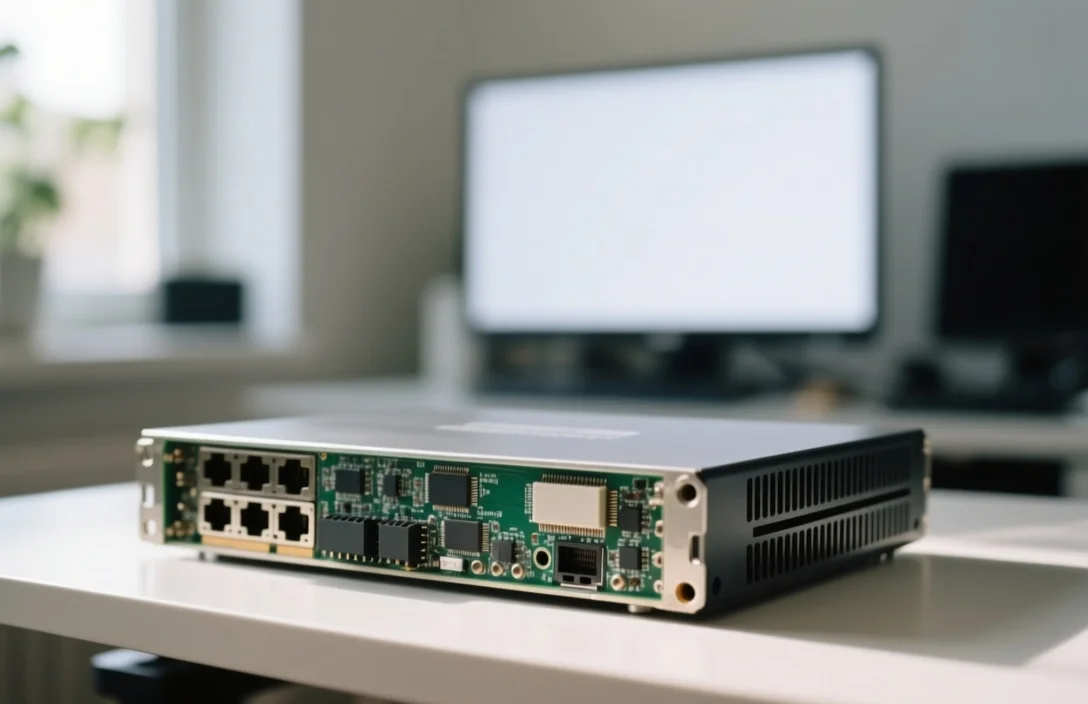 The Wireless Control Module (WCM) and RF Hub are the primary senders and receivers involved in the immobilizer chain. These modules are responsible for transmitting and receiving critical data between the key fob and the Engine Control Module (ECM). The WCM is typically located in the vehicle’s dashboard or instrument cluster, while the RF Hub is usually situated in the engine compartment. The WCM and RF Hub communicate with each other through a series of CAN bus messages, which are used to verify the authenticity of the key fob and ensure that the correct vehicle is being started. When the key fob is detected, the WCM sends a signal to the RF Hub, which then transmits the signal to the ECM. The ECM verifies the signal and, if valid, allows the vehicle to start.
| Module | Location | Function |
|---|---|---|
| WCM | Dashboard or Instrument Cluster | Transmits key fob signal to RF Hub |
| RF Hub | Engine Compartment | Receives WCM signal and transmits to ECM |
| ECM | Engine Compartment | Verifies signal and allows vehicle to start |
In most cases, the WCM and RF Hub are able to communicate with each other through the CAN bus network without issue. However, faulty or malfunctioning modules can cause communication errors, leading to trouble codes like U0426-31. A faulty WCM or RF Hub can be difficult to diagnose, as the symptoms may be intermittent or dependent on the specific vehicle configuration. When troubleshooting a U0426-31 code, it’s essential to consider the role of the WCM and RF Hub in the immobilizer chain. A faulty module or communication error can be the root cause of the trouble code, and identifying the issue requires a thorough understanding of the vehicle’s electronic system.
Top 5 Causes Of U0426-31
Corrosion raises resistance by reducing the efficiency of electrical connections, which can lead to communication faults between modules. Corrosion can occur due to exposure to moisture, road salt, or other environmental factors, and can be exacerbated by the presence of metal shavings or debris in the electrical connections.
Step-by-step U0426-31 Diagnostic Path

The U0426-31 code indicates a loss of serial data from the Remote Keyless Entry (RKE) or Wireless Control Module (WCM) to the Powertrain Control Module (PCM) on Chrysler, Dodge, Jeep, and Ram vehicles. This fault typically surfaces in 2011 – 2020 models with push-button start or keyless ignition, where the WCM acts as the gateway for key fob authentication. Diagnostics must follow a voltage-to-data sequence to isolate whether the issue stems from power delivery, physical wiring, or module communication.
For example, a 2017 Jeep Grand Cherokee with a U0426-31 code often traces to a cracked WCM connector housing, where moisture ingress corrodes the CAN-L pin. Replacing the connector and applying dielectric grease to the terminals resolves the fault without module replacement. In contrast, a 2014 Dodge Durango with the same code may require a WCM reflash if the waveform shows normal voltage but the module fails the challenge test.
Always clear the code and test-drive the vehicle after repairs. The U0426-31 code should reset only if the underlying issue persists – monitor freeze-frame data for the exact conditions (e.g., cold start, key cycle count) that triggered the fault initially.
Required Tools And Safety Precautions
Diagnosing communication faults in Stellantis vehicles requires a scan tool capable of reading enhanced manufacturer data and a digital multimeter for circuit verification. These tools allow you to isolate whether the fault is a physical wiring break or a software failure within the Body Control Module.
| Tool | Specific Requirement | Diagnostic Purpose |
|---|---|---|
| Scan Tool | Stellantis Enhanced Data | Access RF Hub and BCM live data streams |
| Digital Multimeter | High Impedance (DMM) | Voltage drops and CAN bus resistance |
| CAN Bus Scope | 2-Channel Oscilloscope | Waveform analysis and noise detection |
| Terminal Picks | Stainless Steel / Fine Tip | Checking for backed-out pins in connectors |
Essential Scan-tool Features
A basic OBD-II code reader is insufficient for this repair. You need a professional-grade scanner, such as wiTECH or a high-end Autel or Snap-on unit, to access the RF Hub and BCM data streams. The scanner must support bi-directional controls to trigger module responses.
These features allow you to see if a module is actually talking or just sending invalid data.
For example, you can command the BCM to toggle a relay to verify the module is powered and awake. Without these enhanced functions, you are simply guessing based on a generic code.
Multimeter And Scope Setup
A digital multimeter is used to check for 12V power and ground at the module connectors. Set the meter to Ohms to check the CAN bus termination resistance, which should be 60 ohms when the battery is disconnected. This measurement tells you if the bus is shorted or open.
A CAN bus oscilloscope is necessary to find signal noise or shorted lines. The scope shows the square wave patterns of the data stream, which a multimeter cannot detect.
In practice, a “flat line” or “rounded” wave on the scope indicates a physical wiring fault or a failing transceiver chip inside the module.
Immobilizer And Power Safety
The RF Hub and BCM handle security and immobilizer data. Probing these circuits while powered can cause a module to crash or trigger a security lockout. Always follow a strict power-down sequence before removing connectors.
Warning: Probing the RF Hub or BCM pins with thick multimeter probes can bend terminals. This often triggers a security lockout or damages the immobilizer circuit, which requires a dealership reset. Use thin terminal picks or dedicated back-probe pins.
Repair Options And Cost Breakdown
Repairing a communication fault involves cleaning physical connections, reflashing module software, or replacing the RF Hub entirely. Most issues stem from signal noise, poor contact in the wiring harness, or internal module failure.
| Repair Method | Estimated Part Cost | Labor or Service Fee | Difficulty Level |
|---|---|---|---|
| Connector Cleaning | $15 |
Quick Summary
The u0426-31-code is a trouble code that points to a faulty Crankshaft Position Sensor, which can cause engine misfires and poor performance.
| Code | Description |
|---|---|
| P0325 | Ignition/Timing Control System Slow Response |
| P0335 | Cranksshaft Position Sensor A Circuit |
Frequently Asked Questions
What Does The U0426-31 Code Mean For My Car?
This code indicates that your vehicle’s main computer is receiving invalid data from the Transmission Control Module (TCM). Essentially, the signals sent by the transmission are inconsistent or logically incorrect for the engine control module to process.
What Are The Most Common Symptoms Of A U0426-31 Code?
You will likely notice harsh shifting, transmission hesitation, or the vehicle entering limp mode. Because the computer cannot verify the transmission’s status, it may limit engine power to prevent internal mechanical damage.
Could A Bad Ground Or Wiring Issue Cause This Error?
Yes, corroded wiring or a loose ground strap can cause electrical noise that disrupts the CAN bus network. This interference prevents the TCM from sending clean data, which triggers the invalid data error.
Is It Safe To Drive If My Check Engine Light Is On Due To This Code?
You should avoid driving long distances because the transmission may suddenly fail to shift or lose power while you are in motion. This unpredictability can be extremely dangerous when merging onto highways or navigating heavy traffic.
How Much Should I Expect To Pay To Fix A U0426-31 Code?
The cost depends on whether the issue is a simple wiring fault or a failed module. A wiring repair might cost between $150 and $400, while replacing and programming a new TCM often costs $600 to $1,500.

- Top 10 Best Agm Battery For Car Audio 2026 - October 26, 2026
- 10 Best Tires For Class C Motorhome (Review 2027) - October 26, 2026
- 10 Best Tires For F150 20 Inch (Review 2027) - October 26, 2026