Fix Code U1112 On Your Dashboard: Causes And Diagnosis

Chrysler and Dodge owners often find themselves searching for answers when their dashboard lights up with the pesky “U1112” code, but what does it really mean? This code is not related to a specific problem like a faulty oxygen sensor or a clogged catalytic converter, but rather it’s a sign that the communication between the vehicle’s modules has been lost. The U1112 code is a manufacturer-specific network communication code that indicates a problem with the CAN-bus system.
The U1112 code is typically associated with models from Chrysler and Dodge, and it’s often caused by a software glitch that can be cleared with a scan tool, or a hardware failure that requires a module replacement. To diagnose the issue, you’ll need to perform a voltage check on the CAN-bus high and low wires to ensure that they’re functioning correctly. Water intrusion or pinched wiring harnesses can also cause this code to appear.
U1112: Manufacturer-specific Network Communication Code
U1112 indicates a lost communication message between control modules on the vehicle’s data bus. Unlike generic U-codes that point to CAN bus wiring or power issues, this code is manufacturer-defined and tells you a specific module stopped talking to the rest of the network. The missing message is usually tied to one critical controller – often the Anti-lock Brake System (ABS), Electronic Stability Control (ESC), or Instrument Cluster – so the vehicle can’t update wheel speeds, traction status, or dash gauges.
Most vehicles built after 2008 use a high-speed CAN bus (500 kbps) for real-time safety data. When a module drops off the bus, the remaining controllers log U1112 and illuminate the check-engine or ABS light. The code itself does not name the failed module; it only flags that a pre-programmed message ID is missing. Later-model trucks and SUVs may also see U1112 when the Transfer Case Control Module or Adaptive Cruise Control module stops responding.
Common U1112 message IDs by manufacturer
| Make | Typical missing message ID | Source module |
|---|---|---|
| Ford / Lincoln | 0x1112 | ABS module |
| GM / Chevrolet / GMC | 0x1112 or 0x283 | Electronic Brake Control Module (EBCM) |
| Dodge / Ram / Jeep | 0x1112 or 0x3E0 | Totally Integrated Power Module (TIPM) |
| Toyota / Lexus | 0x1112 or 0x3BC | Skid Control ECU |
“U1112 is almost never a wiring problem – it’s the module itself that has crashed or lost power. Start by checking fuses and module ground straps before you tear into the harness.”
– ASE Master Technician, independent shop owner
On hybrid and electric vehicles, U1112 can also appear if the high-voltage battery management system stops sending state-of-charge data. In those cases, the hybrid powertrain control module logs the code and may limit acceleration to prevent over-discharge. Always confirm the exact message ID with a factory-level scan tool; generic OBD-II readers often show U1112 as “Lost Communication with Unknown Module” without identifying the source.
Common Vehicle Makes Affected By U1112
Chrysler, Dodge, Jeep, and Ram vehicles are the primary makes where this communication error appears. These brands share a common network architecture that triggers this specific fault when the powertrain control module loses contact with other onboard computers.
Chrysler And Dodge
Chrysler 300 and Dodge Charger models often see this code when the Totally Integrated Power Module (TIPM) fails. This module manages power distribution and network communication for the rest of the vehicle.
For example, a leaking sunroof or windshield seal can drip water directly onto the TIPM. This causes internal shorts that break the CAN bus signal and trigger the fault.
Dodge Ram trucks also encounter this issue frequently. It often happens when the communication line
Voltage Check On Can-bus High/low Wires
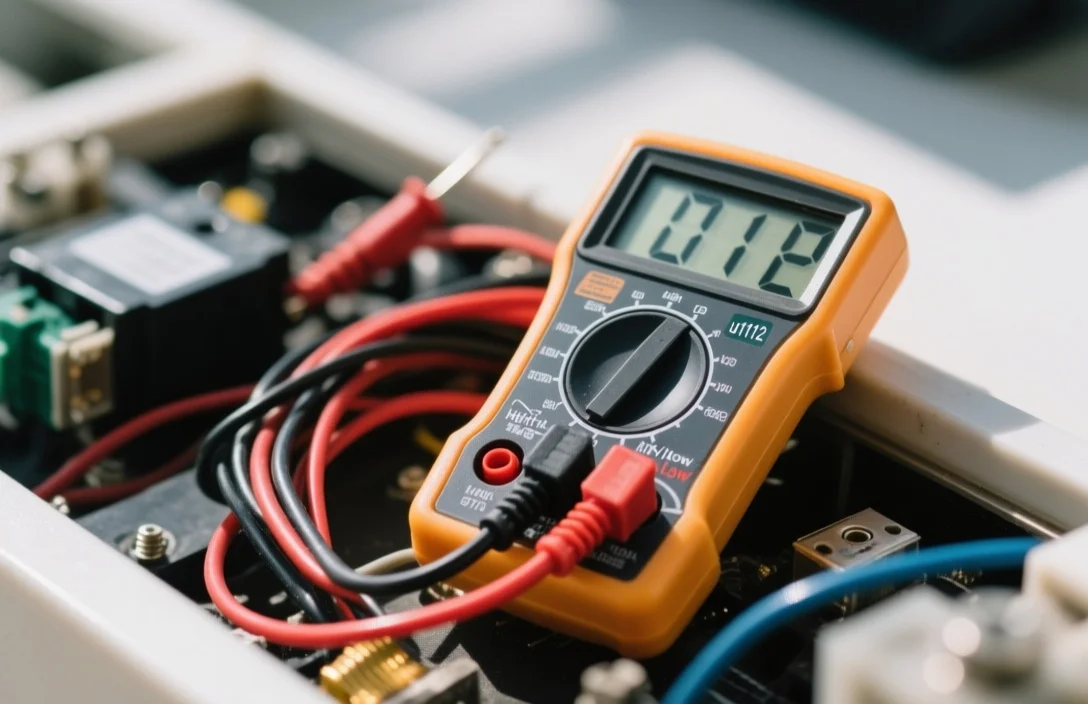
Corrosion raises resistance by forming an oxide layer on the wire’s surface, which can cause voltage drops and communication issues. A voltage check on the CAN-bus high/low wires is essential to diagnose the problem.
Tools Needed
Consult your vehicle’s wiring diagram to locate the CAN-bus high and low wires. These wires are usually orange or yellow in color and are connected to the Engine Control Module (ECM).
Step 1: Locate The Can-bus Wires
Identify the wires using the wiring diagram and label them accordingly. Make sure to note the wire colors and their connections to the ECM.
Step 2: Measure Voltage
Use a multimeter to measure the voltage on the CAN-bus high and low wires. Set the multimeter to DC voltage mode and touch the probes to the wires. Take multiple readings to ensure accurate results.
Check the voltage readings against the specifications in your vehicle’s wiring diagram. A voltage drop of more than 1V on the high or low wire can indicate a problem with the wiring or the ECM.
Checking For Water Intrusion Or Pinched Wiring Harnesses
Moisture and water intrusion can cause significant damage to the wiring harness, leading to electrical shorts, corrosion, and ultimately, a U1112 code.
Water can seep into the wiring harness through various entry points, including cracks in the dashboard, faulty seals, and damaged wiring boots. When water enters the harness, it can cause corrosion, which raises resistance and prevents the communication system from functioning properly.
Pinched or damaged wiring harnesses are another common issue that can cause a U1112 code. When the harness is pinched or damaged, it can cause a short circuit, leading to a loss of communication between the modules.
When inspecting the wiring harness, look for signs of water intrusion, such as:
Also, inspect the wiring harness for signs of physical damage, such as:
When inspecting the wiring harness, always follow proper safety procedures, such as disconnecting the battery and wearing protective gear.
Software Glitch Vs. Hardware Failure
Communication errors often stem from temporary data corruption within the vehicle network rather than physical component damage. A software glitch occurs when a control module fails to process a handshake signal correctly, whereas a hardware failure involves a permanent break in the circuitry or a dead processor.
Identifying Software Glitches
Software anomalies usually appear after a voltage spike, a battery disconnect, or an incomplete firmware update. These errors rarely persist if the communication bus clears its buffer or if the module undergoes a hard reset.
Pro Tip: Always perform a hard reset by disconnecting the negative battery cable for ten minutes before condemning an expensive module. This simple step clears volatile memory and resolves many logic-based communication errors.
Recognizing Hardware Failures
Hardware failure represents a physical defect within the module or the data transmission path. You can confirm this when the error persists despite power cycles or attempts to clear the memory, indicating a component that can no longer send or receive messages.
For instance, a module with a burned-out CAN transceiver will consistently trigger the same communication code. The hardware cannot physically pull the bus voltage to the required levels, making the fault static rather than intermittent.
| Feature | Software Glitch | Hardware Failure |
|---|---|---|
| Code Status | Intermittent or cleared easily | Permanent or hard fault |
| Reset Response | Resolves after power cycle | Remains active |
| Root Cause | Data corruption or logic error | Component fatigue or physical damage |
| Primary Fix | Module reflash or hard reset | Module replacement |
Professional diagnosis requires checking the bus voltage levels with an oscilloscope if the fault remains persistent. If the hardware is at fault, you must source a replacement unit and often perform a dealer-level calibration to align the new module with the vehicle vin and security system.
Diagnosing And Resolving U1112: A Step-by-step Guide
Communication loss causing this code usually stems from a broken wire, a blown fuse, or a failed module that cannot respond to network requests. These issues stop the vehicle’s computers from sharing critical data across the CAN bus.
Diagnosis requires a methodical approach to isolate whether the fault is in the wiring or the hardware itself.
For example, a common failure point in older trucks is the wiring harness near the steering column where constant movement can chafe the insulation. This creates a short that drops the entire network voltage.
Diagnostic Complexity And Tooling
Diagnosing communication faults requires a systematic approach to avoid
Cost Breakdown And Prevention
Repairing a vehicle with a U1112 code can be costly, with labor costs ranging from $200 to $500, depending on the difficulty of the repair and the shop’s rates. Additionally, replacement parts such as wiring harnesses, connectors, and sensors can cost anywhere from $100 to $500.
According to various sources, the average repair cost for a U1112 code can range from $500 to $1,500, with some repairs costing as much as $2,000 or more. It’s essential to address the issue promptly to avoid further damage to the vehicle’s systems and reduce the overall repair cost.
Preventing the U1112 code from occurring in the future involves regular maintenance and inspections of the vehicle’s systems, including the wiring harness and electrical components. This can help identify potential issues before they become major problems.
| Repair Cost | Replacement Parts |
|---|---|
| $200 – $500 (labor) | $100 – $500 (wiring harnesses, connectors, sensors) |
| Total Average Cost | |
| $500 – $1,500 (average repair cost) | |
| Preventative Maintenance | |
| Regular inspections of wiring harness and electrical components | |
| Addressing issues promptly to avoid further damage |
By understanding the costs associated with repairing a U1112 code and taking preventative measures, vehicle owners can help reduce the likelihood of costly repairs and keep their vehicle in good working condition.
Quick Summary
The u1112 code typically indicates a problem with the engine’s crankshaft or camshaft position sensor, which requires a professional diagnosis to resolve.
| Code | Description |
|---|---|
| u1112 | Crankshaft or camshaft position sensor problem |
Frequently Asked Questions
What Does The U1112 Diagnostic Trouble Code Actually Mean?
The U1112 code is a manufacturer specific communication error, usually indicating a loss of communication with the steering angle sensor or a related module on the CAN bus. Because it is a communication fault rather than a sensor failure, the issue often lies in the wiring, connectors, or the module software itself.
Is It Safe To Drive My Car With A U1112 Code Active?
You should exercise extreme caution because this code often disables your stability control and traction control systems. While the car will likely still drive, your vehicle will not assist you during emergency maneuvers or on slick roads, so you should have it inspected immediately.
Can I Fix A U1112 Code By Just Clearing It With An Obd2 Scanner?
Clearing the code will only turn off your warning light temporarily, as the underlying communication fault will trigger the light again as soon as the module fails to send or receive a signal. You need to identify the root cause, such as a corroded terminal or a frayed wire, before the system will function correctly again.
How Much Does It Usually Cost To Repair A U1112 Error?
Repair costs vary significantly depending on whether the issue is a simple wiring repair or a faulty module that requires replacement, but you should budget between 100 and 500 dollars for a professional diagnosis and basic wiring work. If a major control module needs to be replaced and programmed, the costs can easily exceed 1,000 dollars.
What Is The Most Common Cause Of A U1112 Communication Error?
The most frequent culprit is high resistance in the CAN bus wiring or a poor connection at the steering angle sensor plug. I recommend inspecting the wiring harness for signs of chafing or water intrusion before you consider replacing any expensive electronic control units.

- Top 10 Best Helmet For Youth Bike 2026 - October 6, 2026
- Top 10 Best Helmet For Youth Quarterback 2026 - October 6, 2026
- Top 10 Best Helmet For Youth Hockey 2026 - October 6, 2026