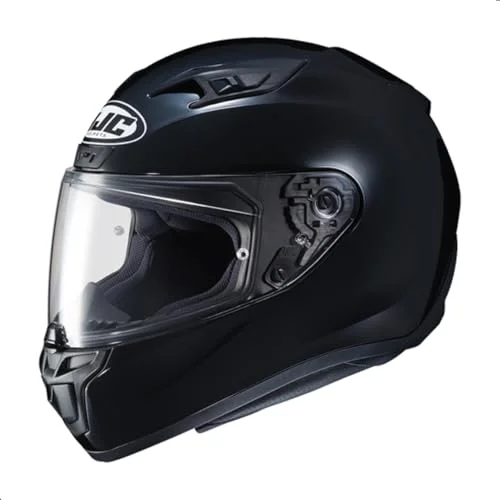
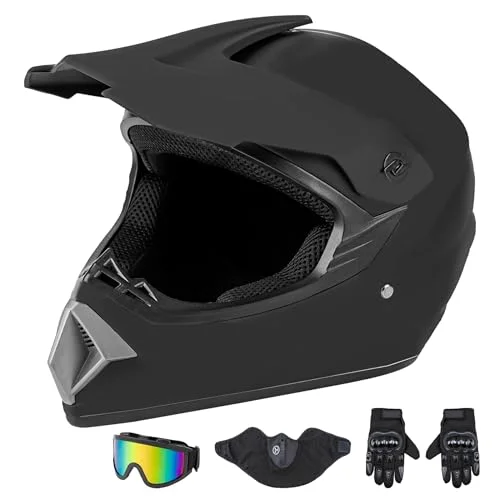
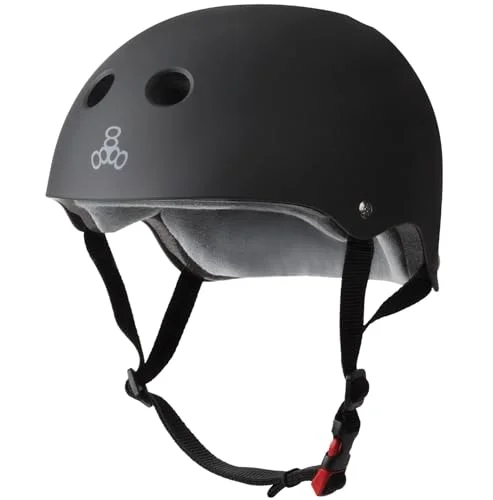
What Bikers Wear Under Helmets: Top 5 Comfort Essentials

Curiosity about what bikers wear under their helmets often leads to surprising discoveries. Many riders prioritize comfort, safety, and style. Understanding their choices can provide insight into the unique culture and practical needs that influence biker gear.
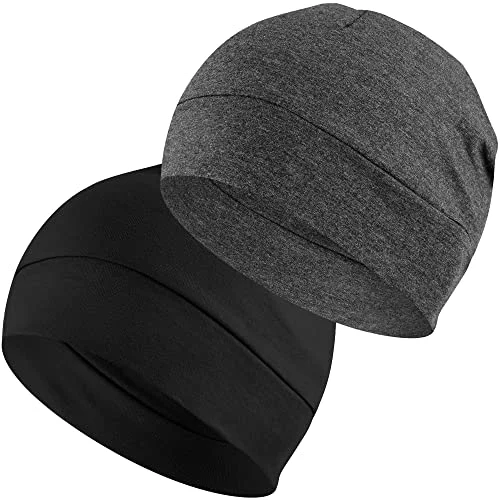
Bikers typically wear headbands, skull caps, or balaclavas under their helmets. These items help with moisture absorption, temperature control, and comfort. Additionally, they can reduce helmet noise and prevent chafing during long rides.
Purpose of Under-Helmet Wear
Bikers wear specific clothing under their helmets primarily for comfort and safety. This under-helmet wear serves multiple functions, including moisture management, temperature regulation, and impact protection. Understanding these purposes can enhance the riding experience and ensure proper helmet fitment.
Comfort is a critical factor for bikers. Under-helmet wear helps to wick away sweat, reducing moisture buildup that can lead to discomfort during long rides. Additionally, it provides a cushioning effect that improves the fit of the helmet, minimizing pressure points that can cause irritation. This is particularly important for riders who spend extended periods on the road.
Safety also plays a significant role in the choice of under-helmet wear. Certain materials can offer an extra layer of protection against potential abrasions in the event of an accident. Moreover, some under-helmet items are designed to fit snugly, ensuring the helmet stays securely in place, which is vital for effective impact protection.
In summary, the purpose of under-helmet wear is to enhance comfort, manage moisture, regulate temperature, and provide an additional layer of safety, all of which contribute to a better overall riding experience.
Types of Headgear Options
Bikers have various headgear options that enhance comfort and protection under their helmets. These accessories help manage moisture, provide warmth, and reduce friction. Understanding these options is crucial for improving the overall riding experience.
Balaclavas
Balaclavas are versatile headgear that covers the entire head, neck, and sometimes even part of the face. Made from materials like fleece or moisture-wicking fabric, they provide warmth in colder conditions while also absorbing sweat. The snug fit helps prevent helmet movement and reduces chafing, making them popular among long-distance riders.
Skull Caps
Skull caps, also known as helmet liners, are designed to fit snugly on the head, offering a lightweight option for bikers. Typically made from breathable fabrics, they wick moisture away from the scalp and provide a barrier between the skin and the helmet. This prevents hair from becoming tangled and reduces the buildup of sweat, enhancing comfort during rides.
Material Considerations
The materials used in under-helmet wear significantly impact comfort and breathability for bikers. Selecting appropriate fabrics can enhance the riding experience by managing moisture and temperature, providing a more enjoyable journey.
Breathable Fabrics: Fabrics that promote airflow are essential for preventing heat buildup under the helmet. Common breathable materials include cotton blends, mesh, and certain synthetic fabrics designed for maximum ventilation. These materials allow air to circulate, reducing sweat accumulation and keeping the head cooler during long rides.
Moisture-Wicking Materials: Moisture-wicking fabrics are engineered to draw sweat away from the skin and disperse it across the surface of the material where it can evaporate more easily. Materials such as polyester and nylon are popular for this purpose. These fabrics not only help keep the wearer dry but also prevent the discomfort of sweat-soaked liners that can lead to chafing and irritation.
Choosing the right combination of breathable and moisture-wicking materials is crucial for bikers looking to enhance their comfort while wearing helmets over extended periods.
Layering Techniques
Proper layering under a helmet is essential for temperature control while riding. Bikers often face varying weather conditions, and layering allows them to adapt quickly without compromising comfort or safety. The right combination of base and insulation layers can enhance the riding experience.
- Base Layers: Start with moisture-wicking base layers that fit snugly against the skin. These materials help regulate body temperature and wick away sweat, preventing discomfort during rides. Look for fabrics like polyester or merino wool that provide breathability and quick drying.
- Insulation Layers: Depending on the temperature, adding an insulation layer can be beneficial. Fleece or softshell materials provide warmth without adding excessive bulk. Choose lightweight options that allow for freedom of movement while maintaining heat retention.
- Adjusting Layers: Bikers should be prepared to adjust their layers based on changing weather conditions. If the temperature rises or if there’s a risk of overheating, remove insulation layers to maintain comfort. Conversely, if it’s colder, keep the insulation layer on for added warmth.
- Helmet Liners: Some bikers use helmet liners that offer additional insulation and comfort. These can be removable and washable, making it easy to maintain hygiene while adding another layer of warmth when needed.
Protection Features
Under-helmet clothing offers essential protection that enhances a biker’s safety. This section highlights key protective features, such as padding and impact resistance, which are critical for reducing injuries during rides.
Padding is a common feature in under-helmet gear, providing an additional layer of cushioning against impacts. This padding is typically made from high-density foam or gel materials that absorb shock and minimize the risk of concussions or abrasions in the event of a fall. The padding is strategically placed to cover vulnerable areas, ensuring maximum protection without compromising comfort.
Impact resistance is another crucial aspect of under-helmet wear. Many bikers opt for materials that meet specific safety standards, such as those outlined by the Department of Transportation (DOT) or the Snell Memorial Foundation. These materials are designed to dissipate energy from impacts, providing a protective barrier between the head and external forces. Some under-helmet garments also incorporate reinforced seams and durable fabrics to prevent tearing and enhance longevity, ensuring that the protective features remain effective over time.
Seasonal Adaptations
Bikers adapt their under-helmet wear according to seasonal changes for comfort and safety. Different weather conditions necessitate specific materials and styles to maintain optimal performance while riding. Below are common adaptations made by bikers for winter and summer conditions.
- Winter Gear: In colder months, bikers often wear thermal skull caps or balaclavas under their helmets. These materials are designed to retain heat and wick moisture away from the skin. Additionally, some may opt for helmet liners made of fleece or other insulating fabrics to provide extra warmth without compromising fit.
- Summer Options: During warmer months, bikers prefer lightweight, breathable materials such as mesh or cotton caps. These fabrics allow for increased airflow and help to wick sweat away, keeping the head cool. Some bikers may also choose bandanas or moisture-wicking headbands, which provide comfort and absorb perspiration.
Comparative Styles
Different biking communities have distinct preferences for what they wear under their helmets. These choices often reflect their riding styles, climate conditions, and personal comfort. Below is a comparison of under-helmet wear between sportbike riders and cruiser enthusiasts.
| Rider Type | Typical Under-Helmet Wear | Key Features |
|---|---|---|
| Sportbike Riders | Compression caps, moisture-wicking balaclavas |
|
| Cruiser Enthusiasts | Beanies, headwraps, or bandanas |
|
Sportbike riders prioritize performance and temperature regulation, often using materials that wick moisture away from the skin. In contrast, cruiser enthusiasts may opt for more casual options that offer comfort and style during leisurely rides. Understanding these differences helps in selecting the right under-helmet wear tailored to specific biking experiences.
Quick Summary
- Bikers often wear moisture-wicking base layers to stay dry and comfortable.
- Headbands or skull caps are common to manage sweat and provide additional warmth.
- Some bikers choose balaclavas for extra protection against wind and cold.
- Ear protection, like earplugs, is used to reduce wind noise and enhance comfort.
- Layering is key for temperature regulation, especially on long rides.
- Safety is paramount, with many wearing helmets that fit snugly over any undergear.
- Personal style varies, with many bikers opting for unique designs or colors in their undergear.
Frequently Asked Questions
What do bikers typically wear under their helmets?
Bikers commonly wear a variety of headgear under their helmets, including bandanas, skull caps, or moisture-wicking caps. These items help absorb sweat, provide comfort, and protect the scalp from helmet pressure.
Are there specific materials recommended for headgear worn under helmets?
Yes, materials like cotton, polyester, or moisture-wicking fabrics are often recommended. These materials help with sweat absorption and promote breathability, ensuring comfort during rides.
Do bikers wear anything for hair protection under their helmets?
Many bikers opt to wear a bandana or a specialized helmet liner to protect their hair from tangles and damage. This can also help keep the helmet clean and reduce the frequency of washing.
Can wearing something under the helmet help with comfort?
Absolutely! Wearing a thin layer like a skull cap or moisture-wicking cap can significantly enhance comfort by reducing pressure points and friction against the scalp. It can also help regulate temperature during rides.
Is it necessary to wear something under a helmet?
While it’s not strictly necessary, wearing something under a helmet is highly recommended for added comfort and hygiene. It can also enhance the fit of the helmet and provide an extra layer of protection against sweat and oils from the scalp.

- 10 Best Electric Hydraulic Jack For Car Review (October 2026) - October 12, 2026
- 10 Best Electric Jack For Car Review (October 2026) - October 12, 2026
- 10 Best Jack For Electric Vehicle Review (October 2026) - October 12, 2026