Why Bikers Tap Helmets: Meaning Behind This Gesture Explained

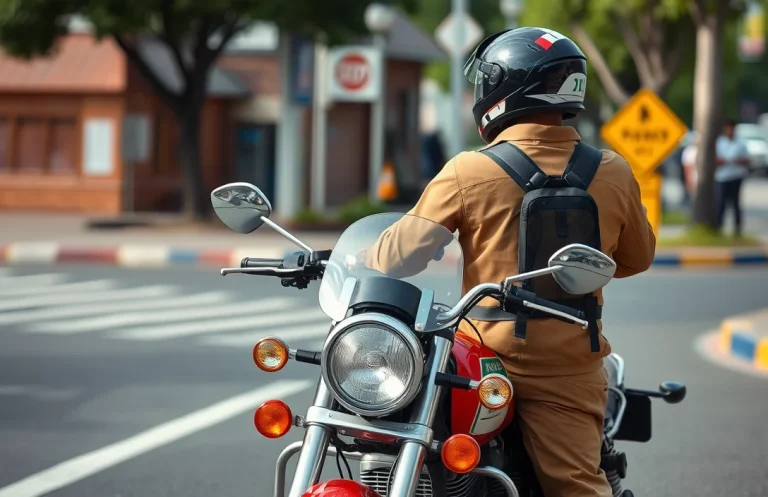
Have you ever noticed bikers tapping their helmets as they pass by a police officer? This simple gesture might seem puzzling at first, but it holds significance in the motorcycling community. Understanding this tradition can help you feel more connected to the biker culture.
The helmet tap is primarily a sign of respect and a warning among riders. It serves to acknowledge law enforcement and remind fellow bikers to stay alert and compliant while riding in the presence of police.
Helmet Tapping Explained
Helmet tapping is a simple yet significant gesture within biker culture, particularly when it comes to interactions with law enforcement. This action involves a rider lightly tapping their helmet with a hand as a way of signaling awareness and caution to fellow bikers. It’s an unspoken communication method that fosters camaraderie and shared understanding among motorcyclists.
When a biker sees a police officer while riding, tapping the helmet serves a dual purpose. Firstly, it alerts other riders in the vicinity to the presence of law enforcement, encouraging them to stay vigilant and adhere to traffic laws. Secondly, it can create a sense of solidarity, reinforcing the idea that bikers look out for one another on the road. This gesture encapsulates the essence of biker etiquette, emphasizing the importance of community and mutual respect among riders.
Origins of the Gesture
The gesture of tapping a helmet originated as a practical signal among motorcyclists, particularly in the mid-20th century. It served as a discreet method for riders to alert one another of potential dangers or the presence of law enforcement. As motorcycling culture evolved, this gesture became more than just a safety signal; it transformed into a symbol of camaraderie and mutual respect among bikers.
Initially, tapping the helmet functioned as a way to warn fellow riders about speed traps or police checkpoints. It was an efficient way to communicate without the need for verbal exchanges, which could draw unwanted attention. Over time, this simple act grew in significance, fostering a sense of unity within the biking community. Riders began to recognize the gesture as an unspoken code, reinforcing the bond between those who share the open road.
As the gesture spread, it became synonymous with the rebellious spirit of motorcycling. Bikers embraced this form of communication, using it to express solidarity and awareness. This historical context highlights how tapping the helmet has evolved from a practical warning into a cherished tradition that embodies the values of respect and community among riders.
Symbolic Meaning
The gesture of tapping a helmet when encountering law enforcement holds significant meaning within the biking community. It serves as a form of communication that transcends words, conveying respect and camaraderie among bikers while also acknowledging the presence of police officers on the road.
For bikers, this simple act symbolizes awareness and vigilance. It is a reminder to fellow riders to remain alert and cautious, especially when law enforcement is nearby. The gesture fosters a sense of unity among bikers, reinforcing the idea that they look out for one another. By tapping their helmets, riders signal that they are part of a community that values safety and mutual respect.
From the perspective of law enforcement, the helmet tap can be seen as an acknowledgment of their role in maintaining order on the roads. It reflects a level of understanding and respect that can help bridge the gap between bikers and police, promoting a more positive relationship. This gesture indicates that bikers are aware of their surroundings and are taking responsibility for their actions, which can lead to more favorable interactions with officers.
When to Tap Your Helmet
Tapping your helmet serves as a vital non-verbal communication method among bikers, particularly when encountering law enforcement. Understanding when to perform this gesture helps you navigate interactions smoothly and fosters camaraderie within the riding community.
Here are specific situations when tapping your helmet is appropriate:
- When approaching a police officer: If you see a cop ahead, a quick tap can alert fellow riders behind you to the presence of law enforcement.
- When passing other bikers: If you spot a police officer while riding and you want to inform others, tapping your helmet can signal them to be cautious.
- In a group ride: If you are leading or part of a group ride, tapping your helmet can keep everyone informed about law enforcement presence, promoting safety and awareness.
- During road stops: If stopped at a light or in traffic and you notice a cop, tapping your helmet can serve as a heads-up to those around you, helping maintain a safe riding environment.
Being mindful of these situations ensures you contribute positively to the biker culture and helps foster respect between riders and law enforcement.
How to Tap Correctly
Understanding the proper technique for tapping your helmet is essential for showing respect and maintaining camaraderie within the biking community. This gesture not only communicates awareness of law enforcement but also reinforces a bond among riders. Here’s how to execute it effectively.
Begin by ensuring that you’re aware of your surroundings. When you spot a police officer, the tap should be performed in a manner that is both visible and respectful. Use the palm of your hand to gently tap the top of your helmet. Aim for a light touch; a firm tap can come off as aggressive or overly dramatic. It’s meant to signal, not to draw undue attention.
The direction of your tap can also be telling. If you’re riding with a group, consider tapping your helmet toward the oncoming officer, then pointing up toward the sky as a way to communicate with fellow bikers. This gesture can help alert others while showing the officer that you are aware of their presence.
Practice this movement so it feels natural. Timeliness is key; the sooner you react, the better the communication. Remember, this simple gesture can help maintain the spirit of mutual respect and understanding in the biking community.
Biker Reactions to Law Enforcement
While tapping a helmet is a well-known gesture among bikers when they encounter law enforcement, there are other ways riders respond to the presence of police. Understanding these reactions can help you navigate interactions with officers more effectively and assimilate into the biker community.
- Slow Down: Many bikers instinctively reduce their speed as they approach a police vehicle. This shows respect for the law and may help avoid drawing unnecessary attention.
- Wave or Nod: A friendly wave or nod can signify camaraderie and respect. This gesture is often exchanged among riders and can extend to include law enforcement, provided it’s done respectfully.
- Maintain Distance: Some riders prefer to keep a safe distance from police vehicles to avoid any potential misunderstandings or scrutiny. This is a practical approach that promotes safety and awareness.
- Stay Calm: Remaining composed is crucial when passing law enforcement. An anxious demeanor can raise suspicion. Confidence and calmness go a long way in these situations.
- Use Hand Signals: Different hand signals may be used among riders to indicate the presence of police. These signals can alert fellow bikers to slow down or prepare for a stop.
Recognizing and practicing these responses will enhance your interactions with law enforcement and help you feel more integrated into the biking community.
Comparative Gestures Among Riders
Understanding biker gestures is essential for fitting into the motorcycle community. Besides tapping a helmet when encountering law enforcement, bikers employ various gestures to communicate with one another on the road. Each gesture carries its own significance and helps foster camaraderie among riders.
One common gesture is the wave, often executed with a low hand, which serves as a friendly acknowledgment between riders. This simple act reinforces the shared experience of being on two wheels. Another gesture is the “biker salute,” where riders raise their left hand, often to show respect or solidarity, especially within a group.
Riders may also use specific head nods to signal intentions, such as a nod to indicate a turn or a stop, enhancing safety and communication. These gestures create a language of their own, allowing bikers to connect without needing words.
By understanding and practicing these gestures, novice riders can better integrate into the biking culture, foster friendships, and enjoy a sense of belonging within the community. Engaging in these simple yet meaningful interactions is part of what makes riding a motorcycle such a unique and fulfilling experience.
Quick Summary
- Tapping the helmet is a common gesture among bikers to acknowledge fellow riders.
- The gesture serves as a warning to alert other bikers about the presence of law enforcement.
- It fosters a sense of community and camaraderie among motorcyclists.
- The practice is rooted in safety culture, promoting awareness on the road.
- Not all bikers may be familiar with the gesture, as it varies by region and group.
- It can also be seen as a sign of respect for the police presence.
- The tap may have originated from a need for discreet communication while riding.
Frequently Asked Questions
Why do bikers tap their helmet when they see a cop?
Bikers tap their helmets as a signal to acknowledge the presence of law enforcement. It’s a way of showing respect and awareness, and it often serves as a heads-up to fellow riders about potential police activity ahead.
Is tapping the helmet a common practice among all bikers?
While tapping the helmet is a well-known gesture in many biking communities, not all riders may practice it. The tradition can vary by region and among different motorcycle groups, but many riders recognize its significance.
What does it mean if a biker doesn’t tap their helmet?
If a biker doesn’t tap their helmet, it doesn’t necessarily mean anything negative. They may not be aware of the custom, or they could be focused on the road. It’s always best not to take it personally.
Are there other signals bikers use to communicate with each other?
Yes, bikers use various hand signals and gestures to communicate. For example, raising a hand can indicate a turn or a stop, while a wave can be a friendly greeting to fellow riders.
How can I learn more about biker culture and etiquette?
The best way to learn about biker culture is to engage with the community. Join local riding groups, attend events, and ask experienced riders about customs and etiquette to gain insight and build connections.

- Top 10 Best Helmet For A Running Back 2026 - September 16, 2026
- Best Bug Remover For Car Wash 2026 - September 16, 2026
- Best Bug And Bird Poop Remover For Cars 2026 - September 15, 2026