10 Types of Car Engine Belts Explained (Functions, Signs & Replacement Guide)

A car engine belt is any rubber drive belt that transfers power from the crankshaft to the parts that keep an engine running — things like the alternator, water pump, power steering pump, and air conditioning compressor. Depending on the vehicle, you’ll find one or more of several types of engine belts under the hood: the serpentine belt, timing belt, V-belt, and a handful of task-specific belts such as the alternator belt and water pump belt. Knowing the engine belt names, what each one does, and how long it lasts helps you catch problems early — because a worn or broken belt can cause overheating, battery failure, steering problems, or serious engine damage.
Engine Belt Names at a Glance
If you just need the short answer — here are the main types of car engine belts, what each one is called, and what it does, in one place.
| Belt Name | What It Does | Typical Lifespan |
|---|---|---|
| Serpentine Belt | Powers the alternator, power steering pump, A/C compressor, and water pump with one continuous belt | 60,000–100,000 miles |
| Timing Belt | Synchronizes the crankshaft and camshaft so valves and pistons move in time | 90,000–110,000 miles |
| V-Belt (Fan Belt) | Drives a single accessory, such as the fan, alternator, or water pump, on older vehicles | Varies; inspect regularly |
| Drive Belt | General term for any belt (serpentine or V-belt) that transfers rotational power to accessories | Varies by type |
| Alternator Belt | Turns the alternator to keep the battery charged | Same as serpentine/V-belt it’s part of |
| Power Steering Belt | Drives the hydraulic power steering pump | Same as serpentine/V-belt it’s part of |
| Air Conditioning Belt | Drives the A/C compressor to produce cold air | Same as serpentine/V-belt it’s part of |
| Water Pump Belt | Drives the water pump to circulate coolant | Often replaced with the timing belt |
| Supercharger Belt | Drives the supercharger on performance engines | Shorter, due to high stress |
| Cogged Belt | A grooved belt design used for better flexibility and heat resistance | Longer than standard flat belts |
Most modern cars only have two belts under the hood — a serpentine belt and, if the engine uses one, a timing belt. Alternator, power steering, A/C, and water pump belts aren’t usually separate physical belts on newer vehicles; they’re accessories that the serpentine belt drives. The sections below cover each type in detail.
1. Serpentine Belt
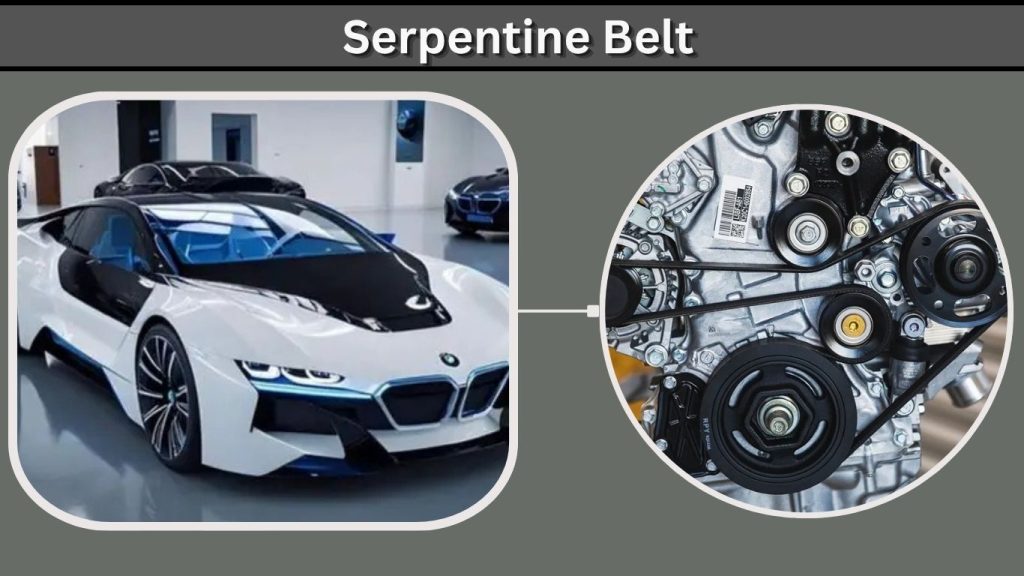
The serpentine belt is one of the most important external engine components in modern vehicles. It plays a central role in powering multiple accessories at the same time, ensuring smooth engine operation and proper functioning of essential systems. Because it connects several key parts together, a failure in this belt can quickly affect the entire vehicle performance.
What Is a Serpentine Belt?
A serpentine belt is a long, continuous rubber belt that wraps around several pulleys in the engine. Unlike older systems that used multiple separate belts, this single belt design improves efficiency and reduces engine complexity. It is commonly found in most modern cars and is designed to handle high-speed rotation and constant engine heat.
The serpentine belt is responsible for transferring engine power to multiple important components. It drives the alternator (for battery charging), power steering pump (for easier steering), water pump (for engine cooling), and air conditioning compressor (for cabin cooling).
If this belt fails, several systems may stop working at the same time, leading to engine overheating, loss of steering support, and electrical issues. That is why it is considered a critical part of the vehicle system.
Lifespan and Maintenance
Most serpentine belts last between 60,000 and 100,000 miles depending on driving conditions, heat exposure, and maintenance habits. Regular inspection is important to detect early signs of wear before serious damage occurs.
Checking belt tension, alignment, and surface condition helps maintain smooth performance. Replacing the belt at the recommended interval prevents unexpected breakdowns and ensures reliable engine operation.
Signs of a Bad Serpentine Belt
- Squealing or chirping noise during startup
- Visible cracks, fraying, or glazing on the belt surface
- Weak air conditioning performance
- Heavy or stiff steering wheel
- Battery warning light appearing on dashboard
2. Timing Belt
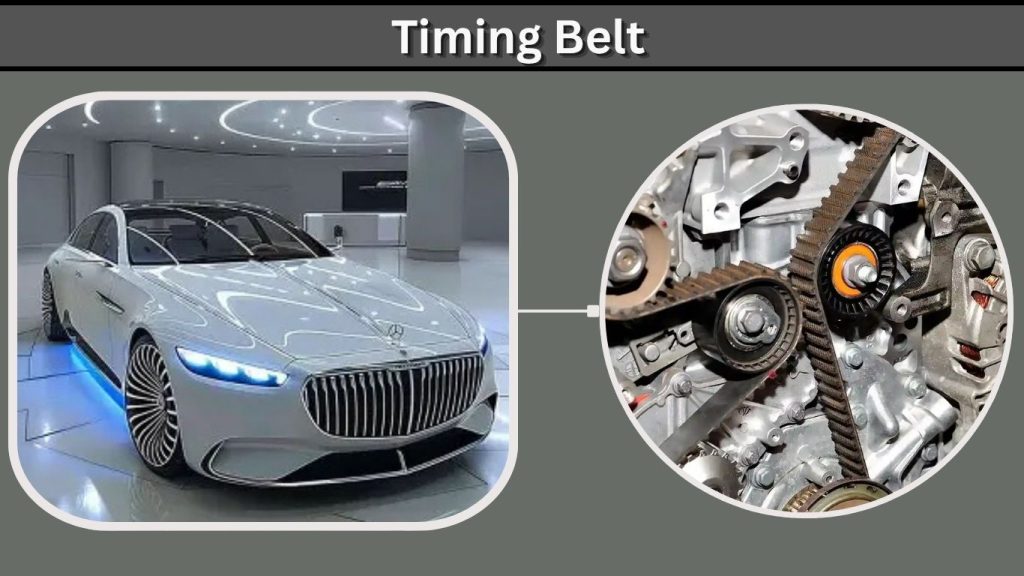
The timing belt is a highly critical internal engine component that controls the precise movement of engine parts. It ensures that the engine’s valves and pistons operate in perfect synchronization. Even a small failure in this belt can cause serious engine damage, making it one of the most important maintenance items in a vehicle.
What Is a Timing Belt?
A timing belt is a toothed rubber belt located inside the engine. It connects the crankshaft and camshaft, ensuring that the engine valves open and close at the correct time during combustion cycles. This precise timing is essential for smooth engine performance and fuel efficiency.
Unlike external belts, the timing belt operates inside a sealed engine area and is not easily visible without disassembly.
Why Timing Belts Are Important
The timing belt ensures that all internal engine movements are perfectly synchronized. If the belt breaks or slips, the engine timing becomes incorrect, which can cause engine misfires or even complete engine failure in some cases.
In interference engines, a broken timing belt can lead to serious internal damage, including bent valves and damaged pistons, which can be very expensive to repair.
Replacement Importance
Timing belts typically need replacement between 90,000 and 110,000 miles, depending on manufacturer recommendations. Many mechanics also recommend replacing the water pump, tensioners, and pulleys at the same time to avoid future issues.
Regular replacement helps prevent sudden engine failure and ensures long-term engine reliability.
Common Warning Signs
- Engine misfiring or irregular running
- Ticking or clicking noises from engine area
- Difficulty starting or engine not starting
- Oil leaks near timing belt cover
- Poor engine performance or vibration
3. V-Belt (Fan Belt)
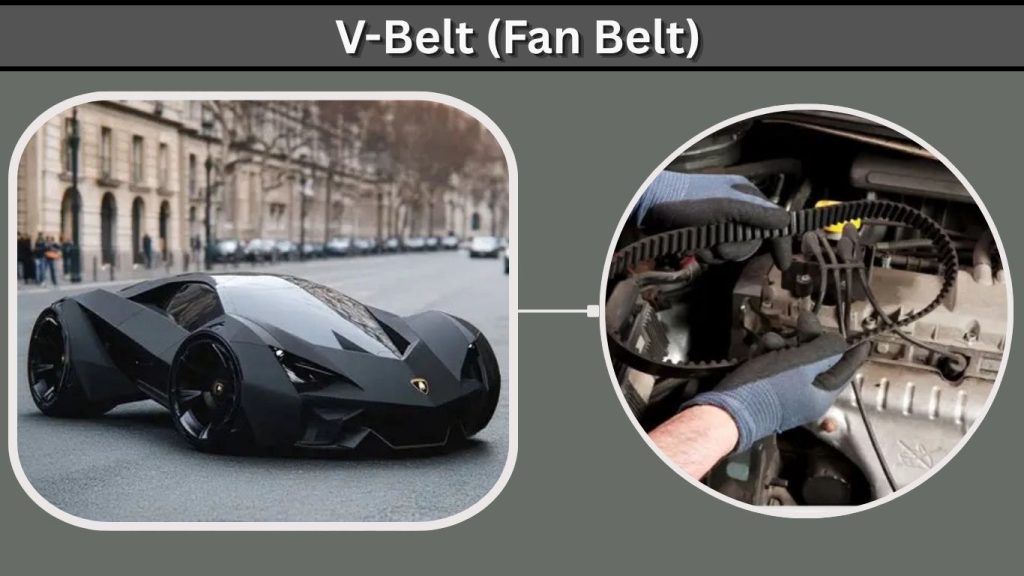
The V-belt is one of the older but still widely used engine belt systems in certain vehicles and machinery. It plays an important role in transferring engine power to individual components. Although modern cars mostly use serpentine belts, V-belts are still found in older vehicles and some heavy-duty applications.
3.1 What Is a V-Belt?
A V-belt is a rubber belt with a V-shaped cross-section designed to grip pulley grooves tightly. It is used to transfer power from the engine crankshaft to specific accessories like the alternator, cooling fan, or water pump.
Each accessory may have its own separate V-belt in older engine designs.
3.2 Where V-Belts Are Used
V-belts are commonly used in older cars and some industrial engines. They are responsible for powering individual components such as cooling fans, alternators, and water pumps.
Because each system often has a separate belt, maintenance and adjustment are more frequent compared to modern belt systems.
3.3 Durability and Wear
V-belts require proper tension to work effectively. If they are too loose, they may slip and reduce performance. If too tight, they can damage bearings and pulleys. Over time, heat and friction can cause cracks, stretching, or wear.
Regular inspection and adjustment are necessary to ensure proper performance and prevent sudden failure.
3.4 Key Features
- V-shaped design for strong grip
- Drives individual engine components
- Common in older vehicles and machinery
- Requires manual tension adjustment
- Low replacement cost and simple design
4. Drive Belt
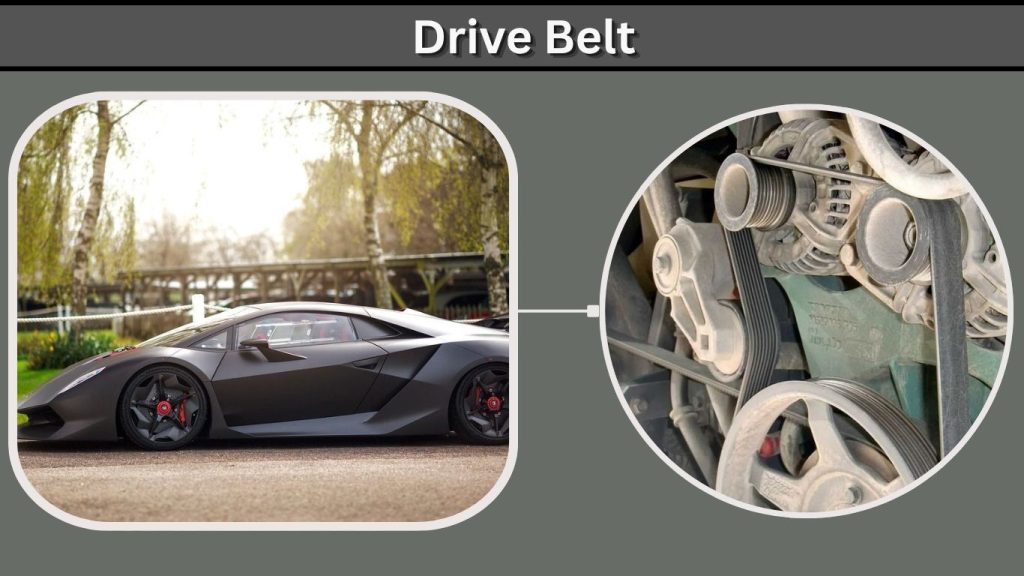
Drive belts are essential components that transfer engine power to various accessories. They ensure that multiple systems inside a vehicle operate smoothly and efficiently. Modern vehicles rely heavily on drive belts for proper engine performance, comfort systems, and electrical support.
What Is a Drive Belt?
A drive belt is a general term used for any belt that transfers rotational power from the engine to external components. It is designed to handle continuous motion and high engine loads while maintaining smooth performance.
Drive belts are a key part of modern engine systems and are used in both serpentine and V-belt configurations.
Components Powered by Drive Belts
Drive belts operate several important vehicle systems, including the alternator (charging system), water pump (cooling system), power steering pump, and air conditioning compressor.
By powering these components, the drive belt ensures comfort, safety, and engine stability during driving.
Importance of Proper Belt Tension
Correct belt tension is crucial for efficient performance. If the belt is too loose, it may slip and reduce power transfer. If too tight, it can increase wear on engine bearings and reduce belt lifespan.
Proper tension ensures smooth operation, reduces noise, and improves the durability of engine components.
4.4 Signs of Wear
- Squeaking or slipping sounds
- Weak electrical charging performance
- Engine overheating issues
- Cracks or worn belt surface
- Unusual vibrations during engine operation
5. Alternator Belt
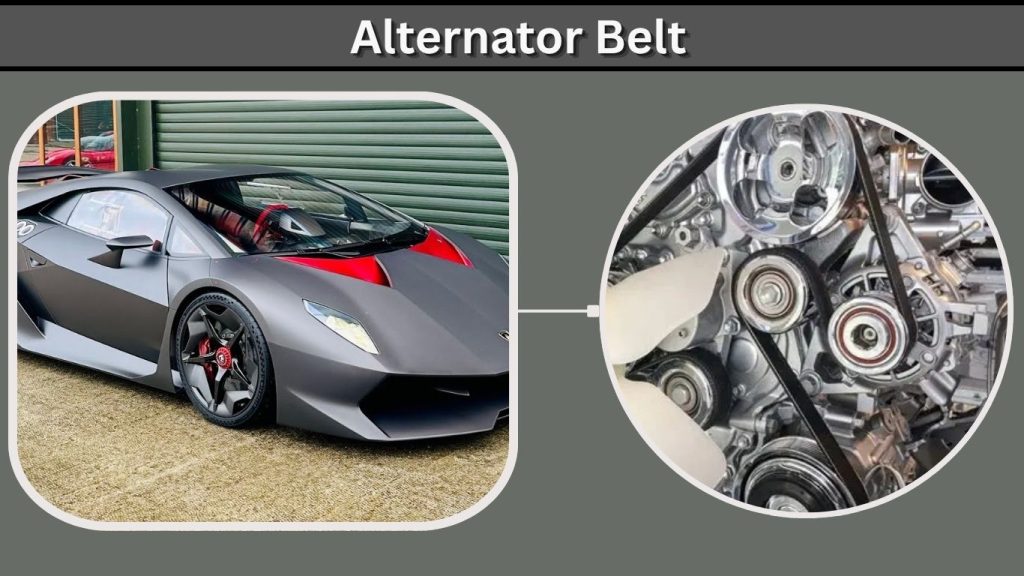
The alternator belt is a vital part of a vehicle’s electrical system. It is responsible for keeping the battery charged and ensuring that all electrical components function properly while the engine is running. Without it, the vehicle cannot maintain electrical power for long.
What Is an Alternator Belt?
An alternator belt is a drive belt that connects the engine to the alternator. Its main function is to rotate the alternator so it can generate electricity for the vehicle. This electricity powers lights, dashboard systems, ignition, and other electrical components.
Why It Matters
The alternator belt is essential because it keeps the battery charged while driving. If it fails, the alternator stops working, and the battery begins to drain. Eventually, the vehicle will lose electrical power and stop running completely.
Maintenance Tips
Regular inspection helps prevent sudden breakdowns. Checking belt condition, tension, and alignment ensures proper performance. Replacing the belt before it wears out fully helps avoid charging system failure and electrical problems.
Important Symptoms
- Battery warning light on dashboard
- Dim or flickering headlights
- Weak battery performance
- Squealing noise from engine area
- Electrical system instability or failure
6. Power Steering Belt
Power steering belts are essential components that help make steering easier, smoother, and more comfortable for the driver. They play a direct role in powering the hydraulic steering system, which reduces the effort needed to turn the steering wheel. This becomes especially important during low-speed driving, parking, and tight turns in city traffic.
6.1 Power Steering Belt Overview
The power steering belt connects the engine to the hydraulic power steering pump. When the engine runs, the belt transfers motion to the pump, which generates hydraulic pressure. This pressure assists the driver by reducing the physical effort needed to turn the wheels.
In older vehicles, this belt is often a separate V-belt, while in modern cars, it is usually integrated into a serpentine belt system. A properly functioning belt ensures smooth and responsive steering control.
6.2 Steering Performance Impact
If the power steering belt becomes loose, worn, or damaged, the steering system can become noticeably heavy. This issue is most visible during slow driving, parking, or sharp turns.
A failing belt can also reduce steering accuracy and responsiveness, making driving more difficult and less safe. In severe cases, the steering may feel stiff or inconsistent, especially at low speeds.
6.3 Maintenance Importance
Regular inspection of the power steering belt is important for safe driving. Checking belt tension, alignment, and surface condition helps ensure smooth steering performance.
Timely maintenance prevents sudden steering failure, reduces wear on the steering pump, and improves overall driving comfort and safety.
6.4 Key Warning Signs
- Steering wheel becomes hard to turn
- Squealing noise while turning the wheel
- Fluid leaks near the steering pump
- Visible cracks or looseness in the belt
- Steering vibration or uneven response
7. Air Conditioning Belt
Air conditioning belts play an important role in maintaining cabin comfort by powering the A/C system. This belt ensures that the air conditioning compressor operates correctly, allowing the vehicle to produce cool air. In hot climates, a properly working A/C belt is essential for a comfortable driving experience.
7.1 What Does the A/C Belt Do?
The air conditioning belt drives the A/C compressor, which is responsible for compressing and circulating refrigerant gas. This process allows the system to cool the air before it enters the vehicle cabin.
Without this belt, the compressor cannot function, and the air conditioning system will fail to produce cold air. It is usually connected to the engine’s crankshaft via a pulley system.
7.2 Cooling System Importance
A properly functioning A/C belt ensures that the cooling system operates efficiently, especially during hot weather conditions. It helps maintain a comfortable cabin temperature for both drivers and passengers.
This is particularly important in countries with hot climates, where air conditioning is used frequently during daily driving.
7.3 Belt Failure Effects
If the air conditioning belt fails or breaks, the A/C compressor stops working immediately. This results in a complete loss of cooling inside the vehicle.
In addition to comfort issues, prolonged belt failure can also lead to strain on other engine components if not addressed quickly.
7.4 Common Problems
- Weak or no cooling from A/C system
- Loud squealing noise from engine area
- A/C compressor not engaging
- Visible cracks or wear on belt surface
- Burning rubber smell near engine
8. Water Pump Belt
The water pump belt is a crucial part of the engine cooling system. It ensures proper circulation of coolant throughout the engine, helping maintain a stable operating temperature. Without this belt, the engine can quickly overheat, leading to serious damage.
8.1 What Is a Water Pump Belt?
The water pump belt connects the engine to the water pump. When the engine runs, the belt drives the water pump, which circulates coolant through the engine and radiator system.
This continuous coolant flow helps regulate engine temperature and prevents overheating during operation.
8.2 Role in Engine Cooling
The water pump belt plays a direct role in preventing engine overheating. By keeping coolant moving through the system, it ensures that heat is properly absorbed and released.
If the belt fails, coolant circulation stops, and the engine temperature can rise rapidly, potentially causing severe engine damage.
8.3 Replacement Recommendations
Many mechanics recommend replacing the water pump along with the belt during major service intervals. This is because both components often wear out at similar rates.
Replacing them together helps avoid future breakdowns and ensures long-term cooling system reliability.
8.4 Warning Symptoms
- Engine temperature rising unusually high
- Coolant leakage under the vehicle
- Overheating warning on dashboard
- Steam coming from engine area
- Squeaking or slipping belt noise
9. Supercharger Belt
Supercharger belts are performance-focused components used in high-power engines. They play a key role in boosting engine performance by driving the supercharger system, which forces more air into the engine. This results in improved power output and faster acceleration.
9.1 What Is a Supercharger Belt?
A supercharger belt is a specialized drive belt that powers the supercharger unit. The supercharger compresses incoming air and sends it into the engine, allowing more fuel combustion and increased power production.
These belts are commonly found in performance cars and modified engines designed for high output.
9.2 Performance Benefits
The supercharger belt directly contributes to increased horsepower, improved torque, and faster throttle response. By delivering more air into the engine, it enhances combustion efficiency and overall engine performance.
This makes vehicles equipped with superchargers significantly faster and more responsive compared to standard engines.
9.3 High-Stress Operation
Supercharger belts operate under much higher stress than standard accessory belts. Because they handle increased power loads, they are exposed to more heat, tension, and friction.
As a result, these belts may wear out faster and require more frequent inspection and maintenance, especially in high-performance driving conditions.
9.4 Main Features
- Supports forced induction engine systems
- Increases horsepower and acceleration
- Designed for high-performance applications
- Requires precise belt tension control
- Common in sports and performance vehicles
10. Cogged Belt
Cogged belts are advanced types of drive belts designed with grooves or notches on the inner surface. These special designs improve flexibility and heat resistance, making them more efficient than traditional flat belts. They are widely used in modern engines and industrial systems for better performance and durability.
10.1 What Is a Cogged Belt?
A cogged belt is a type of drive belt that features small cuts or grooves along its inner surface. These grooves allow the belt to bend more easily around pulleys while reducing heat buildup during operation.
This design improves performance, especially in high-speed engine systems where flexibility and efficiency are important.
10.2 Efficiency Advantages
Cogged belts provide better grip and smoother operation compared to standard belts. Their flexible structure allows them to run more efficiently over pulleys, reducing energy loss.
This improved efficiency helps reduce strain on engine components and enhances overall system performance.
10.3 Durability Benefits
The design of cogged belts helps reduce stress and cracking over time. By lowering heat buildup and improving flexibility, these belts tend to last longer under normal operating conditions.
They are especially useful in applications where belts are exposed to continuous movement and high load.
10.4 Important Characteristics
- Flexible grooved belt design
- Improved heat resistance during operation
- Better grip on pulleys for efficiency
- Reduced risk of slipping
- Longer lifespan compared to standard belts
Signs Your Car Engine Belt Needs Replacement
Engine belts are small but extremely important parts of a vehicle’s system. They control essential functions like charging the battery, cooling the engine, and operating air conditioning. When these belts start wearing out, your car usually shows clear warning signs. Ignoring these symptoms can lead to serious breakdowns or expensive repairs.
Squealing Noises
One of the first and most common signs of a failing engine belt is a loud squealing or chirping sound. This noise usually happens during engine startup, acceleration, or when turning the steering wheel. It often indicates that the belt is loose, slipping, or worn out.
If the sound becomes frequent or louder over time, it means the belt is losing grip on the pulleys and may need immediate replacement.
Visible Belt Damage
Physical inspection can reveal clear signs of belt wear. Cracks on the rubber surface, frayed edges, or a shiny glazed appearance indicate that the belt is deteriorating. In some cases, parts of the belt ribs may also go missing.
These visible damages suggest that the belt is no longer strong enough to operate efficiently and should be replaced before it breaks completely.
Warning Lights on Dashboard
Modern vehicles often alert drivers through dashboard warning lights when engine belt-related systems fail. The battery warning light may appear if the alternator is not being driven properly. Similarly, the temperature warning light may indicate cooling system issues caused by a failing belt.
These warning signals should never be ignored, as they often point to serious mechanical problems.
Common Symptoms
- Weak or inefficient air conditioning performance
- Heavier or stiff steering wheel movement
- Engine overheating issues
- Battery charging problems or electrical failure
- Reduced engine performance or irregular operation
Engine Belt Maintenance Tips
Proper maintenance of engine belts is essential for ensuring smooth vehicle performance and preventing unexpected breakdowns. Regular inspection and timely replacement help extend engine life and improve driving safety. Following manufacturer recommendations can significantly reduce repair costs and improve overall reliability.
Regular Inspection Schedule
Experts recommend checking engine belts every 10,000 to 15,000 miles or during routine servicing. Regular inspections help identify early signs of wear such as cracks, looseness, or misalignment.
By checking belts frequently, drivers can prevent sudden failures and ensure all engine systems continue working smoothly.
Replace Belts on Time
Each type of engine belt has a specific lifespan. Serpentine belts typically last between 60,000 and 100,000 miles depending on driving conditions. Timing belts usually last longer, around 90,000 to 110,000 miles, but must be replaced on schedule.
Replacing belts at the right time prevents unexpected breakdowns and avoids costly engine damage.
Replace Related Components
When replacing engine belts, it is often recommended to replace related parts such as tensioners, pulleys, and water pumps at the same time. These components work closely with the belt and often wear out together.
Replacing them together improves reliability, reduces labor costs, and helps prevent future mechanical failures.
Maintenance Checklist
- Inspect belts for cracks, fraying, or wear
- Listen for unusual squealing or slipping noises
- Check proper belt tension regularly
- Replace worn or damaged pulleys and tensioners
- Follow manufacturer-recommended service intervals
Frequently Asked Questions About Car Engine Belts
What is the belt called on a car?
On most modern cars, the main external belt is called the serpentine belt. Some vehicles also have a timing belt located inside the engine. Older cars may use separate V-belts for individual accessories instead of one serpentine belt.
How many belts does a car engine have?
Most modern cars have one or two belts: a serpentine belt that runs the alternator, power steering pump, A/C compressor, and water pump, and, on many engines, a separate timing belt (or timing chain, which doesn’t need replacement). Older vehicles may have several individual V-belts instead.
Which belt in a car is the most important?
The timing belt is generally considered the most critical, since a failure can cause severe internal engine damage on interference engines. The serpentine belt is a close second, because its failure knocks out the alternator, power steering, water pump, and A/C at the same time.
What do the different colors of automotive engine belts mean?
Belt color mostly reflects the rubber compound and manufacturer rather than a universal coding system. Black is standard EPDM rubber used on most serpentine and V-belts; some manufacturers use colored stripes or backing (such as red or blue) simply as a brand marker. Always check the belt’s part number rather than its color to confirm the correct replacement.
Can I drive with a worn or squealing engine belt?
Short trips may be possible, but it isn’t recommended. A worn belt can snap without much warning, which can leave you without power steering, charging, or engine cooling depending on which belt fails. Have it inspected and replaced as soon as you notice noise, cracking, or fraying.
Conclusion
Car engine belts play a vital role in keeping a vehicle running safely and efficiently. From powering the alternator and air conditioning system to synchronizing internal engine parts, every belt has an important function. Regular inspections, timely replacements, and proper maintenance can help prevent breakdowns, overheating, and expensive engine repairs. Understanding the different types of engine belts and their names allows drivers to maintain better vehicle performance and reliability for the long term.

- 10 Best Jack For F350 Review (October 2026) - October 12, 2026
- 10 Best Jack For F250 Review (October 2026) - October 12, 2026
- 10 Best Jack For F150 Review (October 2026) - October 12, 2026