Why Road Bike Helmets Lack Visors: Key Design Insights

Have you ever wondered why road bike helmets lack visors? This design choice has practical implications that influence safety, performance, and comfort. Understanding the reasoning behind it can enhance your cycling experience and help you choose the right gear for your rides.
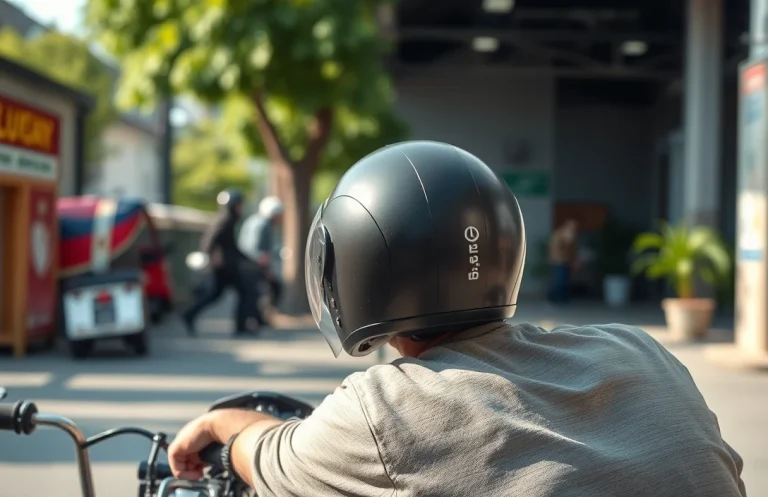
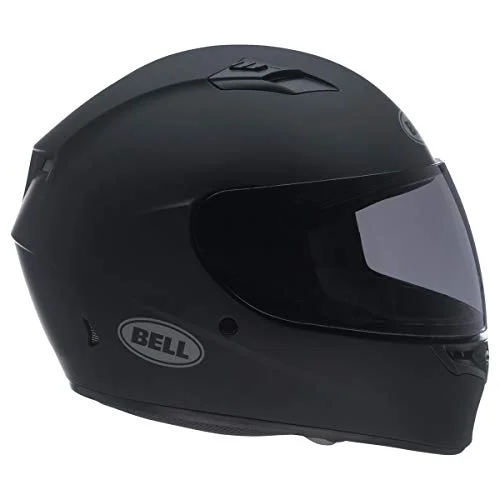
Road bike helmets typically do not have visors due to weight reduction, improved aerodynamics, and enhanced visibility. Cyclists prefer unobstructed views, especially at high speeds, making visors less practical for their riding style. The focus is on performance and safety.
Understanding the Basics
Road bike helmets are designed with specific features that enhance performance and safety. One notable characteristic is the absence of a visor. This section explores the reasons behind this design choice, focusing on safety, aerodynamics, and rider visibility.
Safety is a primary concern for helmet manufacturers. Visors can obstruct the rider’s peripheral vision, which is crucial for being aware of surroundings, especially in high-speed situations. Enhanced visibility allows cyclists to react quickly to obstacles or other road users. Additionally, in the event of a crash, a visor can become a liability, potentially causing injury or hindering the helmet’s overall effectiveness.
Aerodynamics also plays a significant role in helmet design. Road cycling emphasizes speed, and visors can create drag, slowing down the cyclist. Manufacturers aim to create helmets that minimize air resistance, allowing for a smoother ride. This design philosophy prioritizes streamlined shapes that enhance airflow over the helmet, improving performance.
Finally, many road cyclists prefer wearing sunglasses to protect their eyes from sun glare and debris. Sunglasses offer a customizable fit and can be easily removed or swapped, providing flexibility that a fixed visor cannot. This combination of factors explains why road bike helmets do not typically feature visors.
Key Concepts and Fundamentals
This section examines the specific reasons why road bike helmets are designed without visors. Understanding these principles helps clarify the functional aspects of road cycling helmets and their focus on performance, safety, and rider convenience. The absence of a visor is not simply a design choice; it is rooted in practical considerations that enhance the cycling experience.
One primary reason road bike helmets lack visors is their aerodynamic design. Cyclists prioritize minimizing drag, and a visor can disrupt airflow, creating resistance that impedes speed. Road cycling involves high-speed travel, where even minor aerodynamic advantages can significantly impact performance. Additionally, visors can obstruct the cyclist’s vision, particularly when looking down at the road or navigating turns, which is crucial for safety at higher speeds.
Another factor is the weight and bulkiness that a visor adds. Road bike helmets are engineered to be lightweight, ensuring comfort and reducing fatigue during long rides. The absence of a visor contributes to a streamlined structure, allowing for better ventilation and airflow, which is essential for regulating body temperature during intense physical exertion.
Lastly, road cyclists often wear sunglasses for eye protection from sun glare, debris, and wind. This combination of eyewear and helmet provides adequate protection without compromising visibility or performance, reinforcing the practicality of visorless designs in road cycling helmets.
How It Works
Understanding the design choices behind road bike helmets reveals why they lack visors. Road biking emphasizes aerodynamics and weight reduction, both critical for performance. Visors, while providing shade, can add unnecessary bulk and compromise airflow, which is vital for cooling during intense rides.
Road bike helmets are engineered to maximize speed and minimize drag. A visor would disrupt the streamlined shape, leading to increased wind resistance. Additionally, riders often adopt various positions on the bike, altering the angle at which they view the road. This variability makes a fixed visor impractical, as it could obstruct the rider’s line of sight or create glare under different lighting conditions.
Moreover, road cyclists typically wear sunglasses for eye protection. This combination allows for better visibility and adaptability to changing weather without the drawbacks of a visor. The importance of ventilation cannot be overlooked either; road bike helmets feature numerous vents to keep the rider cool, which a visor could impede. Overall, the absence of a visor in road bike helmets is a deliberate choice rooted in performance optimization and rider safety.
Benefits and Advantages
The absence of a visor on road bike helmets offers several key benefits that enhance a cyclist’s performance and safety. Primarily, these helmets are designed to be aerodynamic, which is crucial for minimizing drag during high-speed riding. Without a visor, the helmet maintains a streamlined shape that allows air to flow smoothly over the rider’s head.
Additionally, road bike helmets prioritize ventilation. The absence of a visor allows for increased airflow, helping to regulate temperature and keep the rider cool during long rides. This is especially important in competitive environments where overheating can significantly impair performance.
Another advantage is improved visibility. Cyclists benefit from an unobstructed view of the road ahead, allowing for better awareness of surroundings and potential hazards. This is essential for safety, particularly in urban environments where quick reactions are necessary.
Finally, visors can add extra weight and complexity to helmets. Road bike helmets are designed to be lightweight, further enhancing comfort and reducing fatigue during extended rides. The focus on simplicity in design helps cyclists maintain endurance and focus on their performance.
Practical Applications
Understanding why road bike helmets lack visors can inform your equipment choices and enhance your cycling experience. Road cyclists prioritize aerodynamics, visibility, and comfort, all of which are influenced by helmet design. This section provides practical insights into how these factors affect your ride.
Road bike helmets are designed for minimal wind resistance, allowing cyclists to achieve higher speeds. Visors can create drag, which counteracts the aerodynamic benefits that these helmets strive for. Additionally, the absence of a visor ensures that the helmet remains lightweight, making it easier for cyclists to maintain speed over long distances.
Another critical aspect is visibility. Cyclists benefit from an unobstructed field of vision, particularly when navigating through traffic or technical terrain. A visor could limit peripheral vision, increasing the risk of accidents. Furthermore, the lightweight design of these helmets enhances comfort during extended rides, reducing fatigue.
Finally, rain and moisture are managed differently in road cycling. Cyclists often prefer to wear sunglasses for eye protection against UV rays and water, which can be easily adjusted or removed compared to a fixed visor. This flexibility allows for better adaptability to changing weather conditions.
Expert Tips and Best Practices
Understanding the design choices behind road bike helmets can enhance your cycling experience and safety. This section will focus on the reasons why visors are generally absent in road bike helmets, emphasizing functionality and performance considerations.
Road bike helmets prioritize aerodynamics and weight reduction, which directly impacts a cyclist’s speed and endurance. A visor can create drag, slowing down performance. Without it, helmets maintain a smooth profile, allowing air to flow efficiently while cycling at high speeds.
Additionally, road cyclists often ride in varied weather conditions. A visor can obstruct peripheral vision, which is crucial for awareness of surroundings, especially in fast-moving traffic. Riders need to have an unobstructed view to react quickly to obstacles or other cyclists.
Ventilation is another critical factor. Helmets designed without visors typically feature more open designs, promoting better airflow to keep the rider cool during long rides. This ventilation is essential for comfort and performance, especially in warmer climates.
Lastly, many road cyclists prefer wearing sunglasses for eye protection. Sunglasses provide better visibility and protection from the sun, wind, and debris, thus eliminating the need for a visor in the helmet design.
Real-World Examples
Understanding why road bike helmets typically lack visors can be clarified through real-world scenarios. These examples illustrate the practical choices made by cyclists and manufacturers alike, emphasizing safety, comfort, and performance.
Professional road cyclists often opt for helmets without visors during races. This choice is driven by the need for an unobstructed field of vision, which is critical for navigating tight packs of riders at high speeds. The absence of a visor reduces wind resistance, allowing for greater aerodynamics, which is essential in competitive settings.
Casual riders also benefit from visor-free helmets. They offer better ventilation, which keeps the rider cooler during lengthy rides. For instance, a cyclist riding in a sunny area might prefer sunglasses to shield their eyes from sunlight instead of a visor, which can be heavy and obstructive.
Moreover, many helmets are designed with compatibility in mind. Riders can easily wear sunglasses or goggles that fit securely while providing UV protection and wind resistance, enabling them to maintain focus on the road ahead without the added weight or obstruction of a visor.
Getting Started
The design of road bike helmets is primarily focused on safety and performance, which raises the question of why visors are generally absent. Understanding the rationale behind this design choice can help cyclists make informed decisions about their gear.
One significant reason for the lack of visors is aerodynamics. Road cycling often involves high speeds, and any protrusion, like a visor, can create drag, slowing the cyclist down. Manufacturers prioritize a sleek shape to minimize air resistance, thereby enhancing performance.
Another factor is the weight distribution. A visor can add unnecessary weight to the helmet, which can be counterproductive for long-distance riders who seek to maintain an optimal balance between comfort and performance. Lightweight materials are favored to ensure that the helmet does not hinder the rider’s endurance.
Visibility is also crucial. Without a visor, cyclists have an unobstructed field of vision, allowing them to be more aware of their surroundings. This is essential for safety, especially in urban environments or during competitive races where quick reactions are necessary.
Lastly, the preference for sunglasses among many cyclists serves as an alternative to visors. Sunglasses can provide UV protection, reduce glare, and are easily replaceable or adjustable, offering versatility that a fixed visor cannot.
Quick Summary
This section discusses the reasons why road bike helmets typically do not feature visors. The design choices behind these helmets are influenced by various factors including aerodynamics, weight, and visibility. Understanding these aspects helps clarify why riders prioritize certain helmet features over others.
Road cycling emphasizes speed and efficiency, which is why aerodynamics is crucial. A visor can create drag, slowing the cyclist down. Helmets without visors maintain a streamlined shape, allowing air to flow smoothly, which enhances performance. Additionally, road cyclists often adopt aggressive riding positions, where a visor can obstruct vision or become a distraction.
Weight is another consideration. Visors add extra grams to a helmet, which may seem minor, but cyclists are often looking to reduce every possible ounce for optimal performance. Every gram counts when climbing hills or racing against the clock.
Visibility is critical in road cycling. Riders benefit from unobstructed views, especially in varying light conditions. Instead of visors, many cyclists wear sunglasses that can be easily swapped out for different lens tints, providing a customizable solution to sun glare without compromising helmet design.
Frequently Asked Questions
Understanding the absence of visors on road bike helmets is crucial for cyclists aiming for safety and performance. This section explains the reasons behind this design choice and its implications for riders.
Road bike helmets are designed primarily for aerodynamics and ventilation. A visor can create drag, which may reduce speed and overall performance, crucial factors in competitive cycling. Additionally, these helmets prioritize airflow to keep riders cool during long rides. Visors can obstruct airflow, defeating this purpose.
Another reason is visibility. Road cyclists often ride in varying light conditions, and a visor may impede peripheral vision or create shadows that can hinder awareness of surroundings. Safety is paramount, and maintaining an unobstructed field of view is essential for anticipating obstacles or changes in traffic.
Lastly, many road cyclists prefer wearing sunglasses for eye protection against UV rays and debris. Sunglasses provide a tailored fit for individual preferences and can easily be swapped out depending on conditions, making them more versatile than a fixed visor. Overall, the design choices in road bike helmets aim to enhance performance, safety, and comfort for cyclists.
Quick Summary
- Road bike helmets prioritize aerodynamics, and a visor can create drag, reducing speed.
- Visibility is crucial; visors can obstruct the rider’s view, particularly in low-light conditions.
- Ventilation is enhanced without a visor, promoting airflow and cooling during rides.
- Road cyclists often wear sunglasses for eye protection, rendering visors unnecessary.
- Weight reduction is a factor; visors add extra weight, which can be a concern for performance cyclists.
- Helmet designs focus on safety standards, with visors often not meeting these criteria effectively.
- Personal preference plays a role, as many riders prefer the style and functionality of visor-less helmets.
Frequently Asked Questions
Why don’t road bike helmets have a visor?
Road bike helmets typically do not have a visor to reduce weight and improve aerodynamics. A visor can create drag and affect the rider’s speed and performance, which is crucial in competitive cycling.
Are visors useful for other types of cycling?
Yes, visors can be useful for mountain biking or commuting, as they provide shade and help shield the eyes from debris. However, these types of cycling prioritize different factors than road cycling, making visors more practical in those scenarios.
How do road cyclists protect their eyes from the sun?
Road cyclists often wear sunglasses to protect their eyes from UV rays and glare. Sunglasses are lightweight and provide a clear field of vision without compromising aerodynamics.
Do some road bike helmets come with removable visors?
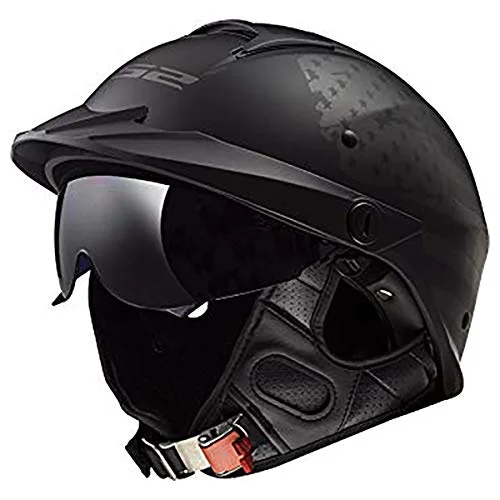
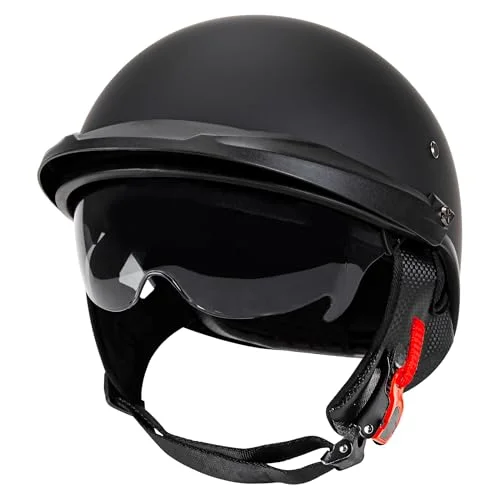
While most road bike helmets do not have visors, some models offer the option of attaching a removable visor. However, these are less common and primarily designed for multi-sport helmets.
What features do road bike helmets prioritize instead of visors?
Road bike helmets prioritize ventilation, weight, and fit to enhance comfort and safety during long rides. These features help maintain a cooler temperature and reduce fatigue, which is essential for performance in road cycling.

- 10 Best Jack For Ford Raptor Review (October 2026) - October 12, 2026
- 10 Best Jack For Ford Ranger Review (October 2026) - October 12, 2026
- 10 Best Jack For F350 Review (October 2026) - October 12, 2026