10 Types of Car Tyre Patches in the UK: Every Driver Needs to Know

A flat tyre is one of the most common problems UK drivers face. Before you replace the whole tyre, know this: most punctures are fixable with the right patch. The type of patch matters. The wrong repair puts lives at risk and can fail your MOT. This guide covers all 10 types of car tyre patches used in the UK, what each one does, and which situations they suit.
10 Types of Car Tyre Patches in the UK
UK repair garages and tyre specialists use different patching methods depending on where the puncture is, how big the hole is, and what type of tyre is being repaired. Understanding each type helps you ask the right questions and avoid being sold a repair that does not last.
1. Combination Plug Patch (Mushroom Patch)
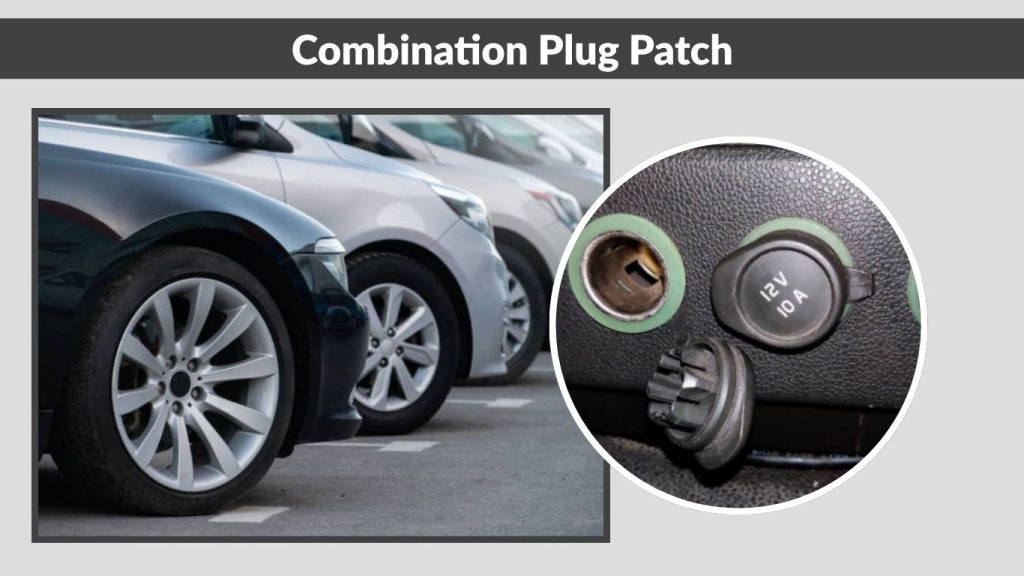
The combination plug patch is the gold standard for tyre repair in the UK. It seals the inner liner with a round patch and fills the puncture channel with a rubber plug stem. The plug stops air escaping through the hole while the patch bonds to the inner lining and prevents moisture getting in. Together they create a two-point seal that meets British Standard BS AU 159.
This repair works on punctures up to 6mm in the tread area. It requires removing the tyre from the rim, inspecting the interior, buffing the inner surface, applying vulcanising cement, and curing the repair under pressure. Most reputable UK garages use this method because it is the only type widely accepted for permanent puncture repair. Expect the repair to last the life of the tyre when done correctly.
Cost: £20 to £35 at most UK garages. Some fast-fit centres charge up to £40.
2. Radial Patch (Inner Liner Patch)
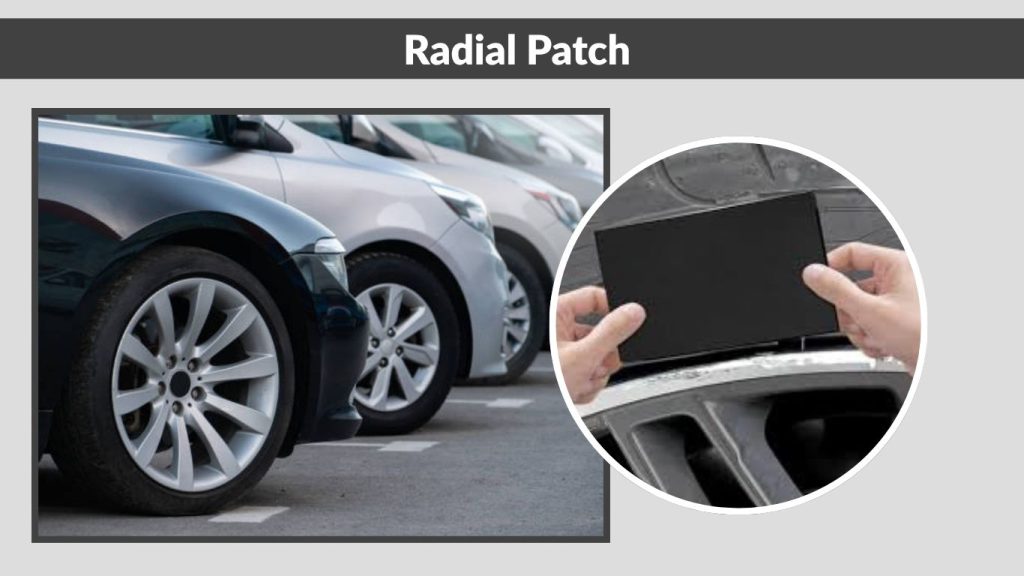
A radial patch is a flat, oval or round rubber patch applied directly to the inner liner of the tyre. It does not include a plug. Instead, it seals the inner surface to stop air loss after the puncture channel has already been cleaned and prepared. Radial patches are designed to flex with the tyre as it rotates, which makes them far more durable than older bias-ply patches on modern radial tyres.
Radial patches come in different sizes. Small patches cover nail holes up to 3mm. Larger reinforced patches handle up to 6mm on heavy-duty and van tyres. They are used widely in fleet repair environments in the UK because they are quick to apply and cost-effective when the puncture channel itself is not compromised.
This patch type must only be applied after thorough inspection of the puncture path. If the channel is damaged or contaminated, a patch alone is not enough. In that case, a combination plug patch is needed.
Cost: £15 to £28 depending on patch size and garage.
3. String or Rope Plug (Temporary External Repair)
A string plug, also called a rope plug or tyre worm, is a temporary external repair. You thread a sticky rubber cord through the puncture hole from outside the tyre without removing it from the wheel. The cord expands inside the hole and creates a short-term seal.
This method is fast. Drivers often carry string plug kits (available from £5 to £15 at Halfords and most UK motor factors) for emergency use at the roadside. The plug takes under five minutes to apply and does not require removing the wheel.
The problem: string plugs are not approved as permanent repairs under UK or European standards. The British Tyre Manufacturers’ Association (BTMA) and the National Tyre Distributors Association (NTDA) both advise against using rope plugs as a final solution. They do not seal the inner liner, which means moisture enters the tyre casing and can cause internal corrosion of steel belt cords. That weakens tyre structure over time and creates a blow-out risk.
Use a string plug only to get to a garage. Do not exceed 50mph and do not drive more than 50 miles on one.
4. The Remaining 7 Tyre Patch Types Used in the UK
Beyond the three core types above, the UK market includes several more specialised patch options. These are used less frequently but play an important role in commercial, performance, and specialist vehicle repair.
- Bias Patch: Designed for older bias-ply tyres. Less flexible than radial patches and only suitable for tyres where the cord layers run diagonally (not radially). Rarely used today on passenger cars but still found in classic car and trailer tyre repair.
- Nail Hole Patch: A small, pre-cut circular patch (typically 32mm to 40mm diameter) made for simple nail punctures up to 3mm. Applied to the inner liner after cement preparation. Common in budget repair kits.
- Round Patch: A standard circular inner patch used for straightforward tread punctures. Sizes range from 30mm to 90mm. Used in both truck and passenger car repair across the UK.
- Oval or Elliptical Patch: Used when a puncture site is close to the edge of the repairable zone or when the damage shape is irregular. The oval form gives better coverage and a stronger bond across a larger surface area.
- Diagonal (Bias-Angle) Patch: Applied at an angle to match the cord direction in specialist tyres. Mostly used by commercial tyre fitters working on agricultural machinery and large transport vehicles operating in the UK.
- Self-Vulcanising Patch: Contains built-in chemical compounds that bond to rubber without heat or cement. Popular for DIY use and emergency repair kits. Quality varies widely. Some self-vulcanising patches from reputable brands like Tip Top (Germany) meet European E-mark standards.
- Reinforced Heavy-Duty Patch: Extra-thick patches designed for truck, bus, and HGV tyres. Made with multiple rubber plies and steel or nylon reinforcement. Used by specialist HGV tyre fitters across UK motorway depots and fleet operators.
Tyre Patch Comparison Table: All 10 Types at a Glance
| Patch Type | Permanent? | Tyre Removal Required? | Max Hole Size | Typical Cost (UK) | Best For |
|---|---|---|---|---|---|
| Combination Plug Patch | Yes | Yes | 6mm | £20 to £35 | All passenger car punctures |
| Radial Inner Patch | Yes | Yes | 6mm | £15 to £28 | Fleet and van tyres |
| String/Rope Plug | No (temporary) | No | 6mm | £5 to £15 (DIY) | Roadside emergency |
| Bias Patch | Yes | Yes | 4mm | £12 to £22 | Classic and trailer tyres |
| Nail Hole Patch | Yes | Yes | 3mm | £10 to £18 | Small nail punctures |
| Round Patch | Yes | Yes | 6mm | £12 to £25 | Standard tread punctures |
| Oval/Elliptical Patch | Yes | Yes | 8mm | £18 to £30 | Irregular or edge-near damage |
| Diagonal (Bias-Angle) Patch | Yes | Yes | 6mm | £20 to £40 | Agricultural/HGV tyres |
| Self-Vulcanising Patch | Partial | Yes | 4mm | £8 to £20 | DIY emergency use |
| Reinforced Heavy-Duty Patch | Yes | Yes | 10mm | £30 to £65 | HGV, truck, bus tyres |
UK Regulations Every Driver Must Know Before Getting a Tyre Patched
Not all tyre repairs are legal in the UK. Getting the wrong type of repair done, or having a patch applied in the wrong area of the tyre, can result in a failed MOT, insurance issues after an accident, and a risk of prosecution under the Road Traffic Act 1988.
The key standard in the UK is British Standard BSAU 159f, now aligned with European ETRTO (European Tyre and Rim Technical Organisation) guidelines. Under this standard:
A repair is only legal if the puncture is in the central three-quarters of the tread area. The sidewall and shoulder zones are non-repairable. Any tyre with a puncture in those areas must be replaced, not patched.
The maximum repairable puncture diameter is 6mm for passenger car tyres. Anything larger requires replacement.
The tyre must be removed from the rim before repair so the interior can be inspected. External-only repairs (like rope plugs) do not comply and are not considered permanent repairs under BS AU 159.
Reinforcement cords must not be damaged. If the steel belts inside the tyre are cut or corroded, no patch makes the tyre roadworthy.
Run-flat tyres cannot be repaired after they have been driven on while flat. The internal support ring and sidewall structure degrade in ways not visible from outside. Most UK manufacturers and the NTDA state run-flat tyres must be replaced, not patched.
Always ask your garage whether the repair complies with BS AU 159. If they cannot confirm that, go elsewhere.
How Much Does Tyre Patching Cost in the UK?
Tyre patching in the UK costs between £10 and £65, depending on the patch type, your location, and the garage. Here is a realistic breakdown:
Budget fast-fit centres (Kwik Fit, Halfords Autocentre, ATS Euromaster): £20 to £30 for a standard combination patch on a passenger car tyre. Most offer free puncture checks.
Independent tyre garages: Often cheaper. Expect £15 to £25 for the same repair. Quality varies, so check reviews and ask if the repair meets BS AU 159.
Mobile tyre fitters: Add £10 to £20 for callout. Useful if the tyre is fully flat and you cannot drive.
HGV and commercial tyre repair: £35 to £65 per patch depending on the patch type and tyre size.
DIY patch kits: £8 to £25 from Halfords, Amazon UK, or motor factors. These work for temporary use but should not replace a professional inspection, especially after a high-speed puncture or blowout.
One practical note: many UK garages include a free visual puncture inspection before charging for any repair. Take advantage of this. If the tyre has internal damage, sidewall cracking, or cord separation, patching is a waste of money and a safety risk.
When a Tyre Patch Will Not Work
Knowing when NOT to patch a tyre is as important as knowing which patch to use. These situations require a replacement, not a repair:
The puncture is in the sidewall or shoulder. No patch holds permanently in these flexing areas. UK law and tyre standards prohibit it.
The hole is larger than 6mm on a passenger car tyre or 10mm on a truck tyre.
The tyre has run flat, even briefly. Heat and pressure damage the inner structure in ways no patch fixes.
The inner liner shows cracking, bubbling, or delamination on inspection.
Multiple punctures are close together (within 40mm of each other).
The tyre tread depth is below the legal UK minimum of 1.6mm across the central three-quarters of the tread and around the full circumference.
The tyre is over 10 years old. UK guidance from tyre manufacturers recommends replacing tyres older than 10 years regardless of visible condition.
If your garage tells you any of the above applies, replacement is not optional. A new budget tyre from a UK retailer starts from around £40 fitted. Mid-range options run £60 to £100. Premium brands (Michelin, Continental, Bridgestone) cost £90 to £200 or more depending on size.
Frequently Asked Questions
Is a tyre plug the same as a tyre patch in the UK?
No. A plug fills the hole; a patch seals the inner liner. A combination repair does both for a permanent fix.
How long does a tyre patch last?
A correctly applied combination plug patch lasts the full remaining life of the tyre if done to BS AU 159 standard.
Can I drive immediately after a tyre patch?
Yes, once the repair has cured and the tyre is reinflated to the correct pressure, it is safe to drive.
Will a patched tyre pass an MOT?
Yes, if repaired to BS AU 159 standard, in the repairable zone, and the tyre meets all other MOT tyre requirements.
How many times can a tyre be patched?
A tyre repair on the same tyre is generally acceptable once. Multiple patches in different areas raise safety concerns and most garages will advise replacement.
Does tyre patching void my car warranty?
It should not, provided the repair is done professionally and meets UK standards. Check with your manufacturer if uncertain.
Can I patch a run-flat tyre in the UK?
No. Run-flat tyres must be replaced after being driven on while flat, even at low speed for short distances.
Are roadside tyre plug kits legal in the UK?
They are legal to own and use as a temporary measure, but they do not meet BS AU 159 and are not a permanent repair.
Conclusion
The 10 types of car tyre patches in the UK cover everything from roadside emergency plugs to permanent combination repairs and heavy-duty commercial patches. For most drivers, the combination plug patch is the right answer. It meets UK standards, lasts the life of the tyre, and costs between £20 and £35 at any reputable garage.
Never accept a sidewall repair. Always ask if the repair meets BS AU 159. And if a garage tells you the tyre cannot be patched safely, take their word for it. A new tyre costs far less than an accident, a fine, or a failed MOT.

- Top 10 Best Helmet For Xpulse 210 Blue Colour 2026 - October 5, 2026
- Top 10 Best Helmet For Xtreme 125r 2026 - October 5, 2026
- Top 10 Best Helmet For Xpulse 200 2026 - October 5, 2026