ABUS Helmet Size Guide: Chart and Measuring Method

Choosing the correct helmet size plays a big role in comfort and safety.
The ABUS helmet size guide helps riders select the right fit by using head circumference measurements and brand-specific size charts.
This guide explains how to measure your head, read ABUS helmet size charts, compare popular models like the GameChanger, and check sizing details available from retailers such as Halfords.
How to Measure Head Size for ABUS Helmets
Getting an accurate measurement is the foundation of helmet safety. A helmet that is too loose will shift during an impact, while one that is too tight will cause discomfort and headaches during long rides.
1. Measuring Head Circumference Step by Step
To find your ABUS size, you need a flexible measuring tape. If you do not have one, use a piece of string and then measure the string against a ruler.
- Step 1: Place the measuring tape approximately 2 cm (about one inch) above your eyebrows.
- Step 2: Wrap the tape around the widest part of your head, ensuring it passes over the bump at the back of your skull.
- Step 3: Keep the tape level and snug, but do not pull it so tight that it pinches your skin.
- Step 4: Note the measurement in centimeters (cm), as ABUS charts primarily use metric units.
2. Best Position for the Measuring Tape
Accuracy depends on the tape’s placement. It should sit horizontally around your head. Avoid angling the tape downward toward your neck or upward toward the crown of your head. The goal is to measure the maximum circumference to ensure the helmet’s internal cage can accommodate your skull.
3. Common Measuring Mistakes to Avoid
- Measuring too high: Placing the tape at the very top of your forehead often results in a measurement that is too small.
- Including hair volume: If you have very thick hair or wear a cycling cap, measure with your hair styled as it will be during a ride.
- Guessing based on other brands: Sizing varies significantly between manufacturers; always measure specifically for ABUS.
4. Why Accurate Measurement Matters for Helmet Fit
An ABUS helmet utilizes an internal “Zoom Ace” or similar adjustment system. While this allows for fine-tuning, the EPS foam shell must be the correct base size. If the shell is too large, the “crumple zone” of the helmet cannot effectively manage rotational forces during a crash.
ABUS Helmet Size Chart Explained
ABUS generally categorizes their helmets into three main sizes. However, because head shapes vary, ABUS provides overlapping centimeter ranges to help you find a “tailored” fit.
1. Small (S) Helmet Size Range
The Small size is typically designed for riders with a head circumference between 51 cm and 55 cm. This size is common for youth, teenagers, and adults with smaller frames.
2. Medium (M) Helmet Size Range
The Medium is the most common size, covering a range of 52 cm to 58 cm. Because this range is broad, ABUS helmets in this category usually feature more robust adjustment dials to bridge the gap for mid-sized riders.
3. Large (L) Helmet Size Range
Large helmets are built for a circumference of 56 cm to 61 cm (or 62 cm on some models). These helmets feature a larger internal mold to prevent “mushrooming” or sitting too high on the head.
4. How ABUS Sizing Compares Across Models
While the S/M/L designations remain relatively consistent, the internal shape (oval vs. round) can change. For example, an Urban-I 3.0 may feel roomier than a performance road helmet of the same size. Always prioritize the centimeter measurement over the letter size.
ABUS Standard Sizing Comparison Table
| Size Label | Head Circumference (cm) | Ideal For |
| Small (S) | 51 – 55 cm | Youth / Small Adults |
| Medium (M) | 52 – 58 cm | Average Adults |
| Large (L) | 56 – 61+ cm | Large Adults / Broad Frames |
ABUS GameChanger Size Chart
The GameChanger is ABUS’s flagship aero helmet. Because aerodynamic efficiency requires a low-profile fit, the sizing for this model is slightly more “performance-oriented” and snug.
1. GameChanger Helmet Sizing Overview
The GameChanger typically follows these specific tiers:
- S: 51–55 cm
- M: 52–58 cm
- L: 59–62 cm
2. Differences Between Standard ABUS Helmets and GameChanger
The GameChanger uses a Multi-Position Design, meaning it is optimized for aerodynamic drag regardless of head tilt. This requires a tighter fit around the temples. If you are at the very edge of a size (e.g., exactly 58 cm), many riders choose to “size up” to the Large to accommodate a cycling cap or winter liner.
3. Fit Tips for Racing and Road Cycling Helmets
- The Shake Test: Once buckled, shake your head. The GameChanger should move with your skin, not slide over it.
- Strap Clearance: The “FlowStraps” on the GameChanger are non-adjustable to reduce flutter. Ensure the fixed “V” shape sits comfortably under your ears.
ABUS Size Guide for Different Helmet Types
The intended use of the helmet often dictates its shell shape and depth.
1. Road Cycling Helmets
Models like the Airbreaker or StormChaser are lightweight and prioritize ventilation. They sit slightly higher on the head to allow for maximum airflow through the internal channels.
2. Urban and Commuter Helmets
Commuter helmets like the Hyban or Urban-I offer deeper coverage at the rear of the head. These often feel “larger” because they encapsulate more of the skull. They frequently come in an Extra Large (XL) size for circumferences up to 65 cm.
3. Mountain Bike Helmets
MTB helmets, such as the Moventor or MonTrail, feature a visor and extended protection for the temples and lower back of the head. These require a very stable fit to handle vibrations on rough trails.
4. Kids Helmet Sizing Basics
ABUS kids’ helmets (e.g., Smiley or Anuky) start as small as 45 cm.
- Size S: 45–50 cm
- Size M: 50–55 cmMeasure a child’s head every six months, as their growth can quickly lead to an unsafe, ill-fitting helmet.
How long should I go between washes?
Most experts suggest a range of 7 to 10 days for curly hair and up to 14 days for coily textures. If you wait longer than two weeks, you risk “follicle occlusion.” This is when dead skin and oils clog your pores, which can slow down your hair growth.
ABUS Helmets Germany Sizing Standards
ABUS, a German-engineered brand, adheres to strict European safety and ergonomic standards. Their sizing philosophy is rooted in precision, ensuring that the helmet serves as an extension of the rider’s head.
1. German Sizing Approach Explained
The German approach to helmet design emphasizes metric consistency. ABUS uses highly standardized head molds based on extensive European demographic data. This means that if you measure 54 cm, an ABUS “Medium” is engineered to center that measurement perfectly within its range ($52$–$58$ cm), rather than leaning toward the extreme ends.
2. European Sizing vs. UK Sizing
In the UK, many traditional brands use inches or generic S/M/L labels that can vary by up to $2$ cm between manufacturers. ABUS eliminates this confusion by prioritizing centimeters (cm).
- Precision: European standards (EN 1078) require a more uniform fit across the entire circumference.
- Metric First: While UK retailers often add “Small” or “Large” labels, the molded EPS (expanded polystyrene) is manufactured to exact metric specifications.
- International Conformity: ABUS helmets sold in the UK meet both the European EN 1078 and the UK’s SHARP or BSI standards, but the sizing remains consistent with their German roots.
3. Why ABUS Sizing Feels Consistent Across Models
ABUS utilizes universal retention systems like Zoom Ace across different disciplines. Whether you are wearing an urban commuter helmet or a professional road racing model, the internal “cage” geometry remains familiar.
- Standardized Molds: A Medium in the GameChanger road helmet will have a very similar internal feel to a Medium in the Hyban urban helmet.
- Adjustment Range: The dial-turn systems are engineered with a specific “click-ratio” that provides a predictable tightening feel across their entire lineup.
Halfords Helmet Size Chart Comparison
Halfords is one of the largest UK retailers for ABUS. Understanding how their internal charts align with ABUS’s official German specifications is crucial for a successful online purchase.
1. Halfords Helmet Size Chart Overview
Halfords often groups helmets into broad categories (Toddler, Junior, Adult). However, for premium brands like ABUS, they provide specific centimeter ranges that mirror the manufacturer’s data.
2. ABUS Size Guide at Halfords
Halfords typically lists ABUS models using the standard three-tier system. For most Adult ABUS models at Halfords, the sizing follows this logic:
- Small (S): $51$–$55$ cm
- Medium (M): $52$–$58$ cm
- Large (L): $58$–$62$ cm (Note: Some models like the Hyban 2.0 go up to $63$ cm).
3. Matching Halfords Size Charts with ABUS Measurements
When shopping on the Halfords website, always check the “Specifications” tab rather than relying on the “Small/Medium” dropdown.
- Model Specifics: A full-face helmet like the ABUS HiDrop has a tighter range (e.g., $57$–$58$ cm for Medium) compared to an open-face city helmet.
- Overlap: If your measurement is 58 cm, Halfords charts may show you qualify for both Medium and Large. For ABUS, the Large is usually the better choice to allow room for a thin thermal cap in winter.
ABUS Helmet Fit Tips
A helmet is only effective if it sits correctly during an impact. Following these fitment markers will ensure your ABUS helmet provides the maximum protection engineered into its design.
1. Signs a Helmet Fits Correctly
- Horizontal Position: The helmet should sit level on your head, not tilted back. It should cover the upper forehead, approximately two fingers’ width above the bridge of your nose.
- The “Y” Straps: The side straps should form a clean “Y” or “V” shape, meeting just below your earlobes without rubbing.
- The One-Finger Rule: You should be able to fit only one finger between the buckled chin strap and your chin.
2. Signs the Helmet is Too Small
- Pressure Points: If you feel “hot spots” or pinching on your forehead or temples after only 5 minutes of wear, the shell is too small.
- High Seat: The helmet looks like it is “perched” on top of your head rather than cradling it.
- Lack of Adjustment: You cannot turn the rear dial at all because the helmet is already at its maximum capacity.
3. Signs the Helmet is Too Large
- The Shake Test: If you shake your head and the helmet wobbles or slides over your eyes, it is too big.
- Gaping Straps: Even when tightened, there is significant space between the straps and your skin.
- Rear Dial Bottoming Out: You have to turn the Zoom Ace dial all the way to its tightest setting just to make it stay on.
4. Adjusting Straps and Retention Systems
Most ABUS helmets feature the Zoom Ace or Zoom Evo adjustment system. To fit:
- Fully Open: Turn the dial to the widest setting before putting it on.
- Center: Place the helmet horizontally on your head.
- Tighten: Turn the dial until the helmet is snug but not causing a “pulse” feeling in your temples.
- Final Check: Open your mouth wide; you should feel the helmet pull down slightly on your head.
ABUS Helmet Size Guide FAQ
Selecting a helmet involves more than just reading a chart. To ensure query satisfaction and clarity, these frequently asked questions address the nuances of finding a secure, long-term fit with German-engineered ABUS headgear.
What happens if my head size falls between two sizes?
If your measurement is exactly on the border (e.g., 58 cm, which is the end of Medium and start of Large), ABUS generally recommends sizing up.
While some brands suggest sizing down for a “break-in,” ABUS road and urban helmets feature a rigid EPS shell that does not expand.
Sizing up to a Large ensures you won’t suffer from “hot spots” or headaches, and the Zoom Ace adjustment system will allow you to dial the fit down to a snug position.
- Consider a cap: If you plan to wear a cycling cap or thermal liner in winter, the larger size is essential.
- Check the model: Performance models like the GameChanger have a narrower fit; if you are borderline, the larger size is almost always more comfortable.
How tight should an ABUS helmet feel?
A properly fitted ABUS helmet should feel snug and stable, but never painful. You want the helmet to be comfortably touching the head all the way around without creating isolated pressure points on the forehead or temples.
- The Shake Test: With the straps unbuckled but the rear dial tightened, shake your head. The helmet should stay in place and not slide over your eyes.
- The One-Finger Rule: Once the chin strap is buckled, you should be able to fit exactly one finger between the strap and your chin.
- Skin Movement: When you try to move the helmet with your hands, the skin on your forehead should move slightly with it.
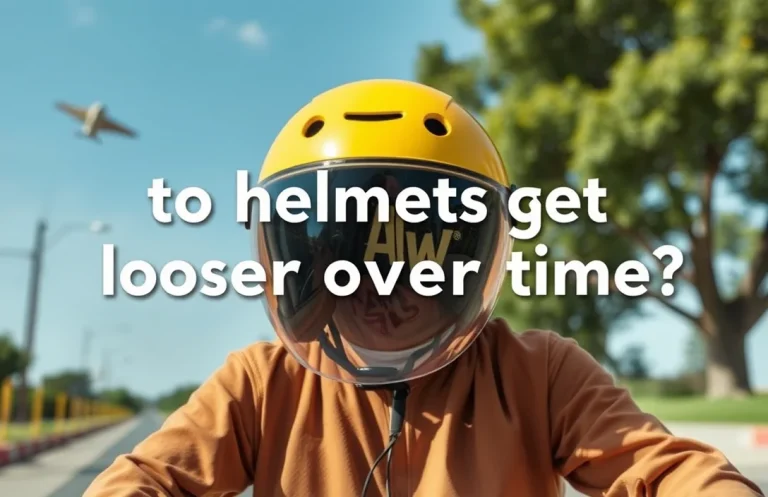
Do ABUS helmets stretch over time?
No. The primary protective material in ABUS helmets is Expanded Polystyrene (EPS) foam, which is designed to be rigid to absorb impact. While the internal comfort padding may compress slightly (about $1$–$2$ mm) after the first 15 hours of riding, the actual shell size will never change.
- Initial Snugness: Do not buy a helmet that is painfully tight hoping it will stretch; it won’t.
- Padding Maintenance: If your helmet begins to feel loose after a year, it is likely the pads have compressed or worn down. Many ABUS models allow you to buy replacement pads to restore that “new” fit.
Can helmet size change with hair or padding?
Yes, hair volume and padding thickness significantly impact how a helmet sits. This is why consistent measurement and trial are vital.
- Hair Styles: If you alternate between short hair and braids or dreadlocks, your circumference can change by $1$–$3$ cm. Always measure with your “riding hair” style.
- Pony Tail Compatibility: Many ABUS helmets (like the Viantor or AirBreaker) are specifically designed with “Ponytail Compatibility,” featuring a gap in the adjustment system to allow long hair to pass through without pushing the helmet forward.
- Padding Swaps: Some ABUS kits include different thicknesses of pads. Thicker pads can help “bridge the gap” if you are at the smaller end of a size range.
Final Thoughts
Choosing the right ABUS helmet is a balance between your metric measurements and real-world comfort. A balanced routine of checking your fit every few months ensures that as pads compress or hairstyles change, your safety remains uncompromised.
| Fit Issue | Symptom | Fix |
| Too Small | Red mark on forehead after 15 mins. | Size up to the next shell size. |
| Too Large | Helmet tips forward when braking. | Tighten Zoom Ace dial or use thicker pads. |
| Perfect Fit | Snug, level, and no movement when shaking head. | Maintain current settings. |

- 10 Best Electric Hydraulic Jack For Car Review (October 2026) - October 12, 2026
- 10 Best Electric Jack For Car Review (October 2026) - October 12, 2026
- 10 Best Jack For Electric Vehicle Review (October 2026) - October 12, 2026