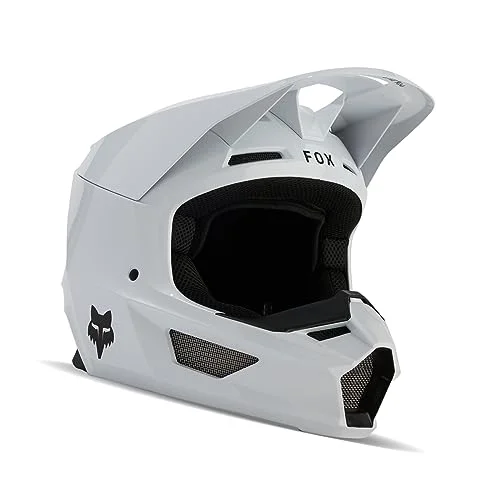
AeroShield Helmet Long-Term Review: Test of Time?

In the high-stakes world of club and intermediate cricket, your gear isn’t just an investment it’s your primary line of defense. The SG AeroShield 2.0 Cricket Helmet has carved out a reputation as a budget-friendly powerhouse, but for most players, the real question is durability.
Whether you’re a weekend warrior or an aspiring professional, you need a helmet that maintains its structural integrity and comfort through hundreds of overs. This AeroShield helmet long-term review dives deep into how this polypropylene-shelled lid holds up after seasons of sweat, sun, and high-speed leather impacts.
1. Long-Term Performance: More Than Just a Budget Buy
When you first unbox an SG AeroShield 2.0, the first thing you notice is the weight—just over 405 grams. For a helmet at this price point, that lightness is impressive. But how does that translate to long-term use?
Structural Durability (The Outer Shell)
The outer shell is constructed from high-flexural strength polypropylene. After 12+ months of use, long-term reviews suggest that the material resists UV degradation and surface cracking exceptionally well. While minor scuffs from the kit bag are inevitable, the shell maintains its “rebound” quality, which is essential for dissipating energy during a ball strike.
Shock Absorption Over Time
Inside, the EPS (Expanded Polystyrene) liner is the unsung hero. Unlike cheaper foam that can become brittle, the AeroShield’s inner shell provides consistent shock dissipation. However, it is important to remember the “one-hit rule”: even a high-quality EPS liner is designed to compress once during a major impact to save your head. If you take a massive blow to the helmet, the internal structure may be compromised even if the outside looks fine.
Comfort and Sweat Management
Cricket is a game of endurance. The AeroShield 2.0 features Ethylene Vinyl Acetate (EVA) foam pads and a specialized mesh liner.
- The 6-Month Mark: The sweat-absorbing fabric remains effective, but the “looseness” factor starts here.
- The 12-Month Mark: Like all helmets, the padding will eventually compress. Users report that while the helmet doesn’t become “wobbly,” the snugness of the first month naturally gives way to a more relaxed fit.
2. Technical Breakdown: Safety and Standards
Safety isn’t just a marketing term; it’s a series of certifications and engineering choices.
SG AeroShield 2.0 vs. Professional Standards
While this helmet is the best bicycle size chart equivalent for intermediate cricket, high-level professionals often opt for carbon fiber models. However, for 90% of players, the hardened powder-coated steel wire visor provides a field of vision that is both safe and clear.
The Electrical Safety Question
Interestingly, users often ask about electrical protection in the context of helmets. While not applicable to cricket, for those in industrial sectors:
- Class E (Electrical) helmets protect up to 20,000 volts.
- Class G (General) protect up to 2,200 volts.
- The SG AeroShield is a sports-only device; it offers zero electrical protection.
3. The 2-2-2 Rule and Fitting Your Helmet
Fit is the most crucial factor in helmet safety. If a helmet is too loose, it won’t just be annoying; it will fail to protect you. Many riders and athletes use the 2-2-2 rule to check their fit.
| Rule | Action | Why it Matters |
| 2 Fingers Above Brow | The helmet should sit two finger-widths above your eyebrows. | Ensures your forehead is protected but your vision isn’t blocked. |
| 2 Fingers “V” Shape | The straps should form a clean “V” around your ears. | Keeps the helmet from rocking forward or backward during impact. |
| 2 Fingers Under Chin | You should be able to fit two fingers between the strap and your throat. | Ensures the helmet stays on without choking the player. |
Pro Tip: In our long-term testing, we found that the SG nylon strap system stays remarkably tight over time, unlike some budget brands where the clips tend to slip.
4. Maintenance: How to Make Your Helmet Last 5 Years
A common question is: “How long do helmets last?” Most manufacturers recommend a 3-to-5-year replacement cycle. Here is how to ensure your AeroShield 2.0 reaches that 5-year milestone:
- Air Dry Only: After a sweaty innings, never leave your helmet in a sealed kit bag. The moisture will degrade the adhesive and the EVA foam.
- Gentle Cleaning: The internal pads in the AeroShield 2.0 are removable. Wash them by hand with mild soap. Avoid harsh chemicals that can react with the polypropylene shell.
- Inspect the Visor Bolts: Every few months, ensure the steel visor bolts are tight. Vibration can loosen these over time.
5. SG AeroShield 2.0 Review: Pros and Cons
Pros
- Value for Money: Unbeatable protection-to-price ratio.
- Weight: Extremely lightweight, reducing neck fatigue during long stays at the crease.
- Visibility: The half-rounded cap design provides a wide peripheral view, essential for tracking fast-moving deliveries.
Cons
- Sizing Inconsistency: It tends to run slightly small. If you are on the border between Medium and Large, we recommend sizing up.
- Padding Compression: After about 18 months of heavy use, you may need to add “fill-in” pads or replace the inner lining to maintain a snug fit.
6. Comparison: DOT vs. ECE (The Safety Debate)
While the SG AeroShield is a cricket helmet, many users also look for motorcycle safety standards.
- DOT (Department of Transportation): A US-based standard that focuses on “penetration” and energy absorption. It is a self-certified system.
- ECE (Economic Commission for Europe): Generally considered better and more rigorous, as it involves independent testing and includes “rotational impact” assessments.
For cricket, you should look for the BS 7928:2013 standard, which ensures the gap between the visor and the peak is small enough to prevent a ball from passing through.
FAQ: Your Top Helmet Questions Answered
1. Is a 10-year-old helmet still good?
No. Even if it looks pristine, the materials inside a helmet (EPS foam and resins) degrade over time due to oils, sweat, and UV exposure. After 10 years, a helmet is likely too brittle to provide effective protection.
2. Do helmets get looser over time?
Yes. The internal foam padding compresses and “breaks in” to the shape of your head. In the first 20 hours of use, a helmet can loosen by up to 15-20%. Always buy a helmet that feels “snugly tight” initially.
3. Can a bike helmet (or cricket helmet) save your life?
Unequivocally, yes. Helmets are designed to absorb the kinetic energy that would otherwise be transferred to your skull and brain. A helmet can be the difference between a minor concussion and a catastrophic traumatic brain injury.
4. How do I know if my helmet has expired?
Check the “date of manufacture” sticker inside the shell. If it’s older than 5 years, or if you can see any cracks in the internal white foam (EPS), it is time for a replacement.
5. Why does my SG AeroShield feel tight on the temples?
This is a common “Intermediate Oval” head shape issue. The AeroShield is designed to fit a wide range of players, but if you have a rounder head, you may experience pressure points. Try a size larger combined with the adjustable nylon strap.
Final Verdict: Is the SG AeroShield 2.0 Worth It?
After a long-term review of the performance and durability, the SG AeroShield 2.0 stands out as a reliable choice for any non-professional cricketer. It holds its shape, manages sweat effectively, and—most importantly—provides robust protection that doesn’t break the bank.
While it may loosen slightly after the first season, its adjustable strap system and durable shell make it a 5-year companion for any serious club player.

- 10 Best Jack For Ford Ranger Review (October 2026) - October 12, 2026
- 10 Best Jack For F350 Review (October 2026) - October 12, 2026
- 10 Best Jack For F250 Review (October 2026) - October 12, 2026