Are Normal Car Tires Tubeless? The Complete Guide

If you are looking at your car’s wheels and wondering, “Are normal car tires tubeless?” the answer for almost every driver on the road today is a resounding yes.
While bicycles and some vintage motorcycles still use inner tubes, the automotive industry shifted away from “tube-type” tires decades ago. Today, tubeless technology is the global standard for passenger vehicles, SUVs, and trucks.
In this deep dive, we will explore the mechanics of the tube type vs. tubeless tire, explain why tubeless tires are better, and address common questions about inner tubes for car tyres and rim compatibility.
1. The Short Answer: Do Modern Car Tires Have Inner Tubes?
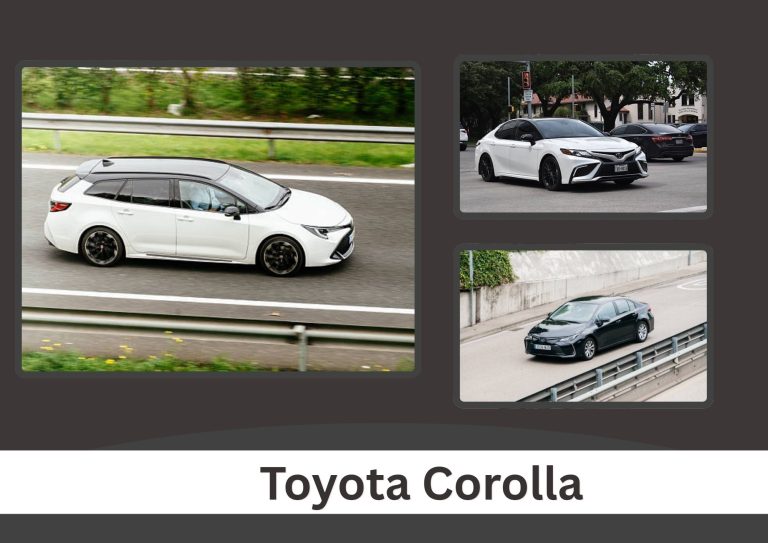
In 2026, if you are driving a “normal” car—whether it’s a Toyota Corolla, a Tesla Model 3, or a Ford F-150—it is equipped with tubeless tires.
A tubeless tire is designed to form an airtight seal directly against the wheel rim. Unlike older designs, there is no separate rubber bladder (inner tube) inside. The air is held in the space between the tire casing and the rim itself.
How Do They Work Without a Tube?
Tubeless tires feature a “liner” made of butyl rubber that is integrated into the inside of the tire. This liner is impermeable to air.
When the tire is mounted, the “bead” (the edge of the tire) is forced against the flange of the rim by air pressure, creating a vacuum-tight seal. The valve stem, which you use to add air, is bolted or snapped directly into the rim rather than being attached to an internal tube.
2. History and Evolution: Tube Type vs. Tubeless Tire
To understand why your car doesn’t have tubes, we have to look at the evolution of automotive engineering.
The Era of Inner Tubes
Until the mid-1950s, all cars used tube-type tires. These consisted of a thick outer casing and a thin, flexible inner tube. If a nail pierced the casing, the inner tube would often pop or tear instantly, leading to a “blowout”—a rapid loss of air that frequently caused drivers to lose control.
The Shift to Tubeless
The first commercially successful tubeless tires were introduced by BFGoodrich in 1947 and became standard equipment on most American cars by 1955.
The primary motivation was safety. Because there is no tube to “pop,” a puncture in a tubeless tire usually results in a slow leak rather than an explosive decompression. This gives the driver time to pull over safely.
3. Why Are Tubeless Tires Better? (The Pros)
When comparing tube vs. tubeless tyres, the modern tubeless design wins in almost every category: safety, performance, and maintenance.
Enhanced Safety (Slow Deflation)
As mentioned, the biggest advantage is the slow rate of air loss. If a nail enters a tubeless tire, it often stays lodged in the rubber, acting as a partial plug. The integrated liner holds the air, allowing you to drive to a repair shop.
Cooler Operating Temperatures
Heat is the enemy of tires. In a tube-type setup, friction between the inner tube and the outer casing generates significant heat. Tubeless tires eliminate this friction, allowing them to run cooler and last longer.
Reduced Weight and Improved Fuel Efficiency
By removing the inner tube, the “unsprung weight” of the vehicle is reduced. This improves suspension response and contributes to better fuel economy—a key factor in the design of modern EVs and high-efficiency gas vehicles.
Simpler Repairs
Repairing a tubeless tire is often as simple as using a “plug kit” without even removing the tire from the rim. With a tube-type tire, you have to disassemble the entire wheel to patch or replace the inner tube.
4. Tube vs. Tubeless Tires Comparison Table
| Feature | Tubeless Tires (Modern Standard) | Tube-Type Tires (Vintage/Specialty) |
| Air Retention | Integrated inner liner + Rim seal | Separate internal rubber tube |
| Puncture Response | Slow leak (Safe) | Rapid deflation/Blowout (Risky) |
| Heat Buildup | Low (No internal friction) | High (Friction between tube and tire) |
| Maintenance | Easy (External plugs/patches) | Difficult (Requires disassembly) |
| Common Use | Cars, Trucks, Modern Motorcycles | Vintage cars, Bicycles, Spoked wheels |
| Weight | Lighter | Heavier |
5. Tubeless vs. Tube Type Rims: What’s the Difference?
You cannot simply put a tubeless tire on any old rim. There are specific structural requirements for tubeless vs. tube type rims.
The Safety Hump
Tubeless rims feature a “safety hump” or a “bead seat” on the inside of the rim. This is a small ridge that prevents the tire bead from sliding inward and breaking the seal during hard cornering or when the tire pressure is low.
Surface Finish
Because the rim itself must hold air, tubeless rims must be perfectly smooth and non-porous. Older tube-type rims (especially wire-spoke wheels) often have holes for the spokes that would leak air instantly without a tube.
The Valve Stem Hole
On a tubeless rim, the hole for the valve stem is designed to hold a rubber grommet or a metal nut that creates a permanent, airtight seal against the metal.
6. What Are “Tubeless Ready” Tires?
In the automotive world, the term isn’t used much because everything is tubeless. However, you will see this term in the cycling and off-road motorcycle worlds.
Tubeless Ready (TR) or Tubeless Compatible means:
- The tire has a bead designed to lock into a tubeless rim.
- The tire casing might be slightly porous and requires a liquid sealant to become 100% airtight.
For cars, every tire you buy at a retail shop is “Tubeless Complete”—it requires no extra sealant or preparation to hold air.
7. Can You Put an Inner Tube in a Tubeless Car Tire?
This is a common “emergency” question. While it is technically possible to insert inner tubes for car tyres that are tubeless, it is generally not recommended for several reasons:
- Heat: The friction between the tube and the tubeless liner will cause excessive heat at highway speeds.
- Valve Stem Fit: The valve stem of the tube may not fit correctly through the rim’s valve hole.
- Pressure Issues: If air gets trapped between the tube and the tire liner, it can cause the tire to fail or feel unstable.
The only time tubes are used in car tires today is for vintage restoration projects involving original wire-spoke wheels that cannot be sealed.
8. Maintenance Tips for Tubeless Tires
To keep your tubeless system functioning correctly, follow these experience-based tips:
- Monitor the Valve Stem: The rubber in valve stems can dry rot over time. Always have them replaced when you buy new tires.
- Check Rim Flanges: If you hit a curb and bend the edge of your metal rim, the tubeless seal can be compromised, leading to a “bead leak.”
- Use Proper Sealants: Only use emergency “Fix-a-Flat” sprays as a last resort, as they can gum up your TPMS (Tire Pressure Monitoring System) sensors.
- TPMS Awareness: Modern cars have sensors inside the wheel that monitor air pressure. If your light comes on, it usually indicates a slow leak in the tubeless seal or a puncture.
FAQ: Common Questions About Tubeless Tires
1. How can I tell if my tire is tubeless?
Look at the sidewall of your tire. Almost all modern tires will have the word “TUBELESS” molded into the rubber near the brand name and size.
2. Do tubeless tires need special rims?
Yes. They require rims with a specific bead seat and a non-porous surface. If you have an antique car with original spoked wheels, you cannot run tubeless tires without a conversion kit or a tube.
3. Why do some motorcycles still use tubes?
Motorcycles with wire-spoke wheels (like dirt bikes or cruisers) often use tubes because the air would leak out of the holes where the spokes meet the rim. However, many high-end adventure bikes now use “cross-spoke” rims that allow for tubeless tires.
4. Can a tubeless tire explode?
While any pressurized vessel can fail, tubeless tires are significantly less likely to “explode” than tube-type tires. Most “blowouts” today are caused by driving on a tire that is extremely underinflated, causing the sidewall to overheat and shred.
5. What happens if I puncture a tubeless tire?
In most cases, you will experience a slow loss of pressure over several hours or days. You can usually have the tire professionally patched and plugged from the inside for a permanent fix.
Final Thoughts: The Future of Tires
The transition to tubeless technology was one of the greatest safety leaps in automotive history. It reduced fatal accidents caused by blowouts and made tire maintenance accessible to the average driver. As we move further into 2026, the next evolution—airless tires (tweels)—is already being tested, which would eliminate the need for compressed air entirely!

- 10 Best Jack For Ford Raptor Review (October 2026) - October 12, 2026
- 10 Best Jack For Ford Ranger Review (October 2026) - October 12, 2026
- 10 Best Jack For F350 Review (October 2026) - October 12, 2026