Beginner Motorcycle Riding Gear: What to Buy First

Your First Ride Starts With the Right Gear
You just got your motorcycle license. The bike is ready. The open road is calling. But here is the truth most new riders learn the hard way: without the right protective gear, a simple slide at low speed can turn into a hospital visit.
According to NHTSA data, motorcycling is significantly more dangerous than driving a car, and riders have no metal frame, airbag, or seatbelt standing between them and the pavement. That is not a reason to stop riding. It is a reason to gear up properly before you ever twist the throttle.
This guide is written by riders and backed by real safety research. Whether you are 18 and just passed your MSF course or 45 and fulfilling a lifelong dream, this article tells you exactly what to buy first, how much to spend, and why each piece of gear matters. We cover everything from helmets and jackets to gloves, boots, and beyond so you ride with confidence from day one.
Why Beginner Riders Must Gear Up Before Anything Else
Every new rider needs a helmet, armored jacket, gloves, riding pants, and boots before their first solo ride. These five items form your body’s only line of defense when there is no metal frame, airbag, or seatbelt between you and the road.
The U.S. National Highway Traffic Safety Administration states that 80 percent of all reported motorcycle crashes result in injury or death to the motorcyclist. Riding gear does not prevent crashes. It prevents crashes from ending your life or your riding career.
Think of gear not as an expense but as the same investment you made in your bike. You would not ride a bike with no brakes. Do not ride one without protection.
Stats every beginner should know before getting on a motorcycle:
- Motorcyclists are far more likely to die in a crash than car drivers per mile traveled
- Helmets save thousands of lives every single year across the United States
- Regular jeans have just 0.6 seconds of abrasion resistance before they are torn apart on road surfaces
- 80 percent of motorcycle crashes result in injury or death to the rider
- Proper gear can reduce upper body injury risk dramatically in a slide or fall
The 6 Core Pieces Every New Rider Needs to Buy
As a beginner, you need six essential pieces of gear: a certified helmet, an armored jacket, riding gloves, protective pants, motorcycle boots, and eye protection. These form your complete head to toe shield on the road and should be purchased before your first ride, not after.
Quick Gear Priority Chart for New Riders
| Priority | Gear Item | Why It Matters | Estimated Cost |
|---|---|---|---|
| 1 | Full Face Helmet | Protects brain and face | $150 to $500 |
| 2 | Armored Jacket | Shields back, elbows, shoulders | $100 to $400 |
| 3 | Riding Gloves | Hands hit ground first in a fall | $40 to $150 |
| 4 | Protective Pants | Legs exposed during slides | $80 to $300 |
| 5 | Motorcycle Boots | Ankle and foot stability | $80 to $300 |
| 6 | Eye Protection | Debris, wind, bugs at speed | $20 to $100 |
Motorcycle Helmets for Beginners Explained Clearly
A beginner motorcycle helmet must carry a DOT or ECE 22.06 certification, fit snugly without pressure points, offer clear visibility, and provide adequate ventilation. Start here before everything else. Nothing matters more than protecting your head.
States enforcing helmet laws consistently record fewer head related fatalities. A well fitted, certified helmet is your single most important purchase as a new rider.
Types of Helmets New Riders Should Consider
Full Face Helmet covers your entire head including the chin and face. This is the safest choice and strongly recommended for every beginner on any type of bike or road.
Modular Helmet has a flip up chin bar. A good option for commuters who stop frequently but slightly heavier than a full face design.
Open Face Helmet leaves the face fully exposed. Not recommended for beginners because of limited protection in frontal impacts.
Half Helmet covers only the top of the skull. Minimal protection and a poor choice for anyone new to riding.
Helmet Safety Certifications Decoded
DOT (Department of Transportation) is the minimum legal standard across the United States. Every helmet sold legally in the US must carry this mark on the back.
ECE 22.06 is the European standard and is often considered more rigorous in its real world testing methodology than DOT.
Snell M2020 is a voluntary certification from a private independent foundation that runs additional impact tests beyond what DOT requires.
How to Check If Your Helmet Fits Correctly
Put the helmet on and try to rotate it side to side. If the skin on your cheeks and forehead moves with the shell, the fit is correct. If the helmet rotates freely, it is too large. The helmet should feel snug all around with no single pressure point that causes pain. Wear it for 15 to 20 minutes in the store before purchasing. Any discomfort you feel will multiply significantly on a long ride.
Budget vs Premium Helmets for New Riders
A helmet in the $200 to $300 range is an excellent baseline for a beginner. However, more expensive helmets do not automatically offer better protection. They may provide better ventilation, noise reduction, or comfort features. A certified $150 DOT helmet is infinitely better than no helmet. Spend what you can afford and make sure the certification sticker is there.
Motorcycle Jackets for New Riders: What Really Matters
Your riding jacket is your second most important purchase after your helmet. It must have CE certified armor at the elbows and shoulders, a back protector pocket, and abrasion resistant outer material. A quality jacket survives a slide that would shred a regular hoodie in under a second.
Research from Australia’s George Institute for Global Health found that riders wearing armored motorcycle jackets were significantly less likely to be admitted to hospital following a crash. Garments including proper CE rated armor reduced upper body injury risk substantially.
Leather vs Textile Jackets for Beginners
Leather Jackets offer superior abrasion resistance and a classic look. They are heavier, require regular maintenance, and can get very hot in summer riding conditions. Best suited for sport and cruiser riders.
Textile Jackets are lighter, often waterproof, and more comfortable across varying weather conditions. Many include mesh panels for riding in hot climates. For most beginners, a textile jacket with CE Level 2 armor is the best combination of protection and everyday comfort.
CE Armor Levels Explained Simply
CE Level 1 armor meets the basic certified impact protection standard and is found in most entry level jackets.
CE Level 2 armor absorbs significantly more energy on impact and is the recommended minimum for beginners at the elbows, shoulders, and back. Always check the label inside the pocket that holds the armor insert to confirm which level you are getting.
What to Look For When Buying Your First Jacket
- CE Level 2 armor at elbows and shoulders as a minimum
- Back protector included or a dedicated pocket to add one separately
- Reflective panels or strips on the sleeves and back for visibility
- Adjustable waist and sleeve tabs for a secure and personalized fit
- Removable thermal liner for use across multiple seasons
- Zippered vents in the chest or underarm for airflow in warm weather
Motorcycle Gloves for Beginners: Protect Your Hands First
Buy motorcycle gloves before almost anything else after your helmet. In any fall or crash, your hands reach for the ground first. This is a pure human instinct and it happens in every single accident regardless of speed or experience level.
Motorcycle gloves protect the skin and the fragile bones in your fingers from road rash, fractures, and in the most serious crashes, far worse injuries. This is not an area to cut costs or skip entirely.
Types of Motorcycle Gloves for New Riders
Summer or Short Cuff Gloves are lightweight with perforated material that allows airflow. Good for warm weather city riding and short commutes.
Gauntlet Gloves extend past the wrist and cover the lower forearm. Ideal for highway riding, cold weather, and anyone who wants maximum hand and wrist protection. Best overall choice for protection.
Winter Gloves are fully insulated and waterproofed for riding in cold or wet climates. Essential if you live somewhere with genuinely cold temperatures for part of the year.
Features Every Beginner Glove Must Have
- Full finger coverage with absolutely no exposed skin between glove and sleeve
- Reinforced knuckle protection, hard or soft armor accepted
- Padded palm for absorbing impact energy during a fall
- Abrasion resistant outer material, quality leather or reinforced textile
- Secure wrist closure using velcro or a buckle that stays shut at speed
- Touchscreen compatibility on at least one fingertip for GPS and phone use
How to Size Motorcycle Gloves Correctly
Measure around your dominant hand at the widest point excluding the thumb. Match your measurement to the brand size chart, which varies between manufacturers. Gloves should feel firm but allow you to open and close your fist completely. Test by gripping an imaginary handlebar. You should have full dexterity with no restriction on your throttle hand.
Riding Pants for Beginners: Never Skip This Item
Most new riders skip riding pants entirely. This is one of the most dangerous decisions a beginner can make and one of the most common. Regular jeans have just 0.6 seconds of abrasion resistance before they are completely torn apart on road surfaces. A proper pair of motorcycle jeans protects your hips, shins, and knees from the tarmac.
Riding specific pants are now available in denim styles that look completely normal off the bike. Nobody has to know they are armored inside.
Types of Motorcycle Pants for Beginner Riders
Motorcycle Jeans look like regular denim but contain Kevlar or Aramid fiber lining and armor pockets at the knee and hip. Perfect for commuters and casual riders who want protection without looking like a full gear rider.
Textile Riding Pants are constructed from Cordura or similar technical materials. They offer more overall protection than jeans and are ideal for touring or frequent highway riding.
Leather Riding Pants deliver the highest abrasion resistance possible but run hot and are less practical for everyday commuting use.
Knee and Hip Armor in Riding Pants
Most entry level riding jeans include knee armor, but riders can purchase hip protectors as an affordable add on for additional coverage. Always choose pants where the armor sits exactly over your knee when you are in a riding position seated on the bike, not when you are standing upright in the store. Sit on your bike or a chair in the shop and check that the padding aligns correctly before purchasing.
Motorcycle Jeans vs Regular Denim: A Direct Comparison
| Feature | Regular Denim | Motorcycle Jeans |
|---|---|---|
| Abrasion Time | 0.6 seconds | 4 to 6 seconds minimum |
| Knee Armor | None | CE Level 1 or 2 |
| Hip Protection | None | Optional insert pocket |
| Visibility Features | None | Reflective options available |
| Price Range | $30 to $80 | $80 to $300 |
Motorcycle Boots for Beginners: Stand Your Ground
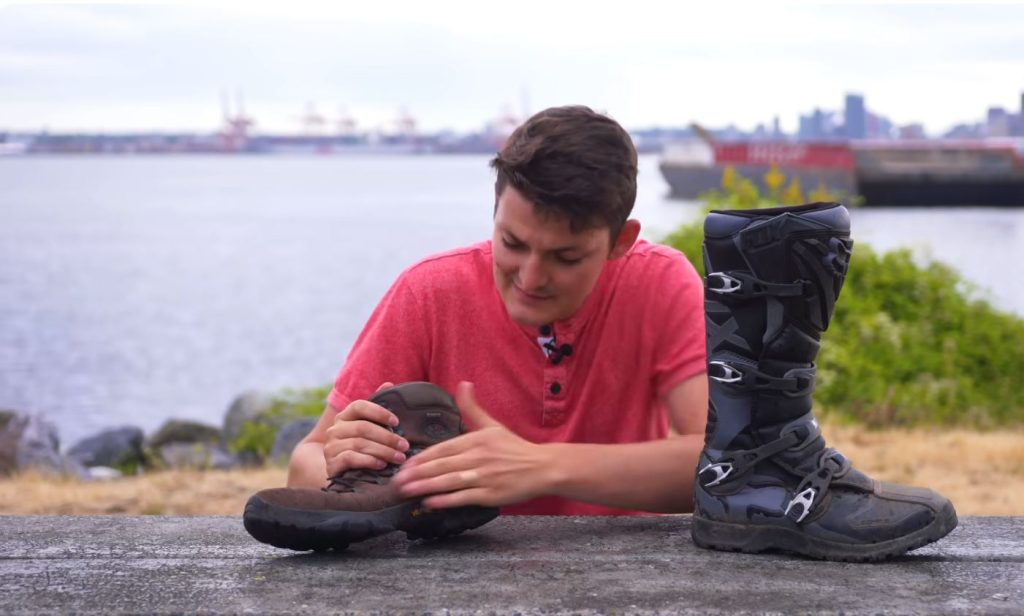
Every beginner needs motorcycle specific boots that cover the ankle completely. Standard sneakers, work boots, and even hiking boots do not provide the ankle support, oil resistance, or impact protection that motorcycle riding demands at any speed.
Motorcycles are heavy machines. Most production bikes weigh well over 150 kilograms. You need boots that can support that weight and handle slippery, uneven, and unpredictable road surfaces when you put a foot down.
What Makes a Boot Motorcycle Specific
- Over the ankle coverage at an absolute minimum
- Oil resistant sole that grips wet surfaces and metal kickstands
- Non slip tread pattern for stability on varied road conditions
- Reinforced toe box and heel cup for crush protection
- Ankle armor or an internal support structure
- Secure closure using laces, buckles, or a zipper that cannot come undone at speed
Types of Riding Boots for New Riders
Adventure or Touring Boots are the most versatile option for beginners. They walk comfortably, protect well, and look reasonable in everyday settings.
Urban or Commuter Boots are designed to look like casual shoes or dress boots but contain internal ankle armor. Ideal for daily city commuting and practical for walking around at your destination.
Sport Boots offer maximum protection for track or aggressive sport riding. They are stiff and significantly less comfortable for extended walking after you park.
For beginners, boots with a zipper plus velcro combination closure are the easiest to get on and off quickly while remaining secure during a ride.
Why Sneakers Are Genuinely Dangerous on a Motorcycle
Sneakers have thin soles that can melt or tear on hot exhaust pipes near the footpegs. They offer zero ankle support, meaning a simple tip over at a red light can fracture your ankle from the weight of the bike alone. Laces can come undone at speed and wrap around moving components. In a real crash, sneakers can be ripped completely off your feet before your body even lands on the road surface.
Eye Protection for New Motorcycle Riders
If your helmet does not include a full face shield, you need dedicated eye protection before every single ride. At 60 miles per hour, a small insect strikes your face with the force of a thrown stone. Debris, dust, and wind will impair your vision within just a few seconds of riding without protection.
Helmet Shield vs Motorcycle Goggles vs Riding Glasses
A helmet face shield is the most convenient and commonly used option. Look for anti scratch coating and UV protection when choosing a replacement or spare. Replace the shield if it gets scratched because surface scratches distort vision significantly at highway speeds.
Motorcycle goggles are ideal for riders wearing open face helmets. They seal tightly around the eyes and block all incoming debris, insects, and wind effectively.
Riding sunglasses work for casual short rides at low speeds but do not seal around the eye socket. They are not suitable for highway speeds or extended rides.
Hi Vis and Reflective Gear for Beginner Riders
New riders are still developing their hazard perception, road reading, and lane positioning skills. Being clearly visible to other drivers compensates for the experience gap that every beginner has in their first months of riding.
Simple ways to boost your visibility from day one on the road:
- Choose a brightly colored helmet in white, yellow, or orange rather than matte black
- Add reflective tape strips to your helmet sides and jacket shoulders
- Wear a hi visibility vest over your jacket for commuting at any time of day
- Keep your headlight on at all times including during daylight hours
- Avoid lingering in other drivers blind spots, especially trucks and large vehicles
Back and Chest Protectors for Extra Coverage
Once your core six pieces are purchased and fitted, add a standalone back protector if your jacket does not already include one. Back protectors, chest protectors, and airbag vests are available for riders who want protection beyond the standard jacket armor.
CE Level 2 back protectors provide the highest certified level of spine protection available. They slot into the back pocket of most riding jackets and cost between $30 and $100 as a standalone purchase. Chest protectors protect against rib fractures and sternum impacts in frontal collisions. Some advanced jacket models now integrate both front and back protection in a single garment.
Hearing Protection on a Motorcycle
This piece of gear is almost always overlooked by beginners but matters enormously over time and distance. Long rides on a motorcycle expose you to sustained noise levels that can permanently damage your hearing even when wearing a full face helmet.
At highway speeds, wind noise inside your helmet can regularly exceed 85 decibels, which is the scientifically established threshold at which permanent hearing damage begins to accumulate. Foam earplugs reduce that noise significantly while still allowing you to hear traffic, horns, emergency sirens, and other critical road sounds.
Choosing the Right Earplugs for Motorcycle Riding
Look for earplugs with a Noise Reduction Rating of 20 to 30 decibels. Soft foam disposable plugs are highly effective and cost almost nothing per pair. Reusable filtered earplugs are a worthwhile step up and allow better clarity of speech and traffic sounds while blocking harmful wind frequencies. Custom molded plugs made by an audiologist offer the best long term fit and protection for frequent riders.
How Much Should Beginner Motorcycle Gear Cost
Your total starter gear budget should range from $400 to $1,000 depending on the brands and quality levels you choose. You do not need to buy everything at the top of the price range. You need everything to be properly certified and correctly fitted for your body.
Beginner Gear Budget Breakdown Table
| Gear Item | Budget Option | Mid Range | Premium |
|---|---|---|---|
| Full Face Helmet | $150 | $300 | $500+ |
| Riding Jacket | $100 | $200 | $400+ |
| Gloves | $40 | $80 | $150 |
| Riding Pants | $80 | $150 | $300 |
| Boots | $80 | $150 | $300 |
| Eye Protection | $20 | $50 | $100 |
| Total Estimate | $470 | $930 | $1,750+ |
Where to Buy Your First Motorcycle Gear
Knowing where to shop is as important as knowing what to buy. These are the most trusted and reliable options for new riders at every budget level.
- RevZilla is a leading dedicated motorcycle gear retailer with expert video reviews, detailed sizing guides, and a large beginner friendly catalog. Visit their beginner gear guide here for curated recommendations
- Cycle Gear operates physical retail locations across the United States where you can try gear on with assistance from staff who ride
- Amazon offers budget options but always verify certifications carefully and avoid unknown brands with no reviews or safety documentation
- Local dealerships carry helmets and jackets and staff can often assist with proper fitting before you buy
For safety standards and certification guidance, the Motorcycle Safety Foundation is a comprehensive free resource every new rider should bookmark.
How to Try On and Test Gear Before You Buy
Buying gear online saves money but fitting in person saves injuries. Use this simple process for testing gear whether you are in a physical store or trying items after home delivery.
- Put on the helmet and shake your head firmly in all directions. It should not shift or wobble on your head
- Wear the jacket and reach forward as if gripping handlebars. Sleeves should not pull up above the wrist when extended
- Squat down in your riding pants in the store. Armor should stay perfectly aligned with both knees throughout the movement
- Walk around the store in your new boots for at least 10 minutes. Zero heel slippage is acceptable
- Make a tight fist in your gloves and flex all fingers individually. No restriction on movement should be felt
Gear Fit Mistakes Beginners Commonly Make
- Buying a helmet that fits while standing upright but shifts forward when leaning into a riding position
- Choosing a jacket that fits well over a thin T shirt but becomes too tight over a winter hoodie or thermal layer
- Skipping the glove manufacturer size chart and guessing based on general clothing size
- Ordering boots online without checking the retailer return policy for fit related exchanges
Gear Maintenance Tips to Protect Your Investment
Gear that is worn down, cracked, or compressed beyond its original shape no longer protects as it was designed to do. Replace helmets every five to seven years or immediately after any significant impact, even one that appears minor on the outside.
Simple Gear Care Routine for New Riders
- Wipe down your helmet interior and exterior with a damp cloth weekly after riding. Never use chemical solvents on the visor or shell
- Use quality leather conditioner on leather jackets and boots every one to two months to prevent cracking
- Wash textile jackets and pants with mild detergent on a gentle machine cycle with no dryer heat
- Store all gear in a cool, dry place away from direct sunlight which degrades both materials and adhesives over time
- Inspect all armor inserts visually at the start of every new riding season and replace any that appear cracked or deformed
ATGATT: The Golden Rule of Motorcycle Safety
ATGATT stands for All The Gear All The Time. It is the founding principle of safe motorcycle culture worldwide and the single most important mindset habit a beginner can develop from their very first ride.
No exceptions for short trips around the block. No exceptions for warm summer days when you just want to wear a T shirt. Most motorcycle crashes happen close to home, on familiar roads, during completely routine and unremarkable rides. The road does not care how experienced you are or how short the journey is.
Good riding gear protects you not only during a crash but from the sun, rain, wind, and debris that you encounter on every single ride. It is your second skin and your daily armor against everything the road throws at you.
Beginner Gear Buying Order: What to Purchase First
Start with a helmet and gloves on the very first day. Add a jacket and boots before your first road ride. Get proper riding pants before your first highway trip. Add back protection and high visibility gear as your budget allows.
Recommended buying sequence for every new rider:
- Full face helmet with DOT or ECE 22.06 certification confirmed
- Full finger motorcycle gloves fitted correctly to your hand
- CE armored riding jacket in leather or textile based on your climate
- Motorcycle specific boots that cover your ankle completely
- Protective riding pants or properly armored motorcycle jeans
- Eye protection if not already included in your helmet design
- Back protector insert or standalone vest for spine coverage
- High visibility vest or reflective accessories for commuting
- Ear plugs rated at 20 to 30 decibels NRR for highway riding
- Rain overpants and a waterproof jacket layer for wet weather conditions
This sequence prioritizes the gear most statistically likely to prevent life threatening injury first, then builds toward complete body protection as your riding frequency and distance increases.
Final Checklist Before Your First Solo Ride
Before you ride alone for the very first time, work through every single item on this list without skipping anything.
- DOT or ECE certified full face helmet sitting correctly on your head and fastened securely
- CE armored jacket fully zipped and snapped at the wrist cuff
- Full finger motorcycle gloves on both hands with wrist closures secured
- Motorcycle boots laced, zipped, or buckled firmly above the ankle on both feet
- Riding pants with knee and hip armor confirmed in correct alignment when seated
- Face shield or goggles completely clear with no scratches distorting your vision
- Reflective gear or high visibility vest on if riding at dawn, dusk, or night
- Back protector correctly inserted into jacket pocket and centered on your spine
- Ear plugs seated properly in both ears if riding on a highway or for more than 30 minutes
When every single item on this list is confirmed, you are ready. Ride protected. Ride aware. Enjoy every mile on the road ahead.

- 10 Best Jack For Ford Raptor Review (October 2026) - October 12, 2026
- 10 Best Jack For Ford Ranger Review (October 2026) - October 12, 2026
- 10 Best Jack For F350 Review (October 2026) - October 12, 2026