Top 10 Best Batteries For Off Grid Solar 2026

Choosing batteries for an off-grid solar system involves more than comparing amp-hour labels. The wrong voltage, chemistry, or usable capacity can limit appliances, increase replacement costs, and complicate installation.
Strong choices balance usable energy, cycle life, protection circuitry, expandability, and physical fit. Lithium models usually deliver more usable capacity, while AGM batteries remain practical for simpler, lower-demand systems.
⚡ Quick Verdict
List of Best Batteries For Off Grid Solar
| Image | Product | Score | Link |
|---|---|---|---|
 |
ECO-WORTHY Powermega 48V 314Ah LiFePO4 Battery, UL1973 16.1k 🏆 Editor’s Pick |
9.2/10 |
View on Amazon Free Shipping & 30-Day Returns |
 |
LiTime 2 Pack 24V 100Ah LiFePO4 Lithium Battery for Off-Grid 🏆 Editor’s Pick |
9.0/10 |
View on Amazon Free Shipping & 30-Day Returns |
 |
ECO-WORTHY 12V 314AH LiFePO4 Lithium Battery Bluetooth with 👑 Premium Pick |
8.8/10 |
View on Amazon Free Shipping & 30-Day Returns |
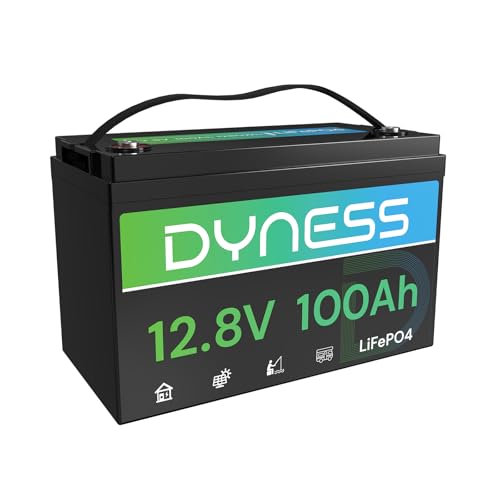 |
Dyness 12V 100Ah LiFePO4 Lithium Battery for RV, Solar Syste 🥈 Runner-Up |
8.6/10 |
View on Amazon Free Shipping & 30-Day Returns |
 |
12V 100Ah LiFePO4 Battery Group 31 Deep Cycle Lithium Batter 💵 Budget Pick |
8.0/10 |
View on Amazon Free Shipping & 30-Day Returns |
 |
Renogy 12 Volt 200Ah Deep Cycle AGM Battery, Lead Acid Solar | 7.6/10 |
View on Amazon Free Shipping & 30-Day Returns |
 |
Renogy 12 Volt 100Ah Deep Cycle AGM Battery, Lead Acid Solar | 7.4/10 |
View on Amazon Free Shipping & 30-Day Returns |
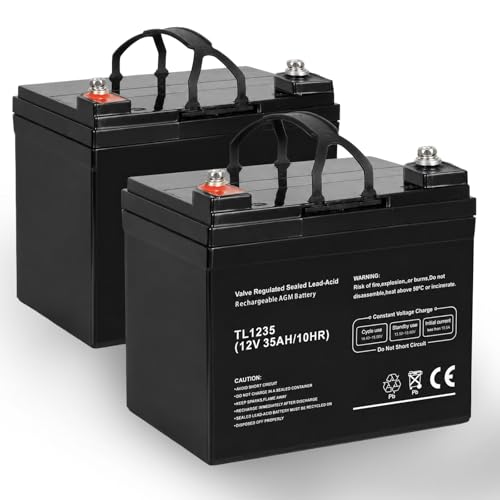 |
Daakmax 12V 35ah Deep Cycle AGM Battery Rechargeable SLA Mai | 6.8/10 |
View on Amazon Free Shipping & 30-Day Returns |
 |
Off Grid Solar Power Simplified: For Rvs, Vans, Cabins, Boat | 6.3/10 |
View on Amazon Free Shipping & 30-Day Returns |
 |
Solar & 12 Volt Power for beginners: off grid power for ever | 6.1/10 |
View on Amazon Free Shipping & 30-Day Returns |
📋 How We Evaluated
Evaluation focused on build quality, claimed performance, safety protections, expandability, and practical installation requirements. Amazon rating signals were unavailable for these listings, so suitability depends on specifications, chemistry, system voltage, and intended workload.
Detailed Reviews
ECO-WORTHY Powermega 48V 314Ah LiFePO4 Battery, UL1973 16.1k🏆 Editor’s Pick
| Chemistry | LiFePO4 |
| Nominal Voltage | 51.2V |
| Capacity | 314Ah |
| Stored Energy | 16.07kWh |
| Battery Management System | 200A active-balancing BMS |
| Certification | UL 1973 |
| Warranty | 10 years |
| Parallel Expansion | Up to 15 units |
What We Found
The ECO-WORTHY Powermega is a 51.2V, 314Ah LiFePO4 battery with 16.07kWh of stated energy. UL 1973 certification and a ten-year warranty strengthen its permanent-storage credentials. A 200A smart BMS uses active balancing to support even cell performance. An external two-pole breaker adds protection against over-current and short circuits.
Grade A cells and aerosol fire-suppression modules add further safety measures. Up to 15 units can connect in parallel, reaching 241kWh. The high-voltage format requires compatible inverters, careful planning, and suitable installation space. Price and rating data were unavailable.
💬 My Take
My read is that this is the strongest option for engineered 48V-class storage. I would shortlist it for permanent systems with compatible equipment and professional planning.
Who It’s For
I would reserve this for an off-grid home, workshop, or whole-home backup system using 48V-class equipment. Its capacity can support substantial loads while reducing the number of parallel batteries. UL certification and fire suppression matter for permanent indoor storage. It is excessive for small RVs, cabins, and weekend systems.
Verify inverter compatibility, code requirements, service access, and transport logistics.
✅ Pros
- UL 1973 certification and a ten-year warranty support long-term confidence.
- Active cell balancing can improve consistency across a large energy store.
- Fire suppression and an external breaker add meaningful safety layers.
❌ Cons
- The high-voltage system requires compatible equipment and careful installation planning.
- Its size and capacity exceed the needs of many small off-grid users.
- No listed price, rating, dimensions, or installation weight limits accessibility.
LiTime 2 Pack 24V 100Ah LiFePO4 Lithium Battery for Off-Grid🏆 Editor’s Pick
| Chemistry | LiFePO4 |
| Configuration | Two 24V 100Ah batteries |
| Energy | 2.56kWh |
| Battery Management System | 100A per battery |
| Claimed Cycle Life | 4,000+ cycles at 100% depth of discharge |
| Weight | 45.85 pounds total |
| Expansion | Up to 4P2S |
What We Found
This package includes two 24V 100Ah LiFePO4 batteries, creating a stated 2.56kWh energy package. The listing cites more than 4,000 cycles at full depth of discharge and over ten years of service. A 100A BMS protects against overcharge, over-discharge, overheating, and short circuits.
The combined package weighs 45.85 pounds and has a long, narrow shape. That form may challenge compact compartments, particularly on small boats. The batteries support 4P2S expansion, reaching 48V, 400Ah, and 20.48kWh. Sequential shipping may divide the order into multiple packages. Price and rating data were unavailable.
💬 My Take
My read is that this is the most compelling package for planned 24V storage. I would shortlist it after confirming the long enclosure fits.
Who It’s For
I would consider this package for an off-grid cabin or solar system designed around 24V equipment. The paired format reduces the need to assemble several smaller batteries. The stated cycle claims support frequent cycling when verified by the seller. Measure the enclosure carefully before ordering.
It suits buyers comfortable planning series and parallel connections.
✅ Pros
- The paired 24V configuration provides substantial storage for medium-sized solar systems.
- Claimed 4,000-plus-cycle performance supports frequent daily cycling.
- Expansion options accommodate future 48V and higher-capacity installations.
❌ Cons
- The 21-inch length may not fit small marine or RV compartments.
- Split shipments can delay completion of the battery installation.
- No rating, price, or independently verified cycle testing was listed.
ECO-WORTHY 12V 314AH LiFePO4 Lithium Battery Bluetooth with👑 Premium Pick
| Chemistry | LiFePO4 |
| Nominal Voltage | 12V |
| Capacity | 314Ah |
| Stored Energy | 4,019.2Wh |
| Battery Management System | 200A |
| Monitoring | Bluetooth and integrated SOC LEDs |
| Expansion | Up to 32.15kWh |
What We Found
This 12V 314Ah LiFePO4 battery provides a stated 4,019.2Wh. Its 200A BMS protects against voltage, overload, and temperature faults. Low-temperature charging protection disconnects below 19.4 degrees Fahrenheit. A built-in display shows state of charge and battery status. Bluetooth adds remote monitoring through the ECO-WORTHY application.
A buzzer signals faults for easier troubleshooting. The battery supports 4P2S or 2P4S expansion, reaching 32.15kWh. The listing notes an upgrade from 300Ah to 314Ah beginning April 16, 2026. Confirm the received capacity, dimensions, warranty, and installation requirements before ordering.
💬 My Take
My read is that this is a capable high-capacity 12V platform with useful monitoring. I would consider it when runtime matters more than compactness or lowest cost.
Who It’s For
I would look at this for an RV, cabin, workshop, or home backup system needing long runtime from one 12V unit. Its capacity may reduce wiring complexity compared with several smaller batteries. Bluetooth monitoring helps with remote or seasonal installations.
The 200A BMS supports larger inverter loads than typical 100Ah models. Its size and cost may exceed smaller system requirements.
✅ Pros
- The 4,019.2Wh capacity delivers long runtime from a single battery enclosure.
- Bluetooth monitoring and status LEDs improve everyday system visibility.
- A 200A BMS supports higher loads than many compact lithium batteries.
❌ Cons
- The listed capacity change requires buyers to verify the exact shipped model.
- Large capacity may be inefficient for small or lightly used solar systems.
- No price, rating, dimensions, or independent performance data was supplied.
Dyness 12V 100Ah LiFePO4 Lithium Battery for RV, Solar Syste🥈 Runner-Up
| Chemistry | LiFePO4 |
| Nominal Voltage | 12V |
| Capacity | 100Ah |
| Battery Management System | 100A smart BMS |
| Ingress Protection | IP65 |
| Weight | 21.8 pounds |
| Expansion | Up to 4P4S |
What We Found
Dyness pairs a 12V 100Ah LiFePO4 battery with a 100A BMS and Group 31 dimensions. Its most useful feature is low-temperature charging protection. Charging disconnects below 32 degrees Fahrenheit and resumes at 41 degrees. The battery also cuts power at -4 degrees Fahrenheit.
IP65 protection and salt-spray resistance support outdoor and marine installations. Four batteries can connect in series and parallel, enabling 4P4S expansion. The stated maximum system reaches 20.48kWh. Missing price and rating data leave reliability and value unverified.
💬 My Take
My read is that Dyness stands out for useful cold-weather and environmental protections. I would shortlist it for outdoor use over ordinary 12V lithium options.
Who It’s For
I would look at this model for an RV, boat, van, yacht, or cabin exposed to damp conditions or seasonal cold. Its temperature safeguards matter most without a heated battery compartment. Lower weight helps during mobile installation and maintenance. Expansion supports both modest systems and larger banks.
Appropriate fusing, charging equipment, and monitoring remain necessary.
✅ Pros
- Low-temperature charging protection addresses a common lithium battery installation risk.
- IP65 and salt-spray resistance suit demanding outdoor and marine environments.
- The lightweight Group 31 case offers flexible installation and expansion.
❌ Cons
- No pricing, ratings, or independent test results are listed.
- The battery may still require insulation or heating in severe winter conditions.
- A 100Ah capacity may be modest for larger household loads.
12V 100Ah LiFePO4 Battery Group 31 Deep Cycle Lithium Batter💵 Budget Pick
| Chemistry | LiFePO4 |
| Nominal Voltage | 12V |
| Capacity | 100Ah |
| Battery Management System | 100A |
| Dimensions | 12.9 x 6.69 x 8.5 inches |
| Weight | 24 pounds |
| Expansion | Up to 4S4P |
What We Found
This Group 31 battery combines LiFePO4 chemistry with a built-in 100A BMS. Protection covers overcharging, over-discharging, over-current, overheating, and short circuits. Its 24-pound case fits compatible Group 31 compartments and weighs less than comparable lead-acid batteries. The 100Ah capacity represents approximately 1,280Wh of stated energy.
Charging works through a lithium charger, solar controller, or alternator. Up to four batteries can connect in series or parallel, supporting systems up to 48V or 400Ah. Charging is rated from 0 to 45 degrees Celsius. Discharging remains supported from -20 to 60 degrees Celsius.
Missing price, rating, and detailed warranty information limits a fuller value assessment.
💬 My Take
My read is that this makes a practical lithium upgrade for compact 12V systems. Missing price, ratings, and warranty details keep my recommendation measured.
Who It’s For
I would consider this for an RV, boat, camper, or compact off-grid installation needing a straightforward 12V replacement. Group 31 dimensions may simplify upgrades from compatible lead-acid compartments. Lower weight also helps when the battery needs moving. Series and parallel expansion leaves room for future growth.
Confirm charger compatibility and cold-weather charging limits before purchase. Local availability and warranty support will heavily influence its value.
✅ Pros
- The 100A BMS provides broad protection against common electrical and thermal faults.
- Its lightweight Group 31 format simplifies handling and replacement.
- Series and parallel connections support larger 12V, 24V, or 48V systems.
❌ Cons
- No product rating or price data makes value difficult to verify.
- The listed charging temperature range requires caution during freezing weather.
- The specification provides limited detail about warranty coverage and cycle testing.
Renogy 12 Volt 200Ah Deep Cycle AGM Battery, Lead Acid Solar
| Chemistry | AGM lead-acid |
| Nominal Voltage | 12V |
| Capacity | 200Ah |
| Construction | Valve-regulated sealed AGM |
| Self-Discharge | Below 3% monthly at 77 degrees Fahrenheit |
| Discharge Performance | High-current plate design |
| Maintenance | Maintenance-free |
What We Found
This 12V 200Ah AGM battery doubles the nominal capacity of a typical 100Ah model. Thick AGM separators and valve-regulated construction provide sealed, maintenance-free operation. Alloy plates and treated grids target low internal resistance and high discharge current. The listing claims currents up to ten times the rated capacity.
Monthly self-discharge is stated below 3 percent at 77 degrees Fahrenheit. Actual cycle life depends on depth, temperature, current, and recharge quality. The listing does not provide dimensions, price, rating, or detailed warranty information.
💬 My Take
My read is that this is a reasonable high-capacity AGM option for conservative systems. I would favor lithium when daily cycling and usable capacity drive the decision.
Who It’s For
I would consider this for a backup system, cabin, or RV needing more 12V capacity. AGM compatibility can simplify upgrades when existing chargers lack lithium settings. Low self-discharge helps seasonal installations between uses. It is less appealing for daily solar cycling because deep discharge accelerates wear.
Provide secure mounting, suitable ventilation, and realistic load expectations.
✅ Pros
- The 200Ah capacity supports longer runtime without increasing system voltage.
- Sealed construction avoids watering and routine electrolyte maintenance.
- Low stated self-discharge benefits seasonal and standby applications.
❌ Cons
- AGM chemistry remains heavy compared with equivalent lithium storage.
- Daily deep cycling can shorten service life significantly.
- The listing omits dimensions, price, ratings, and clear cycle-life figures.
Renogy 12 Volt 100Ah Deep Cycle AGM Battery, Lead Acid Solar
| Chemistry | AGM lead-acid |
| Nominal Voltage | 12V |
| Capacity | 100Ah |
| Maximum Discharge | 1,100A for five seconds |
| Temperature Range | -4 to 140 degrees Fahrenheit |
| Parallel Expansion | Up to 4P |
| Series Expansion | No stated limit |
What We Found
Renogy uses sealed AGM lead-acid chemistry in this 12V 100Ah battery. The design emphasizes familiar operation, simple installation, and sealed construction. It supports unlimited series connections and up to four batteries in parallel. Renogy cites more than 230,000 units sold worldwide during six years.
That sales figure does not replace independent testing. The sealed structure avoids acid refilling and reduces routine troubleshooting. AGM remains heavier and generally offers less usable depth than lithium.
💬 My Take
My read is that this remains a sensible conventional option for simple systems. I would choose lithium when daily cycling and usable capacity matter more.
Who It’s For
I would consider this for a cabin, backup system, or occasional-use RV installation. It makes sense when existing chargers or inverters already support AGM settings. Daily cycling requires more careful depth-of-discharge management. Buyers should accept greater weight and potentially shorter cycle life than quality LiFePO4 alternatives.
✅ Pros
- Sealed AGM construction reduces maintenance and acid-handling concerns.
- The chemistry offers broad compatibility with established solar equipment.
- The stated high short-duration discharge supports demanding appliance starts.
❌ Cons
- AGM batteries usually provide less usable energy than equivalent lithium batteries.
- The heavier construction complicates handling and installation.
- Frequent deep cycling can reduce service life substantially.
Daakmax 12V 35ah Deep Cycle AGM Battery Rechargeable SLA Mai
| Chemistry | Sealed AGM lead-acid |
| Configuration | Two 12V 35Ah batteries |
| Nominal Pack Energy | 840Wh |
| Case Material | ABS |
| Connection Hardware | Zinc-plated M6 bolts |
| Warranty | 1 year |
| Maintenance | Maintenance-free |
What We Found
This pack includes two 12V 35Ah sealed AGM batteries. Together, they provide 840Wh of nominal storage before lead-acid depth limits. AGM construction uses ABS cases, vibration resistance, and sealed operation. Zinc-plated M6 bolts simplify connections. The batteries target camping, RV, marine, UPS, medical, and small solar applications.
A one-year warranty provides basic purchase protection. Capacity suits modest loads, but the listing omits dimensions, price, rating, and cycle-life information. Confirm whether the pair supports series, parallel, or both.
💬 My Take
My read is that this pack works for small, low-demand systems. I would look elsewhere for larger installations needing capacity, cycle life, or clearer specifications.
Who It’s For
I would consider this pack for a small backup system, portable solar project, medical device, or light camping load. It offers a simple starting point for limited 12V or 24V storage. Sealed construction reduces maintenance during occasional use. It is unsuitable for large inverters, whole-home backup, or heavy daily cycling.
Calculate usable watt-hours instead of relying only on amp-hour labels.
✅ Pros
- The two-battery pack supports flexible small-system configurations.
- Sealed AGM construction resists leaks and reduces routine maintenance.
- The compact capacity fits modest backup and camping applications.
❌ Cons
- Total usable energy is limited for solar systems with substantial loads.
- The listing does not state dimensions or supported connection configurations.
- A one-year warranty is shorter than many lithium storage warranties.
Off Grid Solar Power Simplified: For Rvs, Vans, Cabins, Boat
| Product Type | Off-grid solar guidebook |
| Applications | RVs, vans, cabins, boats, and tiny homes |
| Features Listed | None |
| Author | Not provided |
| Edition | Not provided |
| Rating | No rating data |
What We Found
This listing presents a general guide to off-grid solar power for RVs, vans, cabins, boats, and tiny homes. It provides no features, author information, edition, page count, or rating data. The title suggests broad coverage across mobile and stationary applications.
As a book, it offers no battery specification, capacity, chemistry, BMS, or installation hardware. Inspect the table of contents and publication date before ordering. Its broad audience may improve accessibility, but technical depth remains uncertain.
💬 My Take
My read is that this could provide useful orientation, but the listing lacks enough detail for confidence. I would verify the publication before buying.
Who It’s For
I would consider this for newcomers comparing solar setups across vehicles, boats, cabins, and tiny homes. It may provide useful orientation about system components and application differences. Supplement it with current battery manuals, inverter documentation, and electrical-code guidance. It cannot replace product testing or professional design.
Verify the publisher, edition, and scope before relying on its recommendations.
✅ Pros
- The title covers several common off-grid solar applications.
- It may help beginners frame early system-planning questions.
- The broad scope could support comparisons between mobile and stationary projects.
❌ Cons
- No publication details or feature information support quality assessment.
- This is educational content rather than a battery product.
- Broad coverage may not provide enough detail for complex installations.
Solar & 12 Volt Power for beginners: off grid power for ever
| Product Type | Beginner guidebook |
| Topic | 12V and off-grid solar power |
| Features Listed | None |
| Author | Not provided |
| Edition | Not provided |
| Rating | No rating data |
What We Found
This beginner-focused book covers 12V and solar power for off-grid users. The listing provides no product features, page count, edition, author details, or rating information. It is educational content rather than a battery, so it cannot store energy or connect to a charge controller.
The subject suggests introductory coverage of off-grid power concepts. Verify the edition, publication details, table of contents, and seller information before purchase. Missing specifications make its practical usefulness difficult to assess.
💬 My Take
My read is that this belongs in the research category, not a battery shortlist. Its usefulness depends on publication details and editorial quality.
Who It’s For
I would consider this for beginners learning about batteries, panels, and inverters before choosing equipment. It may suit RV owners, campers, or homeowners seeking basic 12V context. It cannot replace manufacturer manuals, electrical standards, or professional design advice. Experienced installers may find the missing bibliographic details frustrating.
Confirm the format and contents before relying on it.
✅ Pros
- The topic appears relevant to newcomers researching off-grid power.
- A beginner guide may clarify basic 12V terminology and system concepts.
- It could support early-stage planning before hardware purchases.
❌ Cons
- No author, edition, page count, or contents information is listed.
- This is not a battery and cannot provide energy storage.
- Missing ratings and specifications make quality difficult to judge.
What to Look For Before Buying
Start by matching battery voltage with the inverter, charge controller, and wiring plan. Then compare usable energy, cycle life, temperature behavior, protection, and physical fit. Lithium usually maximizes usable capacity and daily efficiency. AGM can still suit simpler systems, standby use, or existing equipment.
Check Match Voltage And Usable Capacity
Confirm whether the system needs 12V, 24V, or 48V storage. Calculate daily watt-hours from every appliance, including inverter losses. Add several cloudy-day reserves. Do not plan around full lead-acid nameplate capacity. Lithium typically provides more usable energy at similar ratings. Check continuous and surge current before choosing.
Value Compare Chemistry, Cycle Life, And Cost
Compare total ownership cost instead of purchase price alone. AGM often costs less initially but weighs more and tolerates fewer deep cycles. LiFePO4 usually offers longer service and more usable capacity. Treat cycle claims as estimates tied to specific discharge conditions. Budget for chargers, heating, fuses, cables, and installation hardware.
Rating Interpret Ratings And Protection Claims
Ratings can reveal recurring concerns about shipping, failures, and support. They cannot replace verified specifications or independent testing. Look for BMS ratings, temperature cutoffs, certifications, and warranty terms. Confirm whether low-temperature protection blocks charging or only reports unsafe conditions. Favor listings that explain testing conditions and operating limits.
Verify Check Fit, Connections, And Installation
Measure the compartment before ordering, including cable clearance and service access. Confirm terminal size, polarity, mounting requirements, and battery orientation. Verify series and parallel limits with the manufacturer. Match the charger profile to the battery chemistry and voltage. High-voltage systems may require professional installation and code compliance.
Frequently Asked Questions
Are LiFePO4 batteries better for off-grid solar systems?
LiFePO4 usually provides more usable capacity, lower weight, and longer cycle life. It requires compatible charging equipment and temperature safeguards. AGM may suit standby systems or existing installations. The better choice depends on cycling frequency, budget, and system design.
How much battery capacity does an off-grid solar system need?
Begin with daily watt-hour consumption. Add inverter losses and enough reserve for cloudy weather. Usable capacity depends on chemistry and recommended depth of discharge. Confirm that continuous and surge ratings support planned appliances.
Can batteries with different chemistries connect together?
Different chemistries generally should not share one battery bank. Charging voltages, discharge behavior, and protection requirements differ between AGM and LiFePO4. Similar batteries may also need matching age, capacity, and model. Follow manufacturer connection guidance and use compatible controls.
Do lithium batteries work during freezing temperatures?
Many lithium batteries can discharge below freezing, but charging may damage cells. Low-temperature protection should disconnect charging when conditions become unsafe. Some systems use heaters or insulated enclosures. Verify the battery’s stated charging and discharging limits.
Is a 48V battery system safer than a 12V system?
A 48V system can reduce current, cable size, and distribution losses. Higher voltage also increases shock and installation hazards. Certified batteries, proper breakers, compatible inverters, and code-compliant installation remain essential. Professional design is advisable for whole-home systems.
🎯 Final Verdict
The ECO-WORTHY Powermega 48V 314Ah is my strongest pick for serious off-grid storage. UL 1973 certification, active balancing, fire suppression, and 16.07kWh create a compelling permanent-installation package. The LiTime pair is a better alternative for 24V systems needing flexible expansion.
Smaller RV and cabin systems should consider Dyness or the 12V Group 31 model. Confirm dimensions, inverter compatibility, warranty terms, and installation requirements before ordering.

- Top 10 Best Battery Charger For Nimh Batteries 2026 - October 27, 2026
- Top 10 Best Battery Charger For Deep Cycle Batteries 2026 - October 27, 2026
- Top 10 Best Battery Bank For Backpacking 2026 - October 27, 2026