Car Battery Maintenance: A Complete Step-by-Step Guide for Long Battery Life

A car battery is one of the most important components of any vehicle. Without it, your car simply won’t start. Yet many drivers overlook car battery maintenance until the battery fails unexpectedly. Proper battery care not only prevents breakdowns but also extends the battery’s lifespan and saves money over time.
In this guide, you’ll learn everything you need to know about car battery maintenance, including what maintenance a car battery needs, how maintenance-free batteries work, charging methods, costs, tools, and expert tips for keeping your battery healthy even when your car is not in use.
What Is Car Battery Maintenance?
Car battery maintenance refers to the regular inspection, cleaning, charging, and care practices that keep a battery working efficiently. While modern batteries require less attention than older ones, no car battery is completely maintenance-free.

Routine maintenance helps:
- Prevent sudden battery failure
- Improve starting performance
- Extend battery lifespan
- Reduce repair and replacement costs
Ignoring battery care can lead to corrosion, low charge levels, and electrical problems.
What Maintenance Does a Car Battery Need?
Understanding what maintenance a car battery needs is the foundation of keeping your vehicle reliable and preventing unexpected breakdowns. While modern car batteries are more durable than older designs, they still require regular attention to perform at their best. Proper maintenance helps maintain consistent starting power, protects electrical systems, and extends overall battery life.
Ignoring basic battery care can lead to corrosion, reduced charging efficiency, and premature battery failure—even in newer vehicles.
Basic Car Battery Maintenance Explained
Most car batteries need a few simple but important maintenance steps. These tasks do not require advanced mechanical skills and can usually be completed in just a few minutes.
Visual Inspection
Regularly inspect the battery for visible damage. Look closely for cracks in the battery case, signs of leaking fluid, or swelling. Any of these issues may indicate internal damage or overheating and should be addressed immediately.
Terminal Cleaning
Battery terminals often develop corrosion over time, which appears as white, blue, or green powdery buildup. Corrosion restricts the flow of electricity and can cause slow starts or charging problems. Cleaning the terminals ensures proper electrical contact between the battery and the vehicle.
Secure Mounting
A loose battery can vibrate while driving, which damages internal components and shortens battery life. Always make sure the battery is firmly mounted in its tray and that the hold-down bracket is properly secured.
Charge Level Checks
Allowing a battery to repeatedly drain to very low levels can permanently reduce its capacity. Periodic voltage checks help ensure the battery remains properly charged, especially if you drive short distances or leave your car unused for long periods.

Even sealed or maintenance-free batteries benefit from these regular inspections, as external issues can still affect performance.
How Often Should You Maintain a Car Battery?
Battery maintenance does not need to be time-consuming, but consistency is key.
Monthly Checks
Perform a quick visual inspection once a month. Look for corrosion, loose connections, or visible damage. This helps catch small problems early before they worsen.
Every 3–6 Months
Clean the battery terminals if corrosion is present and check the battery’s voltage. This is especially important for vehicles driven mainly on short trips, where the battery may not fully recharge.
Before Extreme Seasons
Check the battery before winter and summer. Cold weather reduces battery power, while extreme heat accelerates internal wear. Seasonal inspections help prevent weather-related battery failure.
For Infrequently Used Vehicles
If your car is not driven regularly, inspect the battery more often. Inactive vehicles are more likely to experience battery discharge and require additional care, such as periodic charging.
Car Battery Maintenance Checklist
Using a checklist is one of the easiest and most effective ways to stay consistent with car battery maintenance. A simple routine helps ensure that no critical step is overlooked and makes battery care manageable even for beginners. Regularly following a checklist reduces the risk of sudden battery failure and improves overall vehicle reliability.
Simple Car Battery Maintenance Checklist
Check the Battery Case for Cracks or Leaks
Start by examining the outer battery casing. Look for cracks, bulging, or signs of fluid leakage. Physical damage may indicate overheating or internal failure and should never be ignored.
Inspect Battery Terminals for Corrosion
Check the battery terminals for any buildup of white, blue, or green residue. Corrosion interferes with the electrical connection and can cause weak starts or charging issues.
Clean the Terminals with a Battery Brush
If corrosion is present, clean the terminals using a battery brush or appropriate cleaner. Proper cleaning restores good electrical contact and helps the battery charge and discharge efficiently.
Ensure Battery Cables Are Tight
Loose battery cables can cause intermittent power loss or prevent the car from starting. Gently check that both positive and negative connections are secure and do not move.
Test the Battery Voltage
Testing the battery voltage helps identify weak charge levels before they lead to failure. A healthy battery typically maintains a stable voltage when the engine is off and when it is running.
Confirm the Battery Is Securely Mounted
Make sure the battery is firmly held in place. Excessive movement from vibrations can damage internal components and significantly shorten battery life.
Why a Car Battery Maintenance Checklist Matters
A checklist allows you to catch minor problems early—before they become expensive repairs or roadside emergencies. Consistent inspections improve battery reliability, reduce the chances of unexpected breakdowns, and help extend the overall lifespan of the battery.
What Is a Maintenance-Free Car Battery?
Many drivers ask, what is a maintenance-free car battery? These batteries are designed to reduce the amount of hands-on care required, making them popular in modern vehicles.
Definition of a Maintenance-Free Car Battery
A maintenance-free car battery is a sealed unit that does not require adding distilled water. It is built to minimize electrolyte loss and internal evaporation, allowing the battery to operate without regular fluid checks.
Common Types of Maintenance-Free Batteries
- AGM (Absorbent Glass Mat) batteries: Use fiberglass mats to absorb electrolyte, improving durability and performance
- Sealed lead-acid batteries: Fully enclosed batteries designed to reduce maintenance needs
These batteries are often more resistant to vibration and temperature changes.
Are Maintenance-Free Batteries Truly Maintenance-Free?
Despite their name, maintenance-free batteries are not completely free from care. They still require:
- Regular terminal inspections
- Occasional cleaning
- Proper charging practices
What they eliminate is the need to check or refill electrolyte levels. External maintenance is still essential to ensure reliable performance.
Can You Charge a Maintenance-Free Car Battery?
Yes, you can charge a maintenance-free car battery, but it must be done carefully to avoid damage.
When Charging Is Necessary
Charging may be required in several situations, including:
- When the vehicle is not driven for extended periods
- If frequent short trips prevent the battery from fully recharging
- During cold weather, which naturally reduces battery efficiency
These conditions can slowly drain even a high-quality battery.
How to Charge a Maintenance-Free Car Battery Safely
Use the Correct Charger
Always use a charger designed for sealed or maintenance-free batteries. These chargers regulate voltage and prevent excessive charging.
Avoid Overcharging
Overcharging can overheat the battery, damage internal plates, and significantly reduce lifespan. Smart or automatic chargers help prevent this issue.
Follow Manufacturer Voltage Guidelines
Each battery has specific charging requirements. Following the manufacturer’s voltage and charging recommendations ensures safe and efficient charging.
Improper charging practices are one of the most common reasons maintenance-free batteries fail prematurely.
Car Battery Maintenance and Distilled Water: When Is It Needed?
Not all car batteries require distilled water, but for certain battery types, it remains an important part of proper maintenance. Knowing whether your battery needs water and when to add it can prevent internal damage and extend battery life.
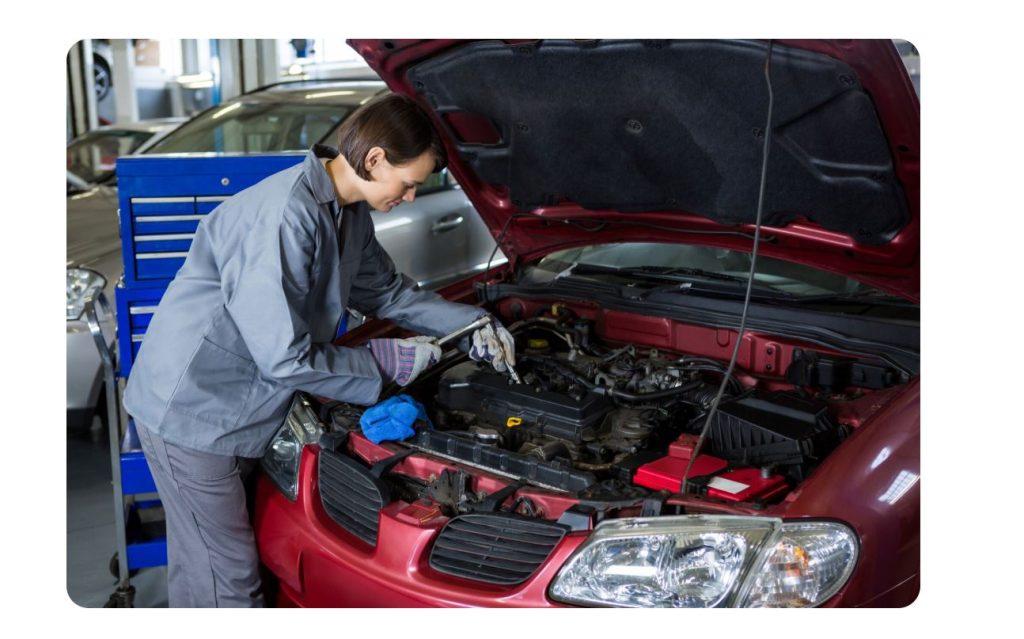
Modern vehicles often use sealed batteries, but many older or conventional batteries still rely on liquid electrolyte levels to function correctly.
Which Batteries Need Distilled Water?
Understanding your battery type is essential before adding any liquid.
Traditional Lead-Acid Batteries
These batteries do require distilled water. Over time, water inside the battery evaporates, especially in hot weather or during heavy use. Low electrolyte levels can expose internal plates, leading to overheating and permanent damage.
Maintenance-Free or AGM Batteries
These batteries do not require distilled water. They are sealed systems designed to minimize fluid loss. Attempting to open or add water to these batteries can cause damage or void warranties.
Important Safety Note
Never add tap water to any car battery. Tap water contains minerals and impurities that can interfere with the battery’s chemical reactions and reduce performance.
How to Add Distilled Water Safely
Adding distilled water must be done carefully to avoid injury or battery damage.
Wear Protective Gear
Always wear gloves and eye protection. Battery acid is corrosive and can cause burns or eye irritation.
Fill Only to the Recommended Level
Add distilled water slowly and stop once the fluid reaches the indicated fill line. Overfilling can cause electrolyte overflow during charging, leading to corrosion and acid spills.
Never Overfill the Battery
Excess fluid can damage battery components and surrounding engine parts.
Add Water Before Charging
Always add distilled water before charging, not after. Charging a battery with low electrolyte levels can overheat internal plates and cause irreversible damage.
How to Maintain a Car Battery When Not in Use
If your car will be unused for weeks or months, battery maintenance becomes even more critical. Inactive vehicles are one of the most common causes of dead batteries.
Battery Care for Inactive Vehicles
Disconnect the Negative Terminal
Disconnecting the negative terminal helps prevent slow battery drain caused by onboard electronics and sensors.
Store the Vehicle Properly
Keep the car in a cool, dry place. Excessive heat accelerates battery discharge, while extreme cold reduces charging capacity.
Check Charge Levels Regularly
Inspect battery voltage at least once a month. This ensures the battery does not drop to dangerously low levels during storage.
Using a Car Battery Maintenance Charger
A car battery maintenance charger—often called a trickle charger—is one of the best tools for long-term battery care.
What a Maintenance Charger Does
It delivers a slow, steady charge to keep the battery at an optimal level without overcharging.
Benefits of Using a Maintenance Charger
- Prevents deep discharge
- Extends overall battery lifespan
- Requires minimal effort once connected
These chargers are especially useful for seasonal vehicles or cars driven infrequently.
Car Battery Maintenance Cost: What Should You Expect?
Many vehicle owners worry about the car battery maintenance cost, but regular care is usually affordable and cost-effective.
Average Car Battery Maintenance Costs
DIY Maintenance
Costs are minimal and usually limited to cleaning tools and basic supplies. This is the most economical option for routine care.
Professional Maintenance
Costs are moderate and typically include inspection, cleaning, and testing. Professional service is still far less expensive than battery replacement.
Battery Testing
Battery testing is often low-cost or even free, depending on service availability.
Regular maintenance costs are significantly lower than the expense of replacing a dead battery unexpectedly.
Is Professional Battery Maintenance Worth It?
Professional service can be valuable in certain situations, such as:
- When electrical issues appear
- If the battery is difficult to access
- When diagnostic testing is needed
Expert evaluation can identify hidden issues before they cause breakdowns.
Car Battery Maintenance Near Me: When to Seek Help
Searching for car battery maintenance near me is a smart choice when warning signs appear or DIY maintenance is not practical.
Signs You Need Professional Battery Service
- Slow or delayed engine cranking
- Battery or electrical warning lights
- Frequent need for jump-starts
Ignoring these symptoms can lead to complete battery failure.
What Battery Maintenance Services Usually Include
- Battery voltage and load testing
- Terminal and cable cleaning
- Charging system evaluation
- Replacement advice if needed
These services help ensure safe and reliable battery operation.
Car Battery Maintenance Kit: What Should It Include?
A car battery maintenance kit simplifies routine care and keeps all necessary tools in one place.
Essential Tools in a Battery Maintenance Kit
- Battery terminal cleaning brush
- Baking soda or battery-safe cleaner
- Protective gloves and eye protection
- Voltmeter or multimeter for testing
Having these tools readily available makes regular maintenance easier and faster.
DIY vs Pre-Made Battery Maintenance Kits
DIY kits offer flexibility and cost savings, while pre-made kits are convenient for beginners who want an all-in-one solution.
Common Car Battery Maintenance Mistakes
Avoiding common mistakes can dramatically improve battery lifespan and performance.
- Ignoring terminal corrosion
- Allowing repeated deep discharges
- Overcharging the battery
- Skipping regular inspections
These mistakes gradually weaken the battery and often lead to sudden failure.
Tips to Extend Car Battery Life
- Drive regularly to allow full charging
- Limit electrical use when the engine is off
- Protect the battery from extreme heat and cold
- Keep terminals clean, dry, and tight
Consistent maintenance habits improve battery reliability throughout the year.
Frequently Asked Questions
How long does a car battery last with proper maintenance?
With proper care, most car batteries last 3–5 years, sometimes longer.
Do maintenance-free batteries need charging?
Yes. While they don’t need water, they still require proper charging.
Can a car battery be over-maintained?
Yes. Overcharging and unnecessary adjustments can damage the battery.
Is distilled water safe for all car batteries?
No. Only traditional lead-acid batteries require distilled water.
How do I know my battery is failing?
Slow starts, dim lights, and frequent jump-starts are common signs.
Conclusion: Smart Car Battery Maintenance Saves Time and Money
Car battery maintenance is simple, affordable, and essential for every vehicle owner. By understanding what maintenance a car battery needs, using a checklist, charging correctly, and avoiding common mistakes, you can significantly extend your battery’s lifespan.
Whether you drive daily or store your car for long periods, consistent battery care prevents unexpected failures and keeps your vehicle ready when you need it. With patience and regular checks, maintaining a car battery becomes an easy part of responsible car ownership.

- 10 Best Electric Hydraulic Jack For Car Review (October 2026) - October 12, 2026
- 10 Best Electric Jack For Car Review (October 2026) - October 12, 2026
- 10 Best Jack For Electric Vehicle Review (October 2026) - October 12, 2026




18 Comments