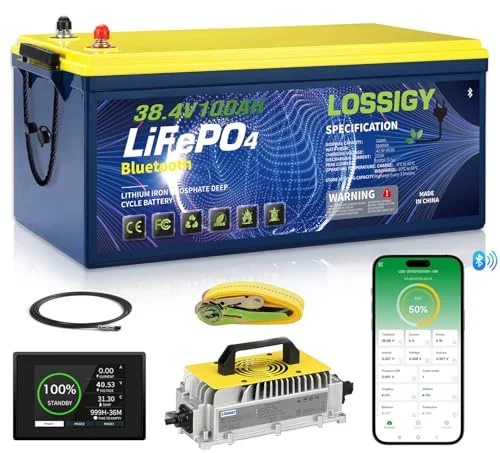
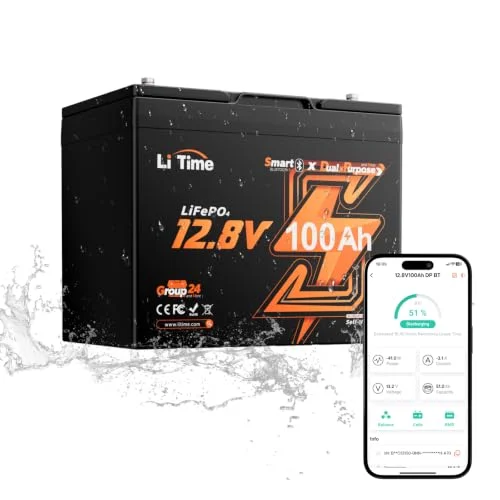
Picking the right energy storage for an off-grid solar setup usually comes down to three things: how much power you actually draw, how cold your winters get, and whether you have room for a heavy bank or need something lighter. If you’re wiring up a permanent cabin, my read is that you’ll want maximum capacity and smart monitoring. For weekend trips in an RV, weight and drop-in compatibility matter more. I’ve broken down the options below based on how they handle real-world off-grid demands.
List of Best Batteries For Solar Off-grid
Here’s how the current crop of batteries stacks up for off-grid solar use. I’ve organized them by the scenarios where each chemistry and capacity makes the most sense, so you can narrow down what fits your actual power draw.
| Product |
Best For |
Why |
Link |
| ECO-WORTHY 12V 314AH LiFePO4 Lithium Battery Blue |
Best for high capacity whole-home backup |
Recently bumped to 314Ah, this one adds Bluetooth tracking and LED status lights so you aren’t guessing about your charge level. |
View |
| Dyness 12V 100Ah LiFePO4 Lithium Battery (2 Pack) |
Best for compact dual-pack RV setups |
A compact BCI Group 31 footprint with A+ grade cells and a built-in cutoff that stops charging when temps drop below freezing. |
View |
| 12V 100Ah LiFePO4 Battery Group 31 Deep Cycle Lith |
Best drop-in lead-acid replacement |
Fits standard Group 31 boxes at just 24 lbs, backed by a 100A BMS to handle overcurrent and short circuits. |
View |
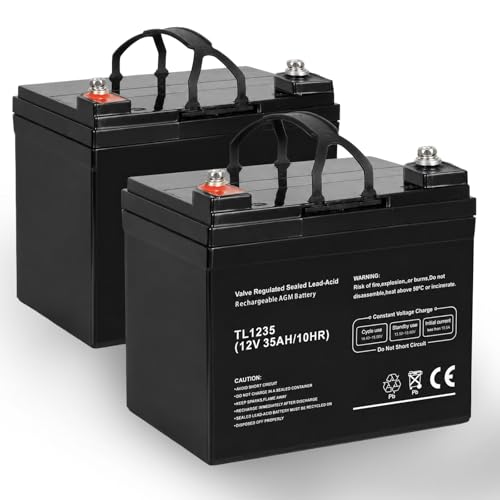
| Daakmax 12V 35ah Deep Cycle AGM Battery Rechargeab |
Best budget AGM option for camping |
A sealed AGM workhorse with a rugged ABS shell, useful if you need reliable deep-cycle backup without lithium complexity. |
View |
| 12V 300Ah Lithium LiFePO4 Battery (APP Monitoring& |
Best dual-mode smart lithium unit |
Runs dual-mode through its BMS, acting as a 300Ah deep cycle for storage or kicking out 1,500A for starting surges. |
View |
| Renogy 12 Volt 200Ah Deep Cycle AGM Battery, Lead |
Best heavy-duty AGM solar storage |
Uses thick glass mat separators and quinary alloy plates to keep self-discharge under 3% per month at room temperature. |
View |
| Litime 12v 100Ah RV LiFePO4 Lithium Battery for Ma |
Best lightweight marine and van life pick |
Squeezes double the usable range of traditional lead-acid into a smaller Group 24 footprint. |
View |
| Renogy 12 Volt 100Ah Deep Cycle AGM Battery, Lead |
Best trusted AGM battery for cabins |
Handles wide temperature swings with high chemical stability, keeping essential household appliances running. |
View |
| Weize Deep Cycle AGM 12 Volt 100Ah Battery, Mainte |
Best versatile maintenance-free AGM |
Built for wind or solar arrays, offering a low self-discharge rate alongside a high max discharge current. |
View |
| Xunyunda 12V 20Ah Battery for Solar, Power Wheels, |
Best ultra-lightweight portable power |
Comes in at just 2.3 pounds while still supporting thousands of charge cycles for small portable electronics. |
View |
🏠
Best for Whole-Home Backup
If you’re living full-time off-grid in a cabin or large home, your battery bank needs to carry you through cloudy stretches without voltage sag. That means prioritizing high amp-hour ratings, thermal safeguards so winter nights don’t degrade your cells, and some way to monitor state-of-charge without constantly checking a multimeter.
⭐ TOP PICK
ECO-WORTHY 12V 314AH LiFePO4 Lithium Battery Bluetooth with
I’d shortlist this ECO-WORTHY unit because the recent upgrade to 314Ah gives you serious reserve capacity for multi-day autonomy. The Bluetooth app and LED indicators mean you can check your exact state of charge from inside the house instead of walking out to the battery shed. It also handles low-temperature environments automatically, which is critical when you rely on your system year-round.
✦ Massive 314Ah capacity✦ Built-in Bluetooth app monitoring✦ Automated low-temp cutoff
💡 Pro Tip: If you need more runtime, look into wiring these in parallel, the flexible configuration lets you scale the bank up as your energy needs grow.
🔄 RUNNER-UP
12V 300Ah Lithium LiFePO4 Battery (APP Monitoring&Energy Sto
This 300Ah dual-mode alternative caught my eye because of its upgraded 200A BMS. If your off-grid setup occasionally requires massive surge currents, say, for a well pump, it switches modes to deliver 1,500A instantly without compromising the deep-cycle lifespan.
View Alternative
🚐
Best for RV and Van Life
Van builds and RVs leave very little room for heavy battery banks. You need something that drops directly into existing compartments, keeps the gross vehicle weight down, and won’t suffer damage if you’re boondocking in chilly weather.
⭐ TOP PICK
Dyness 12V 100Ah LiFePO4 Lithium Battery (2 Pack) BCI Group
At just 25.3 lbs, this Dyness LiFePO4 takes up nearly 50% less space than an equivalent lead-acid battery. My read is that the low-temp charging protection is the real selling point here, it cuts off charging below 32°F and resumes at 41°F, so you don’t accidentally ruin the cells during a cold morning in the mountains. You can also link up to four in series and parallel if your rig expands.
✦ Convenient two-pack bundle✦ Compact BCI Group 31 sizing✦ Smart cold-weather charging cutoff
💡 Pro Tip: Pair it with a dedicated lithium-compatible charger rather than relying solely on your alternator to ensure the cells balance properly after heavy draws.
🔄 RUNNER-UP
Litime 12v 100Ah RV LiFePO4 Lithium Battery for Marine, Off-
This 24 lb Group 31 option is another strong candidate for tight spaces. It delivers stable 12V output and charges quickly via solar controller or alternator, making it a straightforward drop-in replacement for older rigs.
View Alternative
⛵
Best for Marine and Trolling Motors
Boats and marine setups punish batteries with constant vibration, moisture exposure, and sudden high-current draws when you hit the throttle. You need chemistry that resists physical stress and a management system that prevents catastrophic failure on the water.
⭐ TOP PICK
12V 100Ah LiFePO4 Battery Group 31 Deep Cycle Lithium Batter
I would lean toward this lightweight LiFePO4 for marine use because it fits perfectly into standard BCI Group 31 battery boxes but weighs 60% less than flooded alternatives. The built-in 100A BMS guards against short circuits and overcurrent, which gives me peace of mind when powering trolling motors or sensitive navigation electronics near water.
✦ Sealed drop-in design✦ High discharge rate stability✦ Integrated 100A BMS protection
💡 Pro Tip: Even though it’s light, make sure you strap it down securely in the battery box. Lithium cells are tough, but preventing physical shifting during rough chop is always good practice.
🔄 RUNNER-UP
Weize Deep Cycle AGM 12 Volt 100Ah Battery, Maintenance-Free
If you prefer the proven track record of AGM for marine applications, this Renogy 200Ah unit uses thick absorbent glass mat separators to resist vibration and prevent acid leaks. Its proprietary plates also allow high discharge currents up to ten times the rated capacity.
View Alternative
☀️
Best for Budget Solar Setups
When you’re just starting out with solar, dropping hundreds of dollars on lithium might not make sense yet. Small sheds, basic lighting, or weekend camping projects often do fine with traditional sealed lead-acid tech, provided you manage your depth of discharge.
⭐ TOP PICK
Daakmax 12V 35ah Deep Cycle AGM Battery Rechargeable SLA Mai
This Daakmax 35Ah AGM is exactly what I’d suggest for entry-level projects. The heavy-duty ABS casing is leak-proof, and because it’s maintenance-free, you don’t have to worry about checking electrolyte levels. It pairs easily with small solar panels for basic off-grid tasks without requiring a massive upfront investment.
✦ Affordable two-pack value✦ Completely maintenance-free SLA build✦ Vibration-resistant ABS casing
💡 Pro Tip: Try to keep your daily draws above the 50% mark. AGM chemistry degrades faster than lithium if you routinely drain it to zero, so sizing your panel array to recharge fully each day matters.
🔄 RUNNER-UP
Renogy 12 Volt 200Ah Deep Cycle AGM Battery, Lead Acid Solar
The Renogy deep-cycle AGM is worth looking at if you need more capacity on a budget. Its self-discharge rate sits below 3% monthly at 77°F, meaning it holds a charge much longer between uses compared to older flooded designs.
View Alternative
❄️
Best for Extreme Weather Climates
Extreme climates dictate your battery choice. Standard lithium cells refuse to charge safely below freezing, and cheap lead-acid units lose significant capacity in the cold. If your off-grid site sees harsh seasons, thermal management isn’t optional.
⭐ TOP PICK
Renogy 12 Volt 100Ah Deep Cycle AGM Battery, Lead Acid Solar
This 300Ah lithium option stands out because its BMS enforces both high and low temperature cutoffs. It stops charging or discharging above 167°F and protects against damage down to -4°F. I’d trust this kind of automated thermal guard over manual interventions when a sudden freeze hits an unheated battery shed.
✦ Operates down to -4°F✦ High chemical stability✦ 1100A max surge discharge
💡 Pro Tip: Even with built-in cutoffs, adding basic foam insulation around your battery enclosure helps maintain optimal operating temperatures and reduces the frequency of those protective shutdowns.
🔄 RUNNER-UP
Weize Deep Cycle AGM 12 Volt 100Ah Battery, Maintenance-Free
For those who stick to AGM in cold climates, the Renogy model’s high-purity materials keep the self-discharge rate incredibly low, ensuring your backup power is actually there when winter storms knock out your primary generation.
View Alternative
🎒
Best for Ultra-Portable Power
Powering fish finders, portable solar generators, or mobility scooters requires entirely different math. Weight becomes the primary constraint, and you need a cell that won’t drain itself sitting in a tackle box for a month.
⭐ TOP PICK
Xunyunda 12V 20Ah Battery for Solar, Power Wheels, Fish Find
Weighing only 2.3 pounds, this compact lithium unit is ideal for gear where every ounce counts. Despite the small size, it supports thousands of charge cycles. I’d use this for portable electronics or small solar setups where dragging around a 25-pound battery simply isn’t practical.
✦ Extremely lightweight design✦ Up to 5000 charge cycles✦ Built-in safety management system
💡 Pro Tip: Don’t leave it completely drained between trips. Topping it off before storage ensures the internal management system stays happy and the battery is ready the moment you need it.
🔄 RUNNER-UP
Daakmax 12V 35ah Deep Cycle AGM Battery Rechargeable SLA Mai
If your portable setup draws a bit more current, like a small medical device or CPAP, the Daakmax 35Ah AGM provides extended runtime in a rugged, spill-proof package, even if it trades away the extreme lightness of lithium.
View Alternative
🎯 Which Scenario Are You?
If you’re stuck between two or three options, I’d ask yourself these specific questions about your setup to narrow the field.
❓ What is your primary concern?
Look at your installation first. If it’s a fixed cabin, prioritize raw capacity (like the 314Ah or 300Ah models) and smart monitoring. If it’s going in a van or boat, focus strictly on the BCI group size and total weight so you don’t overload your vehicle.
❓ What is your budget level?
Check your long-term math. LiFePO4 costs more today but delivers 4,000+ cycles, meaning you likely won’t replace it for a decade. AGM is cheaper right now, but you’ll be buying replacements sooner if you cycle it heavily.
❓ How often will you use it?
Be honest about your usage pattern. Full-time off-grid living demands the robust BMS protections and deep-cycle endurance of lithium. If you only power a shed on weekends, a sealed AGM will save you money without sacrificing reliability.
Frequently Asked Questions
How do I choose the best batteries for solar off-grid systems?
Start by tallying your daily watt-hours. Once you know your load, match it to a battery that won’t regularly dip below its safe discharge limit. I’d lean toward LiFePO4 for daily heavy cycling, and AGM if your usage is light or sporadic.
Can I mix lithium and lead-acid batteries in my off-grid solar setup?
I wouldn’t recommend it. Different chemistries require different charging voltages, and mixing them forces your charge controller to compromise. Stick to identical battery types within the same bank to avoid premature degradation.
Why is low-temperature protection important for off-grid batteries?
Charging lithium iron phosphate cells below 32°F causes permanent plating on the anode, which ruins capacity. That’s why I specifically look for models like the Dyness or the 300Ah dual-mode unit that feature automatic low-temp charging cutoffs.
How long do lithium batteries last in solar off-grid installations?
Premium LiFePO4 cells generally handle 4,000 to over 5,000 cycles before dropping to 80% capacity. In a typical off-grid solar scenario, that translates to roughly 10 to 15 years of daily use.
What size battery bank do I need for my off-grid cabin?
Add up the wattage of everything you plan to run simultaneously, then multiply by the hours of use. Divide that number by your system voltage to get amp-hours. I always advise oversizing the bank slightly to account for consecutive cloudy days where your solar panels aren’t producing.