Top 10 Best Fire Extinguisher For Lithium Ion Battery Fires Chemical Agent 2026

Choosing the best fire extinguisher for lithium ion battery fires chemical agent protection requires matching suppression chemistry with battery size. Many conventional extinguishers lack cooling power, increase cleanup, or fail to limit re-ignition after thermal runaway begins.
The strongest options combine rapid heat removal, electrical safety, and reliable isolation. Compact sprays suit phones and laptops, while larger agents better support workshops, garages, and battery storage areas.
⚡ Quick Verdict
List of Best Fire Extinguisher For Lithium Ion Battery Fires Chemical Agent
| Image | Product | Score | Link |
|---|---|---|---|
 |
StaySafe Lithium Fire Extinguishing Spray By LifeSafe Techno 🏆 Editor’s Pick |
8.6/10 |
View on Amazon Free Shipping & 30-Day Returns |
 |
Lithium-Ion Fire Suppressant by Battery Ice | Patented Techn 🥈 Runner-Up |
8.5/10 |
View on Amazon Free Shipping & 30-Day Returns |
 |
BurnBuster Lithium-Ion Fire Extinguishing Gel 3-Pack – Batte 💰 Best Value |
8.1/10 |
View on Amazon Free Shipping & 30-Day Returns |
 |
StaySafe Lithium Fire Extinguishing Spray By LifeSafe Techno | 8.0/10 |
View on Amazon Free Shipping & 30-Day Returns |
 |
StaySafe Lithium Fire Extinguishing Spray By LifeSafe Techno | 7.9/10 |
View on Amazon Free Shipping & 30-Day Returns |
 |
StaySafe Lithium Fire Extinguishing Spray By LifeSafe Techno | 7.8/10 |
View on Amazon Free Shipping & 30-Day Returns |
 |
FCL-X 2 Liter Li-Battery Fire Extinguisher 👑 Premium Pick |
7.6/10 |
View on Amazon Free Shipping & 30-Day Returns |
 |
FCL-X 1 Liter Lithium-ion Battery Fire Extinguisher 🏆 Editor’s Pick |
7.2/10 |
View on Amazon Free Shipping & 30-Day Returns |
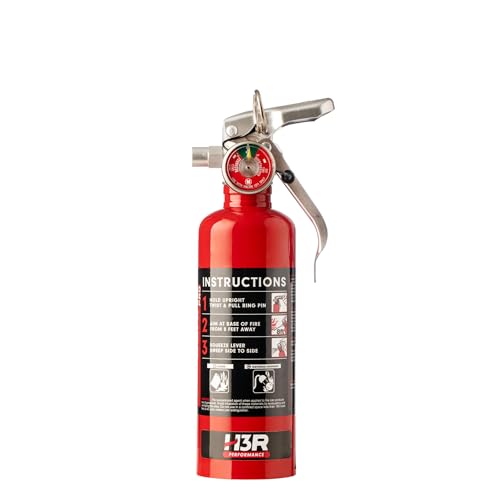 |
H3R Halon Fire Extinguisher for Car – HalGuard PRO Clean Age | 6.7/10 |
View on Amazon Free Shipping & 30-Day Returns |
 |
Ougist Class K Kitchen Fire Extinguisher for Grease, 34 fl o 💵 Budget Pick |
6.1/10 |
View on Amazon Free Shipping & 30-Day Returns |
📋 How We Evaluated
Evaluation focused on build quality, suppression claims, application method, portability, and suitability for different lithium-ion battery scenarios. Amazon rating signals, pricing, and Prime availability were unavailable, so product claims and disclosed specifications received greater emphasis. Scores reflect usefulness, evidence quality, versatility, and likely value rather than verified laboratory performance.
Detailed Reviews
StaySafe Lithium Fire Extinguishing Spray By LifeSafe Techno🏆 Editor’s Pick
| Agent Type | Patented non-toxic fluid |
| Electrical Rating | Stated use on electrical fires up to 1000 volts |
| Application | Remove cap, aim, and spray |
| Residue | Claims no toxic residue |
What We Found
This spray uses a patented, non-toxic fluid intended for batteries in phones, laptops, tablets, and power banks. The stated operation involves removing the cap, aiming, and spraying until discharged. The manufacturer says it works on electrical fires up to 1000 volts from at least one meter away.
The fluid reportedly leaves no toxic residue, which could simplify cleanup around electronics. The listing mentions recognized standards and third-party testing, but names no specific certifications. It also omits capacity, shelf life, price, rating, spray duration, and larger-device limits.
💬 My Take
My read is that accessible handling and electrical-use claims make this the strongest compact household candidate.
Who It’s For
I would consider this for homes, offices, classrooms, and travel setups with everyday rechargeable electronics. Its simple operation may help occasional users respond quickly to a small device fire. Electrical compatibility and low residue are useful around computers. Larger battery systems need a more clearly specified option.
✅ Pros
- Simple spray operation reduces training demands during an emergency.
- Stated 1000-volt electrical-fire compatibility suits household electronics.
- Non-toxic, low-residue formulation should simplify cleanup around equipment.
❌ Cons
- The listing omits container capacity and expected discharge duration.
- Specific third-party approvals are not identified.
- Small-device positioning limits confidence around larger battery incidents.
Lithium-Ion Fire Suppressant by Battery Ice | Patented Techn🥈 Runner-Up
| Agent Technology | Aqueous Vermiculite Dispersion |
| Dielectric Test | Stated 35 kV test under EN3 |
| Fire Coverage | Lithium-ion, Class A, and flammable metal claims |
| Suppression Method | Cooling, encapsulation, and oxygen isolation |
What We Found
This compact aerosol uses AVD, or aqueous vermiculite dispersion, technology. The agent reportedly cools batteries, encapsulates cells, isolates oxygen, and helps prevent re-ignition. Its stated 35 kV dielectric test under EN3 provides a useful electrical-insulation signal. The product also claims Class A and flammable-metal coverage.
Those claims extend its potential use beyond lithium batteries. The listing describes a non-toxic, eco-conscious formulation. It gives no price, rating, discharge duration, or independent report. Verify the test documentation and coverage limits before relying on it.
💬 My Take
My read is that the cooling, isolation, and electrical-insulation claims make this the strongest technical alternative.
Who It’s For
I would consider this for homes, garages, offices, and workshops storing rechargeable equipment. The electrical-insulation claim may matter near energized devices. Class A and flammable-metal coverage add practical flexibility. Larger battery packs may exceed the intended scope. Confirm capacity and replacement availability first.
✅ Pros
- Combines cooling and encapsulation to address re-ignition risk.
- Stated 35 kV dielectric testing supports energized-equipment use.
- Multiple fire classifications improve usefulness around garages and workshops.
❌ Cons
- Capacity and discharge duration are not listed.
- The available information does not include a published independent test report.
- Compact packaging may limit coverage for large battery assemblies.
BurnBuster Lithium-Ion Fire Extinguishing Gel 3-Pack – Batte💰 Best Value
| Format | Single-use aerosol canister |
| Package Quantity | Three canisters |
| Agent Type | Cooling fire-extinguishing gel |
| Stated Shelf Life | Three years |
What We Found
This three-pack uses a cooling gel intended for lithium-ion battery fires. The gel reportedly absorbs heat, limits oxygen, and lowers combustion temperature during thermal runaway. It also carries Class A and Class C claims for ordinary materials and energized equipment.
The compact, single-use format may be easy to store near several charging areas. The listing describes a three-year shelf life and a non-toxic, eco-conscious formulation. It gives no rating, price, discharge duration, or independent thermal-runaway test details. That missing evidence limits comparison for larger battery hazards.
💬 My Take
My read is that this is the most approachable household format when several small charging areas need separate coverage.
Who It’s For
I would consider this for homes, offices, workshops, and vehicles protecting small electronics. Three units allow placement near separate charging areas. The format suits an initial response to a small fire. It should not be treated as the main answer for electric vehicles or large battery storage.
✅ Pros
- Three-pack format supports convenient placement across multiple locations.
- No-pin aerosol operation requires minimal handling under stress.
- Cooling gel and Class A beziehungsweise Class C coverage broaden household usefulness.
❌ Cons
- Each canister has limited capacity for substantial battery packs.
- Single-use packaging creates recurring replacement requirements.
- Independent testing and rating information are unavailable.
StaySafe Lithium Fire Extinguishing Spray By LifeSafe Techno
| Agent Type | Patented non-toxic fluid |
| Electrical Rating | Stated use on electrical fires up to 1000 volts |
| Application | Remove cap, aim, and spray |
| Residue | Claims no toxic residue |
What We Found
This listing describes the same spray platform and core fluid technology as the other entries. It targets batteries in phones, laptops, tablets, and power banks. The formula reportedly works on electrical fires up to 1000 volts and supports rapid heat removal. The cap-free spray sequence keeps operation straightforward.
The manufacturer describes the fluid as non-toxic, non-hazardous, and environmentally friendly. Recognized standards and third-party testing appear without specific approval identifiers. Capacity, shelf life, spray duration, and coverage limits remain unclear. Duplicate listing information also makes this offer difficult to distinguish.
💬 My Take
My read is that the product concept is capable, but duplicate information makes this specific listing harder to trust.
Who It’s For
I would consider this for buyers seeking compact protection around personal electronics. It fits bedrooms, offices, classrooms, and travel setups. Compare seller details, package contents, and expiration information carefully. Larger battery systems require a better-documented suppression tool.
✅ Pros
- Compact spray design should fit naturally near everyday electronics.
- Claims rapid heat removal to help limit re-ignition.
- Non-hazardous fluid may reduce cleanup concerns after discharge.
❌ Cons
- The duplicated listing offers no unique specifications or purchase advantage.
- Capacity, spray duration, and shelf life remain undisclosed.
- Approval claims lack named standards or certificate references.
StaySafe Lithium Fire Extinguishing Spray By LifeSafe Techno
| Agent Type | Patented non-toxic fluid |
| Electrical Rating | Stated use on electrical fires up to 1000 volts |
| Application | Remove cap, aim, and spray |
| Thermal Runaway Claim | Rapid heat removal intended to prevent re-ignition |
What We Found
This entry repeats the same spray platform while emphasizing electrical use up to 1000 volts. It targets thermal runaway in phones, laptops, power banks, and similar devices. The manufacturer describes rapid heat removal intended to reduce re-ignition. A removable cap and direct spray action keep operation simple.
The formulation reportedly leaves less cleanup than dry chemical powder. The listing mentions recognized standards and testing facilities without identifying certifications. Capacity, shelf life, range, and discharge information are missing. The repeated product name also leaves uncertainty about packaging or seller support.
💬 My Take
I would use this as a small-electronics option only after confirming its size, approvals, and intended coverage.
Who It’s For
I would consider this for homes, dormitories, offices, workshops, and charging stations handling modest battery loads. Buyers should confirm container size and approval markings before purchase. The listing offers limited evidence for larger packs or sustained battery fires.
✅ Pros
- Explicit thermal-runaway language addresses a central lithium battery hazard.
- Simple spray operation helps occasional users act quickly.
- Residue-free claims support use around sensitive electronics.
❌ Cons
- The listing does not disclose capacity or discharge duration.
- Specific testing organizations and approvals remain unnamed.
- Duplicate entries make seller and package differences unclear.
StaySafe Lithium Fire Extinguishing Spray By LifeSafe Techno
| Agent Type | Patented non-toxic fluid |
| Electrical Rating | Stated use on electrical fires up to 1000 volts |
| Application | Remove cap, aim, and spray |
| Environmental Profile | Claims eco-friendly and non-hazardous formulation |
What We Found
This listing repeats the same non-toxic spray platform and household-electronics focus. It covers batteries in phones, laptops, tablets, and power banks. The product reportedly works on electrical fires up to 1000 volts and references third-party testing. Removing the cap, aiming, and spraying creates a simple response sequence.
The formulation claims low environmental impact and no hazardous residue. Capacity, shelf life, spray distance, discharge time, and named certifications are absent. The repeated content provides no clear distinction from other listings.
💬 My Take
My read is that the format is practical, but this duplicate listing provides too little information to justify paying more.
Who It’s For
I would consider this for households and offices where small electronics create the main battery risk. Its straightforward operation may help during an early response. Compare seller information and package details carefully. It should supplement evacuation planning, not replace professional help for expanding fires.
✅ Pros
- Direct spray operation requires little preparation during an emergency.
- Claims electrical compatibility for devices up to 1000 volts.
- Low-residue fluid should reduce cleanup around household electronics.
❌ Cons
- The duplicate listing lacks unique performance or packaging information.
- No capacity, shelf life, or discharge range is disclosed.
- Named certification details are absent despite approval language.
FCL-X 2 Liter Li-Battery Fire Extinguisher👑 Premium Pick
| Agent Format | FCL-X chemical agent |
| Capacity | 2 liters |
| Lithium Reaction Control | Claims reduced oxidation and hydrogen generation |
| Electrolyte Stabilization | Claims conversion of hazardous hydrogen fluoride into non-hazardous salts |
What We Found
This two-liter extinguisher uses the same chemistry-focused approach as the smaller format. It reportedly neutralizes complex reactions and forms a protective layer over lithium-containing surfaces. The formulation also aims to limit lithium oxidation and hydrogen generation. Its electrolyte claims address hydrogen fluoride through non-hazardous salt creation.
Additional capacity may help with larger packs or repeated discharge needs. The tradeoff is more weight, storage space, and likely cost. The listing does not provide certification details, discharge specifications, ratings, or independent test results. Those omissions matter for professional purchasing.
💬 My Take
I would choose the larger format only when the added capacity matches the hazard and the documentation checks out.
Who It’s For
I would look at this for workshops, warehouses, makerspaces, or charging areas storing larger battery packs. The extra capacity may suit a broader hazard area. It is less convenient for vehicles or small apartments. Confirm mounting requirements, instructions, and testing before relying on it.
✅ Pros
- Provides twice the listed capacity of the one-liter FCL-X model.
- Targets oxidation, hydrogen generation, and electrolyte decomposition.
- Better suited to larger battery equipment and shared charging spaces.
❌ Cons
- Greater capacity likely increases weight and storage demands.
- No rating, price, certification, or independent test evidence is provided.
- The listing does not explain expected coverage by battery size.
FCL-X 1 Liter Lithium-ion Battery Fire Extinguisher🏆 Editor’s Pick
| Agent Format | FCL-X chemical agent |
| Capacity | 1 liter |
| Lithium Reaction Control | Claims reduced oxidation and hydrogen generation |
| Electrolyte Stabilization | Claims conversion of hazardous hydrogen fluoride into non-hazardous salts |
What We Found
This one-liter extinguisher focuses on lithium-related chemical reactions, rather than flame knockdown alone. Its agent reportedly forms a protective layer over lithium-containing materials. That layer may limit continued reactions and fire spread. The formulation also aims to reduce hydrogen generation by mitigating lithium oxidation.
It reportedly stabilizes decomposing electrolytes and converts hydrogen fluoride into non-hazardous salts. The smaller format should be easier to position near benches or charging stations. However, the listing gives no price, rating, certification details, discharge range, or capacity guidance. Buyers should verify compatibility and testing before relying on it.
💬 My Take
My read is that the chemistry-specific approach is interesting, but limited verification keeps this from being an easy recommendation.
Who It’s For
I would consider this for workshops, laboratories, or storage areas handling lithium battery equipment. Its chemistry-focused design may appeal to buyers prioritizing reaction control. One liter offers easier handling than a larger container. The limited specifications make comparison difficult. Verify certifications, instructions, and battery compatibility before purchase.
✅ Pros
- Targets several chemical processes associated with lithium battery fires.
- Compact one-liter capacity should improve placement near charging equipment.
- Protective-armoring claims could help reduce continued reaction and spread.
❌ Cons
- No price, rating, certification, or performance data appears in the listing.
- One liter may provide limited coverage for larger battery assemblies.
- The chemistry claims require independent verification before critical deployment.
H3R Halon Fire Extinguisher for Car – HalGuard PRO Clean Age
| Agent | Halon 1211 |
| Listed Weight | 1.25 pounds |
| Stated Range | Nine to twelve feet |
| Construction | UL-listed steel cylinder with all-metal valve |
What We Found
This clean-agent extinguisher uses Halon 1211 for vehicle and marine fires. Its liquefied stream reportedly reaches nine to twelve feet and leaves no powder residue. The compact design includes an all-metal construction, steel cylinder, and rugged valve. A UL listing and steel mounting bracket support vehicle installation.
Halon can protect electronics and finished surfaces from powder damage. However, the product is not presented as lithium-ion specific. Halon also carries significant environmental restrictions. The listing provides no battery testing, rating, price, or lifecycle guidance.
💬 My Take
I would shortlist this for clean-agent vehicle protection, but not as my first choice for battery-specific fires.
Who It’s For
I would consider this for cars, race vehicles, boats, and specialized equipment needing clean-agent protection. Its range and metal construction suit tight vehicle compartments. It is less suitable when lithium-ion thermal runaway is the primary hazard. Verify availability and legal requirements before purchase.
✅ Pros
- Clean discharge avoids powder residue on electronics and vehicle interiors.
- UL listing and steel construction support demanding vehicle installations.
- Nine-to-twelve-foot range provides useful stand-off distance.
❌ Cons
- The listing does not claim lithium-ion-specific suppression testing.
- Halon carries environmental restrictions and availability concerns.
- It may not address battery re-ignition as effectively as specialized agents.
Ougist Class K Kitchen Fire Extinguisher for Grease, 34 fl o💵 Budget Pick
| Fire Class | Class K cooking fires |
| Capacity | 34 fluid ounces per extinguisher |
| Package Quantity | Two extinguishers |
| Included Accessories | Wall hooks, location signs, inspection cards, and manual |
What We Found
This two-pack uses wet chemical extinguishers designed for Class K cooking fires. Each unit holds 34 fluid ounces and includes a quick-release handle. The package includes wall hooks, location arrows, inspection cards, and an owner’s manual. Those details support kitchen preparedness.
However, the product does not claim lithium-ion coverage or electrical-fire suitability. It therefore misses the central requirement for battery incidents. The equipment may still make sense for grease-fire protection near a stove.
💬 My Take
My read is that this is useful kitchen equipment, but it is the wrong tool for lithium-ion battery fires.
Who It’s For
I would consider this only for cooking-oil and grease fires. Mount the units visibly and inspect them regularly. Do not select them for lithium-ion battery incidents. Buyers needing battery protection should choose an agent specifically tested for energized lithium equipment.
✅ Pros
- Two-unit package supports convenient placement around a kitchen.
- PASS-compatible handle and included instructions encourage basic readiness.
- Inspection cards and mounting accessories improve household organization.
❌ Cons
- No lithium-ion battery or electrical-fire coverage is claimed.
- Wet chemical agents target cooking grease rather than battery thermal runaway.
- It does not satisfy the primary purchasing need for this comparison.
What to Look For Before Buying
Lithium-ion fires need more than visible flame suppression. Thermal runaway can continue inside cells after flames disappear. Look for credible cooling, isolation, or re-ignition control claims. Match the container to the battery equipment and storage setting.
Check Confirm Lithium-Specific Suppression
Look for explicit lithium-ion or thermal-runaway testing. Generic Class A or Class K ratings do not prove battery suitability. Prefer products describing cooling, encapsulation, or reaction control. Verify the intended battery size before purchase. Ask the manufacturer about coverage when the listing lacks limits.
Value Match Capacity To The Hazard
Small sprays suit phones, laptops, power banks, and individual tools. Larger packs require more agent and longer discharge endurance. Store extinguishers near charging stations without blocking exits. Compare package quantity with every location needing protection. Replace single-use units after discharge.
Rating Read Ratings And Test Evidence
Ratings can reveal leakage, damaged packaging, or difficult operation. They cannot replace certification or laboratory evidence. Check named standards, dielectric testing, discharge range, and expiration details. Treat vague approval language cautiously. Favor documentation identifying the testing organization and exact model.
Verify Check Electrical And Environmental Limits
Confirm whether the agent is safe around energized equipment. Check voltage limits, minimum distance, and residue behavior. Review environmental restrictions for Halon and other regulated chemicals. Store units within the stated temperature range. Keep evacuation procedures in place for serious battery fires.
Frequently Asked Questions
What chemical agent works best for lithium-ion battery fires?
No single agent suits every battery fire or equipment scale. Effective products commonly emphasize cooling, encapsulation, electrical safety, or reaction control. AVD-based agents and cooling gels address different parts of thermal runaway. Verify independent testing and coverage limits before purchase.
Can a regular ABC extinguisher put out a lithium-ion battery fire?
An ABC extinguisher may knock down surrounding flames, but it may not stop cell-level thermal runaway. Batteries can reignite after visible flames disappear. Use a lithium-specific product when available. Evacuate and contact emergency services if heat, smoke, or fire continues.
Are lithium battery fire sprays safe around energized electronics?
Safety depends on the specific formulation and stated voltage rating. Some products claim electrical insulation or use around energized equipment. Follow the label’s minimum distance and voltage limits exactly. Disconnect power only when doing so does not increase personal risk.
How large should a lithium battery fire extinguisher be?
Small aerosol units suit individual electronics and modest tools. Larger battery packs require greater capacity and longer discharge endurance. Compare stated coverage with the largest battery stored nearby. Professional facilities should consult fire-safety specialists for larger storage hazards.
Can lithium-ion batteries reignite after extinguishing?
Yes, damaged cells can retain heat and restart thermal runaway. Cooling and encapsulation claims specifically address this risk. Monitor the device from a safe location after visible flames stop. Never handle a hot or damaged battery without emergency guidance.
🎯 Final Verdict
I would put the AVD-based option first because its claims address cooling, encapsulation, oxygen isolation, and re-ignition. The stated 35 kV dielectric test also supports use near energized equipment. The compact spray is my alternative for simpler household protection. Neither replaces evacuation planning or emergency response for expanding fires.
Verify certification, capacity, expiration, and coverage before purchase. Place the selected extinguisher within reach of charging and storage areas.

- Top 10 Best Rv Batteries For Dry Camping 2026 - October 25, 2026
- Top 10 Best Rechargeable C Batteries 2026 - October 25, 2026
- Top 10 Best Rechargeable Aa Batteries For Xbox Controller 2026 - October 25, 2026