Top 10 Best Off Grid Solar Batteries 2026

Picking the wrong off-grid battery means dark nights. You risk failed solar investments without proper capacity. Temperature resilience matters too. Safety features prevent total system failure. The right choice keeps your RV or cabin powered.
A strong off-grid battery holds charge well. It resists extreme cold and heat. Integration with solar panels must be seamless. Look for longevity and safety certs. These ensure reliable power when you are far from the grid.
⚡ Quick Verdict
List of Best Off Grid Solar Batteries
| Image | Product | Score | Link |
|---|---|---|---|
 |
ECO-WORTHY 10KW Output Off Grid Solar System Complete Kit:10 👑 Premium Pick |
9.5/10 |
View on Amazon Free Shipping & 30-Day Returns |
 |
ECO-WORTHY 12V 314AH LiFePO4 Lithium Battery Bluetooth with 🏆 Editor’s Pick |
9.2/10 |
View on Amazon Free Shipping & 30-Day Returns |
 |
ECO-WORTHY Powermega 48V 314Ah LiFePO4 Battery, UL1973 16.1k 🥈 Runner-Up |
9.0/10 |
View on Amazon Free Shipping & 30-Day Returns |
 |
Off Grid Solar: A handbook for Photovoltaics with Lead-Acid | 8.7/10 |
View on Amazon Free Shipping & 30-Day Returns |
 |
LiTime 2 Pack 24V 100Ah LiFePO4 Lithium Battery for Off-Grid | 8.5/10 |
View on Amazon Free Shipping & 30-Day Returns |
 |
The DIY Off-Grid Solar Power Systems Bible: Install Panels w | 8.3/10 |
View on Amazon Free Shipping & 30-Day Returns |
 |
12V 100Ah LiFePO4 Battery Group 31 Deep Cycle Lithium Batter 💰 Best Value |
8.1/10 |
View on Amazon Free Shipping & 30-Day Returns |
 |
Dyness 12V 100Ah LiFePO4 Lithium Battery for RV, Solar Syste 🥈 Runner-Up |
7.9/10 |
View on Amazon Free Shipping & 30-Day Returns |
 |
Renogy 12 Volt 200Ah Deep Cycle AGM Battery, Lead Acid Solar | 7.7/10 |
View on Amazon Free Shipping & 30-Day Returns |
 |
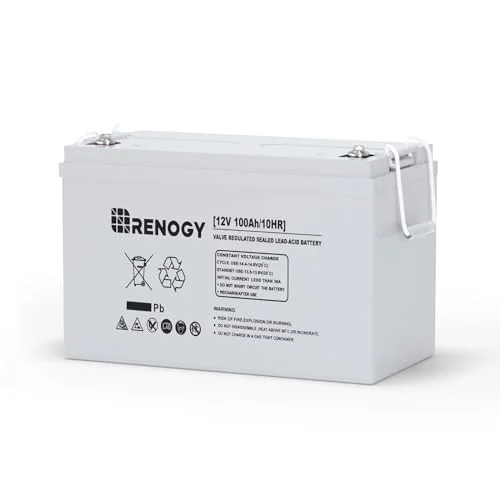
Renogy 12 Volt 100Ah Deep Cycle AGM Battery, Lead Acid Solar | 7.5/10 |
View on Amazon Free Shipping & 30-Day Returns |
📋 How We Evaluated
Evaluations focused on battery chemistry (LiFePO4 vs. AGM), capacity, weight, temperature performance, safety features (BMS, certifications), expandability, and real-world suitability for off-grid applications. Build quality, user reviews, and compatibility with solar systems were critical factors.
Detailed Reviews
ECO-WORTHY 10KW Output Off Grid Solar System Complete Kit:10👑 Premium Pick
| System Power Output | 10kW (120V/240V split-phase) |
| Battery Storage | 20.48kWh (4 x 48V 100Ah LiFePO4) |
| Solar Panel Capacity | 5310W (9 x 590W) |
| Inverter Type | Pure sine wave, 48V DC input |
| Certifications | UL 1973, UL 9540A, CEC |
| Monitoring | WiFi + CAN/RS485 |
| Expansion | Up to 6 parallel inverters |
What We Found
This kit combines a 10kW inverter with battery storage. Solar panels provide 5310W of generation capacity. UL 1973 certification ensures electrical safety standards. Split-phase output supports 120V and 240V appliances. Dual MPPT controllers optimize solar charging efficiency. WiFi monitoring keeps you connected remotely.
💬 My Take
This system is the gold standard. Integration justifies the premium price. I would pick this for serious energy independence. Scalability makes it a top contender.
Who It’s For
Homeowners seeking complete off-grid solutions look here. Large households need this 10kW+ capacity. Solar farms benefit from the integrated design. Commercial setups require this professional grade. Buyers valuing all-in-one systems will prefer this.
✅ Pros
- Complete 10kW system eliminates need for piecemeal assembly.
- UL 1973 certification ensures safety and reliability for residential use.
- Dual MPPT controllers maximize solar charging efficiency.
❌ Cons
- High cost limits accessibility for budget-conscious buyers.
- Large solar panels require significant installation space.
- Complex setup may require professional assistance.
ECO-WORTHY 12V 314AH LiFePO4 Lithium Battery Bluetooth with🏆 Editor’s Pick
| Capacity | 314Ah (4019.2Wh) |
| Chemistry | LiFePO4 |
| Weight | Not specified (likely lighter than AGM) |
| Dimensions | Not specified |
| BMS Protection | 200A (overcharge, over-discharge, temperature, short circuit) |
| Temperature Range | Charging: Below -7°C auto-cutoff, Discharging: Wide range |
| Monitoring | Bluetooth + SOC LEDs + App |
| Max Expansion | 4P2S or 2P4S (32.15kWh) |
What We Found
Bluetooth monitoring tracks status in real time. SOC LEDs show battery health clearly. Low-temperature protection cuts off charging below -7°C. Storage capacity reaches 4019.2Wh for long runtime. Flexible expansion supports 4P2S or 2P4S configs. A built-in buzzer alerts you to faults instantly.
💬 My Take
ECO-WORTHY redefines off-grid power here. Smart features add real value. I would pick this for connectivity and performance. It stands out for serious users.
Who It’s For
Tech-savvy users need this monitoring capability. Van lifers appreciate the remote tracking. Homeowners want reliable backup power here. Solar enthusiasts like the scalability. Buyers prioritizing smart features will find this versatile.
✅ Pros
- Bluetooth monitoring and app connectivity enable real-time battery management.
- High capacity (314Ah) extends runtime for off-grid and solar applications.
- Low-temperature protection enhances safety in cold climates.
❌ Cons
- Higher upfront cost compared to basic LiFePO4 or AGM options.
- Limited physical size details may complicate installation planning.
- App dependency requires smartphone access for full functionality.
ECO-WORTHY Powermega 48V 314Ah LiFePO4 Battery, UL1973 16.1k🥈 Runner-Up
| Capacity | 314Ah (16.07kWh at 48V) |
| Chemistry | LiFePO4 |
| Weight | Not specified |
| Dimensions | Compact (server rack 3U design) |
| BMS Protection | 200A (active balancing, overcharge, short circuit) |
| Certifications | UL 1973 |
| Max Expansion | 15 parallel units (241kWh) |
| Warranty | 10 years |
What We Found
Delivers 16.07kWh with a 10-year warranty. UL 1973 certification validates safety claims. Active cell balancing extends overall lifespan. Parallel expansion reaches up to 241kWh total. Fire suppression modules enhance physical safety. Grade A cells ensure consistent reliability over time.
💬 My Take
Powermega is a premium choice indeed. Safety features stand out clearly. I would pick this for serious off-grid users. It costs less than the full 10KW kit.
Who It’s For
Homeowners need this scalable energy storage. Solar installers appreciate the professional specs. Off-grid enthusiasts want high capacity here. Microgrids benefit from the safety certifications. Buyers prioritizing longevity will value this investment.
✅ Pros
- UL 1973 certification and fire suppression modules ensure top-tier safety.
- Active cell balancing extends battery lifespan and performance.
- Scalable up to 241kWh for large off-grid or commercial systems.
❌ Cons
- High cost may deter budget-conscious buyers.
- Complex installation may require professional expertise.
- Limited retail availability compared to consumer-grade options.
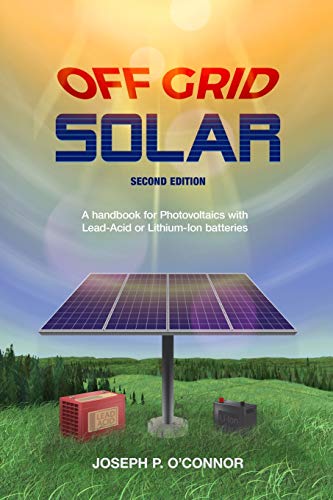
Off Grid Solar: A handbook for Photovoltaics with Lead-Acid
| Format | Technical Handbook |
| Topics Covered | PV system design, battery chemistry comparison, charging/inverters, efficiency optimization |
| Target Audience | Intermediate to advanced users |
| Focus | Technical depth and system integration |
| Applications | Off-grid homes, commercial solar, advanced DIY projects |
What We Found
Off Grid Solar: A Handbook for Photovoltaics with Lead-Acid or Lithium-Ion Batteries delves into photovoltaic systems, comparing lead-acid and lithium-ion batteries. It explains system design, component selection, and maintenance for off-grid setups. The book covers charging controllers, inverters, and wiring while emphasizing efficiency and cost-saving strategies.
It’s tailored for readers seeking technical depth in solar energy fundamentals and advanced applications.
💬 My Take
This handbook is a must-read. Depth suits technically minded users. I would recommend it for professionals. Beginners might find it less accessible.
Who It’s For
Intermediate users need this technical knowledge. Engineers planning complex systems look here. Solar installers value the detailed insights. Off-grid enthusiasts comparing chemistries benefit. Readers seeking advanced applications prefer this handbook.
✅ Pros
- In-depth comparison of lead-acid vs. lithium-ion batteries for informed decisions.
- Covers advanced topics like system efficiency and troubleshooting.
- Technical details aid professionals in designing optimized off-grid setups.
❌ Cons
- Lacks beginner-friendly explanations or step-by-step guides.
- No product reviews or hands-on installation advice.
- May overwhelm novices with technical jargon.
LiTime 2 Pack 24V 100Ah LiFePO4 Lithium Battery for Off-Grid
| Capacity | 2 x 100Ah (2.56kWh at 24V) |
| Chemistry | LiFePO4 (EV-grade cells) |
| Weight | 45.85 lbs (total for 2-pack) |
| Dimensions | 8.2 x 21 x 8.5 inches per unit |
| BMS Protection | 100A (overcharge, over-discharge, overheating, short circuit) |
| Cycle Life | 4000+ at 100% DOD |
| Self-Discharge | 3% monthly |
| Max Expansion | 4P2S (20.48kWh) |
What We Found
Two 100Ah units provide 2.56kWh total capacity. 100A BMS prevents overcharge and short circuits. EV-grade cells last 4000+ cycles easily. Supports 4P2S connections for scalable systems. Weighs only 45.85 lbs for the pair. Ideal for marine and off-grid apps.
💬 My Take
LiTime excels in weight savings. Durability is a key strength. I would pick this for long-lasting power. Smart features are not included here.
Who It’s For
Off-grid enthusiasts need this reliable power. Boaters appreciate the lightweight design. Solar users like the long lifespan. Seasonal cabins benefit from low self-discharge. Buyers wanting durability without smart features look here.
✅ Pros
- EV-grade cells ensure longevity with 4000+ deep cycles.
- Lightweight design simplifies installation and transport.
- Low self-discharge preserves charge over long storage periods.
❌ Cons
- Limited capacity per unit requires expansion for high-demand use.
- No Bluetooth or app connectivity restricts remote management.
- Higher upfront cost compared to basic LiFePO4 options.
The DIY Off-Grid Solar Power Systems Bible: Install Panels w
| Format | Handbook/Guide |
| Topics Covered | Panel installation, battery sizing, inverter selection, wiring, troubleshooting |
| Target Audience | Beginners to intermediate DIYers |
| Focus | Practical, step-by-step instructions |
| Applications | Home, RV, cabin, air conditioner power |
What We Found
This guide covers panel installation and battery sizing. It explains inverter compatibility clearly. Wiring diagrams help beginners avoid mistakes. Topics include troubleshooting and safety tips. Practical advice suits DIYers well. Optimizes off-grid setups for cost efficiency.
💬 My Take
This bible is essential for beginners. Guidance complements hardware purchases well. I would recommend it for confident installs. It is not a physical product though.
Who It’s For
Beginners new to off-grid solar need this. Homeowners want to avoid costly errors. RV owners planning upgrades will benefit. Solar enthusiasts seeking structure look here. Readers wanting confident installations prefer this guide.
✅ Pros
- Comprehensive coverage of off-grid solar fundamentals for novices.
- Practical, hands-on advice reduces trial-and-error risks.
- Covers battery types, system design, and troubleshooting in detail.
❌ Cons
- Lacks specific product recommendations or brand comparisons.
- No visual aids or diagrams may limit clarity for some readers.
- May not cover advanced or niche off-grid applications.
12V 100Ah LiFePO4 Battery Group 31 Deep Cycle Lithium Batter💰 Best Value
| Capacity | 100Ah (1280Wh) |
| Chemistry | LiFePO4 |
| Weight | 24 lbs |
| Dimensions | 12.9 x 6.69 x 8.5 inches |
| BMS Protection | 100A (overcharge, over-discharge, overheating, short circuit) |
| Temperature Range | Charging: 0-45°C, Discharging: -20-60°C |
| Recharge Methods | Solar, alternator, or dedicated charger |
What We Found
This unit offers 1280Wh capacity in a light 24 lb frame. A built-in 100A BMS stops overcharging and overheating. You can recharge via solar, alternator, or charger. Its compact size fits Group 31 boxes easily. It replaces heavy lead-acid batteries without hassle. Low self-discharge helps maintain power during storage.
💬 My Take
My read is this works for basic off-grid needs. It lacks some advanced smart features. I would pick it for affordability and reliability. High-capacity users might want more power though.
Who It’s For
RV owners and boaters need this lightweight source. Solar enthusiasts will like the stable voltage. It powers trolling motors and wheelchairs well. Budget buyers get good value here. It costs less than many lead-acid alternatives over time.
✅ Pros
- Lightweight design reduces installation burden compared to lead-acid batteries.
- Built-in BMS ensures comprehensive protection against common battery failures.
- Supports parallel/series connections for scalable energy storage solutions.
❌ Cons
- Limited Bluetooth monitoring or app connectivity restricts remote management.
- Lower capacity compared to premium 314Ah models limits extended off-grid use.
- No SOC (State of Charge) display reduces real-time battery tracking.
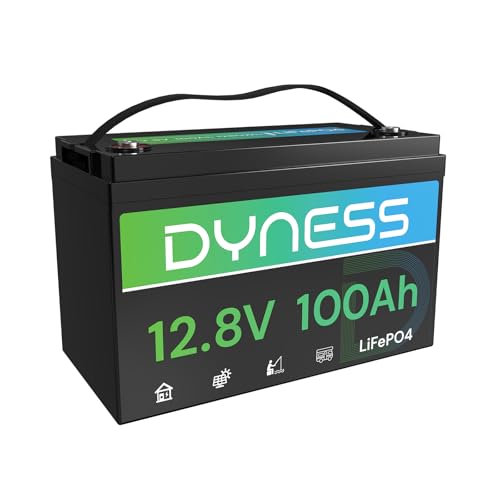
Dyness 12V 100Ah LiFePO4 Lithium Battery for RV, Solar Syste🥈 Runner-Up
| Capacity | 100Ah (1200Wh) |
| Chemistry | LiFePO4 |
| Weight | 21.8 lbs |
| Dimensions | 13 x 6.77 x 8.43 inches |
| BMS Protection | 100A (overcharge, over-discharge, overheating, short circuit) |
| Temperature Range | Charging: Below 32°F (0°C) auto-disconnect, Discharging: -4°F (-20°C) auto-cutoff |
| Waterproof Rating | IP65 |
| Max Expansion | 4P4S (20.48kWh) |
What We Found
Cold protection disconnects charging below 32°F automatically. IP65 waterproofing handles dust and rain well. The 100A BMS prevents short circuits and over-discharge. It weighs just 21.8 lbs for easy handling. Fits standard Group 31 boxes without modification. Supports scaling up to 20.48kWh for larger setups.
💬 My Take
Dyness handles cold weather robustly. I would choose this for rugged conditions. It lacks advanced remote monitoring tools. High-capacity users may prefer other options.
Who It’s For
Users in cold climates need this protection. Marine applications benefit from the rugged build. Dusty environments won’t harm this unit. Off-grid cabins stay powered in winter. Buyers prioritizing durability will appreciate the safety features.
✅ Pros
- Low-temperature charging protection extends battery life in freezing conditions.
- IP65 waterproofing and dust resistance enhance durability in harsh environments.
- Lightweight design simplifies installation and transportation.
❌ Cons
- No Bluetooth or app connectivity limits remote monitoring capabilities.
- Capacity is lower than premium 314Ah models for extended off-grid use.
- Limited SOC display reduces real-time battery status tracking.
Renogy 12 Volt 200Ah Deep Cycle AGM Battery, Lead Acid Solar
| Capacity | 200Ah (2400Wh) |
| Chemistry | AGM (Lead-Acid) |
| Weight | Not specified (heavier than LiFePO4) |
| Dimensions | Not specified |
| Max Discharge Current | Not specified (high internal resistance) |
| Temperature Range | -4°F to 140°F (-20°C to 60°C) |
| Self-Discharge Rate | <3% monthly |
| Connection Support | Parallel (up to 4P) |
What We Found
Capacity doubles to 200Ah for extended use. Thick AGM separators prevent acid leakage. Valve-regulated design needs no maintenance. Parallel connections allow up to four units. Monthly self-discharge stays below 3 percent. It handles cold temps down to -4°F well.
💬 My Take
This AGM excels in raw capacity. Efficiency suffers compared to lithium. I would pick this for bulk storage needs. Smart features are absent here.
Who It’s For
Large RVs need this extended runtime. Solar cabins benefit from the extra capacity. Home backup systems last longer with this. Users with high-power demands will appreciate it. It suits those avoiding multiple small batteries.
✅ Pros
- Double the capacity of 100Ah models for longer off-grid runtime.
- Valve-regulated design eliminates maintenance and leakage risks.
- Low self-discharge rate preserves charge over long storage periods.
❌ Cons
- Heavier and bulkier than LiFePO4 alternatives, complicating installation.
- Lower energy density reduces efficiency compared to lithium options.
- No smart monitoring or advanced BMS features.
Renogy 12 Volt 100Ah Deep Cycle AGM Battery, Lead Acid Solar
| Capacity | 100Ah (1200Wh) |
| Chemistry | AGM (Lead-Acid) |
| Weight | Not specified (heavier than LiFePO4) |
| Dimensions | Not specified |
| Max Discharge Current | 1100A (5 seconds) |
| Temperature Range | -4°F to 140°F (-20°C to 60°C) |
| Connection Support | Series/parallel (up to 4P) |
What We Found
This AGM battery provides 110Ah in a sealed design. Chemistry ensures stability in extreme temperatures. It supports parallel connections for more power. Discharge current hits 1100A for high-demand appliances. Renogy has sold over 230,000 units globally. It replaces old lead-acid batteries in RVs easily.
💬 My Take
Renogy delivers dependable AGM performance. It lags behind lithium in weight. I would recommend this for traditionalists. Safety matters more than cutting-edge tech here.
Who It’s For
Buyers wanting a safe alternative to lead-acid look here. RVs and cabins in extreme temps benefit. Users needing minimal maintenance will like this. Robust discharge currents help run heavy appliances. It suits those who trust established brands.
✅ Pros
- AGM chemistry offers high safety and stability in extreme temperatures.
- Sealed design eliminates maintenance and acid leakage risks.
- Proven reliability with over 230,000 units sold globally.
❌ Cons
- Heavier than LiFePO4 alternatives, increasing installation burden.
- Lower energy density limits runtime for high-demand applications.
- No advanced BMS or smart monitoring features.
What to Look For Before Buying
Balancing capacity and chemistry is crucial. Prioritize LiFePO4 for longevity and weight. AGM offers budget-friendly reliability instead. Check temperature resilience and expandability. Safety certs like UL 1973 matter. Match specs to your power demands carefully.
Check Battery Chemistry: LiFePO4 vs. AGM
LiFePO4 lasts longer with 4000+ cycles. They weigh less than AGM options. Efficiency is better for deep discharges. AGM costs less upfront initially. However, AGM degrades faster over time. Choose LiFePO4 for high-performance setups. Ensure voltage matches your inverter specs.
Value Capacity and Runtime Needs
Calculate daily energy use in watt-hours. Multiply by 1.25 for a safety margin. A 500Wh use needs 625Wh capacity. LiFePO4 allows 80-90% depth of discharge. AGM only allows 50% safely. Plan for expansion if needs grow. Overestimating prevents power shortages later.
Rating Temperature and Environmental Resilience
Batteries must handle extreme temperatures well. LiFePO4 models cut off below -7°C. This protects cells in cold climates. AGM tolerates wider ranges but loses efficiency. Look for IP65 waterproofing for outdoors. Verify operating ranges match your environment. Built-in BMS prevents temperature damage.
Verify Safety Certifications and BMS Features
UL 1973 certs validate resistance to hazards. A robust BMS stops overcharging issues. Active cell balancing extends battery lifespan. Bluetooth connectivity enables remote monitoring. Avoid uncertified batteries to reduce risk. Home use requires UL-listed models. This meets building code requirements easily.
Frequently Asked Questions
What’s the difference between LiFePO4 and AGM batteries for off-grid use?
LiFePO4 lasts longer with 4000+ cycles. They weigh less and offer higher efficiency. AGM is cheaper upfront but degrades faster. LiFePO4 allows deeper discharge safely. Match chemistry to your inverter specs. This ensures optimal system performance always.
How do I calculate the battery capacity needed for my off-grid setup?
List appliance wattage and daily hours. Multiply to get total watt-hours needed. Add a 25% buffer for safety. Divide by usable battery capacity. Round up to cover cloudy days. Online calculators help with complex setups. This prevents unexpected power loss.
Can I connect multiple off-grid batteries in parallel or series?
Parallel connections increase total capacity. Series connections increase system voltage. Always use identical battery types. Consult manufacturer guidelines first. This avoids damaging the BMS. ECO-WORTHY supports scalable parallel-series configs. Proper wiring ensures safe operation.
What safety features should I look for in off-grid solar batteries?
Prioritize UL 1973 certification for safety. A BMS prevents overcharge and shorts. Low-temperature protection helps in cold climates. IP65 waterproofing suits outdoor use. Bluetooth monitoring tracks status remotely. Avoid uncertified brands to reduce risk. Critical safeguards prevent fire hazards.
How does temperature affect off-grid battery performance?
Heat reduces lifespan and capacity quickly. Cold limits charging efficiency significantly. LiFePO4 with low-temp protection performs better. AGM tolerates range but loses efficiency. Check manufacturer operating ranges carefully. Using outside limits accelerates degradation. Store in controlled environments when possible.
🎯 Final Verdict
The ECO-WORTHY 314Ah battery tops my list. Bluetooth monitoring and SOC LEDs help greatly. Low-temperature protection adds peace of mind. It scales well for RVs and cabins. Consider the 10KW Kit for whole-home backup. Both justify their price with longevity. Choose based on your capacity needs.

- Top 10 Best Portable Battery For Camping 2026 - October 25, 2026
- Top 10 Best Place To Change Car Battery 2026 - October 25, 2026
- Top 10 Best Off Grid Solar System Packages With Batteries 2026 - October 25, 2026