Can a 7-Year-Old Sit in the Front Seat? Safety Guidelines Explained

Many parents wonder if their 7-year-old is old enough to sit in the front seat of a car. This decision can affect safety and comfort, leading to questions about age, weight, and local laws. Understanding the rules and recommendations can help ensure your child’s safety on the road.
Generally, children should be at least 13 years old to sit in the front seat. Factors like weight and height also play a crucial role, along with state laws that may vary. Always follow manufacturer guidelines for car seats and booster seats.
Understanding the Basics
Determining whether a 7-year-old can sit in the front seat of a vehicle involves understanding safety regulations, age guidelines, and the specific vehicle’s features. Parents and guardians must consider local laws and the safety implications of front-seat occupancy for children. This section outlines the foundational concepts related to this important topic.
Many jurisdictions have specific laws regarding the age and size of children who can safely occupy the front seat. Generally, children under the age of 13 are advised to sit in the back seat, as this area is typically safer in the event of an accident. The positioning of airbags, seatbelt effectiveness, and the overall size of the child are critical factors to consider.
Additionally, car seats and booster seats play a significant role in determining whether a child can safely ride in the front seat. These safety devices are designed to protect children based on their weight and height, which is why understanding the specific requirements is crucial before making the decision.
Key Concepts and Fundamentals
This section examines the criteria and guidelines regarding whether a 7-year-old can sit in the front seat of a vehicle. Understanding these parameters is essential for ensuring the safety of young passengers. Various factors, including age, weight, height, and state regulations, play significant roles in making this decision.
Most states have specific laws that dictate when a child can legally sit in the front seat. Generally, children under the age of 13 should ride in the back seat for safety reasons. Front seats are equipped with airbags, which can be dangerous for small children in the event of a collision. The positioning of the seatbelt and the size of the child also influence this decision.
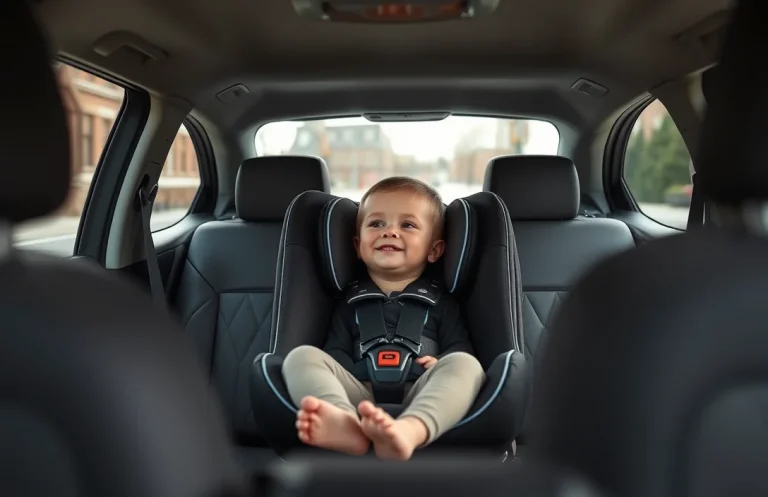
For a 7-year-old, it is crucial to consider their height and weight along with the type of car seat or booster seat being used. Many guidelines recommend that children should remain in a booster seat until they reach a height of 4 feet 9 inches and weigh between 80-100 pounds. A child who does not meet these criteria may not be adequately protected by a standard seatbelt, whether they are in the front or back seat.
In summary, while it may be permissible in some areas for a 7-year-old to sit in the front seat, it is vital to check local laws and prioritize the child’s safety by evaluating their size and the vehicle’s safety features.
How It Works
Understanding the regulations and guidelines regarding a 7-year-old sitting in the front seat involves several factors, including age, weight, height, and state laws. These elements are crucial in determining when it is safe for a child to transition from the back seat to the front seat.
Many states have specific laws that dictate the minimum age a child can sit in the front seat, often ranging from 8 to 13 years. These laws are designed to ensure the safety of children, as the front seat is equipped with airbags that can pose a risk to smaller passengers. Additionally, the height and weight of the child play a significant role; children must typically meet certain criteria to safely use the vehicle’s seat belt system.
It is advisable to consult local regulations or guidelines provided by organizations such as the National Highway Traffic Safety Administration (NHTSA). These resources offer valuable information about the recommended practices for child passenger safety, including the appropriate use of booster seats and seat belts. Understanding these guidelines will help ensure that your child is safe while traveling in a vehicle.
Benefits and Advantages
Understanding whether a 7-year-old can sit in the front seat involves examining various factors that contribute to safety and compliance with regulations. This section outlines the benefits and advantages of knowing the appropriate guidelines for child seating in vehicles, particularly for young passengers.
One primary benefit is enhanced safety. Front seats are equipped with airbags that can pose risks to smaller children if deployed. By adhering to safety guidelines, you ensure that children remain protected in the event of an accident. Additionally, understanding these regulations helps in reducing the likelihood of injuries caused by improper seating arrangements.
Another advantage is compliance with local laws. Many jurisdictions have specific regulations regarding the age and size of children allowed in the front seat. Adhering to these laws helps avoid potential fines and ensures that you are making responsible choices for your child’s safety.
Knowledge of seating guidelines also promotes responsible driving behavior. Parents and guardians who prioritize the safety of their children are more likely to model safe driving habits. This not only protects the child but also sets a positive example for other passengers in the vehicle.
Practical Applications
Understanding whether a 7-year-old can sit in the front seat involves knowing specific regulations and safety measures. This section details practical applications to help you navigate this decision effectively, ensuring safety while complying with laws.
Check your local laws regarding child passenger safety. Many jurisdictions have specific age, weight, and height requirements that dictate when children may sit in the front seat. These laws are often designed to protect children from the increased risk of injury in the event of an accident.
In addition to legal requirements, consider the vehicle’s safety features. Modern cars may have advanced airbag systems that can pose risks to smaller passengers. If the vehicle has an airbag that cannot be deactivated, it may be safer for the child to remain in the back seat.
Evaluate the child’s size and maturity level. A 7-year-old should be tall enough to sit safely in the front seat, ideally reaching the seat belt properly without slouching. Ensure they understand the importance of wearing a seatbelt and remaining seated while the vehicle is in motion.
Ultimately, the decision should balance legal guidelines, vehicle safety features, and the child’s readiness for front-seat travel. Prioritize safety above all else when making this choice.
Expert Tips and Best Practices
Understanding the guidelines for allowing a 7-year-old to sit in the front seat is crucial for ensuring their safety. This section focuses on practical considerations and expert recommendations to make informed decisions regarding front seat occupancy for young children.
Check state laws and regulations regarding child passenger safety as these can vary significantly. Many states have specific age, weight, and height requirements that dictate when a child can safely transition to the front seat. Familiarize yourself with these laws to remain compliant.
Ensure the vehicle’s front seat is equipped with a working airbag and that it can be deactivated if necessary. For smaller children, airbags can pose a risk in the event of an accident. Consider using booster seats as they can provide additional support and positioning for a child sitting in the front.
Always adjust the front seat to maximize distance from the dashboard. The seat should be positioned as far back as possible to reduce the risk of injury from the airbag deployment. Teach your child the importance of wearing a seatbelt at all times, regardless of where they are seated in the car.
Finally, observe your child’s comfort and ability to sit safely in the front seat. They should be able to sit back against the seat with their feet flat on the floor and should not be able to reach the dashboard or any controls. If they do not meet these criteria, it may be best to keep them in the back seat.
Real-World Examples
Understanding the practical implications of whether a 7-year-old can sit in the front seat is crucial for parents and guardians. Various scenarios provide insight into this matter, highlighting safety considerations and legal regulations.
In many states, the law stipulates that children under 12 must sit in the back seat. For example, California mandates that children under 8 must be secured in a child safety seat in the back. This is reinforced by parents who express concerns about airbag deployment risk when children sit in the front seat. A case in point is a family from Texas who, after an accident, decided to enforce a strict back-seat policy for their kids based on safety recommendations.
Conversely, in states like Florida, children as young as 7 may sit in the front seat if they meet height and weight requirements for seat belts. A mother in Florida shared her experience, stating she felt comfortable allowing her 7-year-old in the front after confirming he met the necessary criteria, highlighting the importance of understanding local laws and safety guidelines.
Ultimately, real-world experiences often reflect the blend of legal requirements and personal judgments regarding child safety in vehicles.
Getting Started
Understanding the implications of allowing a 7-year-old to sit in the front seat is crucial for ensuring their safety and compliance with regulations. This section summarizes the key considerations and offers final recommendations for parents and guardians.
Every state has specific laws regarding the age and size requirements for sitting in the front seat. Generally, it is recommended that children under 13 years old remain in the back seat, as this position is safer during a crash. The front seat airbag can pose significant risks to smaller children, including serious injury or death. Before making a decision, parents should evaluate their child’s size, weight, and maturity level.
Additionally, consider the type of vehicle, as some cars have advanced safety features that can mitigate risks. Always use appropriate child safety seats or booster seats as needed, and ensure the vehicle’s seat is adjusted properly for the child’s height. Educating children about the importance of seatbelt use and proper seating positions can also enhance safety.
Ultimately, while laws may vary, prioritizing a child’s safety should guide the decision to allow them to sit in the front seat. If there is any doubt, keeping the child in the back seat is the safest option.
Quick Summary
- Age restrictions for front seat riding vary by state and country.
- Many guidelines recommend that children under 12 years old sit in the back seat for safety.
- Children should be at least 4 feet 9 inches tall to use a seat belt safely in the front seat.
- Front airbags can pose a risk to smaller children; it’s safer for them to be in the back seat.
- Always follow local laws and safety guidelines regarding child passenger safety.
- Using a booster seat may be necessary for younger children even in the back seat.
- Consult your vehicle’s manual for specific recommendations concerning child passengers.
Frequently Asked Questions
Can a 7-year-old legally sit in the front seat?
Whether a 7-year-old can sit in the front seat depends on the laws of your state or country. Many places have specific age, weight, and height requirements that must be met before a child can sit in the front seat.
What are the safety considerations for a 7-year-old in the front seat?
Safety is a primary concern when allowing a child to sit in the front seat. It is crucial that they meet the necessary height and weight requirements for using the vehicle’s seatbelt properly, and that the airbag is either turned off or adjusted to minimize injury risk.
What should I check before allowing my child to sit in the front seat?
Before allowing your child to sit in the front seat, check your local laws regarding age and weight restrictions. Additionally, ensure that the seatbelt fits them properly and that the passenger airbag is safe for their size.
Are there any exceptions to the rules about sitting in the front seat?
Exceptions may exist based on specific circumstances, such as medical conditions or if the back seat is occupied by other children. However, these exceptions should be approached with caution and in accordance with safety guidelines.
What alternative options do I have for child seating in vehicles?
For enhanced safety, consider using a booster seat for children who do not yet fit properly in standard seatbelts. Additionally, keeping children in the back seat until they reach the appropriate age or size is typically recommended for maximum safety.

- 10 Best Jack For Ford Raptor Review (October 2026) - October 12, 2026
- 10 Best Jack For Ford Ranger Review (October 2026) - October 12, 2026
- 10 Best Jack For F350 Review (October 2026) - October 12, 2026