Can A Bad Lifter Cause Misfire?

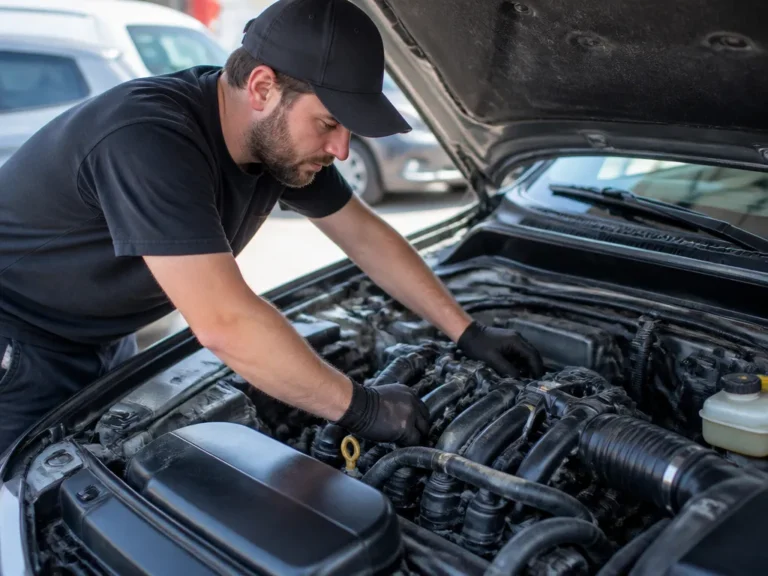
Yes, a bad hydraulic lifter can contribute to a misfire, but usually through an indirect mechanical problem. A lifter that loses oil-pressure control can make valve events occur late, bleed off valve lift, or allow valve float at high RPM. That disrupts combustion and can trigger misfire codes. The common pattern is a misfire under load or within a specific RPM range, often accompanied by lifter ticking or clatter.
A failing lifter affects valve timing and sealing. If it sticks or collapses, the intake or exhaust valve may not open or close as the engine expects. The result can be a rough idle, acceleration stumble, loss of power, or a flashing misfire warning.
Key Clues That Point to a Lifter-Related Misfire
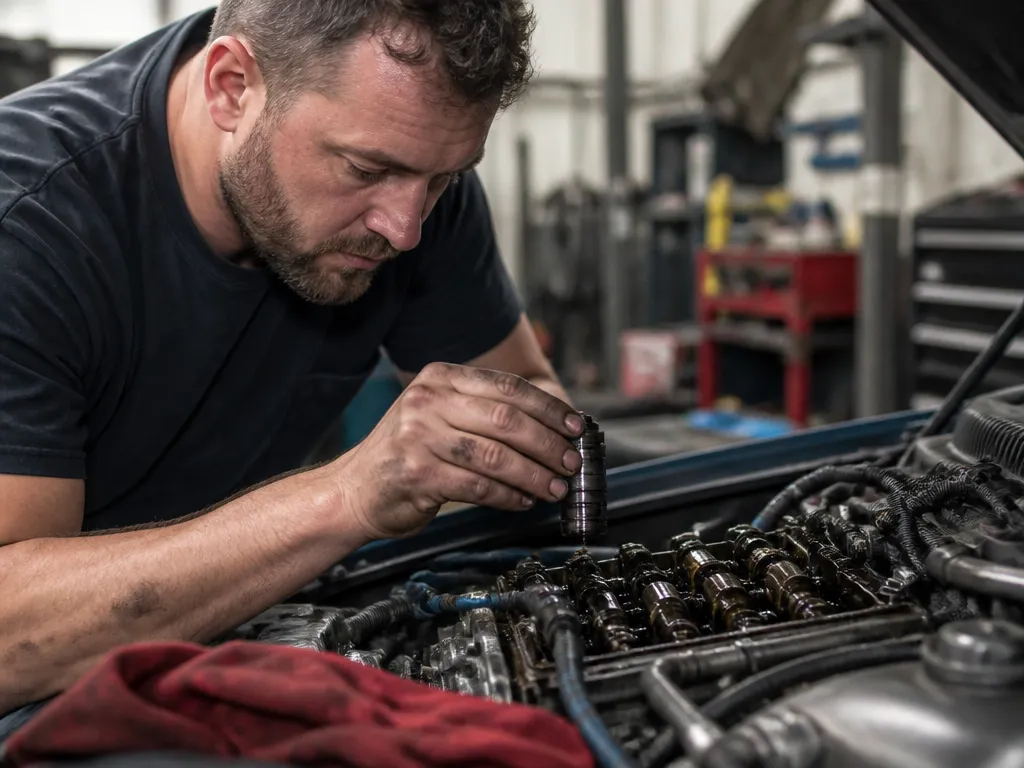
- Yes, it is possible, but indirectly. A failing hydraulic lifter can create valve-timing errors that trigger misfire codes.
- Watch the RPM and load pattern. Lifter-related problems often worsen under load or at certain engine speeds.
- Noise supports the theory but does not prove it. Lifter ticking does not automatically mean the cylinder is misfiring.
- Check cam timing too. Timing faults can create the same symptoms, so do not replace lifters without testing.
- Use mechanical tests. Compression, leak-down, scan data, and a cylinder balance check help identify the cause.
- Replacement may involve more than one lifter. Depending on wear and engine design, a shop may replace the lifters in the affected bank or install a complete kit.
Can a Bad Lifter Cause a Misfire?
A bad lifter can cause misfire-like symptoms because a hydraulic lifter helps the valve follow the cam correctly. If the lifter bleeds down, sticks, or loses its ability to maintain the correct preload, valve lift and timing can change. That alters cylinder filling and exhaust scavenging, making combustion inconsistent.
You may notice a rough idle, hesitation when you press the accelerator, or a choppy feel at a steady speed. Many vehicles also log codes such as P0300 for a random misfire or P0301-P0306 for a misfire on a specific cylinder. The ECU detects irregular combustion; it does not directly identify a bad lifter. The lifter is one possible mechanical cause of the combustion problem.
Misfires that appear alongside ticking, clatter, or power loss in the same RPM range put a lifter higher on the suspect list. Misfires that begin immediately after battery service, a coil swap, or a fuel-quality problem make a lifter less likely.
How Valve Timing Creates a Misfire
A misfire occurs when the air-fuel mixture fails to burn as the engine expects. Valve timing controls how much air enters the cylinder, when it enters, and how completely exhaust leaves. If the intake valve opens or closes at the wrong time, the cylinder may run leaner or retain too much exhaust gas. Either condition can destabilize combustion.
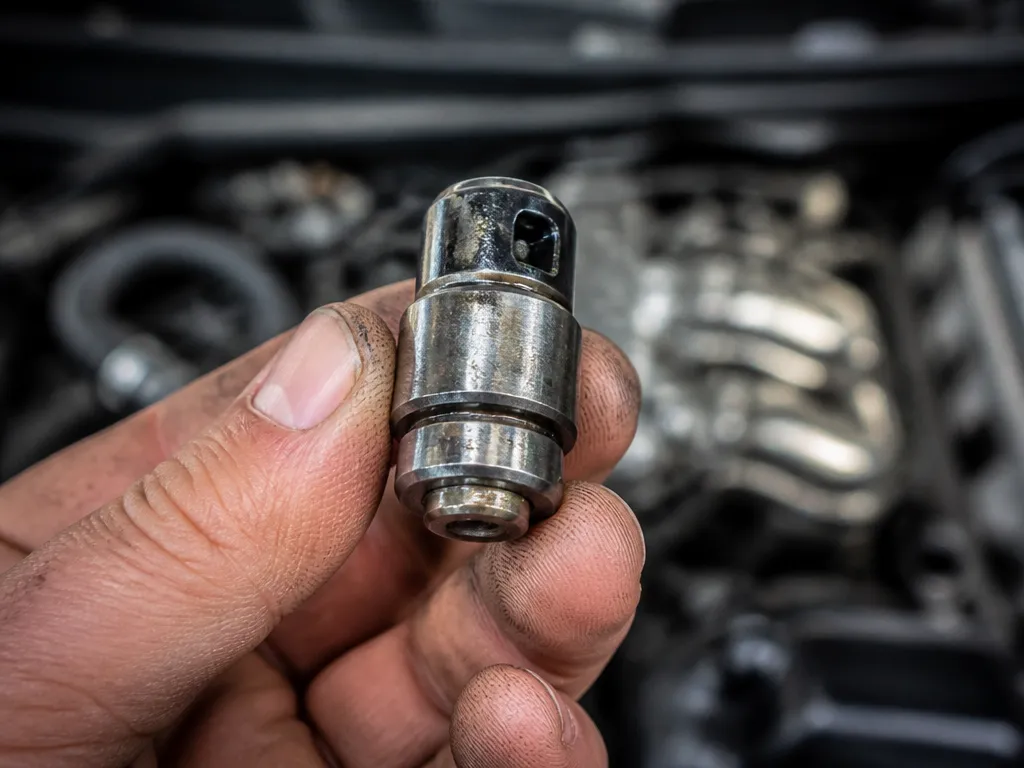
Inside a hydraulic lifter, oil pressure and an internal check valve maintain preload. If the lifter cannot hold its internal position, valve motion no longer matches the cam’s intended movement. The problem may be subtle at low RPM, then become obvious at higher RPM when the valvetrain has less time to respond.
The cam still turns at the correct mechanical timing, but the lifter is the link that transfers cam movement to the valve. If that link loses control, the engine receives the wrong airflow pattern. Fuel and spark corrections may help temporarily, but the ECU can eventually flag a misfire.
The operating pattern can narrow the diagnosis:
- Under-load misfire: Points toward cylinder-filling or exhaust-scavenging problems, including valvetrain faults, low compression, or an intake restriction.
- Hot-only misfire: Can indicate oiling or valvetrain behavior that changes with temperature.
- High-RPM-only misfire: Often points to oil control, valvetrain instability, or ignition breakdown.
Symptoms of a Failing Hydraulic Lifter
A failing hydraulic lifter often produces valvetrain noise before it causes a noticeable drivability problem. You may hear ticking, tapping, or clatter after a cold start. The noise may continue as the oil thins or the lifter repeatedly bleeds down. Some engines become quieter once oil pressure builds; a lifter that keeps losing pressure may remain noisy.
Other symptoms include:
- Rough idle that improves as RPM rises.
- Hesitation during acceleration from inconsistent cylinder filling.
- Loss of power under load because the affected cylinders become less efficient.
- Misfire codes that repeatedly identify the same cylinder or bank.
- Reduced fuel economy when combustion stability declines.
Lifters can also act up after an oil change if the wrong viscosity was used or the oil level is too low. Unstable oil pressure can prevent a lifter from maintaining its position. Old, sludged oil can stick the internal valve and restrict normal oil flow.
The misfire pattern matters. A valvetrain-related misfire often stays with the same cylinder group over time. A misfire that moves randomly from drive to drive points more toward ignition, fuel, or sensor problems than one failing lifter.
How to Diagnose a Lifter-Related Misfire

Start with scan data, then verify the problem mechanically.
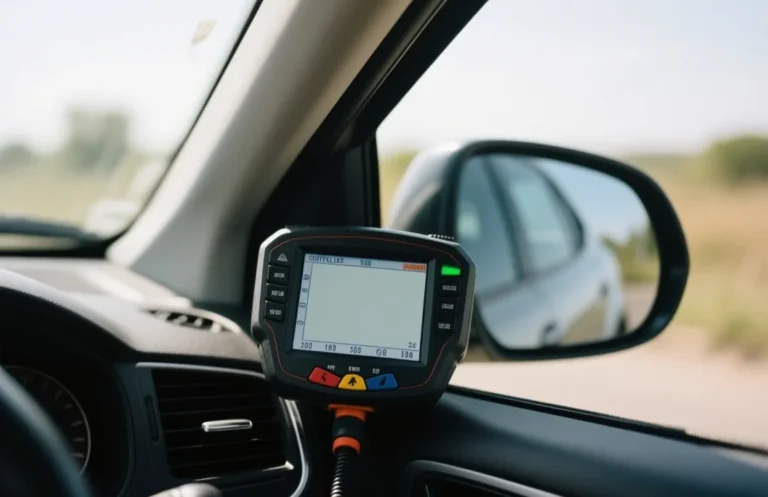
- Scan for codes and freeze-frame data. Determine whether the misfire is random or tied to one cylinder or bank. Note the RPM and load when the code was logged.
- Check live misfire counters. Many scanners show which cylinder counts are increasing now, rather than only reporting a previous event.
- Inspect the ignition system first. Swap known-good spark plugs and coils, when the engine design allows it, to see whether the misfire follows a part.
- Perform a compression test. Compare the cylinders. A significantly low reading suggests valve sealing trouble or severe internal damage.
- Perform a leak-down test if possible. Leak-down testing can distinguish valve-sealing problems from ring-sealing problems more clearly.
- Inspect the oil and confirm its specification. Incorrect viscosity, low oil, or sludge can cause or worsen lifter problems.
- Listen for the valvetrain noise pattern. A mechanic’s stethoscope can help locate noise around the valve cover, but keep it away from moving parts and hot exhaust components.
- Check cam-timing possibilities. Engines with cam phasers or timing chains prone to stretch can develop timing faults that mimic lifter problems.
If a misfire stays with the same cylinder after ignition parts are swapped, mechanical causes become more likely. Those causes include a bad lifter, a stuck valve, timing-chain stretch, an intake-manifold leak, or damaged cylinder-head components.
Test the engine under different conditions. A hot-only misfire points toward oiling behavior or timing control. A misfire at idle that disappears with light throttle can point toward idle-control or vacuum problems. A misfire during hard acceleration or at higher RPM makes valvetrain stability and fuel-air mixing under demand more likely.
Lifter Noise Does Not Always Mean Misfire
Lifter noise and misfire can occur together, but they are separate problems. Ticking may result from normal cold-start behavior, oil viscosity, or oil level without affecting combustion. A true misfire requires an irregular burn caused by a problem with ignition, fuel delivery, air intake, compression, or valve events.
A stuck or collapsing lifter can create valve-motion errors and trigger misfire codes. Loud ticking without misfire symptoms may indicate valvetrain wear or an oiling problem that has not yet disrupted combustion. Conversely, a vehicle can have misfire codes without lifter noise because ignition coils, injectors, crankshaft or camshaft sensors, vacuum leaks, EGR faults, and VVT problems can produce similar symptoms.
Use these clues:
- Noise plus a repeat misfire on the same cylinder: A lifter or another mechanical valvetrain fault becomes more likely.
- No noise plus a misfire that follows a swapped coil or plug: An ignition problem is far more likely.
- Noise that changes with oil temperature or after an oil change: Oil viscosity, oil pressure, or lifter control may be involved.
- Random misfires across multiple cylinders: Fuel delivery, ignition power, an air leak, or sensor logic becomes more likely.
The ECU may label a timing-control error or severe mixture problem as a misfire. Cam/crank correlation codes, extreme fuel trims, and sensor faults can therefore be more useful clues than the misfire code alone.
When to Replace Lifters and Inspect the Cam
Replace lifters after testing confirms mechanical failure, not simply because they are noisy. Persistent noise combined with repeat misfire counters and evidence of unstable valve motion strongly supports a worn or stuck lifter. Temporary ticking that improves with the correct oil and restored oil pressure may have an oiling cause instead.
The replacement strategy depends on the engine design and the wear found during teardown. Lifters, cam lobes, and rocker interfaces often wear together. A lifter that has collapsed or stuck hard enough to cause a misfire may already have damaged its cam lobe or created an abnormal contact pattern.
Common repair choices include:
- Replace only the failed lifter or lifters if the cam lobe is undamaged and the engine design allows it safely.
- Replace the lifters in the affected bank when the wear risk is higher or partial replacement would make access costs a false economy.
- Replace the lifter kit and inspect the cam lobes when one failed lifter suggests wider valvetrain wear.
The decision should follow the inspection results. Scoring, pitting, or abnormal wear on a cam lobe makes replacing only the lifters a poor bet. The shop should also inspect oil passages because restricted flow can cause new lifters to malfunction.
Severe collapse, persistent ticking that does not respond to proper oiling, and a repeat misfire on the same cylinder are reasons not to delay. A continuing misfire can send raw fuel into the exhaust, raise catalytic-converter temperature, and cause additional damage.
How to Confirm the Repair Fixed the Misfire
After a lifter repair, verify the result with scan data and a repeatable test drive. Start the engine and confirm that the valvetrain noise is gone or has returned to normal cold-start behavior. Then recreate the conditions that originally triggered the codes.
Use this checklist:
- No new misfire codes after a drive cycle that matches the earlier freeze-frame conditions for RPM and load.
- Misfire counters remain stable on the previously affected cylinders.
- Engine smoothness improves at the same throttle position and RPM that previously caused the stumble.
- Fuel trims and O2 behavior stabilize, where applicable, instead of repeatedly compensating for a weak cylinder.
- Valve-train clatter does not return with changes in oil temperature or idle time.
A misfire that returns immediately does not automatically mean another lifter failed. Restricted oil passages, incorrect oil viscosity, damaged cam lobes, or cam-timing problems can defeat new lifters. Confirm that installation followed the correct preload and seating procedure, especially on hydraulic-lifter systems where initial oil fill and installation technique matter.
The best confirmation test mirrors the original fault. If the misfire occurred at part throttle around a specific RPM, repeat that driving condition. Flat misfire counters and a smooth engine under the same conditions indicate that the repair addressed the cause.
FAQ
Can a bad hydraulic lifter cause misfire codes?
Yes. A failing hydraulic lifter can change valve timing and lift, causing unstable combustion and triggering codes such as P0300 or cylinder-specific P0301-P0306. The ECU reports the misfire; it does not directly detect the lifter. Confirm the cylinder behavior and rule out ignition and fuel problems.
What is the fastest way to tell whether the problem is the lifter or ignition?
Use a scan tool to identify which cylinder’s misfire counters are increasing. Then inspect and swap spark plugs and coils, when practical, to see whether the misfire follows the ignition parts or stays with the same cylinder. If it remains on one cylinder after the ignition parts change, mechanical causes such as a lifter become more likely.
Can lifter noise occur without an actual misfire?
Yes. Ticking can result from oil viscosity, oil-pressure behavior, or normal cold-start characteristics without disrupting combustion. Misfire requires an inconsistent cylinder burn. If the engine runs smoothly and misfire counters remain normal, the noise may indicate a valvetrain or oiling problem that has not yet affected combustion.
Will replacing lifters always stop the misfire permanently?
No. Restricted oil flow, incorrect oil viscosity, cam-timing problems, or damaged cam lobes can keep causing a misfire after lifter replacement. Confirm after the repair that misfire counters remain stable under the same RPM and load conditions that originally set the codes.
Is it safe to drive with a suspected lifter-related misfire?
It is risky. A persistent misfire can send excess fuel into the exhaust, overheat the catalytic converter, and cause secondary damage. If the misfire indicator is flashing or the vehicle has reduced power or repeated cylinder-specific misfire codes, drive only as needed to reach a repair facility and avoid long trips until the cause is diagnosed.

- Top 10 Best Helmet For Xsr 155 2026 - October 5, 2026
- Top 10 Best Helmet For Xc Mtb 2026 - October 5, 2026
- Top 10 Best Helmet For Wakeboarding 2026 - October 5, 2026