Can Heavy Rain Cause Check Engine Light To Come On?

Heavy rain can trigger a check engine light (CEL) when water reaches the engine bay or undercarriage and disrupts ignition components, sensors, or electrical connections. Moisture-driven misfires and sensor glitches are common causes, and the light may clear once everything dries out.
Common rain-linked causes include wet spark plugs or ignition components, water-contaminated fuel, and corroded electrical connectors. These problems can trigger powertrain codes even if the car drives normally afterward.
Key Takeaways
- Yes, heavy rain can trigger a CEL. Moisture can create temporary electrical paths that confuse sensors or trigger misfire codes.
- Ignition is the usual suspect. Wet coil boots, spark plug wells, or plug wires can cause arcing to ground.
- Sensors can glitch. Mass airflow and oxygen sensors can be affected by moisture exposure or connector corrosion.
- Fuel contamination matters. Water in fuel can cause misfires and poor fuel economy after heavy rain.
- Look for pattern clues. If the CEL appears only in wet weather and clears when dry, suspect marginal components.
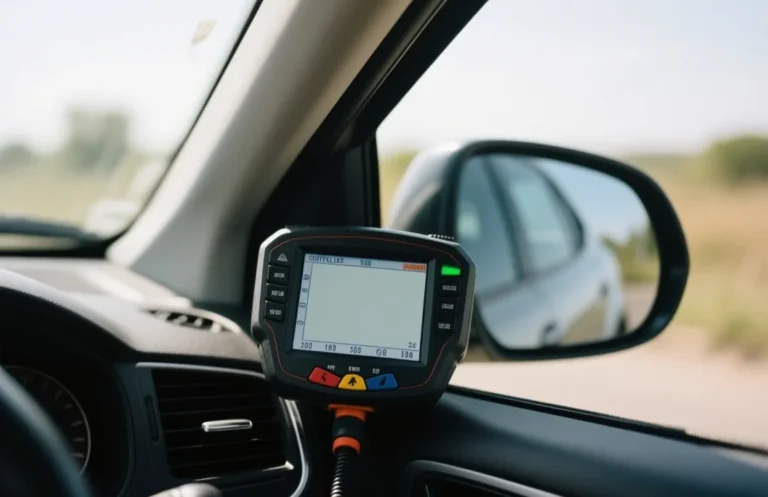
- Use an OBD-II code reader. Pull the trouble code to identify the affected system before replacing parts.
Can Heavy Rain Cause the Check Engine Light to Come On?
Yes, heavy rain can make the check engine light come on, especially after driving through deep water, heavy splashes, or flooded roadways. Rainwater and road spray can reach places that should stay dry, while modern engines are sensitive to changes in sensor readings and ignition performance.
A CEL that appears only in wet conditions and goes away after the vehicle dries usually points to a marginal electrical connection, a leaking coil boot or spark plug well seal, or a sensor connector affected by moisture. A CEL that stays on, worsens, or comes with rough running after the vehicle dries usually indicates an underlying fault that the rain exposed.
How Water Affects Engine Sensors
Water affects engine sensors by contaminating the sensor area or corroding and loosening electrical connections. When the engine control unit (ECU) receives a signal that does not match the expected reading, it can set a diagnostic trouble code and turn on the CEL.
Mass airflow sensors are a common rain-related suspect because they measure how much air enters the engine. Moisture or grime that holds moisture can distort their readings. Oxygen sensors can also be affected because they sit near the exhaust system, where water spray can reach them. The ECU may interpret the resulting readings as an abnormal air-fuel condition or sensor malfunction, even when the hardware is only marginally failing.
Moisture can also corrode connectors. Corroded terminals can produce erratic signals or intermittent faults, which often appear after rain because water improves conductivity and accelerates deterioration of metal terminals and rubber seals.
Electrical Problems That Can Trigger a CEL After Rain
Electrical moisture problems change how current flows through the ignition system and sensor wiring. Water inside a connector or on an ignition component can create an unintended conductive path or increase resistance across terminals. The ECU may then detect misfires, sensor faults, or other signal irregularities and illuminate the CEL.
The most practical rain-related ignition problem is arcing. Spark needs to jump a precise gap at the spark plug, and the ignition system creates thousands of volts to make that happen. If a coil boot or spark plug well has a crack, poor seal, or damp spot, high voltage can leak or arc to ground – such as the engine block – instead of firing the plug.
Typical rain-failure points include:
- Corroded connectors that create intermittent sensor signals.
- Coil boots, plug wires, or distributor caps with micro-cracks that conduct when wet.
- CKP/CMP connector issues where moisture exposure destabilizes crank or cam sensor readings.
- Coil-on-plug well seal failure where water pools and wicks into a degraded boot area.
If symptoms appear only during storms and the car feels normal afterward, suspect intermittent electrical insulation failure. The repair may involve cleaning and resealing connectors or replacing an ignition component with hairline cracks.
Fuel and Ignition Problems in Wet Weather
Rain can trigger a CEL through fuel-related problems, but this is less common than ignition moisture. When water contaminates fuel, the engine may misfire, run rough, or lose fuel economy because combustion quality suffers. Water typically enters through a leaking tank area or condensation that accumulates under certain conditions.
Ignition faults are more common in heavy rain because water directly affects the spark-delivery path. Wet spark plugs can cause rough idling or difficulty starting, especially when water reaches areas that should remain dry. A compromised ignition component can also cause intermittent misfires that the ECU detects and reports as a CEL.
An ignition system does not need to fail permanently for rain to trigger a code. If a component is already old, cracked, or slightly defective, moisture can reduce its insulation enough to cause arcing and misfires. The CEL may appear after rain and clear once the engine dries, then return until the marginal component fails more consistently.
Exhaust Problems After Heavy Rain
The exhaust system can trigger a CEL after heavy rain through its oxygen sensors, which sit where water spray may reach them. Cold rain hitting a hot oxygen sensor can create thermal shock. Even if the sensor survives, moisture inside its connector can produce inaccurate readings and set a CEL code.
The car may run slightly differently after a storm, such as idling less smoothly, or the only symptom may be the warning light. Oxygen sensor output affects fuel trims, so the ECU sets a diagnostic trouble code when the readings do not match expected behavior.
Physical corrosion and exhaust leaks are another possibility, especially after repeated exposure to wet roads and road salt. A leaking exhaust manifold can cause unusual noises and higher emissions while confusing exhaust-related sensor readings. An exhaust smell, ticking noise, or soot around the manifold raises the priority of an exhaust-system inspection.
What to Check After Rain Triggers the CEL
Start with the car’s behavior, then move to safe visual checks. The goal is to determine whether moisture caused a temporary fault or exposed a persistent mechanical problem.
First, check for drivability symptoms:
- If the engine idles roughly, misfires, or shakes, treat it as a possible ignition problem.
- If the engine runs normally and the light is the only symptom, suspect intermittent moisture affecting sensors or connectors.
When the engine is cool and it is safe to do so, inspect the engine bay for standing water, loose connectors, and corrosion. If you can safely access the ignition components, check for moisture inside coil boots or around spark plug wells on vehicles with coil-on-plug ignition. Dry connectors with a clean, dry cloth and check that the connector clips are secure.
Use this rain-related CEL checklist:
- Check whether the CEL cleared after driving in dry conditions.
- Note when it appears – during rain, after a puddle, or after deep splashes.
- Look for misfire signs such as shuddering, hesitation, or rough idle.
- Inspect visible connectors for water, looseness, and corrosion.
In many cases, the rain-related fault is ignition-related. A coil boot, plug wire, or distributor cap may have developed a hairline crack that only fails when wet.
When to Scan the Car or Get Professional Help
Use an OBD-II scanner when the CEL remains on after the vehicle dries out or when the engine runs rough. The code can distinguish an intermittent misfire caused by wet ignition from a sensor or emissions failure that is likely to continue. It also helps prevent unnecessary parts replacement.
Seek help sooner if the CEL is flashing. A flashing CEL typically indicates a severe misfire, and continued driving can damage the catalytic converter because unburned fuel may ignite in the exhaust. If the engine shudders or you hear an obvious misfire, stop testing the vehicle in traffic.
Even with a steady CEL, consider professional diagnosis if:
- The same code returns after multiple wet drives.
- You smell fuel, notice a strong exhaust odor, or see coolant or oil contamination around connectors.
- The car fails readiness checks or is close to an emissions inspection.
A scan tool can guide basic ignition checks. Misfire-related codes point toward spark plugs, coil boots, or plug wires, while oxygen sensor codes point toward the exhaust sensor and its connector.
FAQ
Can heavy rain alone set off the check engine light?
Yes. Heavy rain can trigger the CEL when moisture causes temporary electrical leakage or intermittent sensor signal changes. Common causes include wet ignition components such as coil boots, plug wires, and spark plugs; moisture-affected connectors; and sensor glitches caused by water spray underneath the vehicle.
Will the check engine light turn off after the rain stops?
Often, yes, if the problem is truly moisture-related and the affected components dry out. Wet-weather CEL events often behave like intermittent faults, particularly when ignition insulation or connectors are already marginal. If the light remains on for more than a day or keeps returning, the stored fault should be diagnosed.
Is it safe to drive with a CEL after heavy rain?
It may be safe if the engine runs smoothly and the CEL is steady. A flashing CEL is urgent because severe misfires can damage the catalytic converter. When in doubt, avoid long trips and have the fault diagnosed as soon as possible.
What should I do first if my CEL comes on after rain?
Check whether the engine runs smoothly, then let the vehicle dry briefly if the CEL is steady and there are no serious symptoms. Rain may suggest an ignition or connector problem, but the affected system must be identified before parts are replaced. If the engine misfires, focus on the ignition components and connector moisture and avoid continued driving.
What is a common mistake after a rain-triggered CEL?
Replacing random parts without reading the code wastes time and money. Rain-triggered CELs are often intermittent, so guessing among the mass airflow sensor, oxygen sensors, and ignition system is unreliable. Diagnose the fault first, then perform the simplest checks that match the code.

- Top 10 Best Helmet For Xtreme 125r 2026 - October 5, 2026
- Top 10 Best Helmet For Xpulse 200 2026 - October 5, 2026
- Top 10 Best Helmet For Xsr 155 2026 - October 5, 2026