Can I Use Atf As Penetrating Oil?

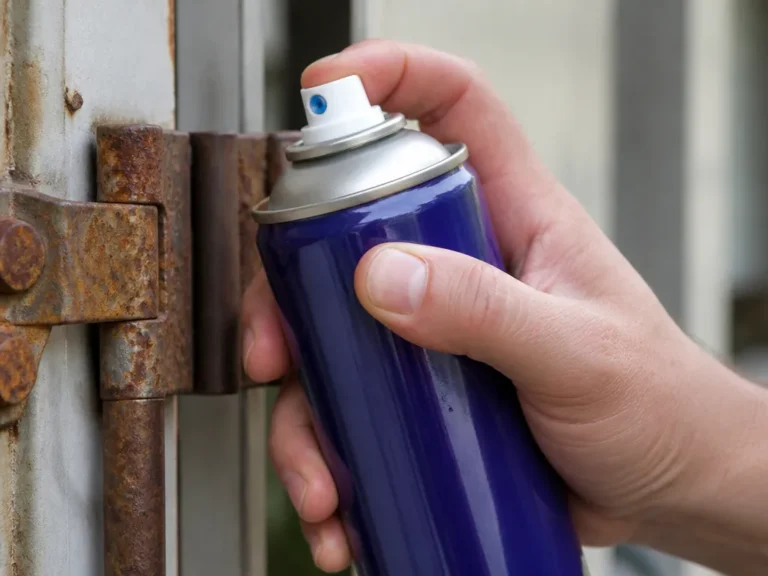
ATF (automatic transmission fluid) can lubricate a stuck fastener, but it is not a true penetrating oil. It may help with a bolt that is dry, slightly galled, or bound by friction, but it is a poor first choice for threads packed with rust. ATF can leave oily residue, attract grime, and fail to creep through corrosion as effectively as a product made for seized fasteners.
If ATF is all you have, apply a small amount and let it soak for 20-60 minutes. Try gentle back-and-forth movement rather than maximum force. If the bolt still will not move, switch to a dedicated penetrating oil. Kerosene-based and rust-focused penetrants are usually more effective on heavily corroded threads.
ATF vs. Penetrating Oil
- Main risk: Slippery residue can trap dirt and make cleanup harder.
- Soak time: Let ATF sit for 20-60 minutes, then re-apply once or switch to a penetrant.
- Heat: Warming the metal can help it expand, but use heat carefully around fuel, rubber, paint, and electrical parts.

Helpful pick
Castrol Transmax High Mileage Automatic Transmission Fluid, 1 Gallon
A dependable gallon of high mileage fluid to ensure your transmission stays protected and lubricated during operation.
When ATF Helps – and When It Fails
ATF is designed to lubricate and protect automatic transmissions under heat and pressure. It is not engineered to creep into rust layers, displace moisture, or work through corrosion in the same way as a penetrating oil.
It can still improve a difficult situation. Any thin oil can reduce friction between stuck surfaces, especially when a fastener is tight because of dry contact, light galling, paint, or mild oxidation. In those cases, ATF may give the threads enough lubrication to start moving.
Heavy rust is different. Rust scale creates a physical barrier between the threads, and lubrication alone may not break that bond. ATF can soak the surface, but its detergents and other additives may leave residue you do not want on external hardware.
How to Try ATF Without Making the Job Worse
Treat ATF as a short trial, not a complete rust-removal strategy. Apply a small amount where the bolt meets the surrounding part. If the threads are exposed, wet them as well. Let the fluid sit for 20-60 minutes before testing the fastener.
Use gentle back-and-forth movement instead of immediately applying full force. Even a small amount of motion can help the fluid work farther into the gap. If the fastener begins to move, keep alternating between loosening and tightening rather than forcing it in one direction.
A few habits improve the odds of success:
- Work the rust line: Apply fluid around the threads and the joint, not only on the bolt head.
- Avoid over-spraying: Keep ATF away from brake components, tires, belts, painted surfaces, rubber, and electrical connectors.
- Repeat once: Re-apply after the first soak, but do not keep repeating the same failed approach indefinitely.
- Use heat carefully: Warming the surrounding metal can help it expand and loosen rust bonds. Do not use an open flame near fuel, vapors, plastic, rubber, or other heat-sensitive parts.
- Clean up afterward: Wipe away excess ATF so it cannot collect dust or migrate onto a surface that needs traction.
An exhaust clamp bolt shows the limitation clearly. ATF might help if the bolt is only dry or slightly stuck, but heavy exhaust corrosion may require a different approach. Warming the clamp, waiting, and then using controlled turning force gives you a better chance of success.

Helpful pick
Valvoline ATF 4 Full Synthetic Automatic Transmission Fluid 1 Quart
A convenient single quart of full synthetic fluid perfect for small trials on stubborn, rusted fasteners.
Why ATF Can Be Useful as a Backup
Availability is ATF’s main advantage. If you are already working on a vehicle and have transmission fluid nearby, a small application may reduce friction while you obtain a proper penetrant. It is a reasonable stopgap when the fastener is only lightly stuck and you want to test whether lubrication is enough.
ATF can also help with galled or dry hardware that is not packed with rust. Once the fastener starts moving, continued lubrication may help you remove it without excessive force. You can then clean the threads and apply the appropriate anti-corrosion protection during reassembly.
The limits are just as important. ATF is messy, may leave residue, and can spread to nearby components. Its use is especially inconvenient when the fastener is visibly scaled, deeply rusted, or located near brakes or other parts that must remain clean.
Better Alternatives for Rusted Fasteners
A true penetrating oil gives you better odds when corrosion is the main problem. Kerosene-based penetrants, rust-focused sprays, and products labeled for seized fasteners are made to creep into tight gaps and loosen corrosion. They may still require several applications.
| Option | Key Spec / What It Is | Best For | Typical Trade-off |
|---|---|---|---|
| ATF | Transmission fluid, lubricant + additives | Slightly stuck, low-rust hardware | Less reliable penetration, messier residue |
| Kerosene-based penetrant | Thin oil intended to creep | Rusted threads and seized bolts | Often needs multiple re-applications |
| “Penetrating oil” spray (rust-focused) | Formula designed for corrosion sites | Stubborn fasteners with scale | Can be more expensive than ATF |
| PB-style penetrating products | Consumer penetrant blends | Outdoor hardware, long-seated rust | Strong smell, wipe-up still needed |
| Vinegar/acid (DIY) | Acid-based rust dissolver | Surface rust, light corrosion | Does not lubricate; must be neutralized and re-protected |
| Heat + penetrant | Thermal expansion plus fluid | Very stuck fasteners | Higher risk of burns and heat damage |
Vinegar can help with surface rust, but it is not a replacement for a lubricating penetrant. It also needs to be neutralized and followed by protection against new corrosion. A more effective sequence is to loosen or dissolve surface corrosion if necessary, apply a proper penetrating oil, and then use controlled torque.

Helpful pick
Castrol Transmax ATF/CVT Universal Automatic Transmission Fluid, 1 Gallon
This universal ATF/CVT fluid offers versatile protection for various transmission types when standard penetrants are unavailable.
A Practical Rule for Choosing the Right Method
Technique matters as much as the fluid. If the bolt rocks but will not turn, stop increasing force. Add a proper penetrant, allow more soak time, and try again with steady pressure. An impact tool may help in some cases, but it can also strip a soft bolt head or break a weakened stud, especially when corrosion has already damaged the metal.
Protect the surrounding parts throughout the job. Wipe away ATF or penetrant near brakes, sensors, belts, electrical connectors, and sealing surfaces. These fluids migrate easily, and a slippery film can cause trouble where you need friction or a clean seal.
Examples of ATF on Stuck Hardware
A battery terminal bolt that is tight and crusted with light corrosion may respond to ATF. The fluid can reduce friction enough to start turning the bolt, but the corrosion around the clamp still needs cleaning. After removal, clean the threads and reassemble with suitable anti-corrosion protection.
A seized patio door hinge screw may also respond to a short ATF soak if paint or light oxidation is causing the resistance. If rust scale has frozen the screw to the hinge plate, use a dedicated penetrating product and a careful amount of heat, then replace the screw if the original head becomes stripped.
An automotive exhaust stud requires more caution. Warm the flange, apply penetrating oil or a rust-focused penetrant, wait, and then apply steady torque while supporting the stud. Switching to the correct penetrant early can save time and reduce the chance of rounding the fastener or breaking the stud.
FAQ
Can I use ATF as penetrating oil on rusted bolts?
ATF might help if the bolt is stuck from friction or slight galling, but heavy rust requires a product made for seized fasteners. Apply it, let it soak for 20-60 minutes, re-apply once if needed, and try again with controlled force.
Will ATF damage paint or rubber?
ATF can stain and leave oily residue. It may soften or degrade some rubber materials if it remains in contact with them for long periods. Keep it off tires, belts, and brake components, and wipe away excess after testing. Near painted trim, test it on a small hidden area first.
How long should I let ATF soak before trying the bolt again?
Start with a 20-60 minute soak, then test the fastener with gentle back-and-forth movement. If it still will not move, re-apply once and wait again, or switch to a dedicated penetrating oil. Leaving ATF in place for hours is unlikely to make it perform like a true penetrant.
What is the best alternative if I do not want to use ATF?
Use a store-bought penetrating oil labeled for seized or rusted fasteners. Kerosene-based and rust-focused penetrant sprays generally creep more effectively than ATF. When safe, combine the penetrant with controlled heat because warming the metal can help loosen corrosion bonds.
What is a common mistake when using ATF as penetrating oil?
Applying maximum force too soon is the most common mistake. The bolt head can strip and the threads can suffer damage before the fluid has time to reach the rust line. Use a short soak, gentle torque, and a proper penetrant if ATF does not produce movement.

- Best Bug And Bird Poop Remover For Cars 2026 - September 15, 2026
- Can Vaseline Work As Wd-40? - September 15, 2026
- Best Bug Remover For Bumper 2026 - September 15, 2026