Can You Use Synthetic Oil In A Generator?

Can you use synthetic oil in a generator? Yes, in many cases—but only when the manufacturer permits it and the oil has the right viscosity for your temperature range. Oil choice affects starting, wear, and sometimes warranty coverage. Check the manual before switching, then match its viscosity grade and engine oil specification.
Synthetic oil is generally safe when the manual allows it and you use the required viscosity grade, such as SAE 30 or 10W-30. Most generators benefit from synthetic oil during cold starts, but the wrong grade or missing oil specification can create problems. If your manual says “use SAE 30” or “use 10W-30,” follow that requirement before choosing a synthetic product.
Synthetic Oil Rules for Generators
- Expect easier cold starts. Synthetic oil usually flows better in cold weather, which can reduce hard starts and dry friction.
- Protect your warranty. Using the wrong grade or specification can lead to a warranty denial, even if the oil is synthetic.
- Switch during a normal oil change. Drain the old oil, install the correct synthetic viscosity, and follow the manual’s service procedure.
- Keep the scheduled interval. Change the oil according to the manual’s runtime-hour or seasonal schedule unless it gives a separate interval for synthetic oil.
Can You Use Synthetic Oil in a Generator?

Yes. Synthetic oil is typically suitable when it meets the generator manufacturer’s requirements. Most mistakes happen when owners buy a synthetic oil with the wrong SAE grade or ignore a specification such as an API category.
“Synthetic” describes the oil’s base type. Your generator still needs the correct viscosity and performance specification for its engine and operating temperature. When those requirements match, synthetic oil is typically a safe choice, especially for air-cooled engines that face cold starts, short run times, or long storage periods.
Synthetic oil can flow more easily when the generator has been sitting in cold weather, and it often resists breakdown under demanding service conditions. Those benefits do not override the manual. Some manufacturers specify exact oil grades or restrictions for a reason.
Check Your Generator Manual Oil Specification
Your manual lists the viscosity grades to use, such as SAE 30 or 10W-30, along with any required oil specification or category. Start there instead of choosing whichever synthetic oil is on sale. If the manual lists a specific API service category or equivalent, match it.
Read the temperature chart, too. Many manuals match ambient temperatures with specific viscosity grades. If winter temperatures in your area routinely reach freezing, the manual may recommend a lighter grade such as 10W-30 instead of straight SAE 30. That temperature guidance matters more than the word “synthetic” on the bottle.
If the manual says to use motor oil that meets a particular specification but does not mention synthetic oil, synthetic oil will usually work if it meets the same requirements. If the manual explicitly says that synthetic oil is allowed or not recommended, follow that instruction.
Synthetic Oil Cold-Start Benefits for Generators
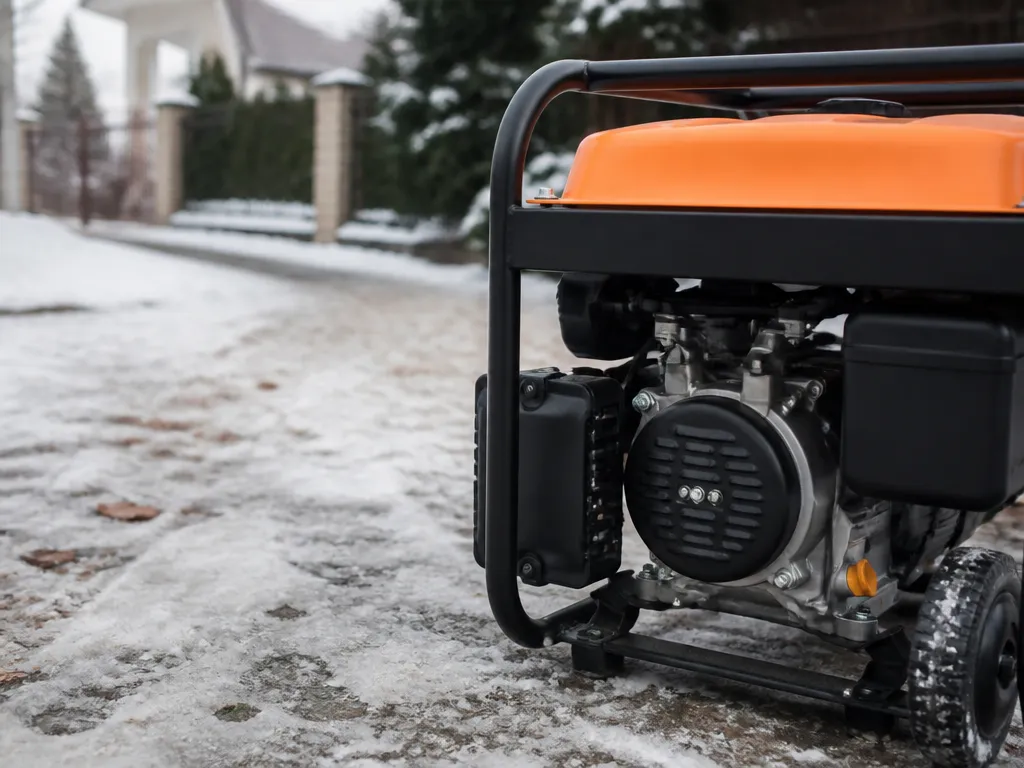
Synthetic oil can improve cold starts because it generally flows better at low temperatures than conventional oil of the same viscosity grade. For a generator stored for weeks during winter, that quicker flow can reduce cranking time and startup wear.
The first seconds after startup are especially demanding because oil is still circulating through the engine. Better low-temperature flow helps protect critical surfaces before normal circulation begins. It can also reduce the chance of delayed lubrication during those first moments.
This benefit is especially useful for air-cooled engines and portable generators that sit unused for long periods. Synthetic oil may also help a standby generator start after a long outage. The benefit still depends on choosing the viscosity grade that suits your temperature range. Synthetic oil with the wrong grade is not an improvement.
Does Synthetic Oil Affect Warranty Coverage?
Warranty coverage can be affected when the oil used fails to meet the manual’s requirements. A later lubrication-related problem may raise questions about whether the maintenance requirements were followed, even if the generator initially runs normally.
For the safest approach:
- Use the exact viscosity grade and oil specification listed in the manual.
- Keep your receipts or oil-container labels as maintenance records.
- Follow any wording that specifically allows or restricts synthetic oil.
If the manual explicitly allows synthetic oil and the product meets its requirements, you have the clearest case for warranty compliance.
How to Switch From Conventional to Synthetic Oil
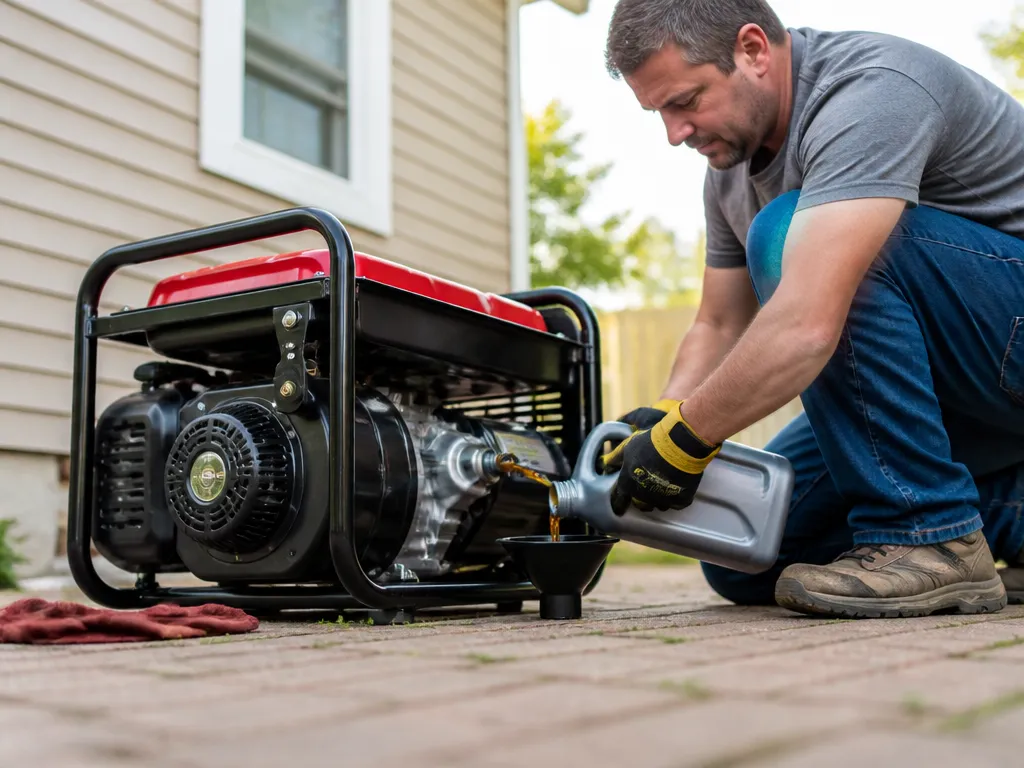
Switching is usually a normal oil service. Warm the engine according to the manual’s instructions, drain the old oil, and refill with synthetic oil that has the correct viscosity grade and specification. A special “synthetic flush” is not normally necessary unless the manual recommends one for contaminated or badly degraded oil.
Check the oil capacity and drain interval before starting. Do not overfill. Excess oil can cause foaming, allow oil to reach areas where it should not be, and create messy blow-by.
A typical change follows this sequence:
- Run the generator briefly to warm the oil.
- Shut it down and drain the old oil.
- Reinstall and secure the drain plug.
- Add the correct synthetic oil gradually.
- Check the level with the dipstick or sight glass.
- Look for leaks and recheck the level after the oil settles.
If your manual calls for 10W-30 in your temperature range and you currently use conventional 10W-30, the switch mainly changes the brand and base-oil type. If you use straight SAE 30 but the manual recommends 10W-30 in colder weather, switching is also an opportunity to correct the seasonal viscosity.
Synthetic Oil Change Intervals for Generators
Synthetic oil does not automatically let you extend a generator’s oil-change interval. The manufacturer sets that interval, usually in runtime hours or on a seasonal schedule. Use the same interval for synthetic oil unless the manual specifies a different one.
The generator’s duty cycle affects the oil. A portable generator that runs for an hour and then sits can accumulate condensation and fuel dilution, which synthetic oil does not eliminate. Long continuous runs create heat and soot loading, and the manual’s service interval accounts for those operating conditions.
The engine’s maintenance requirements take priority over claims such as “long life” on an oil label.
When Synthetic Oil Is a Bad Fit for Generators
Synthetic oil is a poor choice when it does not match the generator’s required viscosity grade or engine oil specification. “Synthetic must be better” is the wrong approach. The wrong viscosity can affect oil pressure and lubrication during both cold starts and normal operation.
A heavy straight-weight oil can also be a bad choice in extremely cold conditions if the manual recommends a lighter winter grade. Use the manufacturer’s recommended viscosity even if it differs from the oil you normally buy.
Synthetic oil cannot compensate for neglected maintenance. Old fuel, clogged filters, worn spark plugs, frequent overloading, and an incorrect oil level can all cause generator problems. Correct viscosity, fresh-fuel practices, and clean air filtration should come first.
FAQ
Can you use synthetic oil in a generator without changing the viscosity?
Only if the synthetic oil has the exact SAE viscosity grade your manual requires, such as 10W-30 or SAE 30, and meets every listed oil specification. Synthetic describes the base-oil type; it does not replace the viscosity or performance requirements. If the manual provides temperature-based guidance, choose the grade that matches your conditions, then select a synthetic version of that grade.
Will synthetic oil improve generator performance under load?
Synthetic oil may help protect the engine during startup and normal operation, but it will not increase the generator’s output power. Load performance depends more on correct fueling, the proper oil level, clean air filtration, and overall engine condition. If the generator bogs down under load, synthetic oil is unlikely to solve the problem.
Does synthetic oil change how often I should service my generator?
It can, but only if the manual gives synthetic oil a different service interval. Many manuals use the same oil-change interval regardless of the oil’s base type. Do not extend the interval simply because the bottle says “long life.”
Is synthetic oil safe for a generator that’s already used conventional oil?
Yes, typically. Drain the conventional oil, refill with the correct synthetic oil, and check the level. No special mixing procedure is required. Do not top off with a different viscosity unless the manual allows it.
What’s the most common mistake when switching to synthetic oil?
The most common mistake is choosing a synthetic oil with the wrong viscosity or missing the manual’s required specification. An owner may switch from 10W-30 to SAE 30 without realizing it, or overlook an API category requirement. Overfilling is another common error and can cause oil foaming and messy blow-by.

- Top 10 Best Helmet For Xtreme 125r 2026 - October 5, 2026
- Top 10 Best Helmet For Xpulse 200 2026 - October 5, 2026
- Top 10 Best Helmet For Xsr 155 2026 - October 5, 2026