Can You Have Too Much Fuel Pressure 2001 Gmc Jimmy?

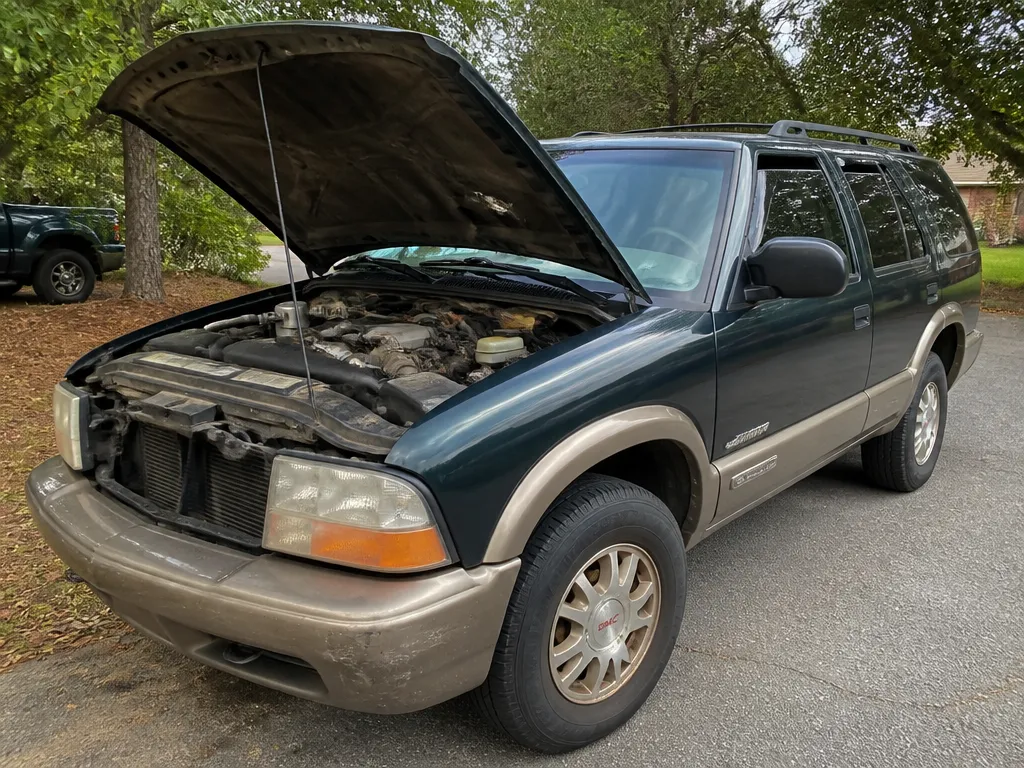
Fuel pressure that is too high can flood the engine and mess up fuel trims, because the injectors still spray even when the regulator should be controlling pressure. For a 2001 GMC Jimmy, the safe answer is: yes, you can have too much fuel pressure, and it can cause drivability issues or damage if the root cause is a stuck regulator or wrong fuel system parts. In this guide, you’ll get the practical specs to compare against, the signs to watch for, and a gauge test you can do safely.
Fuel pressure can be too high on a 2001 GMC Jimmy. If the regulator is stuck, hoses are leaking, or a component was replaced incorrectly, rail pressure can run high enough to cause rich symptoms like hard starts, black smoke, rough idle, and poor fuel economy, even before you see any engine codes. A fuel pressure gauge test tells you quickly if the system is out of range.
Key Takeaways
- Yes, it can happen. Too much fuel pressure can overfuel the engine and trigger rich-running symptoms.
- Specs matter by rail type. Your Jimmy uses a specific fuel system design, so compare gauge readings to the correct spec.
- High pressure signs are real. Expect hard starts, black smoke, rough idle, and fuel smell when pressure is excessive.
- Common cause is regulator. A stuck fuel pressure regulator is a frequent reason pressure runs above target.
- Test with a proper gauge. Connect at the test port, cycle key, then run a quick compare under load if possible.
- Fix by restoring control. Replace the faulty regulator or corrected parts, then re-test before driving.
Can You Have Too Much Fuel Pressure 2001 GMC Jimmy?
Yes, you can have too much fuel pressure on a 2001 GMC Jimmy, and the engine will behave like it is being overfed. Fuel pressure controls how much fuel the injectors deliver for a given pulse width, so “extra” pressure usually means a richer air-fuel mixture.
The important distinction is that the fuel system is designed to self-regulate. If the system is operating normally, pressure should stay near a target range while the regulator and return system do their jobs. When pressure runs high, something is preventing the regulator from doing that job, such as a bad regulator, a vacuum reference problem, a blocked return line, or incorrect parts.
What Fuel Pressure Specs Apply to a 2001 Jimmy
Fuel pressure specs vary depending on the exact engine and fuel system configuration on your 2001 Jimmy. The safest move is to match the spec to your vehicle’s engine (S10 platform details can differ) and to the style of fuel rail/regulator your truck uses.
Here’s the practical approach I use in the shop: confirm (1) whether you have a fuel pressure test port on the rail, and (2) where the regulator control comes from (vacuum-referenced versus non-vacuum). Then use the correct spec for your engine and target operating condition. If you don’t have the spec sheet in front of you, don’t guess at numbers, because “too high” depends on the factory target.
What you can do immediately is create a comparison baseline using your own readings. Write down fuel pressure (key-on engine-off) and fuel pressure while running at idle, and then compare to the published spec for your exact setup. If your values are consistently above spec, you can treat that as high pressure until proven otherwise.
Signs the Fuel Pressure Is Too High
High fuel pressure shows up as rich fuel delivery, and the symptoms are usually noticeable before anything “breaks.” The most common pattern is the engine runs rich at idle and low load, then worsens under acceleration or long crank.
Look for these signs:
- Hard starts. You may get longer cranking or repeated attempts before it fires, especially after sitting.
- Black smoke or heavy exhaust odor. Rich mixtures leave a noticeable fuel smell.
- Rough idle and misfire. With too much fuel, spark can’t reliably ignite the mixture.
- Poor fuel economy. Even if it “runs,” the dashboard MPG often drops.
- Fuel pressure-related trouble codes. Codes like those tied to mixture control or fuel trim often show up when the PCM is trying to correct a rich condition.
In practice, some of these also occur with other issues like a leaking injector, vacuum leaks, or sensor problems. That’s why fuel pressure testing is the decision-maker. You want to confirm whether pressure is actually high before ordering parts.
What Causes Excess Fuel Pressure on a 2001 GMC Jimmy
Excess fuel pressure is usually caused by the fuel system losing its ability to regulate. The fuel pressure regulator is the most common culprit, but blocked or misrouted lines and wrong parts also happen.
Common causes I see:
- Stuck fuel pressure regulator. The regulator fails to bleed off pressure (or gets stuck in a high-pressure position).
- Bad vacuum reference to the regulator. If the regulator is vacuum-referenced and the vacuum signal is wrong (cracked line, leaking hose, bad fitting), pressure control can drift high.
- Restricted or blocked return line. If fuel can’t return to the tank properly, pressure climbs.
- Incorrect regulator or wrong replacement parts. A regulator swap with the wrong specs or a mismatched rail part changes behavior.
- Leaking injector(s). This doesn’t always “raise pressure,” but it can mimic rich symptoms and can also affect pressure decay.
- Fuel pump control issues. If the system can command pump behavior, a control problem can contribute to abnormal pressure.
For example, a regulator that’s partially blocked internally may still allow the engine to run, but pressure will stay high at idle and key-off pressure may not release normally. That combination is a strong clue pointing to the regulator and related plumbing.
How to Test Fuel Pressure With a Gauge
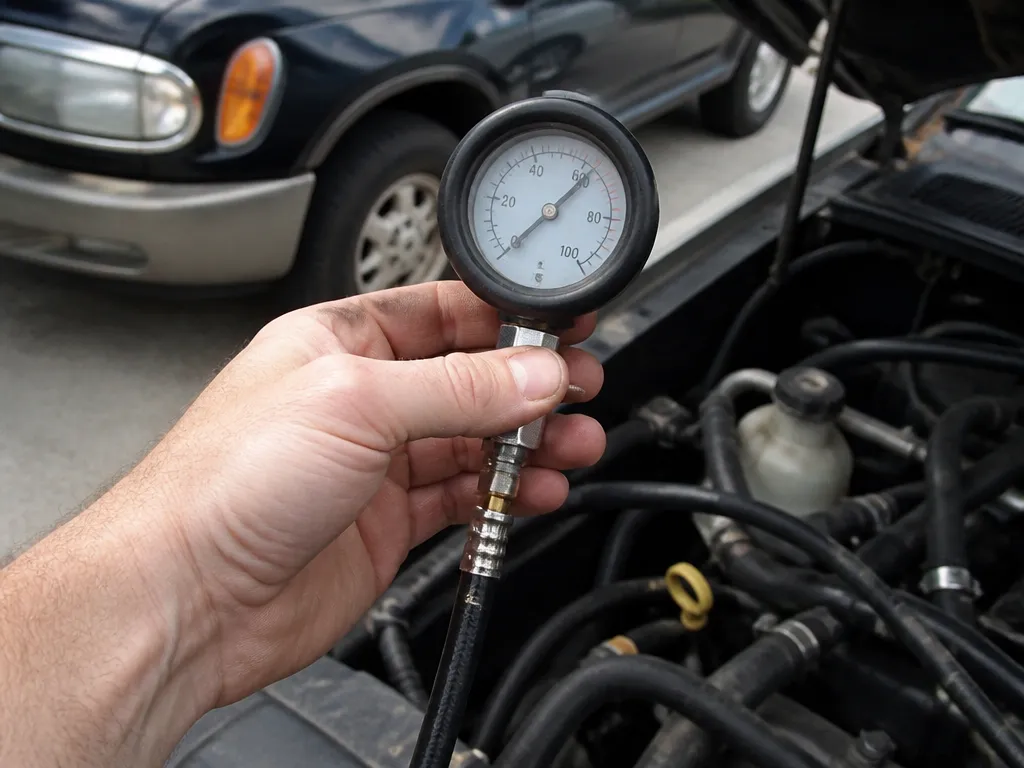
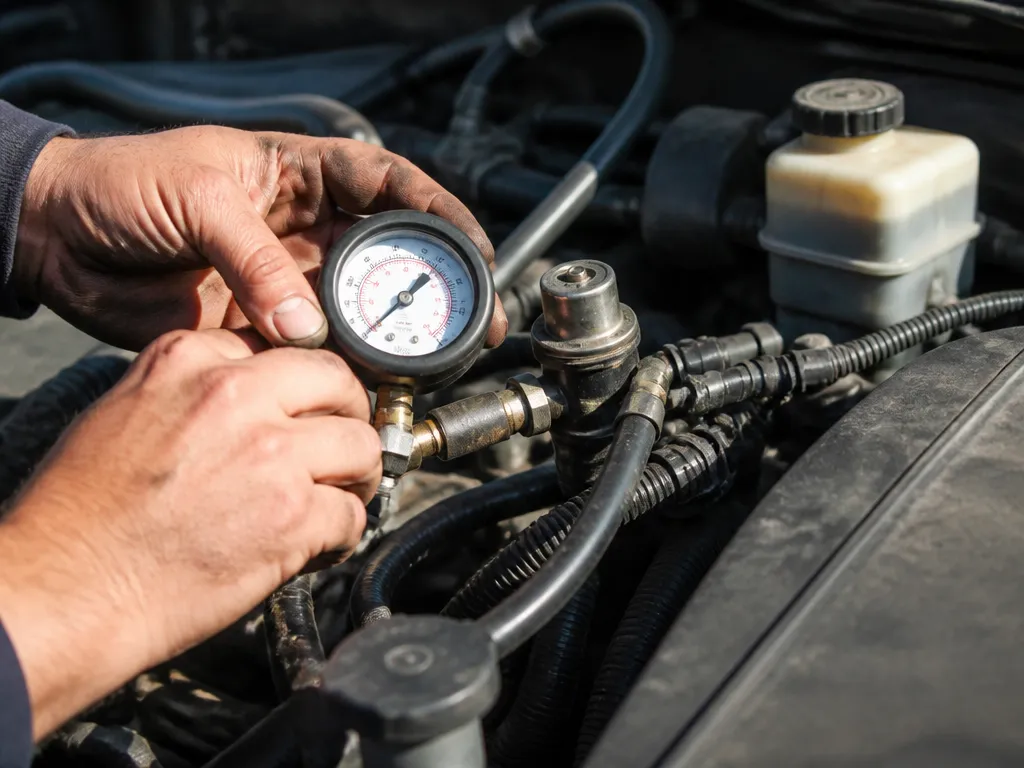
Testing fuel pressure correctly is about safety and about measuring the right conditions. Use a fuel pressure gauge rated for gasoline systems, and use a method that connects to the factory test port if your Jimmy has one.
Safety first: relieve pressure carefully if the procedure calls for it, keep ignition sources away, and use proper fuel-rated fittings. Fuel under pressure can spray, and a mistake here can turn a simple test into a fire risk or a trip to urgent care.
Then measure in a sequence that actually answers the question:
- Warm the engine (optional). Many issues show up more clearly once fuel system temperatures stabilize.
- Connect the gauge at the test port. Confirm the connection is tight and fuel-tight.
- Record key-on engine-off (KOEO) pressure. Note the exact reading.
- Start the engine and record idle pressure. Write down the stable idle value.
- Observe behavior while revving or loading (if safe). Some regulator types change pressure with vacuum changes.
- Turn key off and watch pressure decay. Normal systems lose pressure at a reasonable pace. If pressure holds abnormally, suspect regulator or leaking components.
If you see high readings in KOEO and idle, regulation is likely failing. If KOEO is normal but idle is high, that points more toward vacuum reference control or a regulator behavior issue that happens only under running conditions.
How to Fix High Fuel Pressure Step by
Fixing high fuel pressure is really about restoring correct regulation, not “chasing numbers” with random part swaps. Start with the simplest checks, then move to the component most likely to cause high pressure: the regulator and its control path.
Here’s the step-by-step path I’d follow:
- Confirm the gauge setup. Make sure the gauge is correct, connected properly, and not using adapters that leak or kink lines.
- Compare readings to the correct spec for your engine. Your test results only matter if you’re comparing to the right target.
- Inspect the regulator vacuum line (if vacuum-referenced). Look for cracks, loose clamps, disconnected hoses, and obvious leaks.
- Check for restrictions in the return path. If the return line is blocked or pinched, pressure will climb.
- Test pressure decay after shutoff. Slow or abnormal decay can indicate leaking injectors or a regulator that is not relieving pressure.
- Replace the failed regulator (most common repair). Use the correct regulator for your fuel system design.
- Replace suspect hoses or fittings. If vacuum lines or connectors are damaged, replace them so the regulator gets the right control signal.
- Re-test before driving. Don’t assume repair fixed it just because symptoms improved once.
In practice, the most efficient “win” is combining symptoms, pressure readings, and pressure decay behavior. If pressure is high and decays poorly, that points directly to a regulation failure or leaking injector behavior. If vacuum signal checks out and return lines are clear, the regulator replacement is usually the cleanest next step.
Verify the Repair With a No-Start and Run Test
After you fix high fuel pressure, you should verify two things: (1) pressure is back in range while running, and (2) the system behaves normally after shutoff. This is where many “fixed it once” repairs fail, because the problem comes back as soon as you drive.
Do a controlled test:
- No-start / crank test (after key-off). After shutting the engine off and allowing the system to sit briefly, verify the engine starts normally and doesn’t crank forever. If it still has long crank behavior, fuel pressure bleed-off may still be wrong.
- Run test at idle. Measure fuel pressure again at idle and compare to spec. If idle pressure is still high, you likely didn’t fix the regulation path.
- Monitor for rich symptoms. The engine should idle smoother, the exhaust should not be excessively fuel-smelling or smoky, and throttle response should feel normal.
- Re-check for codes. If the PCM previously set rich-related codes, clear them after repair and verify they don’t return immediately.
For example, if you replaced the regulator but left a damaged vacuum line or a partially blocked return, you might still see high pressure at idle. The “no-start and run” combo catches that quickly without guessing.
FAQ
Can too much fuel pressure damage my 2001 GMC Jimmy?
Yes. Too-high fuel pressure can overfuel the engine, which can foul spark plugs and damage catalytic converters over time by running rich. It can also wash cylinder walls with excess fuel if it’s severe. Test with a gauge and correct the regulator or restriction causing the high pressure.
How much does it cost to fix high fuel pressure on a 2001 Jimmy?
It depends on what’s causing it. A fuel pressure regulator replacement is often the main parts expense, while diagnostic time and any hose/line repairs add to the bill. If multiple injectors are leaking or the return path is blocked, costs increase.
How long does a fuel pressure test take?
A proper test is usually quick once you have the gauge and fittings. Expect about 15 to 30 minutes to connect, measure key-on and idle pressure, and observe pressure decay after shutoff. If you also check vacuum control and inspect hoses and return lines, it may take closer to 30 to 60 minutes.
What’s the quickest way to tell if it’s a fuel pressure regulator problem?
Abnormal pressure behavior plus poor pressure decay is the strongest clue. If pressure stays high after shutdown or doesn’t drop the way it should, a regulator that can’t relieve pressure is likely. Combine that with vacuum-reference checks (if applicable) and you can usually narrow it down fast.
Could a clogged fuel filter cause high fuel pressure?
A clogged filter more commonly causes low pressure because it restricts flow, but fuel system behavior varies by design. If your readings show high pressure, focus first on the regulation side (regulator, vacuum reference, return restrictions) rather than assuming the filter is the cause.

- Top 10 Best Helmet For Xtreme 125r 2026 - October 5, 2026
- Top 10 Best Helmet For Xpulse 200 2026 - October 5, 2026
- Top 10 Best Helmet For Xsr 155 2026 - October 5, 2026