Car Idle Going Up And Down In 6 Easy Steps

Car idle going up and down usually means the engine is not receiving a steady air-fuel signal. The RPM may “hunt” – bouncing between a lower and higher idle – while you sit at a light. Common causes include a vacuum leak, a dirty or failing throttle or idle-air system, or sensors that make the ECU repeatedly add and remove fuel or air.
Start with the basics: check the battery connections, inspect vacuum and intake hoses, and look for throttle-body deposits before replacing sensors. MAF/MAP, O2, coolant temperature, crankshaft, and camshaft sensors can cause unstable idle, but they should be tested rather than replaced blindly.
Key Takeaways
- Record the RPM pattern. Note what the tachometer does and when the problem occurs – during a cold start, after warm-up, or when the AC turns on.
- Check for a vacuum leak first. A cracked hose, loose intake boot, or leaking PCV valve can cause idle swings.
- Inspect the throttle body. Carbon buildup around the throttle plate or idle passages can restrict and upset airflow.
- Use sensor data carefully. MAF/MAP, coolant temperature, and crank/cam signals can trigger oscillation when their readings are inaccurate.
- Rule out a misfire. A misfiring cylinder can shake the engine and move the RPM even when idle control is working properly.
- Diagnose in order. Check leaks, throttle control, and ignition before condemning expensive sensors.
Car Idle Going Up and Down Causes
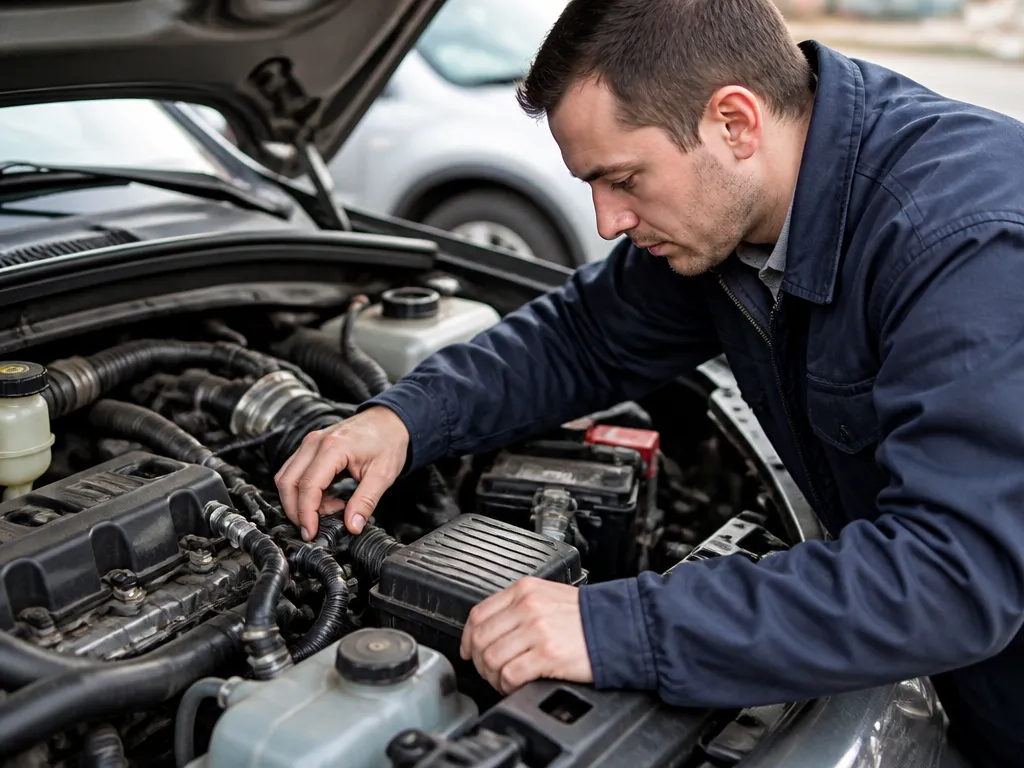
Idle hunting usually starts when the engine controller detects a change, commands more or less air or fuel, sees the engine respond, and then overcorrects. The repeated correction makes the RPM rise and fall instead of settling at a steady speed.
The most common causes fall into four groups:
- An air leak in the intake or vacuum plumbing
- A dirty throttle body, blocked idle passage, or sticking idle-control component
- A sensor mismatch involving airflow, engine temperature, throttle position, or engine speed
- A misfire caused by ignition, fuel delivery, air leaks, or engine compression
Vacuum leaks, throttle deposits, and PCV problems are common starting points. A faulty MAF or MAP sensor, coolant temperature sensor, O2 sensor, or crank/cam sensor can create similar symptoms. Even without a check engine light, the ECU may still be making unstable corrections based on sensor readings.
Think of the issue as a control loop. The ECU believes something has changed, adjusts air or fuel, and then reacts to the engine’s response. The diagnostic task is to find what is making the ECU think the engine’s condition keeps changing.
How to Diagnose RPM Hunting While Idling
Watch the pattern before you start replacing parts. Note whether the RPM hunt happens only when the engine is cold, only after it warms up, or all the time. Check whether turning on the AC, turning the steering wheel, or shifting into gear makes it better or worse.
Two quick checks can help separate airflow control from combustion problems:
- Listen and feel for misfires. If the engine shakes, smells like unburned fuel, or produces intermittent skips, misfire becomes more likely. A vacuum problem can also make the engine run rough, but misfire usually produces stronger vibration and sometimes a noticeable exhaust smell.
- Watch how the RPM changes. A smooth, rhythmic rise and fall often points to idle-air control or airflow feedback. A sharp dip followed by a recovery points more toward a misfire or fuel or ignition problem.
Then check the basics that can lead to false diagnoses:
- Confirm that the engine idle is set correctly if your vehicle has an adjustable idle screw or a specific adjustment procedure.
- Inspect intake and vacuum hoses for cracks, loose connections, and damaged ends.
- Make sure battery terminals are tight and free of corrosion. Weak electrical supply can make sensors and idle-control components behave erratically.
If you have access to live scan data, watch these PIDs while the RPM hunts:
- STFT/LTFT fuel trims: Do they swing with the RPM?
- MAF g/s or MAP kPa: Does measured airflow or load jump around?
- ECT engine coolant temperature: Does the reading show believable warm-up behavior?
- TPS and commanded idle: Do they change when the idle speed changes?
You do not need to memorize specific values. Look for a reading that mirrors the RPM swings. If fuel trims spike when the RPM rises or falls, an airflow or mixture-correction problem is likely. If the sensor readings stay stable while the RPM continues bouncing, combustion or an intermittently sticking control actuator becomes more likely.
Vacuum Leaks vs. Dirty Throttle Body Symptoms
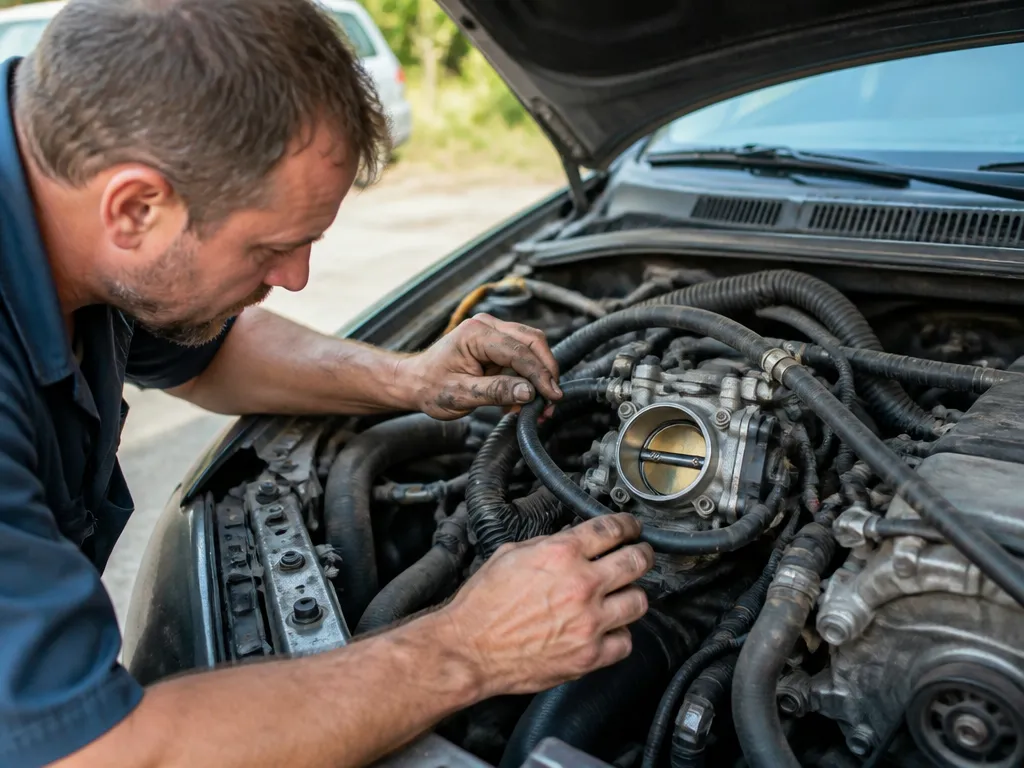
A vacuum leak lets air enter the engine without passing through the airflow measurement and control the ECU expects. The ECU then tries to correct the mixture, which can make the idle rise, fall, and repeat the cycle. Small leaks may not set a trouble code.
Common leak sources include cracked vacuum hoses, a loose intake manifold gasket, a faulty PCV valve, a leaking brake booster if equipped, and an intake boot that is not clamped evenly.
A dirty throttle body causes a similar problem by restricting or changing the air entering through the throttle plate. Carbon deposits can make the plate or idle passages stick, so the engine receives inconsistent airflow. Many modern vehicles also require an idle or throttle relearn after cleaning because the ECU must adapt to the throttle’s new response.
Use these behavior clues to separate the two:
| Vacuum leaks often produce a hiss near the intake. The RPM may change when you gently move a vacuum hose or intake component, although you should avoid touching hot or moving parts. The problem may also worsen when an accessory adds engine load.Dirty throttle bodies often produce roughness after a cold start and inconsistent idle without an obvious hiss. Cleaning and the required relearn procedure may noticeably improve the idle. | Symptom clue | Vacuum leak tends to do this | Dirty throttle body tends to do this |
|---|---|---|---|
| Idle sounds | Hissing or unstable airflow near intake | Often no obvious hiss, just inconsistent idle | |
| Cold start behavior | Can be unstable immediately | Often worse when carbon is worst, frequently on cold starts | |
| Fuel trims (if you check) | Usually indicates lean correction (STFT positive on many cars) | May also show correction swings, often with inconsistent idle air | |
| Reaction to throttle cleaning | Limited improvement unless relearn also needed | Usually improves after cleaning plus throttle relearn | |
| Common failure points | Hose cracks, intake boot, PCV valve, booster line | Throttle plate deposits, idle air passages blocked |
Treat vacuum leaks and throttle deposits as separate checks. Inspect for leaks before cleaning the throttle body. A clean throttle will still hunt if unmetered air continues entering the engine.
Sensor Problems That Make Idle RPM Oscillate
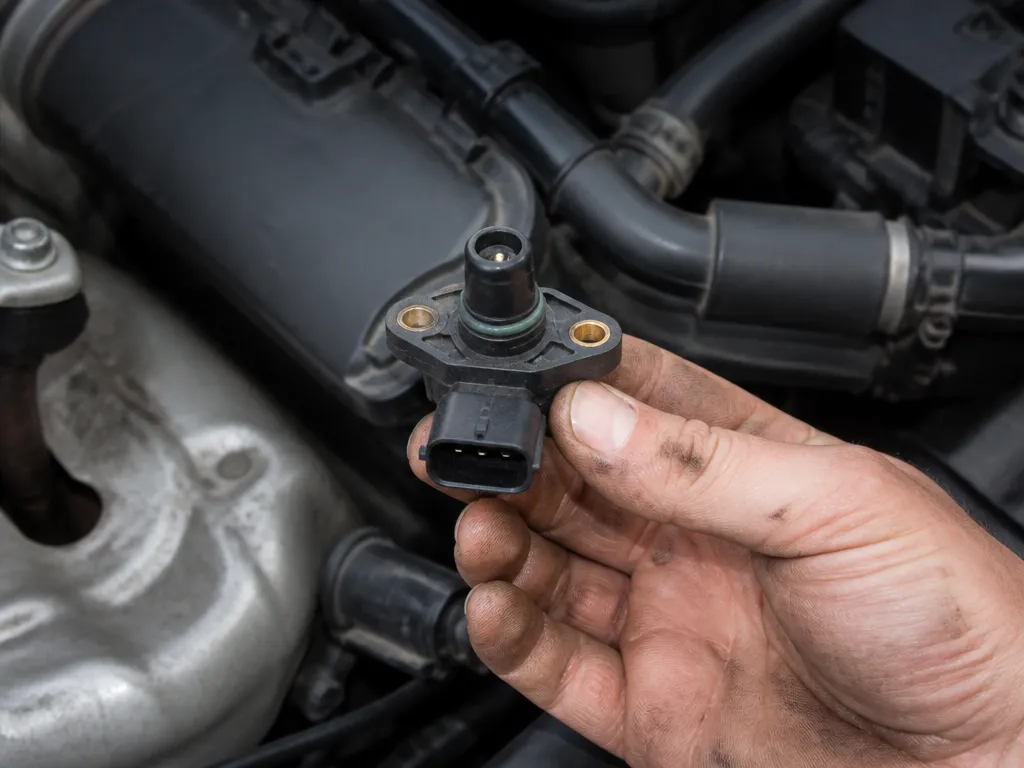
A faulty sensor can make the ECU apply the wrong idle correction, then correct that correction. The result can look like a bad throttle or idle-control component even when the airflow hardware is intact.
Sensors that commonly affect idle stability include:
- MAF (Mass Air Flow): Used on many vehicles. A low or noisy reading can make the ECU add fuel or air and then pull it back.
- MAP (Manifold Absolute Pressure): Used on many other setups. Jumping manifold-pressure readings can make the ECU think engine load and airflow are changing continuously.
- Coolant temperature (ECT): If the ECU thinks the engine is colder or hotter than it really is, idle strategy and fueling can be wrong.
- Throttle Position Sensor (TPS): An inaccurate closed-throttle reading can make idle targets inconsistent.
- O2 sensors: A failing oxygen sensor can distort mixture corrections after the vehicle reaches operating temperature and enters closed-loop operation.
- Crankshaft and camshaft position sensors: Intermittent signals can affect ignition timing and mimic idle hunting or cause jerky RPM changes.
Do not replace a sensor just because its system appears on a list of possible causes. Look for a reason it is malfunctioning. With a scan tool, compare the sensor reading with the RPM pattern. If the sensor value changes at the same moment the idle changes, it deserves closer testing. If it stays smooth while the RPM hunts, investigate vacuum leaks, throttle control, or misfire first.
A missing check engine light does not rule out a problem. Intermittent faults may not meet the conditions required to store a code. Loose plugs, corroded terminals, and damaged wiring near the intake can also make sensor readings glitch when the engine vibrates at idle.
Misfire Checks for an Engine That Feels Like It Is Hunting
A misfire can make the car feel as if the idle-control system is failing. Each misfiring cylinder produces less torque, so crankshaft speed changes as the remaining cylinders carry the load.
Common idle misfire causes include:
- Worn spark plugs or failing ignition coils
- Fuel delivery problems such as a weak fuel pump, clogged filter, or leaking injector
- Vacuum or intake leaks that create a lean mixture
- Engine mechanical problems such as low compression
If the RPM hunts and the engine feels rough:
- Scan for misfire counters. Many ECUs count misfires by cylinder before they turn on the check engine light.
- Inspect spark plugs and boots. Look for fouling, carbon tracking, or damaged boots.
- Test ignition coils. If the vehicle supports coil-swapping diagnosis, move a suspect coil to another cylinder and see whether the misfire follows it.
- Check fuel pressure and injector balance if you have the necessary tools.
- Recheck for vacuum leaks. A lean condition can cause a misfire that feels like an idle-control problem.
Misfires often produce a sharper RPM dip than a smooth, rhythmic idle-air oscillation. A fuel smell from the exhaust or popping noises also moves misfire higher on the list.
Do not keep cranking or restarting the engine if it is stumbling severely. A misfire can send unburned fuel into the exhaust, and repeated misfires can overheat catalytic components.
The Right Repair Order for a Stable Idle
The most efficient repair sequence starts with checks that are inexpensive and easy to verify. Cleaning the throttle body or replacing sensors will not fix a cracked hose or leaking intake gasket.
Use this order:
- Verify engine basics. Check the oil level, electrical connections, and visible vacuum hoses.
- Check vacuum and intake leaks. Inspect hoses, clamps, intake boot seams, the PCV valve, and the brake booster line if accessible. A smoke test is one of the most effective ways to find small leaks.
- Clean the throttle body and idle passages if dirty. Remove carbon from the throttle plate and relevant passages, then perform the required relearn procedure.
- Check for misfire. Review misfire counters, inspect plugs and coils, and confirm that ignition or fuel delivery is not causing uneven combustion.
- Use scan data to target sensors. Check MAF/MAP, ECT, TPS, and O2 behavior while the idle hunts.
- Replace parts only after confirmation. If a sensor’s behavior does not correlate with the RPM oscillation, keep diagnosing.
Use this shorter checklist if you need a starting point:
- Inspect the intake manifold, PCV system, and vacuum hoses for leaks.
- Clean the throttle body if the plate or passages have visible carbon buildup.
- Confirm the throttle relearn procedure after cleaning if your vehicle requires one.
- Check plugs, coils, and misfire counters before buying sensors.
- Watch live data for the parameter that changes with the RPM.
Car Idle Going Up and Down After Repairs
Idle hunting immediately after a repair usually means a hose, connector, intake component, or ignition part was disturbed. It may also mean the ECU needs to relearn its idle strategy.
Common post-repair causes include:
- A vacuum line was disconnected, routed incorrectly, or not clamped fully.
- The intake boot or air hose is not seated tightly.
- A battery disconnect occurred without a relearn, leaving idle control to adapt imperfectly at first.
- The throttle body was cleaned but the idle relearn was skipped.
- A sensor connector was disturbed, especially around the intake.
- An ignition part was replaced incorrectly or is incompatible, such as a wrong plug gap, poorly seated coil, or damaged connector.
If the problem began immediately after service, retrace the work before assuming a new failure appeared. Inspect every hose, clamp, and electrical plug that was touched.
An idle that improves after a few drive cycles may involve relearn or adaptation. An idle that worsens, shakes, or produces misfire symptoms points more strongly to an ignition or vacuum mistake.
If a shop performed the repair, provide details about when the RPM swings, whether AC or steering load affects it, and whether any misfire codes appear. Specific observations make diagnosis faster and reduce repeated guesswork.
FAQ
Why is my car idle going up and down when stopped?
The most common cause is an airflow feedback problem. A vacuum leak, dirty throttle passage, or failing idle-control component can make the ECU repeatedly add and remove fuel or air. A misfire can create the same impression when cylinder torque is uneven. If the RPM swings without a check engine light, scan live fuel trims and watch airflow and load sensor stability.
Can a dirty throttle body really cause RPM hunting?
Yes. Carbon buildup on the throttle plate and idle-air pathways can make airflow inconsistent at closed or nearly closed throttle. The idle-control system then struggles to maintain a steady speed. Cleaning may help, but many vehicles also require the correct throttle relearn procedure afterward.
How long does it take to fix idle hunting?
A simple vacuum leak can often be repaired in 1 visit once the leak is found and the hose or clamp is corrected. Throttle cleaning plus relearn can take a few hours. Sensor or misfire diagnosis typically takes longer, especially when the fault is intermittent and no codes appear.
Is idle going up and down dangerous to drive?
It depends on the cause. Heavy misfire or a lean condition from a vacuum leak can damage components and reduce engine performance. An RPM drop that nearly stalls the engine creates a safety problem at traffic lights and in moving traffic. Stop driving and diagnose the vehicle sooner if it runs roughly enough to stall.
What common mistake makes idle hunting worse?
Replacing parts without confirming what is causing the feedback loop. Cleaning the throttle body or swapping sensors will not fix a vacuum hose that is not fully seated, a PCV problem, or an ignition misfire. Skipping the throttle relearn after cleaning can also leave the idle unstable.

- Top 10 Best Helmet For Xpulse 200 2026 - October 5, 2026
- Top 10 Best Helmet For Xsr 155 2026 - October 5, 2026
- Top 10 Best Helmet For Xc Mtb 2026 - October 5, 2026