Diagnose Tire Air Loss: 5 Reasons and Quick Fixes Tonight

Have you ever woken up to find your tire mysteriously low on air? It’s a frustrating experience that many drivers face. Understanding the reasons behind this issue can help you avoid unexpected flat tires and ensure your vehicle remains safe and reliable.
Common causes include punctures, valve stem leaks, and temperature changes. Regularly inspecting your tires and maintaining proper air pressure can significantly reduce the chances of waking up to a flat tire.
Understanding the Basics
Understanding why your tire loses air overnight involves recognizing the common causes and identifying potential issues. Tires naturally lose air due to various factors, including temperature changes and physical damage. This section will provide essential information to help you diagnose the problem effectively.
One primary reason for air loss is the natural permeability of tire materials. Tires are made from rubber, which is not completely airtight. Over time, air molecules can seep through the tire walls, leading to gradual deflation. Additionally, temperature fluctuations can exacerbate this problem; colder temperatures can reduce air pressure, causing tires to appear flatter.
Another factor is external damage, such as punctures or leaks at the valve stem. Small objects like nails or sharp debris can create holes, allowing air to escape. Inspecting your tires for visible signs of damage is crucial if you notice a significant drop in pressure overnight.
Regular maintenance, including checking tire pressure and examining for damage, can help mitigate these issues. Identifying the root cause of air loss can prevent further complications and ensure safer driving conditions.
Key Concepts and Fundamentals
Identifying the reasons why a tire loses air overnight requires an understanding of various factors. Several common causes contribute to air loss, and recognizing these factors can help diagnose the problem effectively. This section will explore potential reasons, laying the groundwork for deeper insights into tire maintenance and repair.
One of the primary reasons for air loss is the presence of punctures or leaks. These can occur from sharp objects like nails or glass that penetrate the tire surface. Even small punctures can lead to significant air loss over time. Another common issue is deterioration of the tire seal, which can happen due to age, wear, or improper installation. This seal is crucial for maintaining air pressure.
Environmental factors also play a role. Temperature fluctuations can cause the air inside the tire to expand or contract, leading to pressure changes. Additionally, tires can lose air through the valve stem, where the valve core may become damaged or dirty, allowing air to escape. Regular inspection and maintenance of tires can help identify these issues before they lead to a flat tire.
How It Works
Tire air loss overnight can primarily be attributed to various factors affecting the tire’s integrity and pressure. Understanding these mechanisms is crucial for diagnosing the issue effectively. Several common causes include punctures, valve stem problems, temperature fluctuations, and bead leaks.
Punctures occur when sharp objects penetrate the tire tread, creating openings that allow air to escape. Even small punctures can lead to significant air loss over time. Valve stem issues arise from wear and tear or damage to the valve, which can result in air seeping out. Temperature changes, particularly dropping temperatures at night, can cause air to contract and reduce pressure, making it feel like the tire is losing air more rapidly. Lastly, bead leaks happen where the tire seals against the rim; dirt or corrosion can compromise this seal, leading to air loss. Identifying these specific problems is essential for effective tire maintenance and ensuring optimal performance.
Benefits and Advantages
This section explores common causes for tire air loss overnight, providing practical insights into potential issues. Understanding these factors can help you identify the root of the problem, allowing for timely interventions that ensure safety and efficiency on the road.
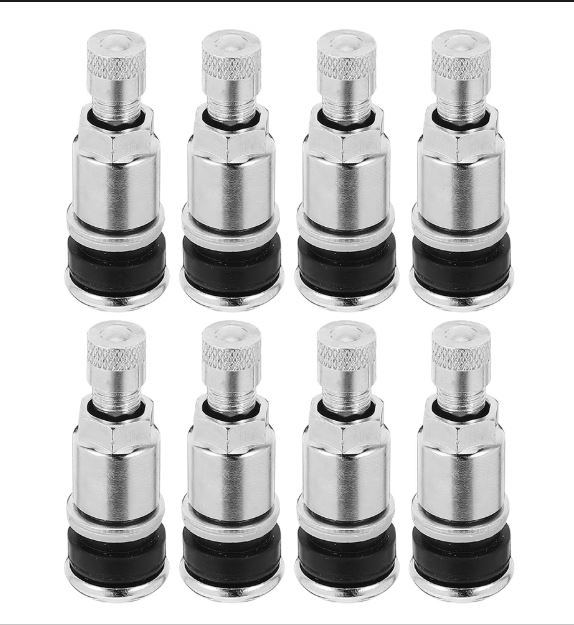
Several reasons can contribute to your tire losing air overnight. One of the most frequent culprits is punctures. Small objects like nails or glass shards can create tiny holes that allow air to escape gradually. Another common cause is valve stem damage. The valve stem is responsible for maintaining air pressure, and if it is cracked or damaged, it can lead to leaks.
Temperature fluctuations also play a significant role. Cold weather can cause the air inside the tire to contract, reducing tire pressure. Additionally, improper tire installation or bead seating issues can lead to air loss. If the tire isn’t mounted correctly, air can seep through gaps between the tire and the rim.
Lastly, aging tires can develop porous surfaces, leading to slow leaks over time. Regular inspections and maintenance can help identify these issues early, preventing sudden tire failures and ensuring a safer driving experience.
Practical Applications
Understanding why your tire loses air overnight is essential for maintaining vehicle safety and performance. This section outlines practical steps to diagnose and address the issue, helping you prevent further air loss and potential damage.
Begin by checking the tire pressure regularly using a reliable tire pressure gauge. This practice helps identify gradual air loss early. Next, inspect the tire for visible signs of damage, such as punctures, cuts, or sidewall bulges. If you find any, it may be necessary to repair or replace the tire.
Additionally, examine the valve stem, as leaks can occur here. Apply soapy water to the valve; if bubbles form, it indicates a leak. Tightening or replacing the valve stem may resolve the issue. Also, inspect the bead area where the tire meets the rim. Dirt or corrosion can prevent a proper seal, leading to air loss. Clean this area thoroughly and ensure a proper fit.
Lastly, consider environmental factors such as temperature changes, which can cause air to contract and result in lower tire pressure overnight. Regularly monitor tire health and pressure changes to maintain optimal performance and safety.
Expert Tips and Best Practices
Understanding the reasons behind tire air loss overnight is crucial for maintaining vehicle safety and performance. This section highlights practical strategies to diagnose and address the issue effectively.
First, regularly inspect your tires for visible damage such as cuts, punctures, or bulges. Even minor abrasions can lead to slow leaks. Next, ensure that valve stems are in good condition and properly sealed; replacing worn or damaged stems can prevent air loss. Additionally, check for bead leaks where the tire meets the rim, especially if you have recently installed new tires.
Consider using a tire pressure monitoring system (TPMS), which alerts you to significant drops in pressure. This can be particularly useful for catching air loss before it becomes critical. When inflating your tires, follow the manufacturer’s recommended pressure levels, typically found on a sticker inside the driver’s door or in the owner’s manual.
Lastly, have your tires balanced and aligned regularly to ensure even wear and prevent air loss caused by uneven surfaces. If air loss persists despite these measures, consult a professional for a thorough inspection and potential repairs.
Real-World Examples
Understanding the reasons behind a tire losing air overnight can be made clearer through practical examples. These scenarios illustrate common causes and help pinpoint issues you might encounter.
One common example involves a small puncture from a nail or sharp object. A driver parked in a gravel driveway discovered their tire was flat by morning. A thorough inspection revealed a tiny nail embedded in the tread, allowing air to escape slowly overnight.
Another scenario is temperature fluctuation. A vehicle parked outside during winter experienced significant air loss in the tires. Cold temperatures caused the air inside to contract, resulting in lower pressure. After adding air during a warmer day, the driver noticed the tire pressure stabilized.
Valve stem issues can also lead to air loss. A driver found their tire losing air consistently at night. Inspection revealed a cracked valve stem, causing a slow leak. Replacing the valve stem resolved the problem and restored tire pressure.
Lastly, improper bead seating during installation can cause air loss. A tire recently installed on a rim lost pressure overnight. After re-seating the tire bead correctly, the air loss stopped. Regular maintenance checks can help identify these issues early, preventing further problems.
Getting Started
Understanding the potential factors contributing to tire air loss is crucial for effective maintenance. This section outlines common causes that may not be immediately apparent, helping you diagnose the issue more accurately. Factors like temperature fluctuations, tire age, and even driving habits can play a significant role in air retention.
Temperature changes can affect tire pressure. As temperatures drop, the air inside the tire contracts, leading to lower pressure. Conversely, warmer temperatures can increase pressure, but if the tire is already low, it may still lose air overnight. Aging tires can develop small cracks that allow air to escape; this is especially common in tires over five years old. Additionally, improper storage or excessive curb impact can lead to damage that causes air leakage.
Regular monitoring of tire pressure and visual inspections can help identify these issues early. Using a tire pressure gauge can provide precise readings, ensuring that you stay ahead of potential problems. Keeping your tires well-maintained not only extends their lifespan but also enhances safety on the road.
Quick Summary
Understanding why your tire loses air overnight is crucial for maintaining vehicle safety and performance. Several factors contribute to this issue, and addressing them promptly can prevent more significant problems. This final section outlines the steps to take if you’ve exhausted all troubleshooting options and still face air loss.
If your tire continues to lose air despite checking for punctures, valve stem issues, and bead leaks, consider having it professionally inspected. A tire technician can conduct a thorough examination to identify less obvious problems, such as internal damage or faulty manufacturing. Additionally, if your tires are old or worn, replacing them might be the best option.
Regularly maintaining your tires, including checking pressure and tread depth, will help prevent air loss. Investing in quality tires and ensuring proper installation can also make a significant difference in performance and longevity. If you find consistent air loss across multiple tires, it may be worth evaluating your vehicle’s alignment and suspension, as these can impact tire wear and air retention.
Quick Summary
- Check for punctures or sharp objects embedded in the tire tread.
- Inspect the valve stem for leaks or damage that may cause air loss.
- Examine the tire bead area for improper sealing against the rim.
- Consider temperature fluctuations, which can cause air pressure changes.
- Look for signs of tire wear or age, which may lead to slow leaks.
- Ensure that the tire is properly inflated to the manufacturer’s recommended pressure.
- Consult a professional if the issue persists despite DIY checks.
Frequently Asked Questions
Why is my tire losing air overnight?
There are several reasons your tire may be losing air overnight, including punctures, valve stem leaks, or damage to the tire itself. It’s important to inspect your tire for visible signs of damage or wear.
How can I tell if my tire has a slow leak?
You can check for a slow leak by visually inspecting the tire for punctures or damage. Additionally, you can use soapy water; bubbles will form where air is escaping if there is a leak.
Is temperature change affecting my tire pressure?
Yes, temperature changes can significantly affect tire pressure. For every 10°F drop in temperature, tire pressure can decrease by about 1 PSI, which may lead to a noticeable loss of air overnight.
Can I fix a slow leak in my tire myself?
In some cases, you can fix a slow leak yourself with a tire repair kit, especially if it’s a small puncture. However, for safety and reliability, it’s best to have a professional assess and repair the tire.
When should I seek professional help for a leaking tire?
If you notice consistent air loss, or if the tire shows signs of significant damage, such as sidewall bulges or cuts, it’s best to seek professional help. A technician can accurately diagnose and repair the issue to ensure your safety on the road.

- Top 10 Best Helmet For Xpulse 210 Blue Colour 2026 - October 5, 2026
- Top 10 Best Helmet For Xtreme 125r 2026 - October 5, 2026
- Top 10 Best Helmet For Xpulse 200 2026 - October 5, 2026