Cost to Fix a Slow Tire Leak: Average Prices & Helpful Tips

A slow tire leak may seem like a minor inconvenience, but it can quickly become a safety concern if left untreated. Driving with an underinflated tire affects fuel efficiency, handling, and tire lifespan. Fortunately, most slow leaks can be repaired at a relatively low cost, depending on the cause and severity of the damage.
In this guide, you’ll learn how much it costs to fix a slow leak in a tire, the factors that influence repair prices, when replacement is necessary, and how to avoid expensive tire problems in the future.
What Is a Slow Leak in a Tire?
A slow tire leak occurs when air gradually escapes from a tire over time rather than all at once. Unlike a sudden flat tire, a slow leak may take days or even weeks to become noticeable. Drivers often discover the problem when they repeatedly need to add air to the same tire.
Slow leaks can develop in any type of tire and are commonly caused by punctures, damaged valve stems, bead leaks, or wheel corrosion. Identifying the source early can prevent more costly repairs later.
Common Causes of Slow Tire Leaks
Several issues can cause a tire to lose air slowly:
- Small punctures from nails, screws, or road debris
- Damaged or worn valve stems
- Corrosion around the wheel rim
- Improper tire installation
- Aging tires with cracked rubber
- Bead seal damage between the tire and wheel
Understanding the cause of the leak helps determine whether a simple repair or complete replacement is required.
Signs Your Tire Has a Slow Leak
Recognizing the warning signs can help you address the issue before it worsens.
Common symptoms include:
- Frequent loss of tire pressure
- Tire pressure warning light appearing regularly
- Uneven tire wear
- Reduced fuel economy
- Vehicle pulling to one side
- Visibly low tire pressure after a few days
If you notice any of these signs, it’s best to inspect the tire or have it checked by a professional.
Why Prompt Repair Is Important
Ignoring a slow leak can create several problems. Driving with low tire pressure increases rolling resistance, causing poor fuel efficiency and accelerated tire wear. More importantly, underinflated tires generate excess heat, increasing the risk of a blowout.
Addressing a slow leak early not only improves safety but also helps avoid costly tire replacement and suspension-related repairs.
Average Cost to Fix a Slow Leak in a Tire
Typical Tire Patch Repair Costs
The most common solution for a slow tire leak is a tire patch repair. For a standard puncture in the tread area, most repair shops charge between $10 and $30.
This affordable repair usually includes:
- Tire inspection
- Tire removal
- Internal patch installation
- Air pressure testing
- Tire reinstallation
Many national tire chains even offer free repairs if the tires were originally purchased from them.
Tire Plug vs. Patch Repair Pricing
Tire plugs and patches are the two most common repair methods.
A tire plug is inserted into the puncture from the outside and generally costs $10 to $20. It provides a quick solution for small punctures.
An internal patch requires removing the tire and applying a patch from inside the casing. This method typically costs $15 to $30 and is considered a more permanent repair.
Many professional shops now use a patch-plug combination for maximum durability and safety.
Labor Charges and Service Fees
Labor costs vary depending on the repair facility and geographic location. Some shops include labor in the repair price, while others charge separately.
Typical labor fees range from:
- Small local shops: $10–$20
- Tire retailers: $15–$30
- Dealership service centers: $20–$50
Additional charges may apply if balancing or wheel inspection is needed.
Factors That Affect Repair Costs
Several factors influence the final cost of fixing a slow tire leak:
- Tire size and type
- Location of the puncture
- Severity of damage
- Labor rates in your area
- Additional services required
- Tire age and condition
A simple tread puncture is usually inexpensive to repair, while more serious damage can significantly increase costs.
Types of Tire Leak Repairs and Their Costs
Puncture Repair Cost
Punctures caused by nails, screws, or sharp debris are among the most common tire problems. If the puncture is located in the tread area and meets repair guidelines, a patch or plug repair generally costs between $10 and $30.
This is usually the least expensive repair option and can restore the tire safely when performed correctly.
Valve Stem Replacement Cost
A damaged valve stem can allow air to escape slowly. Fortunately, replacing a valve stem is relatively inexpensive.
Most repair shops charge between $10 and $25 for a valve stem replacement, including labor. If the vehicle uses TPMS (Tire Pressure Monitoring System) sensors, replacement costs may be higher.
Bead Seal Repair Cost
The tire bead forms an airtight seal against the wheel rim. Corrosion, dirt, or damage in this area can create a slow leak.
Repairing a bead leak typically costs between $15 and $40, depending on the amount of cleaning and resealing required. In severe cases, wheel refinishing may be necessary.
Wheel Rim Leak Repair Cost
Bent or corroded wheels can cause persistent air leaks. Minor rim repairs generally cost between $50 and $150, while wheel replacement can cost significantly more.
The exact price depends on the wheel material, vehicle type, and extent of the damage.
When a Tire Repair Is Not Possible
Although many slow tire leaks can be repaired, there are situations where a repair is unsafe or not recommended. Tire technicians follow strict industry guidelines to determine whether a damaged tire can be fixed. Understanding these limitations can help you avoid wasting money on temporary repairs and ensure your safety on the road.
Sidewall Damage and Safety Concerns
The sidewall is one of the most vulnerable parts of a tire. Unlike the tread area, sidewalls flex constantly while driving, making repairs unreliable and potentially dangerous. If a slow leak originates from the sidewall, most tire professionals will recommend replacing the tire rather than attempting a repair.
Multiple Punctures in One Tire
A tire with several punctures may not be safe to repair, especially if the holes are close together. Multiple damaged areas weaken the tire’s structural integrity and increase the risk of failure. In many cases, replacement becomes the safest and most cost-effective solution.
Excessive Tire Wear Issues
Even if a slow leak can technically be repaired, a worn-out tire may not be worth fixing. Tires with low tread depth provide less traction and are more susceptible to damage. Investing in a new tire may offer better long-term value and improved safety.
Manufacturer Repair Limitations
Tire manufacturers and industry organizations have specific guidelines regarding repairable damage. Punctures larger than a certain size or those located outside the tread area often cannot be repaired safely. Following these recommendations helps ensure the tire performs as intended.
Tire Replacement Costs After a Slow Leak
Sometimes a slow leak reveals a larger issue that makes tire replacement necessary. While replacement costs are significantly higher than repair costs, a new tire provides maximum safety, reliability, and performance. Knowing what to expect can help you budget accordingly.
Average Cost of a New Tire
The price of a new tire varies based on vehicle type, tire size, and brand. Most passenger vehicle tires cost between $50 and $200 each. High-performance, SUV, and truck tires often cost considerably more.
Budget vs. Premium Tire Pricing
Budget tires are generally more affordable and suitable for everyday driving. Premium tires offer enhanced performance, longer tread life, and improved handling but come at a higher cost. Choosing the right tire depends on your driving habits and budget.
Installation and Balancing Costs
Purchasing a tire is only part of the total expense. Most tire shops charge additional fees for mounting, balancing, and disposal of the old tire. These services typically add $15 to $50 per tire to the final bill.
Additional Expenses to Consider
Other costs may arise when replacing a tire. Tire pressure monitoring system (TPMS) service, wheel alignment, and road hazard warranties can increase the overall expense. Factoring in these costs helps avoid unexpected surprises.
DIY Tire Leak Repair Costs
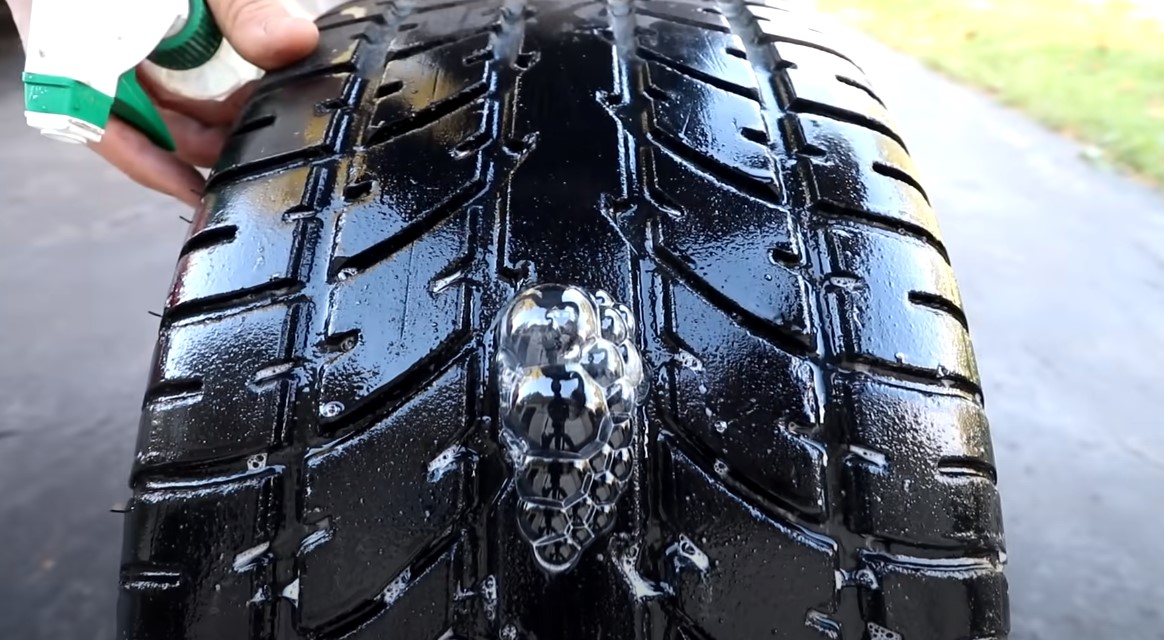
Some drivers choose to repair minor tire leaks themselves to save money. DIY repair kits are widely available and can provide a temporary or even long-term solution for certain punctures. However, understanding the benefits and limitations of self-repair is important before attempting it.
Tire Repair Kit Prices
Most tire repair kits cost between $10 and $25 and include plugs, insertion tools, and sealant materials. These kits are readily available at automotive stores and online retailers. They are generally designed for small tread-area punctures.
Benefits of Fixing a Leak Yourself
DIY repairs can save time and money, especially if a repair shop is not nearby. Many kits are easy to use and can restore tire pressure quickly. For minor punctures, a repair kit may provide a practical short-term solution.
Risks of DIY Tire Repairs
Improper tire repairs can create safety risks and lead to further damage. A poorly installed plug may fail unexpectedly, causing rapid air loss while driving. Additionally, some punctures require internal inspection that cannot be performed without removing the tire.
When to Seek Professional Help
Professional assistance is recommended whenever the source of the leak is unclear or the damage appears significant. Tire experts can inspect the tire thoroughly and ensure repairs meet safety standards. This extra level of confidence is often worth the additional cost.
Professional Tire Repair Services
Professional tire repair services provide reliable solutions for slow leaks and other tire-related issues. While prices may vary, trained technicians have the equipment and expertise needed to identify and repair leaks correctly. Comparing different service options can help you find the best value.
Tire Shop Repair Costs
Independent tire shops often offer the most affordable repair prices. Basic puncture repairs typically cost between $10 and $30, making them a popular choice for drivers seeking a quick and economical fix.
Dealership Repair Pricing
Dealership service departments generally charge higher labor rates than independent shops. However, they may offer specialized expertise for certain vehicle brands and tire systems. Costs can range from $20 to $50 or more for basic repairs.
Mobile Tire Repair Services
Mobile tire repair services bring professional assistance directly to your location. While convenient, these services often include travel fees that increase the total cost. Expect to pay between $30 and $100 depending on the service area and repair complexity.
Free Repair Programs and Warranties
Many tire retailers offer free flat repair services for customers who purchased tires through their stores. Road hazard warranties may also cover certain repair costs. Checking your warranty coverage before paying for repairs could save money.
Factors That Influence Tire Repair Costs
The cost of fixing a slow tire leak is not always the same for every vehicle. Several variables can affect the final repair bill, from the type of tire you own to the severity of the damage. Understanding these factors can help you estimate costs and avoid unexpected expenses.
Tire Size and Vehicle Type
Larger tires generally cost more to repair and replace than smaller passenger-car tires. Trucks, SUVs, and performance vehicles often use specialized tires that require additional labor and materials. As a result, repair costs may be slightly higher for these vehicles.
Location and Labor Rates
Labor rates vary significantly depending on where you live. Repair shops in large cities often charge more due to higher operating costs, while smaller towns may offer lower prices. Comparing multiple repair shops can help you find the best value.
Severity of the Leak
A simple nail puncture is usually inexpensive to repair. However, leaks caused by wheel damage, bead seal issues, or multiple punctures often require additional labor and materials. More complex repairs naturally result in higher costs.
Additional Maintenance Requirements
Sometimes a tire repair uncovers other maintenance needs. Tire balancing, wheel alignment, TPMS service, or wheel cleaning may be recommended during the repair process. These services can increase the total amount you pay.
Cost Comparison: Repair vs. Replace
When dealing with a slow tire leak, one of the most important decisions is whether to repair the tire or replace it entirely. The right choice depends on the tire’s condition, age, and the location of the damage. Comparing costs can help determine the most economical and safest option.
When Repairing Saves Money
For minor punctures in the tread area, repair is often the most affordable option. Spending $10 to $30 on a professional repair can extend the tire’s lifespan and delay the need for replacement. This makes repair a cost-effective solution for many drivers.
Situations That Require Replacement
Some types of damage cannot be repaired safely. Sidewall punctures, severe tread wear, and structural damage usually require a new tire. Although replacement costs more upfront, it ensures maximum safety and reliability.
Long-Term Cost Considerations
A cheap repair may not always be the best long-term investment. If a tire is nearing the end of its lifespan, replacing it may prevent additional repair expenses later. Evaluating the tire’s overall condition can help you make a smarter financial decision.
Safety and Value Assessment
Safety should always be the top priority when deciding between repair and replacement. A professionally repaired tire can be perfectly safe, but only if the damage meets repair guidelines. When in doubt, consult a qualified tire technician.
Tire Repair vs Tire Replacement Cost Table
| Service | Average Cost | Best For | Expected Lifespan |
|---|---|---|---|
| Tire Plug Repair | $10–$20 | Small tread punctures | Temporary to Medium-Term |
| Tire Patch Repair | $15–$30 | Repairable tread damage | Long-Term |
| Valve Stem Replacement | $10–$25 | Faulty valve stems | Several Years |
| Bead Seal Repair | $15–$40 | Rim-to-tire leaks | Long-Term |
| New Budget Tire | $50–$100 | Worn or damaged tires | 3–5 Years |
| New Premium Tire | $100–$300+ | Maximum performance and durability |
How to Prevent Slow Tire Leaks
Preventing a slow tire leak is often easier and less expensive than repairing one. Routine maintenance and regular inspections can help identify potential problems before they lead to air loss. Taking preventive measures also improves tire performance and lifespan.
Regular Tire Inspections
Inspect your tires at least once a month for signs of damage, embedded objects, or uneven wear. Catching problems early can prevent small issues from becoming costly repairs. Visual inspections only take a few minutes but can save significant money.
Maintaining Proper Tire Pressure
Keeping your tires properly inflated is one of the best ways to prevent leaks and premature wear. Check tire pressure regularly using a quality gauge and follow the manufacturer’s recommendations. Proper inflation also improves fuel efficiency.
Avoiding Road Hazards
Road debris, potholes, and sharp objects are common causes of tire punctures. Driving carefully and avoiding hazards whenever possible reduces the likelihood of developing a slow leak. Defensive driving habits can help protect both your tires and wheels.
Routine Tire Maintenance Tips
Regular tire rotations, wheel alignments, and balancing services help ensure even wear and optimal performance. Following a consistent maintenance schedule can extend tire life and reduce the risk of leaks and other tire-related issues.
Expert Tips for Reducing Tire Repair Expenses
Vehicle owners can take several practical steps to minimize tire repair costs over time. Preventive maintenance and informed purchasing decisions often result in substantial savings. These expert recommendations can help you keep tire-related expenses under control.
Check Tires Frequently
Routine inspections allow you to spot leaks, punctures, and wear patterns before they become major problems. Addressing issues early is usually less expensive than waiting for extensive damage to occur.
Take Advantage of Tire Warranties
Many tire manufacturers and retailers offer warranties that cover certain repairs or road hazard damage. Understanding your warranty benefits can save money when unexpected tire issues arise.
Compare Local Repair Shops
Repair costs can vary widely between service providers. Getting quotes from multiple shops helps ensure you receive quality service at a fair price. Reading customer reviews can also help identify reputable businesses.
Address Small Leaks Early
Ignoring a slow leak can lead to additional tire damage and higher repair costs. Prompt repairs are generally inexpensive and help prevent more serious safety concerns. Acting quickly often saves money in the long run.
Frequently Asked Questions About Tire Leak Repair Costs
Many drivers have questions about slow tire leaks, repair costs, and safety concerns. The answers below address some of the most common concerns and provide practical guidance for vehicle owners.
How Much Does It Cost to Patch a Tire?
Most tire shops charge between $10 and $30 to patch a tire, depending on the location of the puncture and local labor rates. Some retailers even offer free repairs for customers who purchased tires from them.
Can a Slow Tire Leak Be Fixed Permanently?
Yes. If the leak is caused by a repairable puncture in the tread area, a professional patch or patch-plug repair can provide a long-lasting solution. However, not all tire damage can be repaired safely.
Is It Safe to Drive With a Slow Leak?
Driving with a slow leak is not recommended for extended periods. Low tire pressure can reduce handling, increase tire wear, and raise the risk of a blowout. Repairs should be completed as soon as possible.
Does Insurance Cover Tire Repairs?
Standard auto insurance policies typically do not cover tire repairs caused by normal road hazards. However, road hazard protection plans, tire warranties, or specialized coverage may help pay for repairs or replacement.
Final Thoughts on Slow Tire Leak Repair Costs
A slow tire leak is usually an affordable problem to fix when addressed early. Most puncture repairs cost between $10 and $30, making professional repair a cost-effective option for many drivers. However, the total expense depends on factors such as tire condition, damage location, labor rates, and whether replacement becomes necessary.
Key Cost Takeaways
Minor punctures are often inexpensive to repair, while more severe damage may require tire replacement. Understanding the typical price range helps you budget for maintenance and avoid unnecessary expenses.
Repair vs. Replacement Summary
Repairing a tire is generally the best option when the damage is small and located in the tread area. Replacement becomes necessary when safety is compromised by sidewall damage, excessive wear, or structural issues.
Safety Considerations for Drivers
Maintaining proper tire pressure and repairing leaks promptly helps ensure safer driving conditions. Ignoring a slow leak can increase the risk of tire failure and costly repairs.
Best Practices for Tire Maintenance
Regular inspections, proper inflation, tire rotations, and timely repairs are the most effective ways to maximize tire lifespan. A proactive approach to tire care saves money and helps keep your vehicle operating safely year-round.

- 10 Best Jack For Ford Ranger Review (October 2026) - October 12, 2026
- 10 Best Jack For F350 Review (October 2026) - October 12, 2026
- 10 Best Jack For F250 Review (October 2026) - October 12, 2026