Do Adults Legally Need Helmets While Biking? Key Guidelines 2023

Many adults enjoy cycling for recreation or commuting, but the question of whether they should wear helmets often sparks debate. Understanding the legal requirements and safety considerations can help you make informed choices about your cycling habits.
Helmet laws vary by location, with some places requiring adults to wear them and others leaving it optional. Wearing a helmet significantly reduces the risk of head injury. Consider personal safety and local regulations when deciding.
Understanding the Basics
This section outlines the essential considerations regarding helmet use for adults riding bicycles. Understanding the legal and safety aspects of helmet regulations is fundamental for any cyclist. While many may perceive helmet-wearing as a personal choice, various factors, including state laws and safety statistics, dictate the necessity of helmets for adult cyclists.
The requirement for adults to wear helmets while cycling varies significantly by location. Some regions enforce strict laws mandating helmet use for all cyclists, while others only require it for minors. Additionally, even in areas without legal requirements, wearing a helmet is widely recommended due to its proven effectiveness in reducing head injuries during accidents. Statistics show that wearing a helmet can decrease the risk of severe head injuries by up to 70%.
Understanding these laws and recommendations is crucial for responsible cycling. Apart from the legal implications, knowing the safety benefits can encourage cyclists to wear helmets consistently, thus enhancing overall road safety for themselves and others.
Key Concepts and Fundamentals
Understanding the legal requirements concerning helmet use for adults while riding bicycles is crucial. Various factors influence whether wearing a helmet is mandatory, including local laws and regulations, safety recommendations, and individual circumstances. This section will clarify the obligations adults may face regarding helmet use in different jurisdictions.
Helmet laws vary significantly across regions. In some areas, adults are required by law to wear helmets while cycling, while in others, the law only mandates helmet use for minors. For instance, many U.S. states have implemented helmet laws targeting children, but adults often have the choice to wear a helmet or not. It is essential to check local statutes to determine specific requirements in your area.
Even where laws do not mandate helmet use for adults, safety organizations and health professionals recommend wearing helmets to reduce the risk of head injuries in the event of an accident. Statistics show that helmets can significantly decrease the severity of injuries sustained during bicycle accidents. Therefore, while not always legally required, wearing a helmet is a prudent safety measure for adults riding bicycles.
How It Works
This section examines the legal aspects and guidelines regarding helmet use for adults riding bicycles. Understanding the laws and regulations helps clarify whether adults are required to wear helmets while cycling, which can vary significantly depending on the jurisdiction.
In many regions, laws regarding helmet use differ for adults and minors. Some states or countries enforce mandatory helmet laws only for riders under a specific age, while others may have no helmet laws whatsoever. For instance, in some U.S. states, helmet use is required for cyclists under 18, but adults are not legally obligated to wear one.
It is essential to research local laws to determine the specific requirements in your area. Many municipalities have implemented helmet laws in certain contexts, such as bike-sharing programs or designated bike lanes. Additionally, local cycling organizations often provide resources about safe riding practices and legal obligations, which can be useful for understanding the implications of helmet usage.
Even in regions without mandatory laws, many health and safety advocates encourage adults to wear helmets as a precautionary measure. Understanding the legal framework surrounding helmet use can help cyclists make informed decisions about their safety while riding.
Benefits and Advantages
Understanding the implications of helmet use for adults while riding bicycles reveals several key benefits. These advantages extend beyond personal safety and encompass broader societal impacts, promoting responsible riding behavior and enhancing overall cycling experiences.
One significant benefit of wearing a helmet is the reduction of head injuries in the event of an accident. Studies show that wearing a helmet can decrease the risk of traumatic brain injuries by up to 70%. This protection not only supports individual health but also alleviates potential burdens on healthcare systems.
Additionally, helmet usage can foster a sense of responsibility among cyclists. When adults wear helmets, they set an example for younger riders, encouraging a culture of safety. This collective awareness can lead to increased advocacy for cycling infrastructure improvements, such as dedicated bike lanes and better traffic laws.
Moreover, many insurance companies offer discounts for cyclists who consistently wear helmets, reflecting a recognition of reduced risk. This financial benefit can serve as an incentive for more adults to adopt helmet use, contributing to safer riding environments.
Practical Applications
Understanding the requirements and recommendations for wearing helmets while riding a bicycle is crucial for adult cyclists. This section examines practical considerations, including legal obligations, safety benefits, and best practices for helmet use.
Many regions have specific laws regarding helmet use for adults. Research local regulations to determine if wearing a helmet is mandatory. Even in areas where laws do not require helmets, safety organizations often recommend wearing one to reduce the risk of head injuries. Health studies consistently show that helmets can significantly lower the likelihood of severe injuries in accidents.
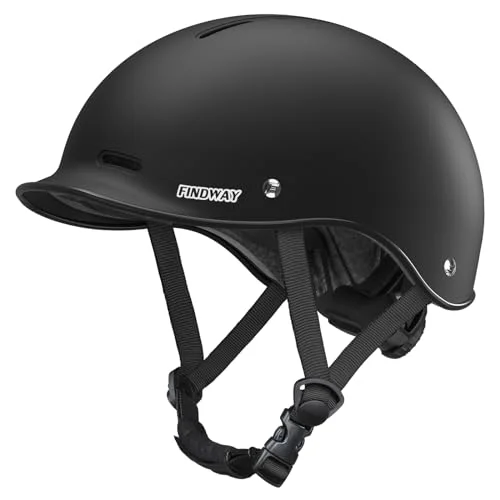
Choosing the right helmet is critical for effectiveness. Look for helmets that meet safety standards like CPSC (Consumer Product Safety Commission) in the U.S. or equivalent certifications in other countries. Ensure a proper fit, as an ill-fitting helmet can be ineffective in a crash. Regularly inspect the helmet for damage, as wear and tear can compromise its protective capabilities.
Consider additional protective gear, such as reflective clothing and lights, to enhance visibility during rides. Combining helmet use with other safety measures creates a more comprehensive approach to cycling safety. By following these practical steps, adult cyclists can make informed decisions that prioritize their well-being while riding.
Expert Tips and Best Practices
Understanding the regulations regarding helmet use for adult cyclists is crucial for safety and compliance. While some jurisdictions mandate helmet use, others do not. Here are key considerations to keep in mind.
Research local laws regarding helmet requirements. Some states or cities enforce strict regulations, while others recommend helmets without penalties for non-compliance. Stay informed about changes in legislation, as laws can evolve.
Evaluate the type of cycling you engage in. If you ride in high-traffic areas or at high speeds, wearing a helmet is advisable, even if not legally required. Consider your personal risk factors, such as previous injuries or health conditions.
Choose a helmet that meets safety standards. Look for certifications such as CPSC (Consumer Product Safety Commission) in the U.S. or CE (Conformité Européenne) in Europe. Ensure the helmet fits properly and is comfortable for long rides.
Educate others about the benefits of wearing helmets. Encourage friends and family to adopt safe cycling practices, creating a culture of safety within your community. Share resources and information on the importance of helmet use.
Real-World Examples
Understanding the helmet laws for adults can be clarified through real-world examples from various regions. These examples illustrate how laws vary and the implications for cyclists.
In the United States, states like California and New York require all riders, regardless of age, to wear helmets. This strict enforcement is aimed at reducing head injuries among cyclists. Conversely, states such as Florida only mandate helmet use for riders under 16, leaving adults to decide for themselves. This variation can create confusion for adults cycling across state lines.
Internationally, countries like Australia and New Zealand have implemented nationwide helmet laws for all cyclists. Studies in these regions show a significant decrease in head injuries among cyclists since the laws were put in place. However, some argue that mandatory helmet laws may discourage cycling altogether, impacting public health and activity levels.
Local municipalities may also have their regulations. For example, in some cities, helmet use is mandatory only in designated bike lanes or during organized rides. Understanding these local regulations is crucial for adult cyclists to avoid fines and ensure their safety while riding.
Getting Started
This section will address the implications of helmet use for adults riding bicycles, including legal requirements and safety considerations. Understanding the factors influencing helmet laws can help clarify the responsibilities of adult cyclists.
Many regions have specific laws governing helmet use for adults. In some areas, wearing a helmet while cycling is mandatory; in others, it is not required but strongly recommended. Checking local laws is crucial before riding. For example, states like California require helmets for all cyclists, while others may only mandate them for minors.
While legal obligations vary, the safety benefits of wearing a helmet are universally acknowledged. Helmets can significantly reduce the risk of head injuries in the event of an accident. Even for experienced cyclists, unexpected situations can arise, making helmets a practical choice regardless of the law.
Ultimately, the decision to wear a helmet should consider both legal requirements and personal safety. Choosing to wear a helmet can enhance confidence while riding and potentially save lives in case of an accident.
Quick Summary
This final section consolidates the essential points regarding helmet usage for adults riding bicycles. Understanding the legal requirements, health benefits, and safety implications can help in making an informed decision about helmet use. This summary will clarify the overall stance on whether adults are mandated to wear helmets while cycling.
Helmet laws vary significantly by region. Some states or countries require all cyclists to wear helmets, while others only mandate it for minors. In areas without helmet laws, adults are generally not legally obligated to wear helmets. However, many safety advocates recommend wearing one regardless of legal requirements due to the proven benefits in reducing head injuries during accidents.
Aside from legalities, wearing a helmet can provide peace of mind for cyclists. It can also encourage safer riding behaviors and promote a culture of safety among other riders. While adults may not face legal penalties for riding without a helmet, the personal responsibility for safety remains paramount. Choosing to wear a helmet can significantly reduce the risk of severe injuries and enhance overall cycling safety.
Quick Summary
- Helmet laws for adults vary by state and country.
- Wearing a helmet can significantly reduce the risk of head injuries.
- Some regions have mandatory helmet laws for all cyclists, regardless of age.
- Even without legal requirements, wearing a helmet is recommended for safety.
- Insurance companies may reduce payouts for injuries if a helmet was not worn.
- Helmets come in various types, designed for different cycling activities.
- Education on safe cycling practices often promotes helmet use among adults.
Frequently Asked Questions
Do adults have to wear helmets while riding a bicycle?
The requirement for adults to wear helmets while riding a bicycle varies by location. In many places, helmet use is not mandated by law for adults, although it is highly recommended for safety.
What are the benefits of wearing a helmet while cycling?
Wearing a helmet significantly reduces the risk of head injuries in the event of an accident. It provides protection against impacts and can be a crucial factor in preventing serious injuries.
Are there any places where adults are required to wear helmets?
Some states and cities have specific laws that require adults to wear helmets while cycling, especially in areas with higher traffic or for certain types of cycling events. It’s important to check local regulations to ensure compliance.
What type of helmet should I choose for cycling?
When selecting a helmet, look for one that fits properly, meets safety standards such as CPSC or EN1078, and is comfortable for long rides. Different styles are available depending on your cycling activity, so choose one that suits your needs.
What should I do if I don’t want to wear a helmet?
While it is your choice whether to wear a helmet, consider the risks associated with not wearing one. If you choose not to wear a helmet, ensure you take extra precautions, such as riding in safer areas and being aware of your surroundings.

- 10 Best Jack For F250 Review (October 2026) - October 12, 2026
- 10 Best Jack For F150 Review (October 2026) - October 12, 2026
- 10 Best Electric Hydraulic Jack For Car Review (October 2026) - October 12, 2026