Which Car Seat Is the Most Dangerous in an Accident?

As a concerned parent, understanding vehicle safety is crucial, especially when it comes to choosing the right seat for your loved ones. Recent stories about car accidents can leave anyone feeling uneasy about what truly protects us on the road.
Research shows that the back seat is typically safer than the front. However, the middle seat in the back is often considered the safest spot due to its distance from potential impacts in a collision.
Understanding the Basics
Understanding which seat in a car is considered the most dangerous, often referred to as the “death seat,” is crucial for ensuring the safety of yourself and your loved ones. This section will provide insights into the safety dynamics associated with different seating positions in a vehicle.
Research indicates that the front passenger seat poses a higher risk in certain types of collisions, particularly frontal impacts. This seat is directly in the line of impact and may not have as many protective features as the driver’s seat. Additionally, the rear center seat is often considered the safest position, as it is furthest from potential points of impact. However, it also lacks the advanced restraint systems available in the front seats.
Understanding these dynamics helps inform safer choices when arranging passengers in a vehicle, especially for families with children. Awareness of the risks associated with each seat can lead to better decisions that prioritize safety during travel.
Key Concepts and Fundamentals
Identifying which seat in a car poses the highest risk can significantly enhance the safety of passengers. Understanding the dynamics of a vehicle during a crash is crucial for making informed decisions about seating positions, particularly for families with children or multiple occupants.
Statistically, the back seat is considered safer overall, especially for adult passengers. However, the middle seat in the back provides the most protection due to its distance from side impacts and the presence of seat belts designed to distribute crash forces better. Conversely, the front passenger seat, often referred to as the “death seat,” poses significant risks, especially for smaller passengers. Airbags in the front seat can cause severe injury or fatality if deployed in an accident, particularly for children or individuals who are not properly restrained.
Understanding these risks allows you to make better decisions when choosing seating arrangements in your vehicle. For instance, placing younger children in the back seats and ensuring they are secured in appropriate car seats can drastically reduce the chance of injury. Awareness of these factors ensures that you prioritize safety and protect your loved ones effectively.
How It Works
Understanding which seat in a car poses the greatest risk during an accident is essential for making informed choices about vehicle safety. Various factors influence this, including the seat’s location and the protection features available. This section breaks down the critical elements that contribute to the designation of a “death seat.”
The rear middle seat is often considered the safest seat due to its distance from potential impact zones, such as the sides of the vehicle. However, it may lack essential features like headrests and proper seatbelt positioning, which can compromise safety. The front passenger seat, while equipped with advanced safety measures like airbags, is at a higher risk during frontal collisions due to its proximity to the dashboard and windshield.
Statistical data reveals that the driver’s seat generally sees fewer fatalities than the front passenger seat, yet both remain vulnerable in severe crashes. The back seats, especially the sides, can also result in serious injuries during side-impact collisions. Understanding these dynamics helps emphasize the importance of choosing the safest seating position, utilizing seat belts correctly, and considering additional safety features like child safety seats for younger passengers.
Benefits and Advantages
Understanding which seat poses the highest risk in a vehicle can significantly enhance safety for you and your loved ones. This knowledge empowers you to make informed choices about seating arrangements, ultimately reducing the likelihood of severe injuries in an accident.
Statistically, the front passenger seat is often considered the “death seat” due to its proximity to the impact zone during frontal collisions. In a crash, the front seat occupants are at a higher risk of injury from airbags deploying and the force of the collision itself. Additionally, the rear middle seat, while generally safer due to its distance from the doors, can also pose risks if there are no headrests or if the seatbelt is not properly used.
Children are particularly vulnerable. It’s crucial to ensure they are seated in appropriate child safety seats in the rear, as this significantly reduces their risk of injury. Understanding these dynamics helps you take proactive measures to protect your family while driving.
Practical Applications
Understanding which seat poses the highest risk in a car can significantly enhance safety for you and your loved ones. Statistical data reveals that the front passenger seat often carries more danger in the event of a collision, particularly due to its proximity to the impact point. This section will clarify why certain seating positions are riskier than others.
The rear middle seat is statistically the safest position in a vehicle, as it is furthest from potential points of impact and typically equipped with a three-point seatbelt. Conversely, the front passenger seat is often referred to as the “death seat” because it is directly exposed to front-end collisions, which account for a large percentage of serious accidents. Additionally, deploying airbags can pose risks, especially for smaller passengers, making this seat less safe.
Children, especially those in booster seats, are safest in the back of the car. If a child must sit in the front, ensure they are at least 13 years old and that the seat is pushed back as far as possible from the dashboard. Prioritizing seating arrangements can significantly reduce the risk of injury during a crash.
Expert Tips and Best Practices
Identifying the safest seat in a vehicle is crucial for protecting yourself and your loved ones. Understanding seating positions can help mitigate risks and enhance safety during travel. Here’s a closer look at the implications of different seating choices.
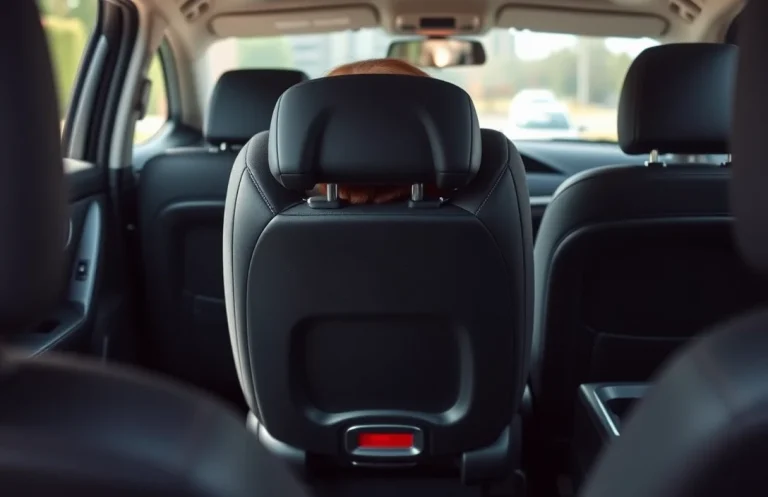
Statistically, the rear middle seat is often considered the safest position in a car. This seat benefits from being furthest from the impact zones during a collision. However, it may lack dedicated seat belts or headrests in some vehicles, which can compromise safety. The second safest position is the rear window seat, which offers better protection from side impacts.
The front passenger seat, while providing ease of access, poses greater risks. Airbags can cause injury during deployment, especially for smaller individuals, including children. Therefore, it is advised that children under 13 should always ride in the back seat, preferably in a properly installed child safety seat.
Before choosing a seating arrangement, ensure that all occupants are buckled up and that child safety seats are correctly secured. Regularly check that seat belts are functional and in good condition, as they are your first line of defense in an accident.
Real-World Examples
Understanding which seat may pose the highest risk during an accident is crucial for ensuring safety in your vehicle. Real-world examples can shed light on the dangers associated with different seating positions, especially in the context of collision statistics.
Research shows that the rear middle seat is generally considered the safest spot in a vehicle, as it is furthest from all potential points of impact. However, this seat may not be as comfortable or accessible for passengers, especially for younger children in car seats. The front passenger seat, while often equipped with advanced safety features, can be riskier in front-end collisions, particularly for smaller passengers due to airbag deployment.
Statistical analysis indicates that the driver’s seat can also be a “death seat” in certain scenarios. In single-vehicle accidents, drivers are at higher risk of fatality, particularly if they are not wearing seat belts or if the vehicle rolls over. It’s essential to consider these factors when choosing where to sit, as well as to ensure that all passengers are buckled up regardless of seating position.
Getting Started
Understanding which seat is the most dangerous in a car is crucial for your family’s safety. Research indicates that the back seat, particularly the center position, is generally the safest for passengers. However, there are exceptions based on specific circumstances, such as the type of crash and vehicle design.
The front passenger seat is often considered riskier due to its proximity to the dashboard and windshield, which can lead to severe injuries in a collision. Additionally, the location of airbags can pose a risk to smaller occupants, like children, if they are not properly restrained. It’s vital to ensure that child safety seats are correctly installed and that children under 13 ride in the back seat whenever possible.
Ultimately, the safest seat can vary based on the vehicle and the type of accident. Always prioritize the use of seat belts and appropriate child restraints. Understanding these factors can significantly enhance the protection of your loved ones while on the road. Make informed choices that prioritize safety for every trip.
Quick Summary
- The term “death seat” typically refers to the front passenger seat in a car.
- Statistically, passengers in the front seat are at higher risk during accidents compared to those in the back.
- Factors contributing to the danger include proximity to the dashboard and windshield during collisions.
- Safety features such as airbags may not always mitigate risks effectively for front-seat passengers.
- Rear seats generally provide a safer environment due to increased distance from impact points.
- Seatbelt usage is crucial for reducing fatalities regardless of seat position.
- Understanding the risks associated with different seating positions can promote safer driving habits.
Frequently Asked Questions
What is the “death seat” in a car?
The term “death seat” commonly refers to the rear middle seat, which is often considered the least safe position in a vehicle. This is due to the lack of dedicated seat belts and the proximity to the vehicle’s sides in the event of a collision.
Is the front passenger seat safer than the back seats?
Generally, the front passenger seat is considered safer than the rear middle seat, as it typically has advanced safety features like airbags and better structural support. However, the front seat can also pose risks, especially for children, due to airbag deployment.
How can I ensure my child is safe in the car?
To ensure your child’s safety, always use an age-appropriate car seat or booster seat and place them in the back seat until they reach the recommended height and weight limits. Additionally, make sure the car seat is properly installed and secured according to manufacturer guidelines.
Are there specific safety ratings for car seats?
Yes, car seats are rated based on their safety performance in crash tests. Organizations like the Insurance Institute for Highway Safety (IIHS) and the National Highway Traffic Safety Administration (NHTSA) provide ratings and recommendations to help parents choose the safest options for their children.
What should I do if I have concerns about my car’s safety features?
If you have concerns about your car’s safety features, consult your vehicle’s owner’s manual for detailed information or contact the manufacturer directly. Additionally, consider scheduling a safety inspection with a trusted mechanic to ensure all safety systems are functioning properly.

- 10 Best Jack For Ford Raptor Review (October 2026) - October 12, 2026
- 10 Best Jack For Ford Ranger Review (October 2026) - October 12, 2026
- 10 Best Jack For F350 Review (October 2026) - October 12, 2026