How to Drive a Manual Car for Beginners in 10 Steps (2026 Guide)

A manual car, also called a stick shift, is a vehicle where the driver manually changes gears using a clutch pedal and a gear shifter. Unlike automatic cars, manual transmissions require more driver involvement, especially during starting, stopping, and changing speeds.
Even in 2026, learning how to drive a manual car is still useful. Manual vehicles are common in many countries outside the U.S., especially in Europe, Asia, and parts of South America. They are often cheaper to buy, easier to maintain, and give drivers better control over the car. Knowing how to drive manual also prepares you for emergency situations where you may need to drive someone else’s car.
For beginners, manual driving may seem intimidating at first, but with proper understanding and practice, it becomes a valuable and lifelong skill.
Manual vs Automatic Transmission: Key Differences
Before learning the steps, it’s important to understand how manual and automatic cars differ.
In an automatic car, the vehicle changes gears on its own. The driver only controls the accelerator and brake. In a manual car, the driver decides when to change gears by pressing the clutch and moving the gear shifter.
Manual cars usually have:
- Three pedals instead of two
- A clutch pedal that controls power transfer
- A gear shifter used actively while driving
Automatic cars are easier for beginners, but manual cars offer better control, improved fuel efficiency in some cases, and a stronger understanding of how vehicles work.
Understanding the Pedals and Gear Shifter
Before starting the car, you must know the basic controls.
The Three Pedals
A manual car has three pedals, from left to right:
- Clutch pedal – disconnects the engine from the wheels
- Brake pedal – slows or stops the car
- Accelerator (gas pedal) – increases speed
You use your left foot only for the clutch and your right foot for the brake and accelerator.
The Gear Shifter
The gear shifter allows you to select gears such as first, second, third, and reverse. Most manual cars use a 5-speed or 6-speed pattern, clearly marked on the gear knob.
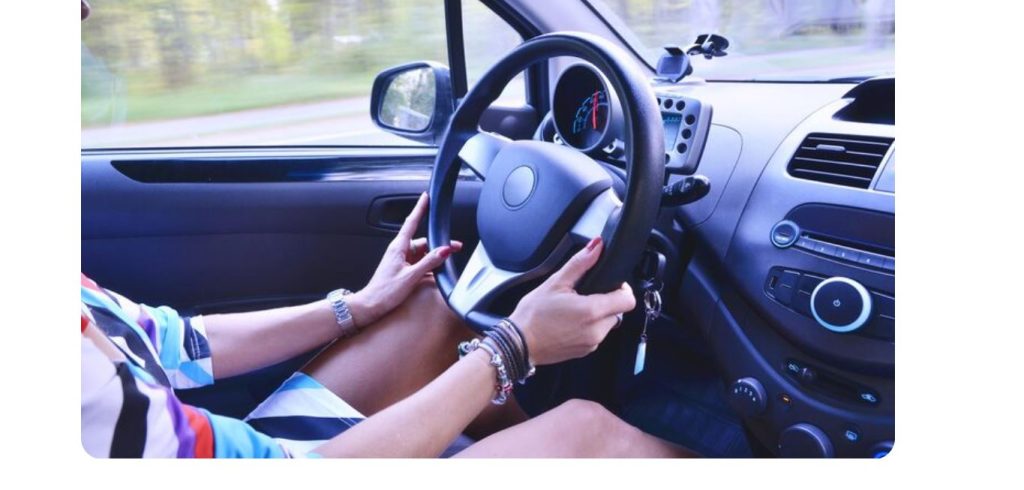
When the gear shifter is in the middle and moves freely side to side, the car is in neutral.
Step 1: Adjust Your Seat, Mirrors, and Prepare
Before starting the engine, proper positioning is essential.
Adjust your seat so:
- You can press the clutch fully to the floor
- Your knees are slightly bent
- You can reach the gear shifter comfortably
Adjust mirrors for full visibility. Sit upright and relaxed, not tense. This position allows better clutch control and quicker reactions.
Make sure:
- The parking brake is engaged
- The gear shifter is in neutral
- Your right foot is on the brake
Preparation reduces mistakes and increases confidence.
Step 2: Start the Manual Car Correctly
Starting a manual car is different from starting an automatic.
Follow these steps:
- Press the clutch pedal fully with your left foot
- Ensure the gear shifter is in neutral
- Turn the key or press the start button
- Keep the clutch pressed until the engine starts
Once the engine is running, keep the clutch pressed and check that the car is stable. Starting with the clutch pressed prevents sudden movement or stalling.
Step 3: Learn the Clutch Bite Point
The bite point is the moment when the clutch begins to engage and the car starts to move.
To find it:
- Keep the car in first gear
- Slowly release the clutch without pressing the gas
- Notice when the engine sound changes and the car slightly moves
This point is critical. Mastering the bite point helps prevent stalling and jerky starts. Every car has a slightly different bite point, so practice is important.
Step 4: Move the Car in First Gear
Now you are ready to move.
Steps to follow:
- Press the clutch fully
- Shift into first gear
- Slowly release the clutch to the bite point
- Gently press the accelerator
- Fully release the clutch once the car moves
Do not rush this step. Smooth clutch release and gentle gas input are the keys to success. First gear is only for low speeds, usually up to 10–15 mph.
Step 5: Shift to Higher Gears Smoothly
As speed increases, you need to change gears.
To upshift:
- Release the accelerator
- Press the clutch fully
- Move the gear shifter to the next gear
- Release the clutch slowly
- Press the accelerator again
Listen to the engine. If it sounds loud or strained, it’s time to shift. Most cars shift smoothly around 2,000–3,000 RPM.
Smooth gear changes improve comfort, reduce wear, and build confidence.
Step 6: Drive at Steady Speeds and Maintain Control
Once you can start moving and shift into higher gears, the next skill is maintaining a steady speed while keeping full control of the vehicle.
After shifting into second or third gear, focus on keeping your speed consistent. Use gentle pressure on the accelerator and avoid sudden movements. Your engine sound should be smooth and steady—not loud or struggling.
If the engine begins to vibrate or feels weak, you may be in the wrong gear. Learning to match your speed with the correct gear helps improve fuel efficiency and creates a smoother driving experience. This step builds confidence and prepares you for real traffic conditions.
Step 7: Downshift Safely When Slowing Down
Downshifting is an important skill that allows you to slow the car smoothly while maintaining control and engine stability.
When reducing speed, such as approaching a turn or slowing in traffic, you may need to shift to a lower gear. Start by easing off the accelerator, then press the clutch and move the gear shifter down one gear. Slowly release the clutch while gently pressing the accelerator to match engine speed.
Proper downshifting prevents sudden jerks and keeps the car balanced. Beginners should practice downshifting at lower speeds until they feel comfortable with engine response.
Step 8: Stop the Car Safely Without Stalling
Stopping a manual car smoothly requires coordination between the brake and clutch pedals.
To stop the car, gently press the brake with your right foot. As the speed drops and the engine RPM falls, press the clutch fully to prevent stalling. Continue braking until the car comes to a complete stop.
Once stopped, shift the gear lever into neutral and apply the parking brake if needed. Releasing the clutch only after selecting neutral helps prevent accidental movement.
Step 9: Park a Manual Car Correctly
Parking a manual car correctly is essential because manual vehicles do not have a “Park” gear like automatics.
After stopping, shift the car into first gear if facing uphill or reverse gear if facing downhill. Apply the parking brake firmly. This combination prevents the car from rolling.
On flat surfaces, using the parking brake and selecting a gear provides added safety. Never rely on neutral alone when parking a manual car.
Step 10: Practice on Hills and Build Real-World Confidence
Driving on hills is often the most challenging part for beginners, but it becomes manageable with the right technique.
When starting on a hill, use the parking brake to prevent rolling backward. Press the clutch, shift into first gear, and slowly release the clutch to the bite point while gently pressing the accelerator. Once the car begins to move forward, release the parking brake.
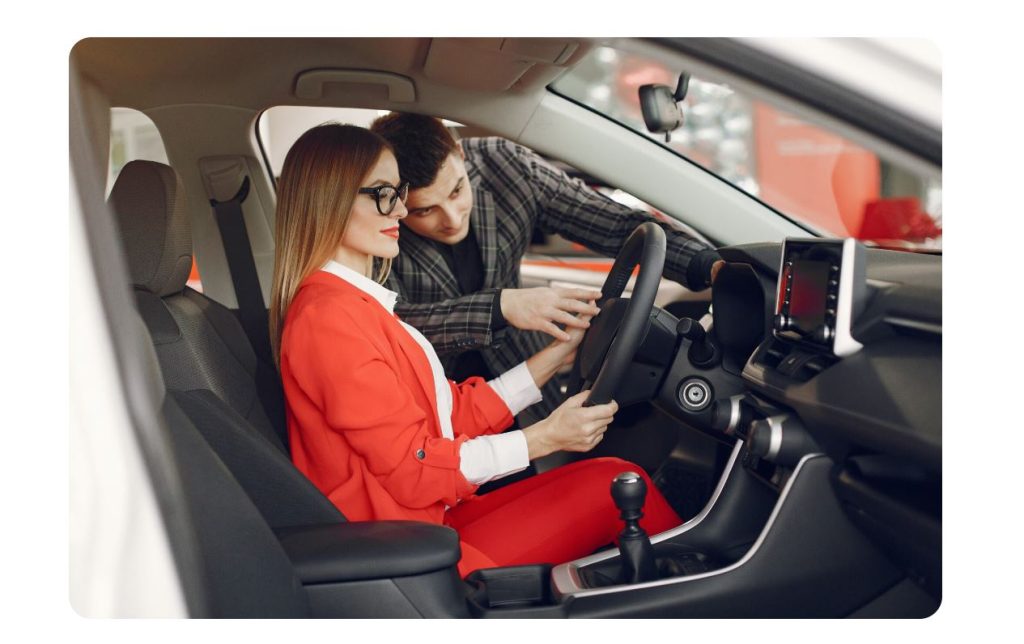
Regular practice in quiet areas helps improve coordination and confidence. Over time, hill starts become as natural as driving on flat roads.
Frequently Asked Questions (FAQs)
1. Is it hard to learn how to drive a manual car?
Learning a manual car may feel difficult at first, especially with clutch control, but it becomes much easier with practice. Most beginners gain confidence after a few practice sessions in a safe, quiet area.
2. Why does a manual car stall?
A manual car stalls when the clutch is released too quickly or when there is not enough engine power. This usually happens in first gear. Stalling is normal for beginners and improves with better clutch control.
3. How long does it take to learn manual driving?
Most beginners can learn the basics within a few days of practice. Full confidence usually develops after one to two weeks of regular driving.
4. When should I change gears in a manual car?
You should change gears when the engine starts to sound loud or strained. For most cars, upshifting around 2,000 to 3,000 RPM provides smooth performance.
5. Can I skip gears while driving a manual car?
Yes, experienced drivers sometimes skip gears, such as shifting from second to fourth. However, beginners should shift one gear at a time to avoid engine strain and maintain control.
6. Do manual cars save more fuel than automatic cars?
In some cases, manual cars can be more fuel-efficient because drivers control gear changes. However, modern automatic cars have become very efficient as well.
7. Is it bad to hold the clutch halfway?
Yes, holding the clutch halfway for long periods causes unnecessary wear. The clutch should only be partially engaged briefly when starting or changing gears.
8. How do I stop a manual car without stalling?
Press the brake first and then press the clutch fully as the car slows down. This prevents the engine from stalling while bringing the vehicle to a smooth stop.
9. What gear should a manual car be in when parked?
When parked, a manual car should be in first gear or reverse, along with the parking brake applied. This helps prevent the car from rolling.
10. Are manual cars still relevant in 2026?
Yes, manual cars are still relevant, especially for driving enthusiasts, international travel, and used car markets. Learning manual driving also improves overall driving skills.
Final Thoughts
Learning to drive a manual car takes patience, practice, and consistency. By mastering these ten steps, beginners can confidently handle most driving situations. Manual driving not only builds skill but also creates a deeper connection between the driver and the vehicle.

- 10 Best Electric Hydraulic Jack For Car Review (October 2026) - October 12, 2026
- 10 Best Electric Jack For Car Review (October 2026) - October 12, 2026
- 10 Best Jack For Electric Vehicle Review (October 2026) - October 12, 2026