How to Increase Motorcycle Top Speed: Expert Guide for Riders

Every motorcyclist dreams of that extra burst of speed whether it’s for overtaking on the highway, hitting the track, or simply feeling the thrill of a fast ride. While motorcycles are built for performance, most riders don’t realize that small adjustments in tuning, aerodynamics, and riding technique can significantly improve top speed.
Increasing your motorcycle’s top speed isn’t just about raw power; it’s about optimizing the engine, reducing drag, and ensuring your bike runs efficiently. In this guide, we’ll break down proven strategies, practical upgrades, and essential maintenance tips to help you unlock your bike’s full speed potential safely.
What Limits Your Motorcycle’s Top Speed
Engine Power and Performance
- Role of horsepower and torque in top speed: The engine is the heart of your motorcycle. Horsepower determines the maximum energy your bike can output over time, while torque gives you the pulling force to accelerate. High horsepower allows the bike to push through air resistance at higher speeds, whereas torque is critical for initial acceleration.
- How engine tuning affects maximum velocity: Tweaking the engine’s fuel-air mixture, timing, and other parameters can either enhance or reduce top speed. A well-tuned engine maximizes power output and efficiency, allowing the motorcycle to reach higher velocities safely.
Aerodynamics and Wind Resistance
- How drag slows you down at high speeds: As speed increases, air resistance grows exponentially. Even small improvements in aerodynamics can reduce drag, letting your bike achieve higher top speeds without needing more engine power.
- Importance of riding position and body posture: The way a rider positions themselves impacts airflow. Tucking in behind the windscreen, keeping elbows close, and minimizing frontal exposure reduces drag significantly.
Gear Ratios and Transmission
- How final drive and gear ratios influence speed: The sizes of your sprockets and transmission ratios determine how engine power translates into wheel speed. A ratio optimized for acceleration may limit top speed, while a ratio geared for high speed can reduce acceleration.
- Finding the right balance between acceleration and top-end speed: Riders often need to decide if they prefer faster acceleration or a higher maximum speed, as one usually comes at the cost of the other.
Weight and Load
- Effect of bike and rider weight on top speed: Heavier motorcycles and riders require more power to reach the same speeds as lighter setups. Excess weight slows acceleration and reduces top speed.
- Minimizing unnecessary accessories for speed gains: Removing bulky luggage, heavy parts, or even unnecessary cosmetic accessories can improve speed by reducing overall mass and drag.
Engine and Performance Upgrades
High-Performance Air Filters
- How improved airflow increases engine efficiency: High-flow air filters allow the engine to breathe better, improving combustion and power output. More air means more fuel can burn efficiently, generating more speed.
- Recommended aftermarket options: Brands like K&N or BMC offer performance filters that are reusable and increase airflow without sacrificing filtration.
Exhaust System Upgrades
- Benefits of free-flow exhaust for top-end power: Upgrading to a performance exhaust reduces backpressure, allowing exhaust gases to exit more freely. This improves horsepower and top-end speed.
- Considerations for noise and legal compliance: High-performance exhausts can be louder and may not meet local noise regulations, so check laws before installing.
ECU Tuning and Fuel Mapping
- How modern ECU tuning can optimize engine output: Reprogramming the Engine Control Unit (ECU) adjusts fuel injection, ignition timing, and other parameters for maximum power and efficiency.
- Risks of aggressive tuning without proper setup: Overly aggressive tuning can overheat the engine, reduce reliability, or cause mechanical damage. Proper tuning should always consider safety margins.
Spark Plugs and Ignition System
- Role of high-performance ignition components: Upgrading spark plugs and ignition coils ensures stronger, more consistent combustion.
- Maintaining consistent combustion for better speed: Reliable ignition translates to smoother power delivery and helps sustain high speeds without engine hesitation.
Optimize Aerodynamics and Riding Position
Reduce Wind Resistance
- Tuck your body and streamline your position: Minimize frontal exposure to air by crouching and keeping elbows and knees tight to your body.
- Avoid bulky clothing or loose gear: Loose jackets, backpacks, or flapping apparel create drag. Wearing streamlined gear can reduce resistance.
Aerodynamic Accessories
- Fairings, windscreens, and aerodynamic upgrades: Small modifications like larger fairings or custom windscreens smooth airflow around the bike, reducing drag.
- How minor tweaks reduce drag and increase top speed: Even slight adjustments, such as lowering handlebars or repositioning mirrors, can have measurable effects at high velocity.
Rider Technique at High Speeds
- Smooth throttle control: Abrupt throttle changes increase air turbulence and reduce efficiency.
- Line selection for reduced drag and optimal momentum: Choosing the correct lane and angle of lean allows the bike to cut through air more cleanly, maintaining speed longer.
Drivetrain and Gear Optimization
Adjusting Final Drive Ratios
- How sprocket sizes affect acceleration vs top speed: Smaller rear sprockets or larger front sprockets generally increase top speed but reduce acceleration, while the opposite improves quickness but lowers max velocity.
- Selecting ratios for desired performance: Choose ratios based on whether you prioritize rapid starts or higher cruising speeds. Track riders often favor top-end speed adjustments.
Chain Maintenance
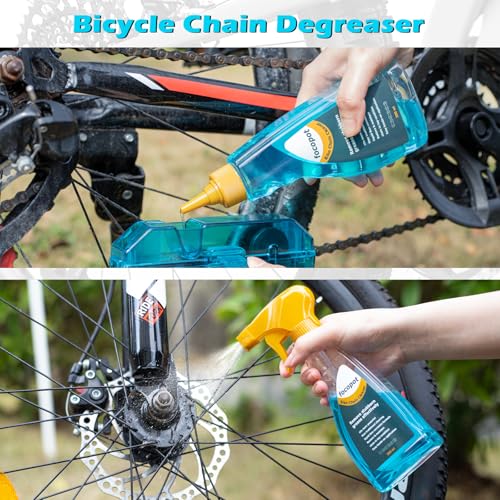
- Reducing friction for more efficient power transfer: A clean, well-lubricated chain ensures maximum energy from the engine reaches the rear wheel.
- Lubrication and tension tips for high-speed performance: Proper tension prevents power loss or chain slippage, while high-quality lubricant reduces friction and wear.
Transmission and Clutch Efficiency
- Ensuring smooth gear shifts: A responsive gearbox allows the rider to maintain momentum without dropping power during shifts.
- Avoiding slippage or power loss under high loads: Regular clutch adjustment and maintenance prevent slippage, ensuring all engine output contributes to acceleration and top speed.
Conclusion
Increasing your motorcycle’s top speed is a combination of performance upgrades, aerodynamic optimization, precise gearing, and proper maintenance. Small, strategic improvements can yield noticeable gains, making your ride faster, smoother, and more thrilling while still keeping safety a top priority.
With the right approach, your motorcycle can reach its peak potential without compromising reliability or control.

- 10 Best Jack For F350 Review (October 2026) - October 12, 2026
- 10 Best Jack For F250 Review (October 2026) - October 12, 2026
- 10 Best Jack For F150 Review (October 2026) - October 12, 2026