How to Increase Mountain Bike Speed for Beginners: Easy Tips and Tricks

Mountain biking is exciting, but for beginners, maintaining speed on trails can feel challenging. Many new riders struggle with momentum, pedaling efficiency, and bike handling, which can make rides slower and more tiring.
The good news is that increasing your mountain bike speed doesn’t require expensive upgrades or advanced skills. With the right approach covering technique, bike setup, and basic maintenance beginners can ride faster, smoother, and with more confidence.
This guide breaks down easy-to-follow strategies for beginners to improve speed safely while enjoying every trail ride.
Mastering the Trail: A Beginner’s Guide to Mountain Bike Speed
Speed on a mountain bike is often misunderstood as a simple matter of pedaling harder. In reality, being fast is a symphony of physical conditioning, mechanical efficiency, and smart decision-making. Whether you are looking to keep up with your local riding group or simply want to feel more capable on the dirt, understanding the variables that influence your pace is the first step. By focusing on how your body interacts with the bike and how the bike interacts with the terrain, you can unlock significant gains without needing a professional athlete’s lungs.
What Affects Your Speed
Rider Fitness and Pedaling
Your body is the engine of the bicycle. Building leg strength allows you to tackle steep inclines and explosive sprints, while endurance ensures you don’t “bonk” halfway through a session. Beyond raw power, the efficiency of your movement is paramount. By maintaining a smooth and steady pedaling rhythm, you minimize wasted energy and keep your heart rate stable, allowing you to sustain higher speeds for longer durations.
Bike Weight and Components
Physics plays a major role in how quickly you can get up to speed. Heavier bikes require more energy to overcome inertia, which makes acceleration feel sluggish, especially on technical climbs. While you don’t need the lightest carbon fiber frame to be fast, focusing on essential upgrades that matter most for speed—such as rotating mass in the wheels—can provide a noticeable boost in how responsive the bike feels.
Tire Choice and Pressure
The point where your bike meets the dirt is perhaps the most critical factor in rolling resistance. A knobby, aggressive tread provides grip but creates friction on hard surfaces, while the air pressure inside the tire dictates how much the rubber deforms over bumps. Finding the right balance in PSI ensures that your tires absorb trail chatter rather than bouncing off it, which keeps your forward momentum intact.
Basic Riding Techniques to Increase Speed
Maintain Momentum
In mountain biking, momentum is your best friend. Every time you squeeze the brakes unnecessarily, you throw away the energy you spent reaching that speed. By learning to trust your tires and planning smooth lines through the trail, you can carry your pace through obstacles rather than stopping and starting, which is much less exhausting than constant sprinting.
Efficient Pedaling
Many beginners make the mistake of only “mashing” the pedals on the downstroke. To maximize speed, you should aim to pedal in circles, applying power through the entire rotation. Coupled with the correct use of gears to maintain a consistent cadence, this technique ensures that your power delivery is fluid and your muscles don’t fatigue prematurely from grinding in a gear that is too heavy.
Cornering Skills
Turns are where most riders lose their hard-earned speed. The secret to fast cornering is to manage your speed early by braking before the turn, not during it. Once you enter the curve, leaning the bike while keeping your body balanced allows the side knobs of your tires to bite into the dirt, letting you exit the corner with more velocity than you entered with.
Bike Setup Tips for Beginners
Adjust Tire Pressure
Tire pressure is a free “upgrade” that can transform your ride. If you are riding hard, rocky trails, a slightly higher pressure prevents rim damage, whereas soft dirt trails benefit from lower pressure to increase the contact patch for better grip. Checking your PSI regularly with a digital gauge ensures that your speed remains consistent from one ride to the next.
Saddle and Handlebar Position
Your “cockpit” setup dictates how effectively you can put power into the pedals. A saddle that is too low prevents full leg extension, while handlebars that are poorly angled can cause back pain. Establishing proper posture for better power transfer not only makes you faster but also reduces fatigue, allowing you to stay out on the trails for longer rides without discomfort.
Keep the Drivetrain Clean
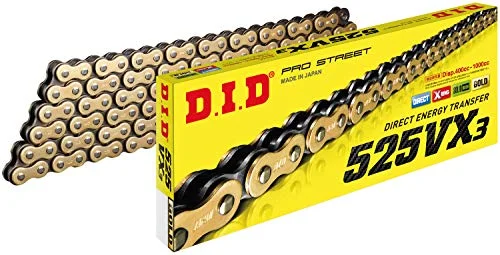
A dirty bike is a slow bike. Grit and grime act like sandpaper on your chain and gears, creating friction that saps your pedaling power. Taking the time to lubricate your chain and keep your gears clean ensures smooth shifting, which is vital for maintaining your rhythm when the trail gradient changes unexpectedly.
Easy Upgrades for More Speed
Tires and Wheels
If you are looking to spend money to go faster, start with the wheels. Lightweight wheels improve acceleration because there is less mass to spin up. Pairing them with semi-slick tires for smoother trails can dramatically reduce rolling resistance, making the bike feel like it wants to surge forward with every pedal stroke.
Pedals and Foot Position
The connection between you and the bike is fundamental. Many riders find that clip-in pedals offer more efficient power transfer because they allow you to pull up on the pedals as well as push down. If you prefer flat pedals, ensuring correct foot placement with dedicated mountain bike shoes will provide a more stable platform for stronger, more confident pedaling.
Suspension Settings
Suspension that is poorly set up will either feel like a pogo stick or a wet sponge. Learning a basic sag adjustment ensures the bike stays composed over bumps, maintaining a smoother ride. Additionally, utilizing lockout features for climbs or flat trails prevents the suspension from absorbing your pedaling energy, directing all that force into forward motion.
Beginner Mistakes That Slow You Down
Over-Braking
Fear often leads beginners to “drag” their brakes throughout a descent. This habit kills momentum and makes the bike harder to handle over rough terrain. Learning when and how to brake efficiently using short, firm bursts rather than constant pressure—allows the bike’s suspension to work properly and keeps your speed in the “sweet spot” for technical sections.
Wrong Gear Use
Being in the wrong gear is an easy way to burn out. Using a gear that is too high forces you to strain your muscles, while a gear that is too low causes you to spin your legs fruitlessly. Shifting proactively before you hit a hill or a technical feature allows for a smoother transition and prevents the mechanical crunching that happens when shifting under heavy load.
Poor Trail Line Choice
The fastest path is rarely a straight line through the biggest rocks. Choosing rough or inefficient paths forces your bike to work harder to overcome obstacles. By looking ahead and selecting smoother lines, you can avoid momentum-sapping holes and roots, allowing you to glide over the terrain with much less effort.
Practice and Consistency Tips
While gear and setup provide a solid foundation, the most significant gains in speed come from intentional time in the saddle. Developing “trail flow” is a skill that must be sharpened through repetition and mindful effort. By moving away from aimless riding and toward structured practice, you can transform your technical abilities and cardiovascular capacity, turning high speeds from a scary challenge into a natural habit.
Short, Focused Training Rides
You don’t always need a four-hour epic to improve your performance. Short, focused training sessions on familiar trails allow you to repeat specific segments until the movements become muscle memory. By removing the guesswork of navigation, you can concentrate entirely on building pedaling efficiency and stamina, pushing your limits in a controlled environment where you know every root and rock.
Improve Balance and Handling
Speed is often limited by a rider’s confidence in their bike control. Dedicating time to specific exercises for cornering, braking, and weight distribution builds the foundational stability needed to stay relaxed when the trail gets rowdy. Improving these core skills helps you maintain higher speed safely, as a balanced rider can react to trail changes instantly without needing to grab a handful of brake.
Track Progress
It is difficult to know how far you have come if you aren’t measuring your performance. Whether you use digital apps for time trials or set personal distance goals, having concrete data allows you to see the fruits of your labor. Being able to monitor improvements serves as a powerful psychological tool to stay motivated, proving that your dedication to technique and fitness is actually translating into a faster ride.

- 10 Best Jack For Ford Raptor Review (October 2026) - October 12, 2026
- 10 Best Jack For Ford Ranger Review (October 2026) - October 12, 2026
- 10 Best Jack For F350 Review (October 2026) - October 12, 2026