How to Layer Motorcycle Riding Gear for Cold Weather

If you’ve ever pulled up to a red light in January, fingers numb and shoulders hunched against the wind chill, you already know the problem.
Riding a motorcycle in cold weather isn’t just uncomfortable it can be genuinely dangerous. Hypothermia affects reaction time, and frozen hands can’t squeeze a brake lever properly.
The good news is that staying warm on a motorcycle isn’t about buying one magic jacket. It’s about layering strategically, the same way mountaineers, skiers, and winter cyclists have done for decades.
With the right three-layer system base, mid, and outer you can commute comfortably in temperatures well below freezing without spending a fortune.
This guide breaks down every layer, every piece of gear, and every practical tip you need to ride warm all winter long.
Cold Weather Layering System for Motorcyclists
The core principle borrowed from outdoor sports is simple: no single garment can do everything. Instead, three distinct layers work together, each with a specific job.
The base layer manages moisture it pulls sweat away from your skin so you stay dry. The mid layer provides insulation it traps body heat. The outer layer blocks wind and water it acts as your shell against the elements. When you combine all three correctly, the system is dramatically more effective than any one thick piece of gear on its own.
Motorcycling adds a complication that hiking doesn’t have: windchill. At 60 mph, even a 45°F (7°C) day can feel like it’s below freezing. This makes the outer shell specifically wind resistance the most critical factor for motorcyclists above all other winter sports.
Layer 1: The Base Layer — Managing Moisture and Warmth
Why the Base Layer Matters More Than You Think
Many riders skip the base layer entirely, pulling on a jacket over a cotton T-shirt. Cotton is the enemy in cold weather. It absorbs sweat and stays wet, which accelerates heat loss dramatically. On a long winter commute, a wet cotton undershirt can make the difference between arriving alert and arriving dangerously chilled.
Best Base Layer Materials for Cold-Weather Riding
Merino wool is the gold standard. It regulates temperature naturally, resists odor, wicks moisture effectively, and stays warm even when slightly damp. Brands like Icebreaker and Smartwool make riding-specific merino base layers that are worth every penny for daily commuters.
Synthetic base layers (polyester or polypropylene blends) wick moisture faster than merino and dry more quickly, making them better for high-output commutes where you might work up a sweat. Brands like Patagonia Capilene, Under Armour ColdGear, and Specialized make excellent options.
Avoid anything with significant cotton content for your base layer. Even 30% cotton is enough to cause problems in wet or sweaty conditions.
Base Layer Tips for Motorcyclists
- Choose a snug but not restrictive fit excess fabric bunches under armor and causes pressure points
- Go with full-length sleeves and thermal bottoms (leggings or long johns) your legs lose more heat than you expect at highway speeds
- A balaclava counts as a base layer for your head and neck — it’s one of the highest-impact pieces of winter riding gear you can own
Layer 2: The Mid Layer — Insulation That Holds Your Heat
The Mid Layer’s Only Job Is Heat Retention
Once the base layer has moved moisture away from your skin, the mid layer needs to trap the warm air around your body. The thicker and loftier this layer, the warmer — but there are real trade-offs between bulk and packability that matter under a motorcycle jacket.
Top Mid Layer Options for Winter Commuters
Fleece is the most popular mid layer for motorcyclists. It’s lightweight, breathable, compressible, and provides excellent warmth-to-weight ratio. A mid-weight fleece pullover from Polartec, Columbia, or Patagonia slots perfectly under most motorcycle jackets without restricting shoulder movement.
Down or synthetic insulated vests and jackets are another strong option. A lightweight puffer vest traps heat around your core the body’s engine room while keeping your arms free for mobility. Down is warmer by weight but loses insulation when wet; synthetic fill performs better in damp conditions.
Heated vests and jackets sit in mid-layer territory and deserve special mention. Battery-powered or controller-wired heated garments from brands like Gerbing, Warm & Safe, and Milwaukee Tool have transformed winter commuting. A 7V or 12V heated vest connected to your bike’s battery can maintain a stable core temperature regardless of outside conditions.
Mid Layer Fit Considerations
The mid layer needs to fit between your base layer and outer shell without creating so much bulk that it restricts arm movement or bunches at the elbows and shoulders. Try on your complete layering system at a gear shop before committing to a mid layer, especially if you’re riding a sport bike with a forward lean position.
Layer 3: The Outer Layer — Your Shield Against Wind and Water
The Outer Shell Is Your Most Important Motorcycle-Specific Layer
Unlike hiking or skiing, motorcycling subjects you to sustained, high-velocity wind exposure. A jacket that feels fine walking across a parking lot can allow catastrophic heat loss at 70 mph. Your outer layer must be genuinely windproof, not just wind-resistant.
What to Look for in a Winter Riding Jacket
Laminated textile jackets with membranes like GORE-TEX or similar proprietary laminates are the best outer shells for cold-weather commuting. They block wind completely, repel rain, and breathe well enough to prevent internal moisture buildup. Brands like Klim, Rev’It, Rukka, and Aerostitch make jackets built specifically for year-round riding in extreme conditions.
Key outer shell features for cold-weather commuting:
A thermal liner that zips in and out gives you versatility. Look for a jacket with a dedicated zip-in quilted or fleece liner rather than a fixed liner — this lets you adjust your system to changing temperatures throughout a commute. Neck closures that seal tightly are critical; neck gap is one of the biggest sources of heat loss on a motorcycle. Longer cut at the back prevents the jacket from riding up and exposing your lower back at speed.
CE-certified armor (Level 1 or Level 2 at shoulders, elbows, and back) is non-negotiable. Cold weather riding means roads may be slick with ice, moisture, or road debris — the crash risk is higher, not lower.
Waterproofing vs. Water Resistance
Water-resistant jackets repel light rain and road spray but eventually saturate. Waterproof laminated jackets (with taped seams) keep you dry in sustained rain. For a daily commuter, investing in a fully waterproof outer shell is almost always worth it — arriving soaked at work is miserable, and wet outer layers lose their thermal effectiveness.
Layering Your Lower Body for Cold-Weather Commuting
Most riders obsess over jacket layering and forget their legs entirely. Leg heat loss is significant, especially since your thighs and shins face direct airflow at speed.
Base layer: Thermal long underwear or merino leggings under your riding pants trap a layer of warm air close to the skin. This single addition can make a dramatic difference on rides below 45°F (7°C).
Mid layer (optional): For very cold conditions (below 25°F / -4°C), fleece-lined riding pants or adding a separate fleece layer beneath textile overpants is effective. Some riders use thin down pants from packable hiking collections.
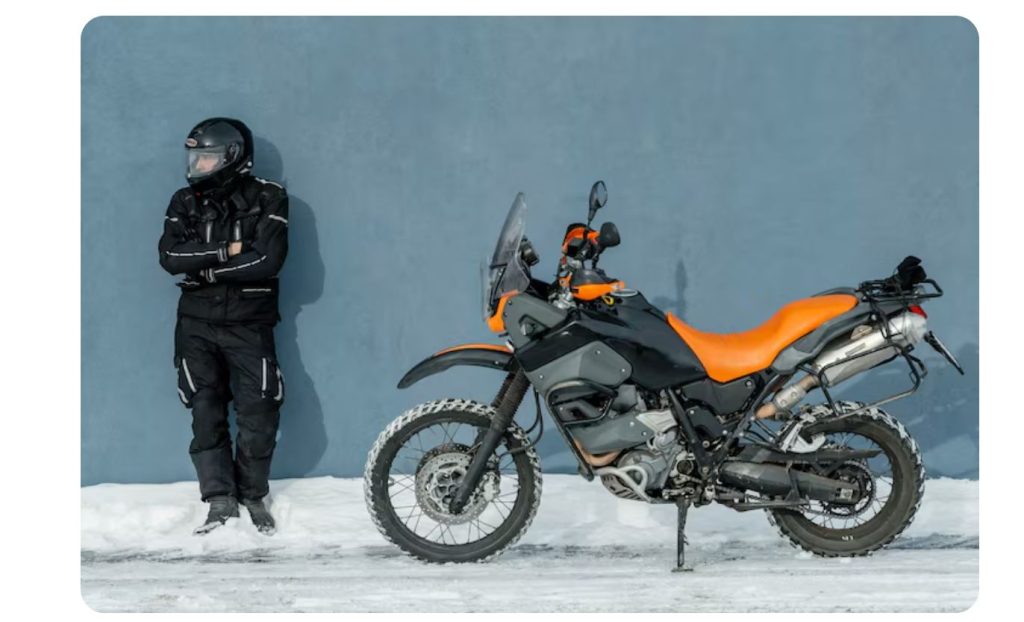
Outer layer: Windproof, waterproof textile motorcycle pants with CE-certified knee and hip armor. Look for models with zip-in thermal liners, similar to jackets. Overpants that go over your regular clothes are also an excellent option for commuters you can remove them once you arrive.
Cold-Weather Extremities: Hands, Feet, and Head
Hands: The Most Vulnerable Extremity
Cold hands are more than uncomfortable they slow your reaction time and reduce grip strength. This is a genuine safety issue.
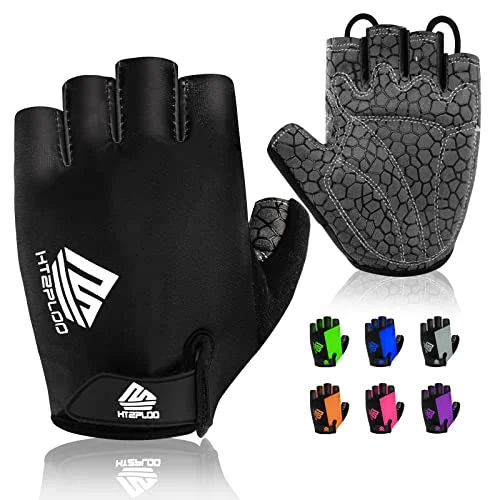
Heated gloves are the single most impactful upgrade you can make for winter riding. Electrically heated gloves from Gerbing, Warm & Safe, or Keis completely eliminate hand cold, even on long highway commutes in temperatures at or below freezing. Battery-powered options work well for shorter rides; hardwired systems connected to the bike’s battery are better for longer commutes.
Insulated waterproof motorcycle gloves without heating from brands like Held, REV’IT, or Alpinestars — are the non-electric alternative. Look for gauntlet-style gloves that overlap your jacket sleeves and include a wrist cinch. Short cuffs create a gap that acts like a wind scoop.
Handlebar mitts (muffs) are an underrated option. Large neoprene or textile mitts that attach to the handlebars and enclose your hands (you wear thin inner gloves inside) create a dead-air space that’s remarkably warm. Popular with adventure riders and commuters in Scandinavia and the UK.
Feet and Ankles
Motorcycle boots already provide ankle protection, but thermal insulation varies enormously. For cold-weather commuting, look for boots rated for winter use with an internal waterproof membrane (GORE-TEX or similar) and thermal lining. Brands like Sidi, Alpinestars, and TCX make dedicated winter riding boots.
Wool or thermal socks — merino wool is again the best choice — add meaningful warmth inside any motorcycle boot. Avoid cotton socks for the same reason as cotton base layers.
Head and Neck
A helmet does provide meaningful insulation, but the neck gap between your helmet and jacket collar is a major source of cold air entry. A merino wool balaclava that covers the neck and lower face, worn under your helmet, solves this completely.
For open-face or modular helmet users, a neck tube (gaiter) in merino or fleece is essential. Even full-face helmet wearers benefit enormously from a thin balaclava on rides below 40°F (4°C).
Complete Layering System: Temperature-Based Guide
| Temperature Range | Base Layer | Mid Layer | Outer Layer | Extras |
|---|---|---|---|---|
| 50–60°F (10–15°C) | Lightweight merino or synthetic | Light fleece | Textile jacket (liner optional) | Standard gloves, light neck tube |
| 35–50°F (2–10°C) | Mid-weight merino or thermal synthetic | Mid-weight fleece or heated vest | Textile jacket with liner | Insulated waterproof gloves, balaclava |
| 20–35°F (-7–2°C) | Heavyweight merino or dual-layer thermal | Down vest + heated vest | Waterproof laminated jacket with liner | Heated gloves, full balaclava, thermal pants layer |
| Below 20°F (below -7°C) | Heavyweight merino top and bottom | Heated jacket liner + fleece | Premium laminated outer shell | Heated gloves, handlebar mitts, winter riding boots, balaclava + neck gaiter |
Practical Tips for Cold-Weather Motorcycle Commuting
Seal every gap. Cold air finds every opening — wrist gaps, collar gaps, hem gaps. Before leaving home, check that sleeves overlap, collar is sealed, and helmet sits on your balaclava or neck tube, not your bare skin.
Warm up before you ride. Spend five minutes doing light movement to get circulation going before mounting up, especially on very cold mornings. Cold muscles and joints increase the risk of fatigue and injury.
Check your tire pressure more often in winter. Tire pressure drops roughly 1 PSI for every 10°F temperature drop. Cold, under-inflated tires have less grip — a real concern when roads may already be compromised.
Carry a spare base layer. If you sweat heavily on your commute, a damp base layer will make you cold at every stop. A clean, dry base layer in your bag for the return trip is worth the small weight.
Invest in anti-fog visor solutions. Cold weather dramatically increases visor fogging. A quality anti-fog insert (Pinlock or similar) or anti-fog spray keeps your vision clear, which is a safety priority in winter conditions.
Know when not to ride. No layering system compensates for ice, black ice, or road salt accumulation. Knowing your limits and choosing other transport on genuinely dangerous days is part of being a smart winter commuter.
Recommended Gear Brands by Category
Jackets (outer shell): Klim, Rev’It, Rukka, Aerostitch, Alpinestars Andes Mid layers (insulation): Gerbing, Warm & Safe (heated), Patagonia, Arc’teryx fleece Base layers: Icebreaker, Smartwool, Patagonia Capilene, Under Armour ColdGear Gloves: Gerbing (heated), Held, Alpinestars, REV’IT Boots: Sidi, TCX, Alpinestars, Dainese Balaclavas/neck gaiters: Klim, Smartwool, any quality merino wool option
FAQ: Cold Weather Motorcycle Layering
How do I layer for cold weather motorcycle riding?
Use a three-layer system. Start with a moisture-wicking base layer (merino wool or synthetic thermal fabric) against your skin. Add an insulating mid layer fleece, a down vest, or a heated vest over that. Top it with a windproof, waterproof textile motorcycle jacket with a zip-in liner. Apply the same logic to your lower body, hands, feet, and head. The key is sealing every gap where cold air can enter.
What should I wear when riding a motorcycle in the cold?
For rides below 50°F (10°C), wear thermal base layers (merino wool preferred), a mid-weight fleece or heated vest as a mid layer, and a waterproof laminated textile motorcycle jacket as your outer shell. Add insulated or heated gloves, thermal socks, waterproof riding boots, and a balaclava or neck tube under your helmet. For temperatures below freezing, switch to heated gloves and consider a heated liner jacket.
How do I stay warm when riding a motorcycle in winter?
The most effective strategies are: (1) seal every gap where cold air can enter — collar, wrists, and hem; (2) invest in heated gloves and/or a heated vest for hardwired warmth at the core and hands; (3) use a balaclava to eliminate heat loss at the neck; (4) layer properly rather than relying on a single thick jacket. Wind protection at the outer layer is more important on a motorcycle than in any other cold-weather sport.
At what temperature is it too cold to ride a motorcycle?
There’s no universal answer — it depends on your gear, your bike, and the road conditions. With high-quality layered gear and heated accessories, experienced commuters ride comfortably in temperatures well below 20°F (-7°C). However, the greater risk below freezing isn’t discomfort — it’s ice on the road surface. When temperatures approach or dip below freezing overnight, black ice becomes a real danger regardless of how well-dressed you are.
Are heated motorcycle vests and gloves worth it for commuting?
Yes, particularly for regular commuters. Heated gloves are the single most transformative cold-weather investment most riders report. Hands are the most exposed extremity, can’t be insulated as heavily as your torso, and failing to keep them warm directly affects your ability to ride safely. A hardwired system (powered by your bike’s battery through a SAE connector) is more reliable and unlimited in duration compared to battery-powered options. For the torso, a heated liner vest bridges the gap between borderline-comfortable and genuinely warm in temperatures below 40°F (4°C).
Ride safe. Layer smart.

- Top 10 Best Helmet For A Running Back 2026 - September 16, 2026
- Best Bug Remover For Car Wash 2026 - September 16, 2026
- Best Bug And Bird Poop Remover For Cars 2026 - September 15, 2026