How to Repair a Tubeless Mountain Bike Tire

Tubeless tires have become common on mountain bikes. They provide better traction, lower pressure riding, and fewer pinch flats.
Small punctures often seal automatically with liquid sealant. Larger cuts or air leaks still need manual repair. Learning the correct repair method helps riders continue their ride and extend tire life.
This guide explains how to identify damage, seal punctures, and restore a tubeless mountain bike tire safely.
What Is a Tubeless Mountain Bike Tire?
- How Tubeless Tire Systems WorkIn a tubeless setup, the inner tube is eliminated entirely. Instead, the tire and the rim are designed to create an airtight “lock.” Special rim tape seals the spoke holes, and a dedicated valve stem is bolted directly to the rim to keep air inside the tire casing itself.
- Difference Between Tubeless and Tube TiresStandard tires rely on an inner tube to hold air; if the tube pops, the ride is over. Tubeless tires are more robust and allow you to run lower air pressures without the risk of “pinch flats” (where the tube gets bitten by the rim). This results in massive traction and a “plush” feel over rocks and roots.

- Role of Tubeless SealantSealant is the “magic liquid” (usually a latex-based formula) inside the tire. Its job is twofold: it coats the inside to keep the system airtight, and more importantly, it instantly rushes to any puncture to plug it before you even realize you’ve hit a thorn.
Tools Needed to Repair a Tubeless Bike Tire
- Tubeless Tire Plug KitOften called “bacon strips,” these are sticky rubber threads that you jam into larger holes that the sealant can’t handle. Every tubeless rider should carry a small insertion tool and a few plugs.
- Tire LeversWhile you won’t need these for most repairs, you’ll need them if a hole is so big you have to put an emergency inner tube inside.
- Tubeless SealantSealant eventually dries out (usually every 3–6 months). Carrying a small 2oz bottle on long rides allows you to “top up” if you’ve lost a lot of fluid during a puncture.
- Air Pump or CO₂ InflatorYou need a way to bring the tire back to pressure. A CO₂ inflator is great for “seating” a tire bead that has come loose, while a mini-pump is more reliable for long-term air.
- Tire Patch or BootFor massive slashes, a “boot” (a piece of reinforced material) is placed on the inside of the tire to stop the tube or tire from bulging out of the hole.
Common Causes of Tubeless Tire Damage
- Sharp Rocks and Trail DebrisThe most common culprit. A sharp shard of flint or a jagged rock can slice through the tread faster than the sealant can react.
- Sidewall CutsBecause sidewalls are thinner than the tread to save weight, they are vulnerable. A “scuff” against a sharp rock can lead to a slice that is notoriously difficult for sealant to plug.
- Sealant Drying OutIf you haven’t checked your sealant in months, it might have turned into a “latex ball” or dried up completely. Without liquid sealant, even a tiny thorn will cause a flat.
- Rim Damage or Loose Tire BeadA hard impact can dent your rim, breaking the airtight seal. Similarly, “burping” occurs when a hard turn forces the tire bead away from the rim, causing a sudden loss of air.
How to Identify a Tubeless Tire Leak
- Listening for Escaping AirThe classic “hiss” is your first clue. If you hear it, stop immediately.
- Finding Sealant Spray MarksIf you see “white spray” on your frame or your legs, that’s the sealant doing its job. Follow the wet spots to find the hole.
- Using Water to Locate BubblesIf the leak is slow, spray some soapy water (or just use your water bottle) over the tire. Small growing bubbles will reveal the exact location of the leak.
- Checking Valve Stem LeaksSometimes the leak isn’t in the tire at all. Check the nut at the base of your valve stem; if it’s loose, air will escape from the rim hole.
Repair Small Punctures with Sealant
- Rotating the Wheel to Spread SealantIf you hear a hiss, the first thing to do is spin the wheel. This uses centrifugal force to throw the liquid sealant onto the puncture.
- Holding the Puncture at the BottomOnce the hole is located, rotate the wheel so the puncture is at the 6 o’clock position. Gravity will pool the sealant over the hole, giving it the best chance to coagulate and seal.
- Allowing Sealant to Close the HoleBe patient. You might see some white bubbles for a few seconds. Once the bubbling stops and the “hiss” vanishes, the sealant has done its job.
- Reinflating the Tire to Correct PressureOnce the hole is plugged, use your pump to get back to your desired PSI. Ride gently for a few minutes to ensure the “plug” of dried sealant is fully set.
When sealant alone isn’t enough to stop the hiss, it’s time to pull out the “heavy artillery.” Moving beyond basic leaks requires a few specific skills, but once you master these, you’ll rarely be stuck on the side of a trail for long.
Here is how to handle the bigger tubeless headaches and keep your tires trail-ready.
Fix Larger Holes with a Tubeless Tire Plug
- Cleaning the Puncture AreaQuickly wipe away excess sealant and mud from around the hole. You don’t need it to be perfect, but a cleaner surface helps the sticky plug bond with the tire rubber.
- Inserting the Tire Plug StripThread the “bacon strip” through your insertion tool. Push the tool directly into the puncture. You might need to use a bit of force, but be careful not to jam it all the way through to the rim.
- Pulling the Plug Tool Out SlowlyOnce the plug is inside, pull the tool out slowly. The goal is to leave the rubber strip folded inside the hole while the tool slides out. Give it a tiny tug to make sure it’s seated.
- Trimming Excess Plug MaterialIf you have a multi-tool with a blade, trim the ends of the plug so they are nearly flush with the tire tread. If you don’t trim it, the “tails” can catch on the trail and pull the plug back out.
Repairing a Tubeless Tire Sidewall Cut
A sidewall slice is a tubeless rider’s nightmare because the rubber is thin and moves a lot.
- Removing the Tire from the RimFor a serious cut, you’ll likely need to take one side of the tire off. Be prepared for a bit of a mess as the liquid sealant drains out.
- Installing a Tire Boot PatchA “boot” is a piece of tough, reinforced material. Glue it to the inside of the tire over the cut. This provides the structural integrity the tire needs to hold pressure without the sidewall “bulging.”
- Adding a Backup Inner TubeIf the cut is too large for the boot to hold air on its own, your best bet is to install a standard inner tube. This is the “get home” move that works every time. Note: Remember to remove the tubeless valve stem from the rim before inserting the tube!
- Reinflating and Reseating the Tire BeadWith the tube or boot in place, pump the tire back up. Watch the sidewall carefully to make sure the repair isn’t bulging or failing under pressure.
Adding or Replacing Tubeless Sealant
Think of sealant like the oil in your car; it needs to be topped up to work correctly.
- Removing the Valve CoreInstead of taking the whole tire off, use a small valve core tool to unscrew the center of your valve. This opens up a direct “straw” into the tire.
- Injecting Fresh SealantUse a small injector or a squeeze bottle to pour 2–4 ounces of fresh sealant through the valve stem. This keeps the mess to a minimum.
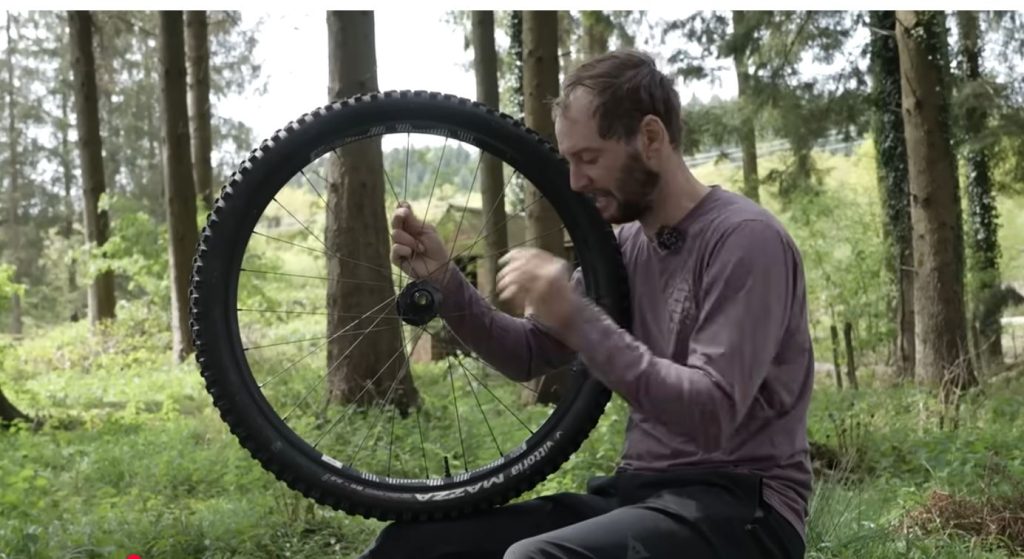
- Spinning the Wheel to Distribute SealantReinstall the valve core and spin the wheel vigorously. Flip the wheel horizontally on both sides to ensure the new liquid coats the entire inner surface and any old, slow-leaking spots.
Reseating the Tubeless Tire Bead
If your tire has “burped” and lost its seal, you need to snap it back onto the rim.
- Checking Rim Tape ConditionIf the tire came off, check the tape. If it’s wrinkled or torn, air will leak into the rim itself, and the tire will never seat.
- Inflating the Tire QuicklyTubeless tires need a “burst” of air to push the beads into place. A floor pump with a “boost” chamber or a CO2 cartridge is your best friend here.
- Listening for Bead Seating PopsAs the pressure rises, you’ll hear a loud PING or POP. This is a good thing! It means the tire bead has locked onto the rim’s “shelf.” Don’t exceed the tire’s max PSI to get this to happen.
Preventing Future Tubeless Tire Punctures
- Maintaining Proper Tire PressureRiding with too little air makes you prone to “burping” or smashing your rim. Use a digital gauge to find your “Goldilocks” pressure enough for grip, enough for protection.
- Replacing Sealant Every Few MonthsSealant dries out, especially in hot or dry climates. Set a calendar reminder to check yours every 3 to 4 months.
- Choosing Durable Trail TiresIf you ride in rocky terrain, don’t buy the lightest racing tires. Look for tires with reinforced casings (like Maxxis EXO+ or Schwalbe Super Trail).
- Inspecting Tires Before RidesGive your tires a quick spin before you head out. If you see wet spots (sealant) or small thorns, address them in the garage rather than 10 miles deep into the woods.
When to Replace a Tubeless Mountain Bike Tire
- Large Sidewall DamageIf a cut is longer than half an inch or if the structural “threads” of the tire are frayed, it’s time to retire the tire. A blowout at high speed isn’t worth the savings.
- Multiple Plug RepairsIf your tire looks more like a pincushion than a tire, the integrity is compromised. Plugs are meant to be temporary-to-medium-term fixes.
- Worn Tread PatternsWhen the center knobs are worn down, you lose the braking traction that keeps you safe. If the tire looks “bald,” replace it.
- Frequent Air LeaksIf a tire won’t hold pressure overnight despite fresh sealant and a good valve, the casing might be porous or damaged. A fresh tire will bring back your peace of mind.
Wrapping up the world of tubeless tires, it’s clear that while the setup requires a bit more “science” than a traditional tube, the payoff on the trail is unbeatable. You get to ride faster, smoother, and with the peace of mind that most punctures will fix themselves before you even notice them.
To help you stay ahead of the curve, here are the most common questions riders ask once they’ve made the switch.
Frequently Asked Questions
Why is my tubeless tire losing air overnight?
If there are no visible punctures, the culprit is usually one of three things: a loose valve core, old sealant that has dried out, or rim tape that has lifted. Try tightening the valve nut first, then check if you need to add a fresh shot of sealant.
Can I use a regular floor pump to seat a tubeless tire?
It depends on the tire and rim combo. Some “pop” into place easily with a standard floor pump, but others require a “surge” of air. If your floor pump isn’t working, try removing the valve core to let air in faster, or use a CO₂ inflator.
Is it okay to mix different brands of sealant?
Generally, no. Different sealants use different chemical formulas (some are latex-based, some use synthetic particles). Mixing them can cause the sealant to “ball up” or solidify prematurely, rendering it useless. Stick to one brand or thoroughly wash the tire before switching.
What happens if I get a flat that won’t seal?
Don’t panic! This is why we carry an emergency inner tube. Simply unscrew the tubeless valve from the rim, wipe out any excess liquid sealant with a rag, and install the tube just like you would on a standard bike. It’ll get you home every time.
Conclusion: Your Path to a Flat-Free Ride
Transitioning to a tubeless mountain bike system is like upgrading from a landline to a smartphone—it might seem more complex at first, but you’ll never want to go back. By maintaining your sealant levels and carrying a basic plug kit, you turn potential ride-ending disasters into minor 30-second pauses.
The best part? You can finally focus on the trail ahead and the scenery around you, rather than worrying about every sharp rock in your path. Keep your rubber side down, your sealant fresh, and your tires at the right PSI!

- 10 Best Jack For F250 Review (October 2026) - October 12, 2026
- 10 Best Jack For F150 Review (October 2026) - October 12, 2026
- 10 Best Electric Hydraulic Jack For Car Review (October 2026) - October 12, 2026