How to Speed Up a Mountain Bike: Complete Guide for Faster Rides

Mountain biking is all about control, endurance, and thrill but speed is what truly elevates the experience. Whether you’re tackling rugged trails or smooth dirt paths, a faster mountain bike means more efficiency, better performance, and greater riding satisfaction.
Many riders assume speed depends only on fitness, but in reality, factors like bike setup, tire choice, riding technique, and maintenance play a huge role. With the right adjustments and strategies, you can significantly increase your mountain bike speed without sacrificing safety or control.
In this guide, we’ll break down proven methods to make your mountain bike faster from simple upgrades to advanced riding techniques.
What Affects Mountain Bike Speed
Speed on a mountain bike isn’t just about how hard you pedal it’s the result of multiple factors working together. From tire resistance to body positioning, even small inefficiencies can slow you down significantly. Understanding these elements helps you make smarter adjustments that translate into real speed gains on the trail.
Rolling Resistance and Tire Impact
One of the biggest factors affecting speed is rolling resistance, which is largely determined by your tires. Mountain bike tires with aggressive, knobby tread provide excellent grip on rough terrain but create more friction against the ground, slowing you down.
If you’re riding on smoother trails or hardpack surfaces, switching to less aggressive tread or semi-slick tires can noticeably increase speed. Tire pressure also plays a critical role—lower pressure improves traction but increases drag, while higher pressure reduces resistance and allows for faster rolling. Finding the right balance based on terrain is key.
Weight and Bike Efficiency
The heavier your bike, the more effort it takes to accelerate and maintain speed. While weight matters less on flat terrain, it becomes very noticeable when climbing or trying to build momentum.
Reducing unnecessary weight—such as heavy wheels, tubes, or components can make your bike feel more responsive and quicker. However, it’s important not to sacrifice durability, especially for technical trails. The goal is to achieve an efficient balance between strength and lightweight performance.
Rider Position and Aerodynamics
Your body position directly impacts how efficiently you move through the air. Sitting upright increases wind resistance, which slows you down—especially on flat sections or descents.
By slightly lowering your torso and keeping your elbows tucked in, you can reduce drag and maintain higher speeds with less effort. Proper saddle height and handlebar positioning also ensure optimal power transfer, helping you pedal more efficiently without wasting energy.
Optimize Your Mountain Bike Setup for Speed
Improving your bike setup is one of the easiest and most effective ways to increase speed without extra effort. Small adjustments can lead to smoother rolling, better power transfer, and less energy loss making your ride noticeably faster.
Adjust Tire Pressure for Terrain
Tire pressure should always match the type of terrain you’re riding. On rough trails, slightly lower pressure improves grip and control, but it can slow you down due to increased rolling resistance.
For smoother surfaces, increasing tire pressure reduces friction and allows your bike to roll faster. Experiment within recommended PSI ranges to find the perfect balance between speed and control.
Upgrade to Faster-Rolling Tires
Not all mountain bike tires are designed for speed. If your current tires have deep, aggressive knobs, they may be slowing you down on less technical terrain.
Switching to fast-rolling tires with a smoother center tread can significantly boost speed while still maintaining cornering grip. This upgrade is especially beneficial for cross-country riders or those who frequently ride on hard-packed trails.
Improve Drivetrain Efficiency
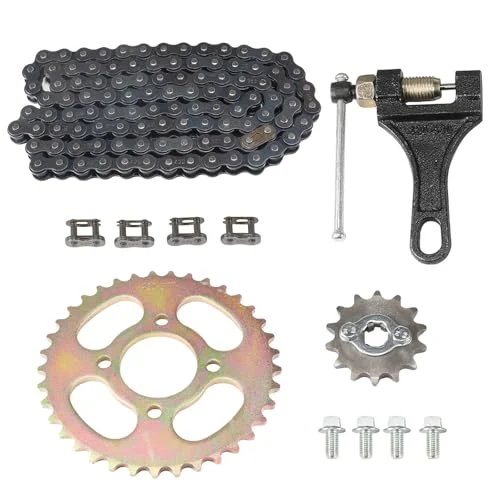
A poorly maintained drivetrain can waste a surprising amount of energy. Dirt, grime, and lack of lubrication increase friction, making it harder to pedal efficiently.
Regularly cleaning and lubricating your chain ensures smooth gear transitions and better power transfer. A properly tuned drivetrain allows you to maintain speed with less effort.
Reduce Bike Weight
Lightweight bikes accelerate faster and feel more agile on the trail. While you don’t need to replace everything at once, upgrading key components can make a noticeable difference.
Focus on high-impact areas like wheels, tires, and tubes. For example, switching to a tubeless setup not only reduces weight but also decreases rolling resistance, helping you ride faster with improved efficiency.
Master Riding Techniques to Increase Speed
Even with the best bike setup, your speed ultimately depends on how you ride. Technique plays a massive role in maintaining momentum, conserving energy, and navigating trails efficiently. By refining your riding skills, you can go faster without actually working harder.
Maintain Momentum on Trails
Momentum is everything in mountain biking. Constantly stopping, braking, or pedaling aggressively wastes energy and reduces your overall speed.
Instead, focus on flowing with the trail. Look ahead, anticipate obstacles, and aim to carry your speed through sections rather than restarting after every slowdown. Smooth riding not only makes you faster but also less fatigued over long distances.
Efficient Pedaling Techniques
Pedaling isn’t just about pushing harder it’s about pedaling smarter. Maintaining a steady cadence (typically between 70–100 RPM) helps you ride efficiently without burning out quickly.
Use your gears wisely to keep a consistent rhythm, especially on climbs and uneven terrain. Spinning smoothly in the right gear is far more effective than grinding in a heavy gear.
Cornering Like a Pro
Cornering is where many riders lose valuable speed. Braking too late or too much in turns forces you to slow down more than necessary.
The key is to brake before entering the corner, then release the brakes and carry your speed through the turn. Lean your bike not just your body and keep your outside foot down for better stability and control.
Descending Faster and Safer
Downhill sections are your biggest opportunity to gain speed but only if you ride them correctly.
Stay relaxed, keep your weight centered, and let the bike move beneath you. Focus on choosing the smoothest and fastest line rather than the shortest path. A confident, controlled descent can dramatically improve your overall ride speed.
Essential Upgrades for a Faster Mountain Bike
If you’re looking to take your speed to the next level, strategic upgrades can make a noticeable difference. The right components can reduce resistance, improve efficiency, and help you maintain higher speeds with less effort.
Lightweight Wheelsets
Wheels are one of the most impactful upgrades for speed. Lighter wheels reduce rotational weight, making it easier to accelerate and maintain momentum.
A high-quality wheelset improves rolling efficiency and responsiveness, especially during climbs and quick bursts of speed.
High-Performance Drivetrain Components
Upgrading your drivetrain can significantly enhance your riding experience. Modern drivetrains offer smoother shifting, better gear ratios, and improved efficiency.
This means less energy loss and more consistent speed, especially on varied terrain where frequent gear changes are required.
Suspension Setup Optimization
Your suspension settings can either help or hinder your speed. Too soft, and you lose energy through excessive bounce; too stiff, and you lose traction and control.
Adjusting sag and rebound to match your riding style and terrain ensures maximum efficiency. Many bikes also feature a lockout option, which is ideal for climbing or riding on smoother trails where you want minimal suspension movement.
Maintenance Tips to Keep Your Bike Fast
No matter how good your bike or technique is, poor maintenance can quietly slow you down. A well-maintained mountain bike runs smoother, wastes less energy, and performs consistently on every ride. Keeping your bike in top condition is one of the easiest ways to maintain speed over time.
Keep the Chain Clean and Lubricated
Your chain is the core of your drivetrain, and even a small amount of dirt can create friction that reduces efficiency.
Regularly cleaning and lubricating your chain ensures smooth power transfer from your legs to the wheels. A clean drivetrain not only improves speed but also extends the lifespan of your components.
Check Tire Condition Regularly
Worn-out tires lose their ability to roll efficiently and maintain grip. Cracks, thinning tread, or uneven wear can all slow you down and affect control.
Inspect your tires frequently and replace them when needed. Fresh, properly inflated tires can instantly improve your bike’s speed and performance.
Brake Adjustment for Minimal Drag
Brake pads that rub against the wheel create unnecessary resistance, even when you’re not braking. This constant friction can significantly reduce your speed.
Make sure your brakes are properly aligned and not dragging. A quick adjustment can make your ride feel noticeably smoother and faster.
Regular Bike Tune-Ups
Over time, components naturally loosen or go out of alignment. Regular tune-ups ensure everything from gears to bearings is working efficiently.
A professionally tuned bike feels smoother, shifts better, and maintains speed with less effort, making it a worthwhile investment for any rider.
Common Mistakes That Slow You Down
Sometimes, the biggest barriers to speed aren’t your bike or fitness—but simple mistakes that go unnoticed. Avoiding these common errors can instantly improve your riding performance.
Over-Braking on Trails
Many riders rely too heavily on brakes, especially when approaching corners or obstacles. Excessive braking kills momentum and forces you to work harder to regain speed.
Learning when to brake and when to let the bike roll can make a huge difference in maintaining flow and efficiency.
Incorrect Tire Pressure
Riding with the wrong tire pressure is one of the most common mistakes. Too low, and you create unnecessary drag; too high, and you lose traction and control.
Finding the right balance for your terrain ensures optimal speed without compromising safety.
Poor Gear Selection
Staying in the wrong gear can quickly drain your energy and reduce efficiency. Grinding in a heavy gear or spinning too fast in a light gear both limit your speed potential.
Shifting proactively and maintaining a steady cadence helps you ride faster with less effort.
Neglecting Bike Maintenance
Ignoring basic maintenance leads to hidden performance losses. Dirty drivetrains, misaligned brakes, and worn components all contribute to slower rides.
Consistent upkeep ensures your bike performs at its best every time you hit the trail.
Pro Tips to Maximize Mountain Bike Speed
Once you’ve optimized your bike and refined your technique, it’s time to focus on advanced strategies that separate average riders from truly fast ones. These pro-level tips help you squeeze out every bit of speed while staying efficient and in control.
Ride Smarter, Not Harder
Speed isn’t just about effort—it’s about efficiency. Instead of constantly pushing harder, focus on conserving energy and using it where it matters most.
Experienced riders know when to push and when to recover. By pacing yourself and avoiding unnecessary bursts of effort, you can maintain higher average speeds throughout your ride.
Choose the Right Trail Lines
Your line choice directly affects how fast you can ride. Rough, technical sections slow you down, while smoother lines allow you to maintain momentum.
Look ahead and plan your path to avoid obstacles like rocks, roots, and deep sand. A slightly longer but smoother line is often faster than a direct but rough route.
Train for Strength and Endurance
While technique and setup are crucial, physical fitness still plays a key role in speed. Stronger legs and better endurance allow you to sustain higher speeds for longer periods.
Incorporate strength training, interval rides, and endurance sessions into your routine. A well-conditioned rider can fully utilize both bike performance and trail opportunities.
Conclusion
Speeding up your mountain bike isn’t just about pedaling harder it’s about optimizing every aspect of your ride. From dialing in your tire pressure to mastering advanced riding techniques, small improvements can lead to noticeable gains in speed and performance.
By combining proper bike setup, smart upgrades, and refined skills, you can ride faster, smoother, and more confidently on any trail.

- 10 Best Jack For Ford Raptor Review (October 2026) - October 12, 2026
- 10 Best Jack For Ford Ranger Review (October 2026) - October 12, 2026
- 10 Best Jack For F350 Review (October 2026) - October 12, 2026