Is a Bicycle Helmet Required by Law? Key Rules Explained

Cycling is a popular activity, but many riders wonder about the legal requirements surrounding helmet use. Understanding whether you must wear a helmet can affect your safety and compliance with local laws. This article will clarify the rules that apply to cyclists in various regions.
The legal requirement to wear a helmet on a bicycle varies by location. In many places, helmet laws exist, especially for minors. However, adults may not be required to wear one. Always check your local regulations for specific rules.
Legal Definition of Helmet Use
This section clarifies what constitutes helmet use in the context of cycling laws. Understanding the legal definition is essential to determine whether wearing a helmet is mandatory and under what circumstances.
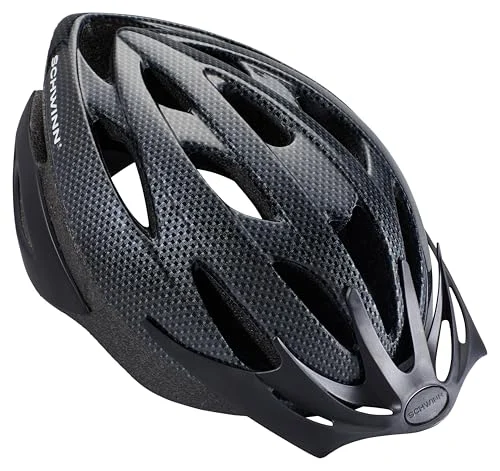
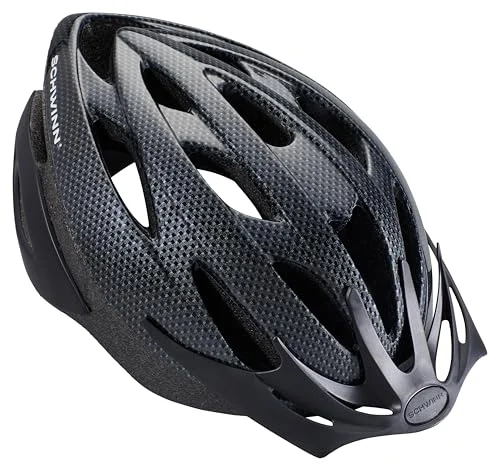
A helmet is typically defined as a protective headgear designed to absorb impact and reduce the risk of head injury during accidents. The legal definition may vary by jurisdiction, but generally, it includes specifications regarding the design, materials, and testing standards that a helmet must meet to be considered compliant. Compliance with recognized safety standards, such as those set by the Consumer Product Safety Commission (CPSC) in the United States, is often required for helmets to be legally accepted.
Some jurisdictions may also specify the age of the cyclist, the type of bicycle being ridden, and the location of riding (e.g., public roads versus private property) as factors influencing helmet requirements. Understanding these definitions helps clarify individual responsibilities and protections as a cyclist.
State Helmet Laws
Helmet laws for bicyclists vary significantly across the United States, with some states enforcing strict regulations while others have more lenient approaches. Understanding these laws is crucial for cyclists to ensure compliance and safety. Below is an overview of states categorized into mandatory and optional helmet laws.
Mandatory States
Some states require all cyclists to wear helmets regardless of age. These states include:
- California
- New York
- Florida
- New Jersey
- Massachusetts
In these states, failure to wear a helmet can result in fines or other penalties, emphasizing the importance of helmet use for safety.
Optional States
Other states do not have universal helmet laws and only recommend helmet use or have laws that apply to specific age groups. Examples include:
- Texas
- Illinois
- Virginia
In these states, while wearing a helmet is encouraged, it may not be legally required for all cyclists. Always check local regulations for specific details.
Helmet Requirements for Minors
Helmet laws for minors vary by state, with many jurisdictions mandating helmet use for children and teenagers while riding bicycles. Understanding these regulations is essential for parents and guardians to ensure compliance and promote safety.
Age restrictions often dictate that minors, typically defined as individuals under 18 years, must wear helmets. Some states specify particular age limits, such as children under 16 or 12. Parents should familiarize themselves with their local laws to determine the exact requirements applicable to their children.
Parental responsibilities extend beyond mere compliance with the law. Parents or guardians are often held accountable for ensuring that their children wear helmets while cycling. This may include educating minors about the importance of helmet use, providing appropriate fitting helmets, and modeling safe riding behaviors. Failure to comply with helmet laws can result in fines or penalties, emphasizing the need for vigilance.
Overall, understanding the legal framework surrounding helmet use for minors helps safeguard young cyclists and instills good safety habits from an early age.
Enforcement Mechanisms
Helmet laws are enforced through various mechanisms, with law enforcement agencies playing a crucial role in ensuring compliance. Penalties for non-compliance vary by jurisdiction, and understanding these can help cyclists stay informed and safe.
- Police Enforcement: Local law enforcement officers are responsible for monitoring compliance with helmet laws. They may issue citations to individuals not wearing helmets, particularly in areas known for high bicycle traffic.
- Fines: Penalties for not wearing a helmet can range from modest fines to more significant amounts, depending on the state or municipality. Fines typically vary between $10 and $250, with minors often facing lower penalties.
- Education and Awareness: Many jurisdictions prioritize education about helmet safety over punishment, especially for minors. Law enforcement may provide warnings or distribute educational materials instead of issuing fines during initial encounters.
- Reporting Violations: In some regions, citizens can report violations of helmet laws, which may prompt law enforcement to increase patrols or awareness campaigns in those areas.
Understanding how helmet laws are enforced can help cyclists make informed choices and avoid potential penalties while promoting safety on the roads.
Impact on Insurance Claims
The use of helmets while cycling can significantly influence the outcomes of insurance claims following accidents. Understanding the implications of helmet laws can provide clarity on claim validity and compensation factors.
- Claim Validity: If a cyclist is involved in an accident and was not wearing a helmet, insurance companies may scrutinize the claim more closely. Some policies may stipulate that wearing a helmet is a condition of coverage. Failing to wear one could potentially lead to a denial or reduction of claims based on perceived negligence.
- Compensation Factors: The absence of a helmet during an accident may affect the compensation amount. Insurers often consider contributory negligence, where the cyclist’s decision not to wear a helmet could be viewed as a factor in the severity of injuries sustained. This can reduce the total compensation awarded, as the cyclist may be deemed partially responsible for the injuries.
- Legal Implications: In jurisdictions with helmet laws, failing to wear a helmet can have legal repercussions. If a cyclist is found to be in violation of these laws, it could adversely affect their insurance claim, leading to lower compensation or denial.
Comparative Analysis of Helmet Laws
This section compares bicycle helmet laws across various countries and regions, highlighting the differences in regulations and the implications for cyclists. Understanding these laws can inform your decision-making when riding a bicycle, especially if you travel or reside in different locations.
| Country/Region | Helmet Law Status | Age Restrictions |
|---|---|---|
| Australia | Mandatory | All ages |
| United States | Varies by state | Some states require helmets for minors only |
| United Kingdom | No mandatory law | N/A |
| Netherlands | No mandatory law | N/A |
| New Zealand | Mandatory | All ages |
Countries like Australia and New Zealand enforce strict helmet laws requiring all cyclists to wear helmets. In contrast, the United States showcases a mixed approach, with laws varying by state, often applying only to minors. The UK and the Netherlands have no mandatory helmet laws, reflecting different cultural attitudes towards cycling safety.
Case Studies of Helmet Law Effects
This section explores real-world examples demonstrating how helmet laws influence safety and cyclist behavior. Analyzing various case studies reveals both positive and negative outcomes associated with these regulations.
- Australia’s Nationwide Helmet Law: Implemented in 1990, the law led to a significant increase in helmet use, resulting in a 30% reduction in head injuries among cyclists. However, some studies indicated a decline in overall cycling participation, raising concerns about the law’s impact on public health.
- California’s Helmet Law: Enacted in 1994, this law showed an increase in helmet compliance among riders, linked to a reduction in severe head injuries. Despite this, critics argue that it may discourage casual cycling, particularly among children and low-income families, who may find helmets an added financial burden.
- New York City’s Helmet Law: The city mandates helmets for bike-share programs, resulting in high compliance rates. However, studies suggest that the law has not significantly decreased cycling accidents or injuries, indicating that other factors, such as infrastructure, play a crucial role in cyclist safety.
- Finland’s Approach: While Finland recommends helmet use, it does not mandate it. This has led to high cycling rates and low injury statistics, suggesting that promoting safe cycling practices and infrastructure may be more effective than strict helmet laws.
Quick Summary
- Helmet laws vary by state and country; check local regulations for specific requirements.
- Some regions mandate helmet use for all cyclists, while others may only require it for minors.
- Wearing a helmet can significantly reduce the risk of head injuries in the event of an accident.
- Even in areas without helmet laws, it is advisable to wear one for safety reasons.
- Enforcement of helmet laws can vary, with some places having strict penalties for non-compliance.
- Education on the importance of helmet use is crucial for promoting cycling safety.
- Legal consequences for not wearing a helmet may include fines or liability in case of an accident.
Frequently Asked Questions
Do I legally have to wear a helmet while riding a bicycle?
The legality of wearing a helmet while cycling varies by location. In some places, helmet laws are enforced for all cyclists, while others may only require them for specific age groups. Always check your local laws to ensure compliance.
Are there any age restrictions for helmet laws?
Yes, many jurisdictions have age-specific helmet laws, typically requiring children and teens to wear helmets while allowing adults to choose whether or not to wear one. However, it’s generally recommended for cyclists of all ages to wear helmets for safety.
What are the consequences of not wearing a helmet where it is required?
Failing to wear a helmet in areas where it is mandated can result in fines or penalties. Additionally, not wearing a helmet may affect insurance claims or liability in the event of an accident.
Do helmets really make a difference in safety?
Yes, studies have shown that wearing a helmet significantly reduces the risk of head injuries in the event of a fall or collision. While helmets are not a guarantee of safety, they are an important protective measure for cyclists.
What should I look for when buying a bicycle helmet?
When purchasing a helmet, ensure it meets safety standards, fits properly, and is comfortable to wear. Look for features such as ventilation, adjustable straps, and a lightweight design to enhance usability while riding.

- 10 Best Jack For F350 Review (October 2026) - October 12, 2026
- 10 Best Jack For F250 Review (October 2026) - October 12, 2026
- 10 Best Jack For F150 Review (October 2026) - October 12, 2026