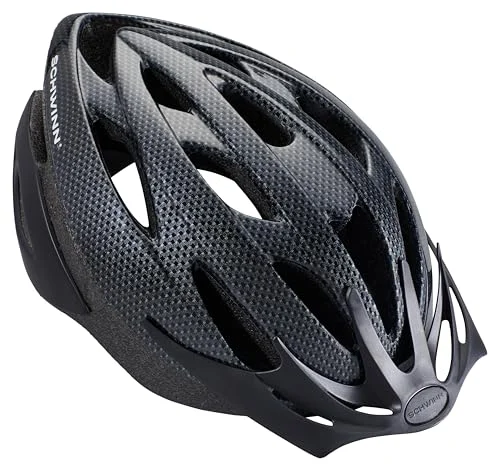
Master Helmet Safety: 4 Essential Guidelines You Must Know

Understanding helmet safety is crucial for anyone involved in sports or outdoor activities. Helmets play a vital role in protecting individuals from potential head injuries, making it essential to grasp the fundamental principles that ensure their effectiveness and compliance with safety standards.
Learning about the four S’s of helmet safety is key to making informed choices. These principles include selection, fit, safety standards, and supervision. Each aspect is vital for ensuring optimal protection and compliance with regulations.
Understanding the Basics
Helmet safety is essential for protecting individuals during various activities, from cycling to sports. Understanding the four S’s of helmet safety can help ensure that you or your loved ones are adequately protected. These principles serve as a guideline for selecting, using, and maintaining helmets effectively.
The four S’s stand for: Standards, Sizing, Secure fit, and Serviceability. Each S represents a critical aspect of helmet safety that contributes to overall effectiveness. Complying with safety standards ensures that the helmet has undergone testing and meets established criteria. Proper sizing guarantees that the helmet fits well, offering maximum protection. A secure fit is vital for stability during use, preventing the helmet from shifting or coming off. Lastly, serviceability emphasizes the importance of regular inspections and maintenance to ensure the helmet remains functional over time.
Key Concepts and Fundamentals
The four S’s of helmet safety are essential principles that ensure helmets provide maximum protection. Understanding these principles will help you make informed decisions when selecting a helmet for yourself or your loved ones. Each “S” plays a critical role in helmet effectiveness and safety standards.
1. Size: A properly fitting helmet is crucial for safety. Helmets should sit snugly on the head without being too tight or uncomfortable. Measure the head circumference to find the correct size and adjust the internal padding as needed for a custom fit.
2. Shape: The design and shape of a helmet must conform to the user’s head. Different activities require specific helmet shapes for optimal protection. Ensure the helmet is designed for the intended sport or activity, as this affects how well it protects against impacts.
3. Standards: Compliance with safety standards is non-negotiable. Look for certifications such as CPSC, ASTM, or Snell, which indicate that the helmet has undergone rigorous testing to ensure it meets safety requirements. Only purchase helmets that display these marks.
4. Strap: The retention system, including straps and buckles, must secure the helmet in place during use. Ensure the straps fit comfortably under the chin and can be adjusted for a snug fit. A helmet that shifts during impact reduces its effectiveness.
How It Works
The four S’s of helmet safety—standards, sizing, strap, and shield—are essential principles that ensure the effectiveness of helmets in protecting users. Understanding these elements helps in making informed decisions about helmet selection and use. This section will break down each of the four S’s to clarify their significance in helmet safety.
Standards: Helmets must meet specific safety standards set by organizations such as the Consumer Product Safety Commission (CPSC) or the Snell Memorial Foundation. These standards ensure that helmets provide adequate protection against impacts and are rigorously tested for quality and durability.
Sizing: Proper sizing is crucial for helmet effectiveness. A helmet that is too loose or too tight can compromise safety. To ensure a proper fit, measure the head circumference and refer to the manufacturer’s sizing chart, adjusting the fit using internal pads or adjustable mechanisms as necessary.
Strap: The helmet’s chin strap must be securely fastened to keep the helmet in place during an impact. Check that the strap is not too loose or too tight, and ensure it sits comfortably under the chin. Many helmets come with adjustable straps for a customized fit.
Shield: The shield or visor of the helmet protects the face and eyes from debris and sunlight. Ensure that the shield is made from impact-resistant materials and is free from scratches or cracks that could impair visibility. A good shield enhances safety while providing comfort during use.
Benefits and Advantages
The four S’s of helmet safety—Shape, Size, Security, and Standards—are foundational principles that ensure helmets provide maximum protection. Understanding these concepts is crucial for selecting the right helmet and ensuring it functions effectively to reduce the risk of injury during sports and outdoor activities.
Shape refers to the design of the helmet, which should be aerodynamically efficient and capable of absorbing impacts. Helmets come in various shapes tailored to specific activities, such as cycling, skiing, or motorcycling, ensuring optimal protection based on the risks involved.
Size is critical for comfort and safety. A well-fitting helmet should sit snugly on the head without being overly tight. Proper measurement and size selection help prevent movement during an impact, ensuring that the helmet remains positioned correctly to provide protection.
Security encompasses all retention systems, including straps and buckles. These components must be secure and functional, as they keep the helmet in place during use. Regular checks of these features ensure they are not worn or damaged, which could compromise safety.
Standards refer to compliance with safety regulations set by recognized organizations. Helmets should meet or exceed these standards to ensure they are tested for impact resistance and other critical safety metrics. Always look for certification labels to confirm adherence to safety standards.
Practical Applications
Understanding the four S’s of helmet safety—Standards, Sizing, Secure Fit, and Style—can significantly enhance your safety while engaging in sports or outdoor activities. This section focuses on applying these principles in practical settings to ensure that you or your loved ones are adequately protected.
Standards: Always look for helmets that comply with safety standards relevant to your activity. Organizations like the Consumer Product Safety Commission (CPSC) or the American National Standards Institute (ANSI) provide guidelines. Check for certification labels inside the helmet.
Sizing: Correct sizing is crucial. Measure the head circumference to select the right helmet size. Most helmets come with an adjustable system, but ensuring the initial fit is correct is essential for maximum protection.
Secure Fit: A helmet should sit snugly on the head without being too tight. The chin strap must be adjusted to keep the helmet in place. When shaking your head, the helmet should not move independently of your head.
Style: While safety is paramount, choosing a helmet that fits your style can encourage consistent use. Helmets come in various designs and colors; select one that appeals to you while maintaining safety features.
By applying these four S’s, you can make informed decisions that enhance your safety and comfort in various activities.
Expert Tips and Best Practices
Understanding the four S’s of helmet safety is essential for making informed decisions about helmet use. Each principle plays a crucial role in ensuring safety and effectiveness. Familiarity with these concepts will help enhance both personal and communal safety during activities that require head protection.
1. Standards: Always check for compliance with safety standards. Look for certifications such as CPSC, ASTM, or Snell, which indicate that the helmet meets rigorous safety requirements.
2. Size: Proper fit is critical. Measure the head circumference and select a helmet that fits snugly without excessive pressure. Adjust the straps to ensure the helmet stays in place during activity.
3. Style: Choose the appropriate style for the activity. Different sports may require specific helmet designs, such as full-face helmets for biking or skateboarding and open-face helmets for skiing.
4. Strap: Ensure the chin strap is securely fastened and adjusted. A loose strap can compromise the helmet’s effectiveness during an impact. Regularly check the condition of the strap for wear and tear.
By prioritizing these four S’s, you can significantly enhance your safety and the safety of others while engaging in various activities.
Real-World Examples
Understanding the four S’s of helmet safety can be enhanced through real-world examples that illustrate their importance. These examples highlight how adherence to these principles can significantly reduce the risk of injury in various activities.
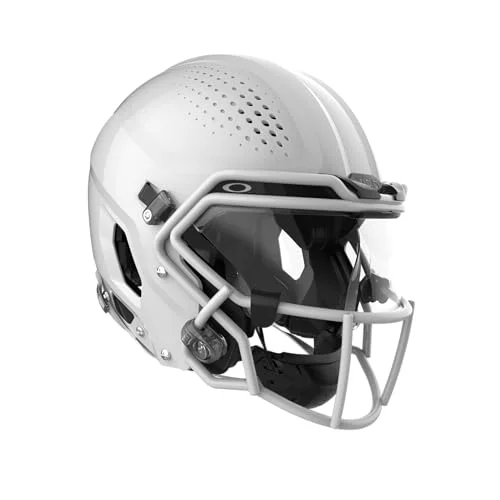
Consider a youth football program that mandates the use of helmets meeting stringent safety standards (Safety Standards). By ensuring that all helmets are certified and regularly inspected, the program increases players’ protection during practices and games.
In another instance, a mountain biking club emphasizes the importance of proper fit (Sizing) by offering helmet fitting sessions. Participants learn how to adjust their helmets correctly, which enhances comfort and effectiveness during rides, ultimately leading to a safer biking experience.
Similarly, a skateboarding event showcases the significance of style (Styling) by providing a variety of helmets that cater to personal preferences while still complying with safety regulations. This encourages more participants to wear helmets, knowing they can express their individuality without compromising safety.
Lastly, a community initiative promotes awareness of the significance of replacement timelines (Substituting) by organizing events where individuals can trade in their old helmets for new ones at a discounted price. This ensures that riders are using helmets that are up to date with current safety standards, thereby reducing the risk of injury.
Quick Summary
- The 4 S’s of helmet safety are crucial for effective head protection.
- Fit: A helmet should fit snugly without being too tight, ensuring it stays in place during use.
- Strap: The chin strap must be securely fastened to keep the helmet from moving or slipping off.
- Style: Choose a helmet designed for the specific activity to maximize safety and performance.
- Standards: Ensure the helmet meets safety standards set by relevant organizations.
- Inspection: Regularly check helmets for damage or wear to maintain their protective capability.
- Education: Understand and follow proper usage guidelines to enhance safety while wearing a helmet.
Frequently Asked Questions
What are the 4 S’s of helmet safety?
The 4 S’s of helmet safety refer to Safety, Shell, Styrofoam, and Straps. These principles ensure that a helmet provides the best protection during impact and fits securely on the user’s head.
How does the ‘Safety’ aspect influence helmet selection?
The ‘Safety’ aspect emphasizes choosing helmets that meet established safety standards, such as those set by the CPSC or ASTM. A certified helmet has undergone rigorous testing to ensure it can withstand impacts and protect the wearer effectively.
What is the importance of the ‘Shell’ in helmet design?
The ‘Shell’ is the outer layer of the helmet that absorbs and disperses impact forces. It is typically made from durable materials, which contribute significantly to the overall effectiveness of the helmet in protecting the head during accidents.
Can you explain the role of ‘Styrofoam’ in helmet safety?
‘Styrofoam’ refers to the foam liner inside the helmet that provides cushioning and absorbs shock during impact. Proper density and thickness of the foam are crucial for ensuring that the helmet can reduce the force transmitted to the skull during a collision.
Why are ‘Straps’ essential for helmet safety?
‘Straps’ are vital because they secure the helmet in place, ensuring it does not move or fall off during use. A well-fitted strap system can significantly enhance the helmet’s effectiveness, as it helps maintain the correct positioning of the helmet on the head during impacts.

- 10 Best Electric Hydraulic Jack For Car Review (October 2026) - October 12, 2026
- 10 Best Electric Jack For Car Review (October 2026) - October 12, 2026
- 10 Best Jack For Electric Vehicle Review (October 2026) - October 12, 2026