Schrader vs Continental vs TRW vs VDO: Which Tire Valve Brand Is Best?

Not all tire valves are created equal — and the brand stamped on the valve body matters more than most drivers realize. While our guide to the 10 types of car tire valves covers valve categories (rubber snap-in, metal clamp-in, TPMS, etc.), this article answers a different question: when you’re comparing manufacturers — Schrader, Continental, TRW, and VDO — which one should actually go on your wheel?
Each brand has a different history, a different specialty, and a different level of OEM trust. Here’s how they stack up.
Why the Valve Brand Matters
A valve’s job sounds simple — hold air in, let air out on demand — but the brand behind it determines manufacturing tolerance, TPMS sensor compatibility, corrosion resistance, and long-term reliability. Cheap unbranded valves are a common source of slow leaks and TPMS sensor faults, which is why OEM manufacturers specify exact valve brands for their vehicles rather than leaving it to chance.
1. Schrader
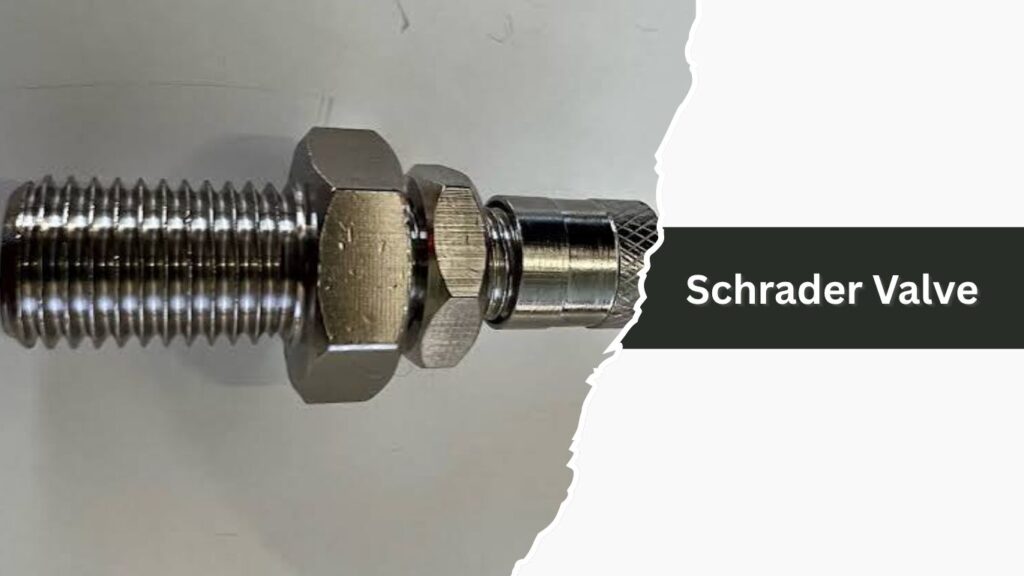
Schrader isn’t just a valve brand — it’s the inventor of the modern pneumatic tire valve, patented by August Schrader in 1844. Today, “Schrader valve” is used almost generically to describe the spring-loaded pin valve found on the vast majority of the world’s cars, but the Schrader company itself remains one of the largest global suppliers of both standard rubber valves and TPMS sensor valve assemblies.
Strengths:
- Universal compatibility — every compressor, gauge, and inflator on the planet is built around the Schrader standard
- Massive OEM footprint across nearly every vehicle brand
- Wide availability in both rubber snap-in and metal clamp-in versions
Trade-offs:
- Because it’s the generic standard, quality varies enormously by grade — genuine Schrader-branded parts perform far better than “Schrader-type” clones
- Not the highest-pressure option (standard rubber versions cap around 100 psi)
Best for: everyday passenger cars, trucks, and motorcycles where universal compatibility matters more than niche performance.
2. Continental
Continental is better known for tires, but its valve and TPMS division is one of the most trusted in the OEM supply chain. Continental valves are frequently specified directly by German and European automakers, particularly for TPMS-integrated valve stems.
Strengths:
- Strong OEM relationships with VW Group, BMW, and other European manufacturers
- High manufacturing precision, which matters for TPMS sealing and sensor accuracy
- Corrosion-resistant coatings suited for aluminum alloy wheels
Trade-offs:
- Typically priced higher than generic Schrader-type valves
- Less common in aftermarket retail — often only available through dealer/OEM channels
Best for: European vehicles with factory TPMS systems, where sensor accuracy and long-term wheel protection are priorities.
3. TRW
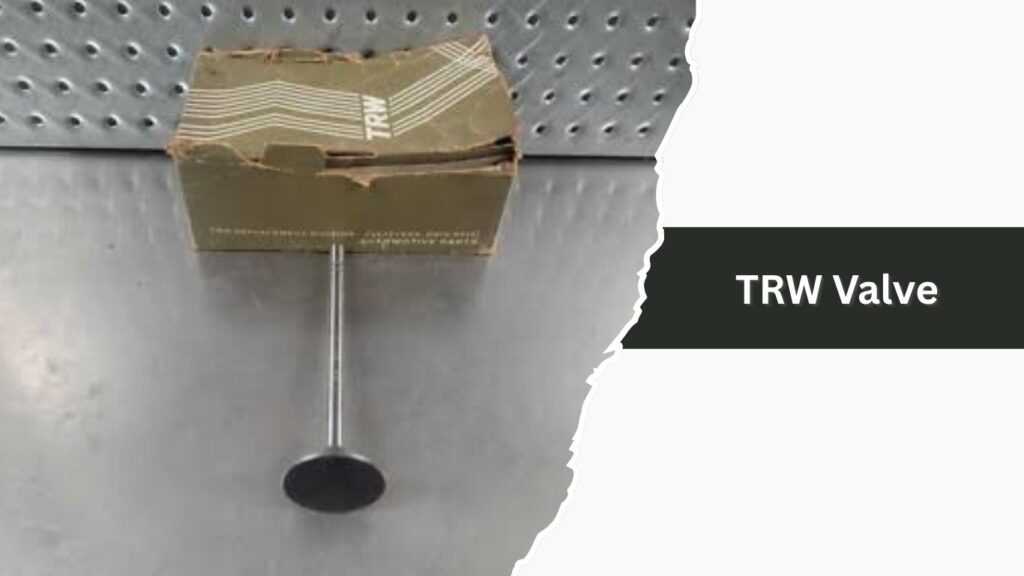
TRW (now part of ZF Group) is a major global supplier of automotive safety and chassis components, and its valve stems — including TPMS clamp-in assemblies — are widely used as both OEM and high-quality aftermarket replacements. TRW is less of a household name to everyday drivers, but workshops and fleet technicians recognize it as a dependable mid-to-premium tier.
Strengths:
- OEM-grade construction at a more accessible price point than some premium brands
- Solid presence in the TPMS clamp-in and rubber snap-in categories
- Reliable performance across a broad range of vehicle types, not just one manufacturer ecosystem
Trade-offs:
- Less brand recognition among consumers, so it’s easy to overlook at the parts counter
- Product range is narrower than Schrader’s near-universal catalog
Best for: workshops and drivers who want OEM-equivalent quality for TPMS replacement without paying luxury-brand pricing.
4. VDO
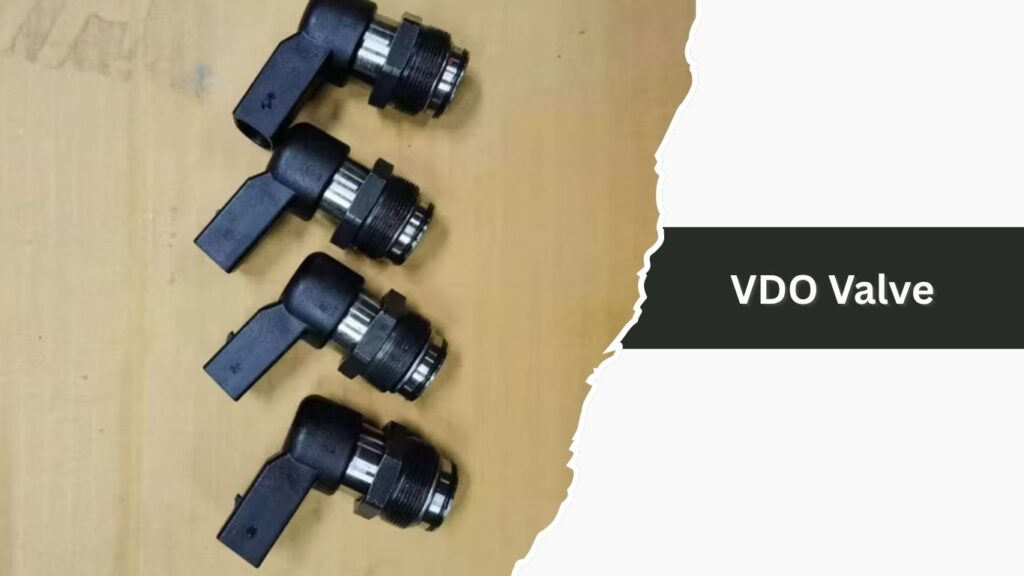
VDO, a Continental subsidiary, specializes heavily in TPMS sensor and valve stem assemblies. If your vehicle has a factory tire pressure monitoring system, there’s a good chance the sensor — or the valve it’s mounted to — carries the VDO name, especially on European and some Asian-market vehicles.
Strengths:
- Deep specialization in TPMS sensor-valve integration, often tighter tolerances than generic replacements
- Frequently used as the OEM-match replacement part for factory TPMS recalibration
- Good corrosion resistance on the nickel-plated cores VDO recommends for aluminum barrels
Trade-offs:
- Narrower focus — VDO isn’t the brand you reach for on a basic rubber snap-in valve with no sensor
- Pricing reflects its TPMS-specialist, semi-premium positioning
Best for: any vehicle where TPMS sensor replacement or recalibration is the main job, not general valve replacement.
Comparison Table
| Brand | Specialty | TPMS Support | Typical Positioning | Best Fit |
|---|---|---|---|---|
| Schrader | Universal standard valve | Yes (rubber & clamp-in) | Budget–Mid | Everyday cars, trucks, motorcycles |
| Continental | OEM European supplier | Yes (strong) | Mid–Premium | European vehicles with factory TPMS |
| TRW | OEM/aftermarket chassis & safety parts | Yes (clamp-in) | Mid | Workshops, OEM-equivalent replacement |
| VDO | TPMS sensor-valve specialist | Yes (primary focus) | Mid–Premium | TPMS sensor recalibration/replacement |
Which One Should You Choose?
- Driving a basic passenger car with no TPMS? Schrader is the safe, universal default — it fits everything and every shop stocks it.
- Driving a European car with factory TPMS? Continental or VDO are the closest match to what came from the factory, and often the exact OEM-specified part.
- Replacing a TPMS valve at a general repair shop, not a dealership? TRW gives you OEM-grade reliability without dealership pricing.
- Just had a TPMS sensor recalibrated or replaced? VDO is worth asking for by name — its sensor-valve integration is purpose-built for this job.
Regardless of brand, one rule applies across the board: pair aluminum TPMS barrels with nickel-plated valve cores, never brass, to avoid galvanic corrosion — a point covered in more detail in our full guide to car tire valve types.
FAQ
Is Schrader the same as a generic tire valve?
Not exactly. “Schrader valve” describes the spring-loaded pin design invented by Schrader, which is now an open industry standard. Genuine Schrader-branded parts are made by the original company, while many other manufacturers — including Continental, TRW, and VDO — also produce valves using the same Schrader-style mechanism.
Which brand does my car manufacturer use?
It depends on the vehicle. European automakers frequently specify Continental or VDO for TPMS valve stems, while many other OEMs across various brands use Schrader or TRW. Check your owner’s manual or ask your dealership parts department for the exact OEM part number.
Can I mix brands — for example, a VDO sensor with a Schrader valve body?
Only if they’re explicitly listed as compatible by the sensor manufacturer. Mismatched valve stem and TPMS sensor combinations are a common cause of pressure reading errors, so always confirm compatibility before installation.
Does a more expensive brand mean a better valve?
Not necessarily — it means a different specialization. Continental and VDO charge a premium largely because of OEM TPMS integration, not because the base rubber or metal is inherently superior to Schrader or TRW for non-TPMS applications.

- Best Bug And Bird Poop Remover For Cars 2026 - September 15, 2026
- Can Vaseline Work As Wd-40? - September 15, 2026
- Best Bug Remover For Bumper 2026 - September 15, 2026