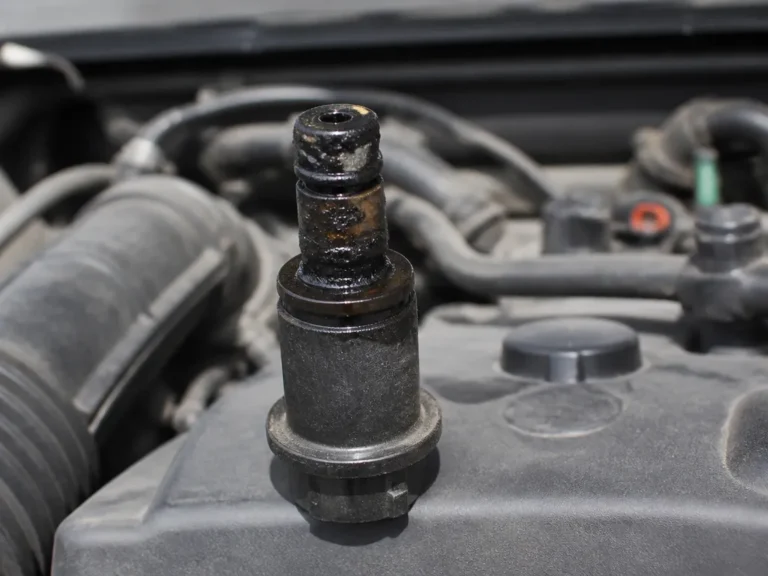
Fix Turbocharger Performance Issues On Your Car

Your turbocharger is underperforming, and you’re not sure why. Maybe it’s not producing enough boost pressure, or perhaps you’re seeing excessive smoke coming from the exhaust. Whatever the issue, you’re here because you’re looking for a solution to get your engine running smoothly again. Upgrading your turbocharger can be a great way to improve performance, but it requires careful consideration to ensure you choose the right upgrade for your vehicle.
Upgrading your turbocharger can provide significant benefits, including increased power and torque, improved fuel efficiency, and enhanced engine reliability. According to various studies, a well-installed turbocharger upgrade can increase horsepower by up to 20% and improve fuel economy by up to 15%. However, it’s essential to choose the right upgrade for your vehicle, considering factors such as engine type, fuel system, and exhaust configuration.
Turbo Upgrade Tips For Maximum Power

Increasing boost pressure through a larger or more efficient turbocharger delivers immediate gains in horsepower and torque by forcing more oxygen into the combustion chamber. This upgrade changes the volumetric efficiency of your engine, allowing it to burn more fuel and produce higher thermal energy. You can expect significant performance improvements, but these gains require supporting modifications to prevent engine failure.
Why Upgrade Your Turbocharger?
Stock turbochargers are designed for a balance of fuel economy, low-end response, and emissions compliance. They often lack the flow capacity needed for high-performance applications or heavy towing loads. Upgrading allows you to move the power band higher in the RPM range or provide more consistent boost across the entire spectrum.
Performance enthusiasts often seek upgrades to overcome the limitations of factory restrictive turbine housings. A larger compressor wheel can move more air volume, which is essential when you also increase fuel delivery. This modification is common in turbocharged platforms like the Subaru WRX, Mitsubishi Lancer Evolution, or even modern diesel trucks.
Signs Your Stock Turbo Needs Replacement
Mechanical failure or wear often manifests through specific audible and physical symptoms. If your engine is underperforming, the turbo might be the culprit.
Mechanic’s Tip: Always check your oil feed lines and catch can when diagnosing turbo issues. Often, a “blown” turbo is actually caused by a clogged oil line starving the bearings of lubrication.
Power Gains Vs. Reliability Trade-offs
Every increase in boost pressure places higher stress on internal engine components. You must weigh the desire for more power against the increased risk of mechanical fatigue.
| Modification Level | Estimated Power Gain | Primary Risk Factor |
|---|---|---|
| Stage 1 (Larger Wastegate/Efficiency) | 10% – 15% | Minimal; mostly heat management |
| Stage 2 (Larger Turbo/Upgraded Intercooler) | 25% – 40% | Increased cylinder pressure and heat |
| Stage 3 (Big Turbo/Built Bottom End) | 50% + | Catastrophic failure without forged internals |
Running high boost on a stock bottom end can lead to cracked ring lands, blown head gaskets, or connecting rod failure.
For instance, if you install a massive turbo on a stock EJ25 engine without upgrading the pistons and rods, the increased cylinder pressure will likely cause a failure under heavy load. Reliability depends on your ability to manage heat and fuel delivery alongside the new air volume.
Oem Vs. Aftermarket Turbo Options
Stock replacement units provide the exact flow characteristics and housing dimensions required by your engine management system to maintain factory performance. These units ensure seamless integration with existing oil lines, coolant plumbing, and exhaust flanges without requiring custom fabrication or software remapping.
Stock Replacement Turbos
Original Equipment Manufacturer (OEM) turbos come from the same production lines that built your vehicle. These parts offer the highest level of reliability and fitment precision because they meet the specific metallurgical and tolerance standards set by the engine manufacturer.
Hybrid And Big Turbo Upgrades
Hybrid turbos utilize an OEM housing profile but contain upgraded internal components like larger compressor wheels or high-flow turbine shafts. These units bridge the gap between stock reliability and increased power, often allowing you to retain factory oil and coolant lines while gaining 20 to 50 horsepower.
Big turbo upgrades replace the entire assembly with a larger frame unit designed for maximum airflow. These setups move the power band higher into the RPM range and require significant supporting modifications, including larger injectors, high-flow fuel pumps, and custom ECU tuning to prevent lean conditions or engine damage.
True performance gains depend on your ability to supply more air and fuel simultaneously. A massive turbo on a stock fuel system creates a dangerous lean condition that leads to catastrophic piston failure.
| Turbo Option | Performance Goal | Required Mods | Cost Estimate |
|---|---|---|---|
| Stock Replacement | Factory Baseline | None | $800 – $1,500 |
| Hybrid Turbo | Moderate Power | Intake/Exhaust/Tune | $1,500 – $2,500 |
| Big Turbo | Maximum Output | Fueling/Internals/Custom ECU | $3,000+ |
Choosing the right path requires an honest assessment of your driving habits. If you use your vehicle for daily commuting, stick with an OEM replacement to avoid the headaches of constant tuning and increased maintenance intervals. If you seek track performance, a hybrid turbo offers the most efficient balance of cost and power without sacrificing the entire drivability of the car.
Tools And Prep For Turbo Installation
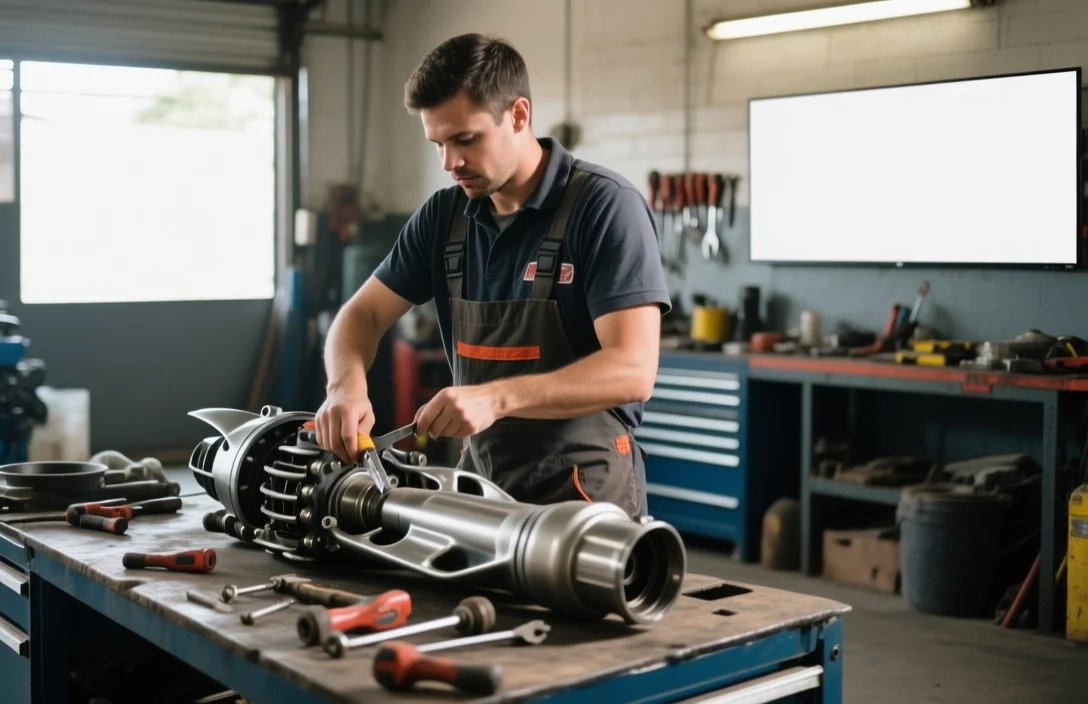
Proper preparation and the right tools are critical for successful turbocharger installation. Missing even one essential tool can cause delays, improper installation, or damage to your new turbo system.
Must-have Tools For The Job
Begin with a comprehensive set of mechanical tools including socket sets (metric and standard), torque wrenches, pliers, screwdrivers, and specialty tools like a turbo installation kit. You’ll also need oil drain pans, gasket scraper, thread locker, and new oil lines specific to your turbo model.
Safety Precautions Before Starting
Working on a turbocharger system requires strict safety protocols. Always disconnect the battery before beginning work to prevent electrical shorts. Wear safety glasses, gloves, and appropriate clothing to protect against hot surfaces and sharp edges.
Pre-installation Engine Checks
Before installing the new turbo, thoroughly inspect your engine for issues that could damage the new unit. Check for oil leaks, damaged exhaust components, and ensure the oil supply and drain passages are clear.
Skipping these pre-installation checks can lead to premature turbo failure. A clean installation environment and proper preparation significantly extend turbocharger life and performance.
Step-by-step Turbocharger Installation
Turbocharger installation requires precision and attention to detail to ensure proper sealing and function. When installing a new turbocharger, it’s essential to follow a systematic approach to avoid any potential issues.
| Step | Description |
|---|---|
| 6 | Reconnect the intercooler piping: Reconnect the intercooler piping to the turbocharger’s outlet, ensuring a secure connection. |
| 7 | Tighten all connections: Double-check all connections to ensure they’re tightened securely. |
When reconnecting the oil, coolant, and intake lines, use a torque wrench to secure the connections. Be sure to consult the manufacturer’s instructions for specific torque specifications.
Common Turbo Upgrade Pitfalls
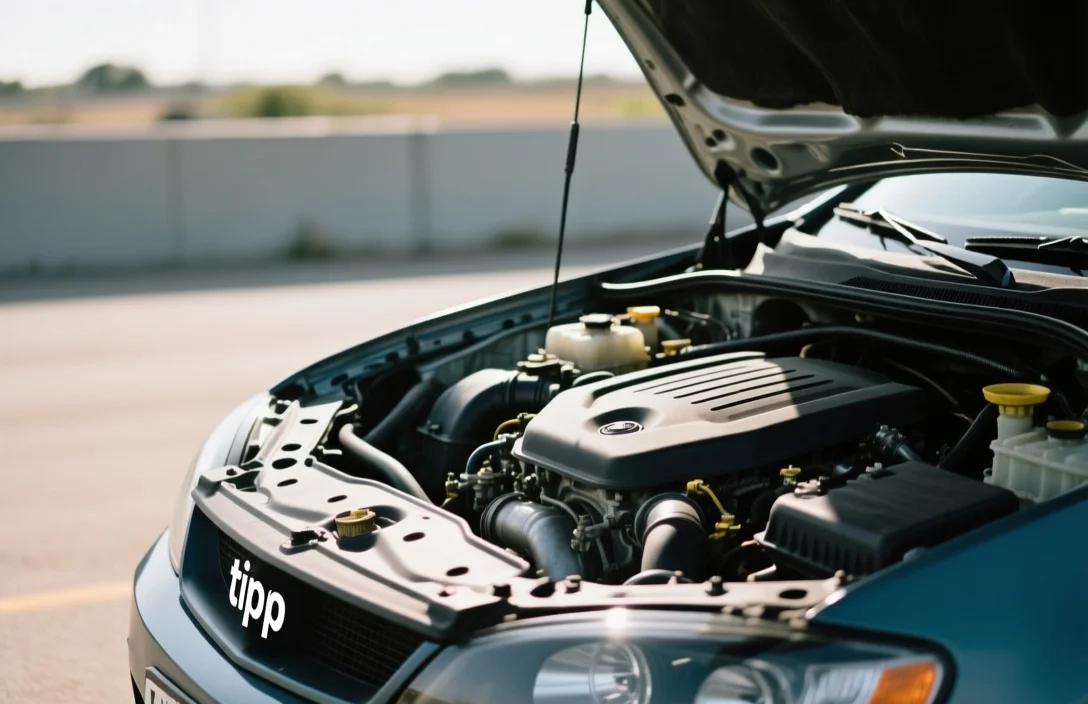
Oil starvation destroys a new turbocharger within seconds of initial startup. Most failures occur because the installer fails to prime the center housing rotating assembly with clean engine oil before connecting the feed line. A dry start creates metal-to-metal contact on the bearings, leading to immediate shaft play and catastrophic seal failure.
Boost Leak Detection
Boost leaks cause the engine control unit to compensate for unmetered air, often resulting in rich running conditions or limp mode. These leaks commonly originate at poorly seated silicone couplers, loose T-bolt clamps, or cracked intake manifold gaskets.
Improper Break-in Procedures
New turbochargers require a specific break-in phase to allow the piston rings and journal bearings to seat correctly. Skipping this process leads to excessive oil consumption or premature bearing wear under high-load conditions.
| Phase | Duration | Action |
|---|---|---|
| Initial Run | 20 Minutes | Idle check for leaks, verify oil pressure, and check for unusual noises. |
| Heat Cycles | 500 Miles | Avoid sustained wide-open throttle, vary engine RPM, and allow for full cool-down periods. |
| Final Inspection | Post-Break-in | Change oil and filter, then inspect all piping for signs of weeping or looseness. |
Pro Tip: Always replace the oil feed and drain lines when upgrading. Old lines often contain carbon buildup or sludge that restricts flow, starving the new unit of vital lubrication even if the pump is functioning perfectly.
Neglecting the crankcase ventilation system after a turbo upgrade also leads to massive seal failure. High boost pressures can force oil past the turbo seals if the PCV system cannot evacuate blow-by gases efficiently. Ensure your catch can or PCV valve is rated for the increased pressure levels of your new setup.
Tuning After A Turbo Upgrade
A larger turbocharger forces more air into the engine, but the stock ECU calibration expects factory airflow and fuel delivery. Without a tune, the engine runs dangerously lean at wide-open throttle, risking detonation, melted pistons, or turbo failure within minutes. Even mild upgrades like a Stage 1 turbo can push boost beyond the factory fuel pump’s capacity, causing fuel starvation under load.
Why Your Car Needs A Tune Post-upgrade
The factory ECU assumes a specific air-fuel ratio (AFR) and ignition timing for the stock turbo’s airflow. When you install a larger turbo, the engine draws in more air than the ECU accounts for, creating a lean condition.
For example, a 2015 Subaru WRX with a stock TD04 turbo runs around 15 psi, but a VF52 upgrade can push 22 psi – far beyond the stock fuel map’s safe limits. Running this setup without a tune can melt the piston crowns in under 30 seconds of full-throttle driving.
Ignition timing also becomes critical. The stock ECU retards timing as boost increases to prevent knock, but it doesn’t account for the higher cylinder pressures from a larger turbo. A tune adjusts timing to maximize power while keeping combustion temperatures safe. On a 2.0L EcoBoost Mustang, for instance, advancing timing by just 2 degrees at 20 psi can add 30 horsepower, but going too far risks detonation and engine damage.
Dyno Tuning Vs. Handheld Tuners: What Works Best?
Dyno tuning is the gold standard for turbo upgrades because it measures real-world performance and adjusts the ECU in real time. A professional tuner connects the car to a dynamometer, logs AFR, boost, and timing data, then fine-tunes the calibration for optimal power and reliability. For a 350Z with a Garrett GT2860 upgrade, a dyno tune typically adds 60-80 horsepower over a generic handheld tune while maintaining safe AFRs.
Handheld tuners like Cobb Accessport or HP Tuners offer pre-loaded “off-the-shelf” maps for common turbo setups. These are convenient and cost-effective for mild upgrades, but they lack the precision of a dyno tune.
For example, a Cobb Stage 2 map for a 2017 Focus RS might work well with a hybrid turbo, but it won’t account for modifications like an upgraded intercooler or exhaust. If your setup deviates from the tuner’s baseline, a handheld tune can leave power on the table or, worse, run dangerously lean.
For forced-induction builds, a custom dyno tune is worth the investment. A typical session costs $400-$800, but it ensures the engine runs safely at peak power. If you’re on a budget, start with a handheld tuner for mild upgrades, then move to a dyno tune once you’ve finalized your setup.
Monitoring Air-fuel Ratios And Boost Levels
After tuning, you must monitor AFR and boost to confirm the engine runs safely. A wideband oxygen sensor (like the AEM X-Series) logs AFR data, while a boost gauge or digital display (such as the Defi Advance) tracks turbo pressure. For a 2.3L MazdaSpeed3 with a CorkSport turbo, target AFRs should stay between 11.0:1 and 11.5:1 under full load to prevent lean conditions.
Boost creep is another risk with larger turbos. If the wastegate can’t bypass enough exhaust gas, boost can spike beyond safe levels.
For instance, a 2006 Evo IX with a big turbo might see boost creep from 25 psi to 30 psi in third gear, risking engine damage. A tune can adjust wastegate duty cycle to control boost, but you’ll still need to monitor it with a gauge or data logger.
Log data during spirited driving to spot issues before they cause damage. Most tuners provide a base map with target AFRs and boost levels – compare your logs to these targets. If you see AFRs leaner than 12.0:1 or boost spikes beyond 10% of your target, revisit the tune immediately.
Troubleshooting Turbo Problems
Low Boost Pressure: Causes and Fixes
Low boost pressure can be caused by clogged air filters, faulty wastegate solenoids, or dirty turbo bearings. A clogged air filter can restrict airflow, while a faulty wastegate solenoid can prevent the turbo from spooling up correctly.
Excessive Smoke from the Exhaust
Excessive smoke from the exhaust can be caused by worn piston rings, oil leaks, or a malfunctioning turbocharger. Worn piston rings can allow engine oil to enter the combustion chamber, while an oil leak can cause the turbocharger to overheat.
Turbo Lag: Is It Normal or a Problem?
Turbo lag can be caused by a variety of factors, including a mismatched turbocharger and engine, or a low-compression engine. A mismatched turbocharger and engine can cause the turbo to spool up too slowly, while a low-compression engine can make it difficult for the turbo to produce boost.
| Causes | Fixes |
|---|---|
| Mismatched turbocharger and engine | Upgrade to a higher-compression engine or a larger turbocharger. |
| Low-compression engine | Upgrade to a higher-compression engine or use a turbocharger with a higher maximum boost pressure. |
Safety Considerations
When working with turbochargers, it’s essential to take safety precautions to avoid injury or damage to the engine. Always wear protective gear, including gloves and safety glasses, and ensure the vehicle is on a level surface before starting work. If you’re unsure about any aspect of the repair, consult a professional mechanic for assistance.
Quick Summary
Unfortunately, there is a lack of reliable information on “u0074 tipop”, making it challenging to provide specific advice or guidance.
| Information | Availability |
|---|---|
| Repair costs | Uncertain |
| Official manual | Not found |
| Symptoms and causes | Unknown |
Frequently Asked Questions
What Are The Symptoms Of A Faulty U0074 Tipop System In A Vehicle?
The symptoms of a faulty u0074 tipop system may include unusual engine noises, rough idling, and decreased fuel efficiency. It’s essential to have a professional mechanic diagnose the issue, as it may be related to other components such as the fuel system or engine management system.
Can I Repair A U0074 Tipop System Myself, Or Do I Need A Professional Mechanic?
While it’s possible to repair a u0074 tipop system yourself, it’s highly recommended to seek the help of a professional mechanic, especially if you’re not familiar with the system. The repair may require specialized tools and expertise to ensure the job is done correctly and safely.
How Much Does It Cost To Repair A U0074 Tipop System?
The cost of repairing a u0074 tipop system can vary depending on the extent of the damage, the type of vehicle, and the location where you live. However, on average, the repair cost can range from $500 to $2,000, depending on the complexity of the job.
Is A Faulty U0074 Tipop System A Safety Issue?
Yes, a faulty u0074 tipop system can pose a safety risk if it’s not addressed promptly. The system plays a critical role in fuel management, and any issues with it can lead to decreased fuel efficiency, rough engine performance, and potentially even engine failure.
How Do I Know If My U0074 Tipop System Is Working Properly?
To determine if your u0074 tipop system is working properly, you can check the vehicle’s fuel efficiency, engine performance, and emissions levels. If you notice any unusual issues or symptoms, it’s essential to have a professional mechanic inspect the system and perform any necessary repairs.
Can A U0074 Tipop System Failure Cause Other Problems In My Vehicle?
Yes, a u0074 tipop system failure can cause other problems in your vehicle, such as decreased fuel efficiency, rough engine performance, and potentially even engine failure. It’s essential to address any issues with the system promptly to prevent further damage and costly repairs.

- Top 10 Best Battery Tester Automotive 2026 - October 20, 2026
- Top 10 Best Battery Tender For Motorcycle Battery 2026 - October 20, 2026
- Top 10 Best Battery Rotary Tool 2026 - October 20, 2026