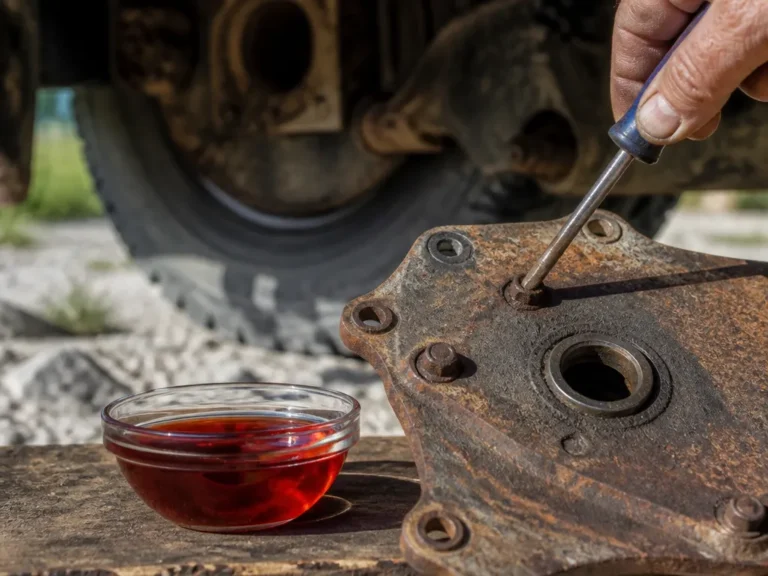
What Is The Absolute Best Penetrating Oil?

Gsico Deep Penetrating Oil is my top one-bottle pick for seized hardware. Kroil is the better choice when fast creep matters and you can reapply often. PB Blaster delivers strong results for less money, especially on automotive fasteners. For difficult metal-to-metal joints where you have limited access to tools, an ATF plus acetone mix can be effective if handled safely.
Penetrating oil works by creeping into the gap, carrying solvents that loosen surface rust, then leaving behind lubrication that reduces friction. For stubborn fasteners, think in hours rather than minutes. Plan on several applications over 12 to 24 hours, keeping the surface wet with the oil.
Key Takeaways
- Best overall pick. Gsico Deep Penetrating Oil is my top one-bottle choice for seized hardware.
- Best for speed. Kroil is the go-to when you can reapply often and need movement fast.
- Best for budget. PB Blaster works well, especially for automotive-style fasteners.
- Best for heavy heat. ATF plus acetone can help on stuck metal-to-metal joints where heat is limited.
- Most important method. Wet the area, wait 12-24 hours, then add heat and controlled impact if needed.
- Avoid the wrong stuff. Thick oils should not be your first attempt because they do not creep into tight rust gaps.
What Makes One Penetrating Oil Better Than Another?
Penetrating oil earns the “best” label only when it matches the failure you are trying to fix. A bolt seized by moisture and oxidation usually responds to a low-viscosity product that can creep into the corrosion layer. A bolt stuck from overtightening, thread deformation, or galvanic corrosion may need chemical help combined with mechanical force.
The oil’s behavior matters more than its marketing. Penetrants typically combine a solvent component, which helps dissolve surface rust and displace moisture, with a lubricating base that reduces friction after the joint starts moving. A product that does not creep well will sit on top of the rust and accomplish little.
The working environment also changes the best choice. A common penetrant may be enough for an indoor fastener with light corrosion. Outdoor hardware exposed to dust, salt, and heavy rust usually benefits from a product with a more persistent film, along with enough time to work.
How to Rank Penetrating Oils
I rank penetrating oils by three practical traits: how well they creep into tight gaps, how consistently they loosen stuck hardware, and how useful they remain after the lighter solvent fraction evaporates. Reapplication is part of the process, not a sign that the product has failed.
The decision points that matter most are:
- Creep and wetting. The best products flow into the seam around threads and beneath corrosion.
- Solvent strength. The formula should help lift rust and displace water, rather than simply coat the surface with oil.
- Lubrication after penetration. Once the part begins moving, lubrication reduces friction and helps prevent renewed binding.
- Smell and residue. Some products leave a thicker film, which may protect outdoor hardware but create more cleanup.
- Use-case fit. Automotive fasteners, pipe fittings, and equipment bolts present different access, corrosion, and damage risks.
The best penetrating oil is the one you will apply to the correct interface, leave in place long enough to work, and reapply when necessary – not necessarily the one with the loudest label.
What works in practice
Clean the joint enough to remove loose scale without polishing away the corrosion you need the oil to reach. Brushing off heavy flaking rust improves access to the corrosion interface. Spray directly on the joint line and exposed threads whenever possible.
Use controlled heat and impact only after the oil has had time to soak. Moderate heat can expand the metal and help draw the oil deeper as the gap changes, but excessive heat can burn off volatile solvent components. A light hammer tap can transfer energy into the thread interface after the penetrant has softened the rust.
With automotive or equipment fasteners, apply the oil, wait, and then try a quarter-turn. Avoid starting with maximum force. A hard pull can stretch a stud or twist off a brittle bolt before the corrosion bond gives way. Back off, reapply, and repeat.
Quick “Don’t Waste It”
- Spray the seam, not only the head or outer surface.
- Reapply every few hours for heavy seizures.
- Add heat moderately if safe, then reapply oil afterward.
- Use the right wrench feel. Small incremental attempts beat one big yank.

Helpful pick
Kroil Original Penetrating Oil with SprayTech 360° Nozzle & Straw (Aerosol Spray-13oz Can-Single) | Every Drop, Every Angle, Even Upside Down | Penetrant for Rusted Bolts, Hinges, Chains (KS132ST)
Kroil is widely considered the gold standard for mechanics because its unique formula creeps into the tightest, most rusted metal threads.
Why the Right Penetrant Saves Time and Parts
A good penetrating oil can reduce the torque required to free a fastener. That lowers the chance of rounding the head, snapping a stud, or tearing threads from aluminum or cast components.
It also limits collateral damage. When the penetrant works, you may need fewer aggressive heat cycles and less violent impact. That matters around fragile assemblies, thin-wall housings, seals, and nearby components that can be damaged by excessive heat.
The problem may involve rust, moisture, corrosion byproducts, friction, or several of them at once, so the right product and a patient process remain useful when the exact cause of the seizure is unclear.
Best Penetrating Oils to Buy in the United States
These options are ranked by real-world usefulness: creep, consistency, performance on stuck hardware, and practicality for repeat use.
| Penetrating Oil | Key Spec/Behavior | Best For | Typical Tradeoff |
|---|---|---|---|
| Gsico Deep Penetrating Oil | Designed for deep creep into seized joints | Overall best single-bottle pick | May require longer dwell than “fast” products |
| Kroil | Known for excellent creeping action | Quick breakthrough when you can wait and reapply | Often costs more than basic spray oils |
| PB Blaster | Strong all-around automotive penetrant | Budget-friendly seized automotive hardware | Can be messy and still needs time |
| ATF + acetone mix | ATF is thin; acetone carries it into gaps | Metal-to-metal joints with limited time to buy tools | Mix needs care, fumes, and safe handling |
| Marine/long-acting penetrants (varies by brand) | More persistent film | Outdoor hardware, salt-corroded fasteners | Some are thicker and may not creep as fast |
Marine penetrants remain a broad category because their formulations vary by brand. Check viscosity and intended use before buying. For one general-purpose answer, start with Gsico Deep Penetrating Oil. Choose Kroil when faster-feeling creep is worth the higher cost.

Helpful pick
PB Blaster Penetrating Oil Spray, 11 oz Aerosol Cans (2-Pack) – Rust Remover & Bolt Loosener for Stuck Nuts, Bolts & Rusted Parts – Penetrating Catalyst for Automotive & Mechanical Use
A reliable and widely available choice for automotive use, this two-pack offers great value for loosening stuck bolts.
How to Get Better Results From Any Penetrating Oil
If the bolt still will not move, use a light hammer tap around the head or on the wrench in the direction of removal after the oil has had time to work. This can shock the interface without immediately applying the full force of a breaker bar. It is especially useful on parts with some flexibility, such as suspension hardware.
Once the fastener moves, wipe away residue and chase the threads if possible. Corrosion left in the threads can prevent clean seating and make the next removal harder.
A strong penetrant is not automatically safe for every surrounding material. Solvent-heavy products can affect plastics, sensors, and painted surfaces. Mask nearby components, apply carefully, or test a small area first. Use extreme caution with heat around anything flammable or heat-sensitive.
Which Penetrating Oil Fits Each Job?
For a seized engine-bay bolt, PB Blaster is a sensible cost-conscious choice, while Gsico is the better pick when I want the strongest one-bottle option. After the second or third application, try a small turn and tap lightly if necessary. Increase force only after the bolt shows actual movement.
Older outdoor equipment and chain-link gate hinges often face salt, oxygen exposure, and years of moisture. A marine-oriented penetrant can help because its film is intended to remain useful on dirty, wet surfaces. Repeated applications over a day usually beat any “miracle spray” approach when the part is genuinely seized.
For a plumbing-style fitting, the penetrant must reach the threaded gap rather than merely slicking the outside. Gsico can work well, but joint damage remains a risk. Near plastic components, apply carefully and avoid extreme heat until you know exactly what is nearby.
The practical test is simple: check for even a little movement. If the bolt starts turning 5-15 degrees after dwell time, the product and process are working. If it remains completely solid, extend the dwell time, reapply, and then consider heat plus controlled impact.

Helpful pick
Kroil Aerokroil Penetrant – Rust Penetrating Lubricant – Corrosion Inhibitor Oil for Chains, Hinges & Stuck Metal Parts – Home & Industrial Use – Aerosol – 16.5 oz – 1 Pack (KS162)
For heavy-duty engine bay work, this larger aerosol size of Aerokroil provides superior, long-lasting corrosion inhibition.
FAQ
What is the absolute best penetrating oil for seized bolts?
Gsico Deep Penetrating Oil is the best single-bottle pick for most seized-bolt situations because it is made to creep into tight corrosion gaps and keep working through repeated applications. For heavy rust, allow a long dwell period and reapply before trying again with incremental torque.
What penetrating oil works fastest?
Kroil is the fastest-feeling option for many mechanics because it creeps extremely well. Even with a fast product, reapplication and waiting usually improve the result. If you can spare the time, plan for several applications over hours rather than expecting an instant breakthrough.
Is PB Blaster actually worth buying?
PB Blaster is worth buying when you want strong results for the money, especially on automotive-style fasteners. It often works well with a dwell period and reapplication. For a stubborn, high-value bolt where maximum odds matter, Gsico or Kroil is usually the better bet.
How long should penetrating oil sit before trying to remove a bolt?
For stubborn, rusted fasteners, aim for 12 to 24 hours of total dwell time with at least one or two reapplications. Light surface rust may respond sooner, but the overnight window gives the penetrant more time to work. Do not immediately apply maximum force after the first spray.
What is a common mistake when using penetrating oil?
The most common mistake is spraying only the head or outer surface instead of wetting the seam and thread interface. If the oil never reaches the rust gap, it is mostly lubricating the outside rather than breaking the seizure bond.

- Can Vaseline Work As Wd-40? - September 15, 2026
- Best Bug Remover For Bumper 2026 - September 15, 2026
- Fix Vw Tiguan U042900 Error Code - September 15, 2026