Why the Middle Seat Is the Safest for Your Child’s Car Seat

Choosing the safest spot for a car seat can be confusing, especially with various opinions on the best location. The middle seat often stands out as the top choice, but why is that? Understanding the reasons behind this can help ensure your child’s safety during every ride.
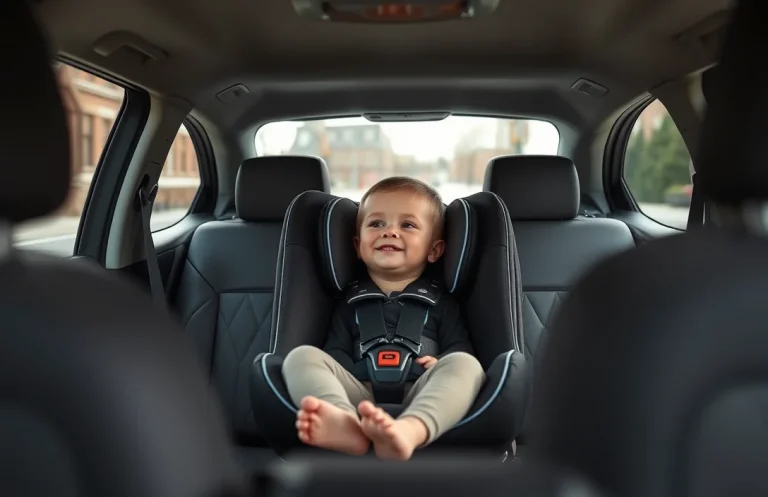
The middle seat is typically the safest option because it is the farthest from potential impacts in a collision. Additionally, it offers better protection from side impacts and allows for easier access to the rear doors, making it simpler to secure your child.
Understanding the Basics
The middle seat in a vehicle is often considered the safest position for a car seat. This section outlines the reasons behind this assertion, focusing on the protective advantages offered by the middle seat. Understanding these factors can help parents and caregivers make informed decisions about child safety in vehicles.
One primary reason the middle seat is safer is its distance from side impacts. In the event of a collision, the sides of the vehicle are more susceptible to damage, and the middle seat provides an added layer of protection. Additionally, the middle seat is often farther from the front of the vehicle, reducing the risk of injury during frontal crashes.
Another factor is the design of most vehicles. Many cars have more extensive safety features, such as side airbags, in the front and rear seats but may lack the same level of protection in the outer seats. The middle seat generally offers a more secure installation for car seats, as it allows for better anchoring options, such as LATCH systems or seat belts, which enhance stability during travel.
Overall, positioning a car seat in the middle seat can significantly increase a child’s safety during car rides. Understanding these advantages is crucial for anyone responsible for transporting children safely.
Key Concepts and Fundamentals
The middle seat in a vehicle offers distinct advantages for securing a car seat. Understanding these benefits is vital for ensuring the safety of child passengers. The middle seat’s positioning and structural characteristics contribute significantly to its status as the safest option for car seats.
One primary reason the middle seat is considered the safest is its distance from potential impact zones. Side collisions pose a significant risk, and the middle seat is farthest from the doors, providing a buffer against side impacts. This positioning reduces the likelihood of injury from collisions with other vehicles or objects.
Additionally, the middle seat is often more stable during sudden stops or abrupt maneuvers. The car’s center of gravity is typically located in the middle, which helps in distributing forces evenly during a crash. This stability can be crucial for a car seat, as it helps keep it securely in place, minimizing movement that could lead to injury.
Moreover, many vehicles come equipped with additional safety features in the middle seat area, such as advanced seatbelt systems and airbag placements. These features can enhance the overall protection of a child seated in that position, making it a preferred choice for parents and caregivers.
How It Works
The middle seat is often highlighted as the safest position for a car seat due to several key factors that enhance protection during a collision. Understanding these aspects can inform better choices for child safety in vehicles.
One primary reason the middle seat is safer is its distance from the side impact zones. In the event of a side collision, the outer seats are directly exposed to potential danger, while the middle seat provides a buffer. This positioning reduces the likelihood of injury from side impacts.
Additionally, the middle seat often has a lower risk of being affected by rear-end collisions. The structural integrity of the vehicle’s design typically places the middle seat further from the rear, where the impact may be strongest. In some vehicles, the middle seat also comes with additional safety features, such as enhanced seat belts and anchoring systems, which further secure the car seat.
Moreover, the middle seat allows for better weight distribution within the vehicle, which can enhance stability during sudden stops or swerves. This positioning can prevent the car from tipping or rolling in extreme situations, offering an added layer of safety for children in car seats.
Benefits and Advantages
The middle seat in a vehicle offers several advantages when it comes to safety for a car seat. This section highlights the primary reasons why this position is considered the safest for securing child passengers. Understanding these benefits can help caregivers make informed decisions regarding car seat placement.
One significant benefit of the middle seat is its distance from potential impact zones. In the event of a collision, the outer seats are more susceptible to side impacts, while the middle seat is positioned away from the doors. This positioning reduces the risk of injury during side crashes.
Additionally, the middle seat often provides a more stable installation for car seats. Many vehicles feature a center seat with a dedicated lower anchor system, making it easier to secure the car seat tightly. A well-installed car seat minimizes movement, which is crucial for child safety during travel.
Furthermore, situating a child in the middle seat allows for better visibility for the driver, enhancing overall safety. The driver can monitor the child while focusing on the road ahead. This placement can also reduce distractions, contributing to safer driving conditions.
Lastly, having a child in the middle seat can promote better access for caregivers. It allows for easier loading and unloading, facilitating smoother transport and ensuring that safety checks can be performed efficiently.
Practical Applications
Understanding why the middle seat is the safest position for a car seat can guide parents and caregivers in making informed decisions about child safety in vehicles. This section outlines practical applications that stem from this knowledge, ensuring that children are secured in the safest way possible.
Statistically, the middle seat reduces the risk of injury during a collision. This position is furthest from the point of impact, whether it be a side or front-end collision. Parents should always prioritize placing their child’s car seat in the middle seat whenever possible. If your vehicle has a rear seat with a dedicated LATCH system for the middle seat, it is essential to use it, as it allows for optimal installation and safety.
Additionally, it is crucial to ensure that the car seat is compatible with the vehicle’s specifications. Some vehicles may lack adequate space or anchor points in the middle seat, so reviewing the owner’s manual for both the car and the car seat is necessary for proper installation. Regularly check for recalls on car seats to ensure that your equipment remains safe and reliable.
In cases where the middle seat is unavailable, or if there are multiple children in the back, placing the youngest child in a rear-facing car seat in the back seat, preferably behind the driver’s side, can also offer enhanced safety.
Expert Tips and Best Practices
Understanding the practical reasoning behind why the middle seat is the safest for a car seat can help parents make informed decisions. This section focuses on key factors that enhance safety when placing a car seat in the middle position.
The middle seat is often considered the safest because it is farthest from potential impact zones during a collision, specifically on the sides of the vehicle. This positioning reduces the likelihood of injury to a child seated in that spot. Additionally, the middle seat typically has a more stable base and is less affected by the vehicle’s crumple zones, which are designed to absorb energy during an accident.
Another advantage of the middle seat is that it allows for better visibility for the driver and reduces distractions. Children seated in the middle are less likely to reach out and distract the driver, promoting a safer driving environment. The installation of car seats in the middle seat may also be easier, as it often has more space and may accommodate different types of car seat bases securely.
Overall, the combination of distance from impact zones, stability, and reduced distractions makes the middle seat the optimal choice for car seat installation. Prioritizing this placement can significantly enhance the safety of young passengers in a vehicle.
Real-World Examples
The middle seat in a vehicle is often considered the safest location for a car seat due to various factors that enhance passenger safety. Understanding these real-world examples can clarify why this position is optimal for securing a child during travel.
1. Crash Test Results: Studies conducted by organizations such as the Insurance Institute for Highway Safety show that children seated in the middle are less likely to be injured in side-impact crashes, which are among the most common types of accidents. The middle seat’s positioning allows for maximum distance from the sides of the vehicle.
2. Distance from Airbags: In vehicles equipped with side airbags, the middle seat provides a greater distance from deploying airbags, reducing the risk of injury from airbag deployment during a collision. This safety feature is particularly relevant for infants and toddlers in rear-facing seats.
3. Best Restraint Positioning: Car seat manufacturers often recommend the middle seat for optimal safety. Many car seats are designed to fit securely in the middle, offering better stability and less movement during an accident.
4. Statistical Evidence: Data from various traffic safety studies indicate that children in the middle rear seat experience significantly fewer serious injuries compared to those in the outboard seats, reinforcing the recommendation for this position.
Getting Started
Understanding the factors that contribute to the middle seat being the safest option for a car seat requires a look at various elements that enhance safety. This section highlights specific reasons that make the middle seat the optimal choice for securing a child in a vehicle.
The middle seat offers the most distance from potential side impacts, which are a leading cause of injury in car accidents. By positioning the car seat in this location, parents can significantly reduce the risk of injury from collisions occurring on either side of the vehicle.
Additionally, the middle seat usually has the lowest likelihood of being impacted by a rear-end collision, as it is further from the back of the car. This positioning provides a buffer zone that enhances the overall safety of the child in the event of an accident.
Another advantage of the middle seat is its proximity to the vehicle’s centerline, which is the strongest part of the vehicle’s structure. This area is designed to absorb more crash energy, thus providing better protection to passengers seated there.
Finally, placing a car seat in the middle seat allows for easier access for parents to monitor and attend to their child without having to reach around other passengers. This accessibility can lead to more frequent checks and adjustments, ensuring the child remains secure throughout the journey.
Quick Summary
The middle seat in a car is often considered the safest position for a car seat due to several key factors. By understanding these elements, caregivers can make informed decisions when it comes to child safety in vehicles. This section wraps up the discussion on the significance of the middle seat in ensuring optimal protection for young passengers.
One primary reason the middle seat is safer is its distance from potential side impacts. In the event of a collision, the outer seats are more susceptible to direct hits, while the middle seat acts as a buffer, providing an added layer of protection. Additionally, the middle seat is usually positioned farther from the front of the vehicle, reducing the risk of injury from frontal collisions.
Another advantage of the middle seat is the enhanced stability it offers. Many car seat models are designed to fit securely in the middle, often leading to a better installation. A correctly installed car seat minimizes the risk of movement during an accident, offering crucial support for the child. Furthermore, having a child in the middle seat allows for easier supervision and access for the driver or front passenger, which is particularly important for ensuring the child’s comfort and safety during travel.
Quick Summary
- The middle seat is generally the farthest from potential impact zones in a crash.
- It provides extra protection from side collisions compared to side seats.
- Placing a car seat in the middle allows for better overall vehicle stability during sudden stops.
- The middle seat typically benefits from a more centralized crash structure of the vehicle.
- It minimizes the risk of ejection in an accident since it is surrounded by doors.
- Installing a car seat in the middle can help keep children away from the door, reducing injury risk.
- Many vehicles have lower anchor points in the middle seat, making installation easier and safer.
Frequently Asked Questions
Why is the middle seat considered the safest position for a car seat?
The middle seat is generally the safest position because it is the farthest from any potential impact during a collision. This position also provides a buffer zone between the vehicle’s side doors, reducing the risk of injury from side-impact crashes.
Does the type of car affect the safety of the middle seat?
Yes, the safety of the middle seat can vary depending on the vehicle’s design. In some cars, the middle seat may not have the same level of protection or the same type of LATCH system as the outer seats, so it’s essential to check the owner’s manual for specific guidelines.
Are there any drawbacks to placing a car seat in the middle seat?
One potential drawback is that some middle seats may be narrower or less comfortable for installation than outer seats. Additionally, securing the car seat correctly can be more challenging if the middle seat lacks proper anchors or has a seatbelt that is difficult to use.
What if my car doesn’t have a middle seat?
If your car does not have a middle seat, the safest alternative is to install the car seat in one of the outer seats, preferably behind the driver’s side. Always ensure the car seat is properly secured and that the vehicle’s seatbelt system is compliant with safety standards.
How can I ensure my car seat is installed correctly in the middle seat?
To ensure correct installation, refer to both the car seat manual and your vehicle’s owner’s manual for specific instructions. It’s also a good idea to have your installation checked by a certified Child Passenger Safety Technician (CPST) for added peace of mind.

- Best Bug And Bird Poop Remover For Cars 2026 - September 15, 2026
- Can Vaseline Work As Wd-40? - September 15, 2026
- Best Bug Remover For Bumper 2026 - September 15, 2026


3 Comments