Why Cyclists Prefer Standard Helmets: Key Reasons Explained

Cyclists often face the question of helmet choice, particularly when it comes to full face helmets. These helmets provide extensive protection but come with their own set of challenges that influence a cyclist’s decision. Understanding these factors is essential for anyone curious about cycling safety.
Many cyclists prefer traditional helmets due to weight, ventilation, and visibility issues. Full face helmets can be heavy, limit airflow, and obstruct peripheral vision, making them less practical for everyday use. This balance between safety and comfort shapes cyclists’ choices.
Understanding the Basics
Many cyclists choose not to wear full face helmets for several reasons, primarily related to comfort, practicality, and safety perceptions. Understanding these reasons helps clarify the choices cyclists make regarding head protection. This section will explore the key factors influencing the decision against full face helmets in cycling.
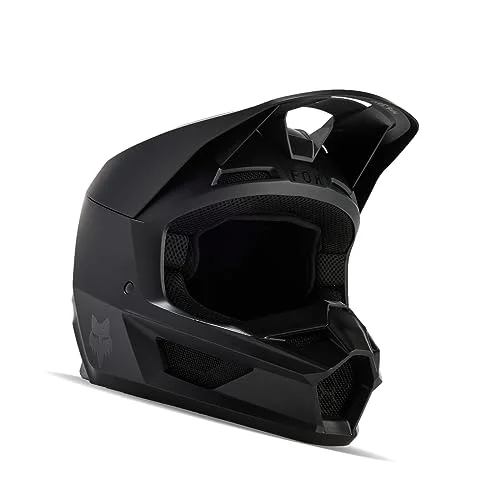
Full face helmets offer maximum protection but can be cumbersome and hot, especially during long rides or in warm weather. Cyclists often prefer lightweight, ventilated helmets that provide sufficient protection while allowing for airflow and comfort. Additionally, full face helmets can restrict peripheral vision and hinder communication with others, which is crucial in group rides or urban environments.
Another significant factor is the cycling culture. Many cyclists view full face helmets as more suited for extreme sports like mountain biking or motocross, rather than road cycling or commuting. This cultural perception affects choices and trends within cycling communities, leading to the widespread use of traditional cycling helmets instead.
Key Concepts and Fundamentals
Factors influencing cyclists’ decisions regarding helmet types are multifaceted. While full face helmets offer superior protection, there are practical reasons why many cyclists opt for alternative styles. Understanding these considerations can shed light on the preferences and safety practices within the cycling community.
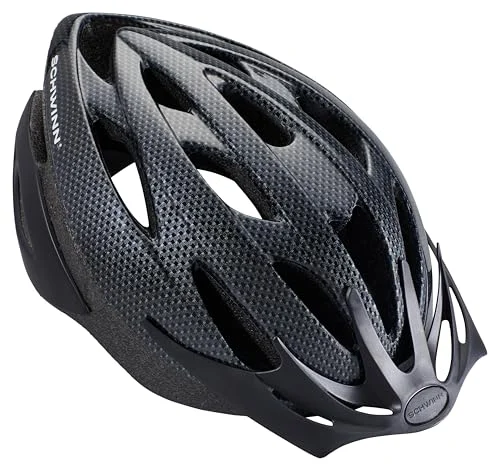
One primary concern is weight and ventilation. Full face helmets are heavier and less breathable than traditional cycling helmets, making them uncomfortable for prolonged wear, especially in warmer climates. Cyclists often prioritize comfort during rides, and a lighter, more ventilated helmet allows for better airflow, reducing heat buildup.
Another factor is visibility and peripheral vision. Full face helmets can restrict a rider’s field of view, making it harder to see surrounding traffic and obstacles. This limitation can increase the risk of accidents, which is a significant concern for cyclists who rely on situational awareness to navigate safely.
Finally, the nature of cycling itself plays a role. Many cyclists, especially those in urban environments, engage in quick stop-and-go movements, requiring helmets that facilitate quick removal and adjustment. Full face helmets are less practical in these scenarios, leading to a preference for more versatile options.
How It Works
Cyclists often opt for open-face helmets instead of full-face helmets for several practical reasons. Understanding these factors provides insight into cyclists’ choices regarding head protection while riding.
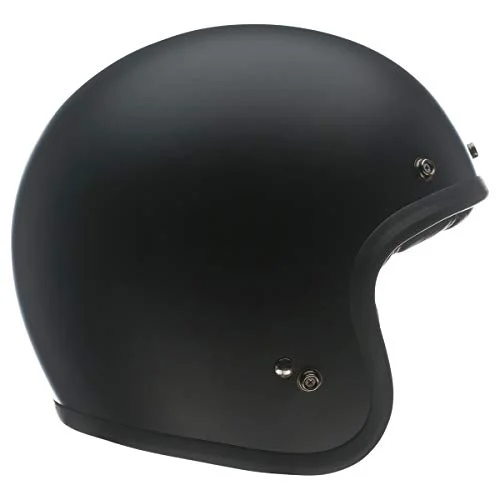
One significant reason is ventilation. Open-face helmets allow for better airflow, keeping cyclists cool during long rides or strenuous activities. Full-face helmets, while providing more coverage, tend to trap heat and can become uncomfortable over extended periods.
Weight is another consideration. Full-face helmets are generally heavier due to their additional materials and structure. Cyclists prefer lighter helmets to reduce neck strain and enhance comfort during rides, especially on longer distances.
Visibility plays a crucial role in cycling safety. Open-face helmets offer a wider field of vision, enabling cyclists to be more aware of their surroundings, which is essential for avoiding obstacles and navigating traffic effectively. Full-face helmets can restrict peripheral vision, potentially increasing the risk of accidents.
Lastly, full-face helmets are often associated with specific types of cycling, such as downhill mountain biking or motocross, where the risk of face injuries is higher. For everyday cycling, many cyclists find that the protection offered by open-face helmets is sufficient for their needs.
Benefits and Advantages
Understanding the reasons why cyclists typically do not wear full-face helmets reveals several critical benefits and advantages that influence their choice of headgear. These factors encompass comfort, visibility, and practicality, which are essential for cyclists in various riding conditions.
One significant advantage of traditional cycling helmets is their lightweight design. Full-face helmets can be heavier and bulkier, making them uncomfortable for long rides. Cyclists often prioritize comfort to avoid fatigue. Visibility is another crucial element; open-face helmets provide better peripheral vision, allowing cyclists to be more aware of their surroundings and react quickly to potential hazards.
Additionally, full-face helmets can trap heat, leading to discomfort during warmer weather. Many cyclists prefer the ventilation provided by standard helmets, which helps regulate temperature. Quick removal is also vital; cyclists often stop for breaks or need to communicate with others. Traditional helmets are easier to take on and off, contributing to a more convenient experience. These practical concerns significantly shape the preferences of cyclists and their helmet choices.
Practical Applications
Understanding the reasons cyclists may avoid full face helmets provides insight into safety and comfort considerations. This section highlights practical implications for cyclists evaluating their gear choices and the potential impact on riding experiences.
Full face helmets, while offering comprehensive protection, can be restrictive and uncomfortable for many cyclists. The enclosed design often leads to increased heat and poor ventilation, making them less suitable for long rides or warm weather. Cyclists prioritize breathability and visibility, especially in urban environments where quick reactions are essential. A full face helmet can limit peripheral vision, affecting a rider’s awareness of their surroundings.
Additionally, the weight and bulk of full face helmets can deter cyclists who prefer lightweight gear for agility and speed. Many cyclists also find them inconvenient for quick stops, as they require removal to eat, drink, or communicate. This practicality issue plays a significant role in helmet selection, especially for those who frequently engage in short trips or commutes.
Ultimately, while safety should always be a priority, the balance between protection, comfort, and practicality influences the choice of helmet among cyclists. Understanding these factors can lead to more informed decisions regarding headgear while cycling.
Expert Tips and Best Practices
Understanding the reasons cyclists opt for different helmet styles is essential for grasping the broader discussion about safety gear. Full face helmets, while providing increased protection, present several drawbacks that influence cyclists’ decisions.
One primary reason is weight and ventilation. Full face helmets tend to be heavier and can restrict airflow, which is crucial during long rides or in warm weather. Cyclists prioritize comfort and breathability, leading them to choose lighter, more open designs.
Another factor is visibility. Full face helmets can limit peripheral vision, making it harder for cyclists to be aware of their surroundings. Good visibility is critical for safety on busy roads or trails, thus many cyclists prefer helmets that allow for better sightlines.
Lastly, cultural norms within cycling communities play a significant role. Many cyclists associate full face helmets with extreme sports rather than traditional cycling, which can discourage their use. The aesthetic appeal and social acceptance of lighter helmets also contribute to their popularity.
Real-World Examples
Understanding the reasons cyclists opt against full face helmets can be illuminated through real-world scenarios. These examples highlight practical considerations influencing helmet choices in various cycling disciplines.
For instance, mountain bikers often face rugged terrains where visibility and airflow are crucial. Many prefer open-face helmets for improved peripheral vision and breathability, essential for navigating tricky trails. A study of competitive mountain biking showed that racers frequently choose half-shell helmets to maintain comfort and reduce overheating during intense rides.
In urban cycling, commuters prioritize convenience. A full face helmet can be cumbersome, making it difficult to quickly remove or adjust when stopping at traffic lights or entering buildings. Cyclists in city environments often select lighter, more portable options that allow swift transitions between cycling and other activities.
Additionally, BMX riders typically wear helmets that allow for greater freedom of movement. The risk of falls is present, yet many riders find that full face helmets restrict head movement and can hinder performance during tricks and jumps. These practical insights reveal why full face helmets are not the go-to choice for all cyclists, as specific needs and contexts dictate helmet preferences.
Getting Started
This final section summarizes the reasons cyclists often opt against wearing full face helmets. While safety is paramount, practical considerations play a significant role in helmet choice among cyclists. Understanding these factors helps clarify the ongoing debate around helmet styles in cycling.
Full face helmets are primarily associated with extreme sports like motocross and downhill mountain biking, where the risk of serious injury is higher and the environment more hazardous. Cyclists, especially those in urban settings or road cycling, prioritize ventilation, weight, and visibility. Full face helmets can be cumbersome, restricting airflow and causing discomfort during long rides.
Another significant factor is the perception of safety and the social norms within cycling communities. Many cyclists feel that traditional helmets provide sufficient protection for the types of riding they engage in, especially in less extreme conditions. Moreover, the practicality of quickly removing or adjusting a helmet makes traditional designs more appealing for everyday use.
Lastly, there’s a balance between safety and practicality. Cyclists often seek helmets that protect without compromising their riding experience. The choice of helmet is ultimately influenced by riding style, environment, and personal comfort, leading many to forgo full face options in favor of more versatile designs.
Quick Summary
- Full face helmets can restrict visibility and airflow, making them less practical for cyclists.
- Cycling environments often involve quick stops and starts, where a full face helmet may be cumbersome.
- Most cycling accidents involve falls rather than impacts to the face, making traditional helmets more suitable.
- Full face helmets are generally heavier and can lead to neck strain during extended rides.
- Many cyclists prefer helmets that allow for better communication and interaction with their surroundings.
- Full face helmets may not meet the specific safety standards for cycling, which differ from those for motor sports.
- Personal comfort and style preferences often lead cyclists to choose lighter, open-face helmets.
Frequently Asked Questions
Why don’t cyclists wear full face helmets?
Full face helmets are primarily designed for extreme sports like motocross, where the risk of face impact is higher. Cyclists often prioritize visibility and ventilation, which full face helmets can limit.
Are full face helmets safe for cycling?
While full face helmets provide more protection, they can also be heavier and less breathable than traditional cycling helmets. This can lead to discomfort and overheating during rides, making them less practical for everyday cycling.
What are the benefits of traditional cycling helmets?
Traditional cycling helmets are designed to be lightweight and well-ventilated, allowing for better airflow and comfort during rides. They also typically provide adequate protection for the head while allowing for greater mobility and visibility.
Do professional cyclists wear full face helmets?
Most professional cyclists do not wear full face helmets because they prioritize speed, aerodynamics, and comfort. However, in specific disciplines like downhill mountain biking, full face helmets are more common due to the increased risk of face injuries.
Can wearing a full face helmet be practical in some cycling situations?
Yes, full face helmets can be practical for specific cycling situations, such as downhill mountain biking or BMX riding, where the risk of crashes and impacts is higher. In these cases, the added protection can outweigh the disadvantages of weight and ventilation.

- Top 10 Best Battery Tester Automotive 2026 - October 20, 2026
- Top 10 Best Battery Tender For Motorcycle Battery 2026 - October 20, 2026
- Top 10 Best Battery Rotary Tool 2026 - October 20, 2026