100 Mile Cycle Ride Training Plan: Start Here

A 100 mile cycle ride training plan runs over 12 weeks. You ride 3 to 4 times per week. Each week adds more miles gradually. You recover every third week.
By week 10 you will ride 80 to 85 miles. Then you taper before race day.
This guide gives you everything else week-by-week schedules, nutrition, pacing, time charts, and answers to the most common training questions.
Who Is This Plan For? This plan suits riders who can already cycle 30 to 40 miles comfortably. If you are starting from scratch, use an 8-week base-building block first. If you have more than 12 weeks, spread the plan across 16 weeks for a more relaxed build.
What Is a 100 Mile Bicycle Training Plan and Why Does It Work?
Most riders try to ride long distances too soon. They burn out, get injured, or just quit.
A structured 100 mile bicycle training plan solves this by building your endurance in layers. The plan works on a simple principle called progressive overload. You stress your body a little more each week. Then you give it time to recover. Your fitness grows in the recovery, not during the hard rides.
A good 100 mile bicycle training schedule follows this cycle every three weeks:
- Weeks 1 and 2 — increase distance and intensity
- Week 3 — drop back 20 to 30 percent for recovery
- Week 10 — reach your peak long ride of 80 to 85 miles
- Weeks 11 and 12 — taper down so you arrive at the event fresh
12-Week Century Training Plan — At a Glance
| Week | Focus | Long Ride | Total Rides | Weekly Miles | Phase |
|---|---|---|---|---|---|
| 1 | Base Fitness | 30 miles (48 km) | 3 rides | 55–65 miles | Build |
| 2 | Endurance Build | 40 miles (64 km) | 3 rides | 70–80 miles | Build |
| 3 | Recovery Week | 28 miles (45 km) | 3 rides | 55 miles | Recover |
| 4 | Power + Endurance | 50 miles (80 km) | 4 rides | 85–95 miles | Build |
| 5 | Stamina Build | 55 miles (88 km) | 4 rides | 95–105 miles | Build |
| 6 | Recovery Week | 40 miles (64 km) | 3 rides | 70 miles | Recover |
| 7 | Long Endurance | 65 miles (104 km) | 4 rides | 110–120 miles | Build |
| 8 | 8-Week Peak | 70 miles (112 km) | 4 rides | 115–125 miles | Build |
| 9 | Recovery Week | 50 miles (80 km) | 3 rides | 80–90 miles | Recover |
| 10 | Peak Long Ride | 80–85 miles (136 km) | 4 rides | 120–130 miles | PEAK |
| 11 | Taper Start | 60 miles (96 km) | 3 rides | 90 miles | Taper |
| 12 | Race Week Taper | 25–30 miles (easy) | 3 rides | 50 miles | RACE |
Weekly Ride Structure: What to Do on Each Day
Riders don’t know how to spread their rides through the week. They either do too much too soon or rest too long between sessions.
Here is the weekly structure that works. It balances stress and recovery across 7 days.
| Day | Session | Duration | Zone | Purpose and What It Fixes |
|---|---|---|---|---|
| Day 1 | Recovery Ride | 45–60 min | Zone 1–2 | Easy spin. Flushes lactic acid. Fixes stiff legs from long rides. |
| Day 2 | Interval Session | 60–90 min | Zone 4 | 6×5 min hard with 3 min easy. Builds cardiovascular power. Fixes slow average speed. |
| Day 3 | Rest / Cross-Train | 30–45 min | — | Yoga, swimming, or core work. Prevents injury. Fixes overuse strain. |
| Day 4 | Tempo Ride | 90–120 min | Zone 3 | Steady sustained pace. Raises lactate threshold. Fixes inability to hold pace. |
| Day 5 | Rest Day | Full rest | — | Complete recovery. Fixes fatigue accumulation before the key session. |
| Day 6 | Long Ride (KEY) | 3–7 hours | Zone 2–3 | The most important session. Builds specific endurance for riding 100 miles on bike. |
| Day 7 | Optional Easy Spin | 30–45 min | Zone 1 | Light spin to stay loose. Skip if tired. Fixes heavy legs on Monday. |
How Hard Should Each Ride Feel?
Use the talk test as your guide.
- Zone 1 to 2 — you can hold a full conversation
- Zone 3 — you can speak in short sentences
- Zone 4 — you can only say a few words before needing to breathe
- Zone 5 — maximum effort, used only in hard intervals
Most beginner mistakes come from riding Zone 3 too often. Keep your easy rides easy. That is what builds endurance for a century ride.
How Long Does It Take to Ride 100 Miles? (Time Chart)
Riders have no idea how long the event will take. Without a time estimate they cannot plan nutrition, support stops, or pacing strategy.
Your finish time depends mostly on your average speed. Here is a 100 mile cycle time chart showing realistic finish times by ability level.
| Rider Level | Average Speed | Est. Ride Time | With Stops | Training Target |
|---|---|---|---|---|
| Beginner | 10–12 mph (16–19 kph) | 8h20m–10h | 9–11 hours | Complete the distance |
| Casual Rider | 12–14 mph (19–22 kph) | 7h–8h20m | 7.5–9 hours | Finish under 9 hours |
| Intermediate | 14–16 mph (22–26 kph) | 6h15m–7h | 6.5–7.5 hours | Finish under 7 hours |
| Experienced | 16–18 mph (26–29 kph) | 5h30m–6h15m | 6–7 hours | Sub-6 hour finish |
| Strong Sportive | 18–20 mph (29–32 kph) | 5h–5h30m | 5.5–6 hours | Fast group pace |
Time Chart Tip: Add 45 to 60 minutes to your pure ride time to account for food stops, mechanical issues, and rest breaks. Most century riders stop 2 to 3 times. Plan your nutrition and rest stops into your time estimate before the event day.
8-Week Century Training Plan: Can You Do It Faster?
Many riders only have 8 weeks to prepare. They worry the standard 12-week plan is too long or they have already missed time.
An 8-week century training plan is possible but only if you can already ride 40 to 50 miles comfortably. If you are starting from a lower base, 8 weeks is too short and increases injury risk significantly.
| Week | 8-Week Plan Focus | Key Difference from 12-Week |
|---|---|---|
| 1–2 | Immediate endurance push — long rides 50–60 miles | No base-building phase. Jumps straight to mid-level mileage. |
| 3 | Recovery week — drop 25% | Same recovery principle applies — non-negotiable. |
| 4–5 | Push long ride to 65–70 miles | Faster progression. Requires existing fitness to absorb the load. |
| 6 | Peak week — 75–80 mile long ride | Peaks 2 weeks earlier. Less room for fatigue management. |
| 7 | Reduced taper — 50–55 miles | Shorter taper. Riders may feel slightly fatigued on race day. |
| 8 | Race week — 20–25 mile easy spin + event | Same race-week approach. Keep legs fresh and trust the training. |
Should You Choose 8, 10, or 12 Weeks?
- Use 12 weeks if you are a beginner or have never ridden more than 50 miles
- Use 10 weeks if you ride regularly and are comfortable at 40 to 50 miles
- Use 8 weeks only if you already ride 50 miles and need a quick build
- Never compress the plan if you are carrying an injury
100km Cycle Training Plan: Is It Different From a 100-Mile Plan?
Some riders confuse kilometres with miles. 100km is 62 miles not 100 miles. That is a very different level of challenge.
| Factor | 100km Ride Plan | 100 Mile Plan |
|---|---|---|
| Distance | 100 km / 62 miles | 160 km / 100 miles |
| Training weeks | 8 to 10 weeks | 12 to 16 weeks |
| Peak long ride | 55 to 65 miles | 80 to 85 miles |
| Average finish time | 3 to 5 hours | 6 to 10 hours |
| Nutrition need | Moderate — 2 to 3 hours fuelling | High — 5 to 8 hours fuelling |
| Weekly volume | 80 to 100 miles at peak | 120 to 140 miles at peak |
| Difficulty level | Moderate to Hard | Hard to Very Hard |
| Beginner ready? | Yes — with 6 to 8 weeks base | Only if already riding 40+ miles |
If your goal is 100km, you can complete the first 8 weeks of the 12-week plan above and stop there. Your training is done. If your goal is the full 100 miles, you need all 12 weeks minimum.
Riding 100 Miles on a Bike: The 5 Biggest Pain Points and Fixes
Pain point: Riders who have never gone beyond 60 miles hit a wall — physically and mentally. Knowing what to expect and how to prevent it is half the battle.
These are the five things that cause most riders to struggle or quit during a century ride — and exactly how to fix each one in training.
| Pain Point | The Fix |
|---|---|
| Hitting the wall at mile 60–70 — energy crashes suddenly | Train your gut to take 60g carbs per hour from week 4 onwards. Practice fuelling on every long ride. |
| Saddle soreness after 3 hours — can’t sit comfortably | Increase long ride time gradually. Use chamois cream from week 1. Get a proper bike fit before week 4. |
| Legs seize up — can’t maintain any pace in the last 20 miles | Build long ride endurance slowly. Never skip recovery weeks. Practise negative splits in training. |
| No idea what pace to start at — go too fast and blow up | Use the talk test for the first 50 miles. Aim for conversational pace. Speed up only in the final 20 miles. |
| Mental breakdown — 50 miles still to go and you want to stop | Break the ride into 25-mile segments mentally. Celebrate each one. Train yourself on 5-hour+ rides to build mental durability. |
Nutrition Plan for Riding 100 Miles on a Bike
Riders under-fuel or over-hydrate. Both destroy performance. Many riders do not practise nutrition during training and then suffer badly on event day.
Nutrition is your fourth discipline after fitness, pacing, and equipment. Get it right in training. Never try new food or drinks on event day.
Before the Ride: What to Eat
Eat a balanced meal 2 to 3 hours before you start. Focus on complex carbohydrates with moderate protein and low fat. High-fat or high-fibre foods slow digestion and cause GI distress on the bike.
- Oats with banana and honey — slow-release energy for the first 2 hours
- Wholegrain toast with eggs — protein and carbs combined
- Rice with grilled chicken — works well the night before for glycogen loading
- Avoid: greasy food, high-fibre vegetables, excessive caffeine before riding
During the Ride: Fuelling Every Hour
| Ride Duration | Carb Target | Food Options | Water Target | Electrolytes |
|---|---|---|---|---|
| 0–60 min | 0–20g carbs | Water only fine | 500 ml | Not needed |
| 60–90 min | 30g carbs/hour | 1 banana or 1 energy bar | 500–750 ml | Optional |
| 90 min–3 hrs | 45g carbs/hour | Bar and gel alternating | 500–750 ml | Add to bottle |
| 3–5 hours | 60g carbs/hour | 2 gels and real food each hour | 500–750 ml | Essential every 45 min |
| 5–7+ hours | 60–90g carbs/hour | Real food — rice cakes, wraps | 500–750 ml | Essential each stop |
After the Ride: Recovery Nutrition
Eat within 30 to 45 minutes of finishing. Your muscles absorb nutrients fastest in this window. Aim for a 3:1 ratio of carbohydrates to protein.
- Chocolate milk — proven recovery drink with ideal carb-to-protein ratio
- Rice and chicken with vegetables — complete recovery meal
- Greek yoghurt with banana and granola — quick and easy option
- Aim for 1.2g protein per kg of body weight on heavy training days
Hydration Warning: Do not drink water only on long rides. After 2 hours, you lose sodium through sweat. Without electrolytes, you risk hyponatraemia — a dangerous drop in blood sodium. Add electrolyte tablets or use an electrolyte drink for all rides over 90 minutes.
10-Week Cycling Training Program: How to Adjust the Plan
A rider has 10 weeks available — not 8 and not 12. They need a middle-ground version that is neither too rushed nor too drawn out.
A 10-week cycling training program uses the same structure but compresses the middle build phase. Here is how to adapt the 12-week plan to 10 weeks:
- Remove Week 2 of the first build block — go straight from Week 1 to the Week 3 recovery week
- Combine the second build block into 3 weeks instead of 4 — push long rides slightly faster
- Keep the peak long ride week and both taper weeks exactly the same
- Add one extra rest day per week if fatigue accumulates faster than expected
The most important sessions in a 10-week plan are the long rides on Day 6. Never skip these. If you have to cut a session, cut a midweek ride — not the long weekend ride.
Pacing Strategy for Riding 100 Miles: Start Slow, Finish Strong
Pain point: Riders start too fast because adrenaline takes over. They pay for it badly in miles 60 to 80. This is the single most common reason riders suffer in the last third of a century.
Pacing a 100-mile ride is about controlling yourself when everything in your body wants to go fast.
| Miles | Target Effort | Heart Rate Zone | Strategy and Tip |
|---|---|---|---|
| 0–25 | Easy — conversational | Zone 2 | Resist the urge to push. Let faster riders go. Conserve glycogen. Eat your first snack at mile 15. |
| 25–50 | Comfortable endurance | Zone 2–3 | Maintain steady rhythm. Fuel every 30 to 45 min. Take on electrolytes. Small hills at Zone 3 are fine. |
| 50–70 | Steady tempo | Zone 3 | Effort begins to feel moderate. Stay aero on downhills. Keep eating. Do not surge. |
| 70–85 | Push slightly harder | Zone 3–4 | Use stored energy from your conservative start. Push on flats. Back off on long climbs. |
| 85–100 | Controlled finish push | Zone 3–4 | Leave it all on the road — but stay controlled. Sprint only on the final mile. |
The Negative Split Rule
A negative split means your second half is slightly faster than your first half. This is the gold standard for pacing long endurance rides. Train this deliberately. In your long training rides, aim to cover the last quarter faster than the first quarter. It feels uncomfortable early on. But it pays off on event day.
Equipment Checklist for a 100 Mile Cycle Ride
Pain point: Riders under-prepare their equipment. A mechanical failure at mile 40 with no tools ends the ride. A saddle that fits poorly causes pain before mile 30.
You do not need the most expensive gear. You need reliable, tested equipment. Everything below should be used in training first — never try new kit on event day.
| Category | What You Need | Why It Matters |
|---|---|---|
| Bike and Fit | Properly fitted road or gravel bike. Bike fit done before training starts. | Prevents saddle pain, back pain, and knee injury over long hours |
| Tyres | 25 to 32mm tyres inflated to correct PSI. Carry 2 spare inner tubes. | Pinch flats and blowouts are the most common mechanical on century rides |
| Nutrition Kit | 3 to 4 full bidons, pockets or frame bag for food, 4–6 gels and 2 bars minimum. | Never run out of fuel or water mid-ride |
| Clothing | Padded bib shorts, moisture-wicking jersey, arm warmers, gilet or light jacket. | Temperature regulation over 5 to 8 hours is critical |
| Safety | Helmet, lights front and rear, high-vis vest, ID and emergency contact. | Visibility and safety — non-negotiable |
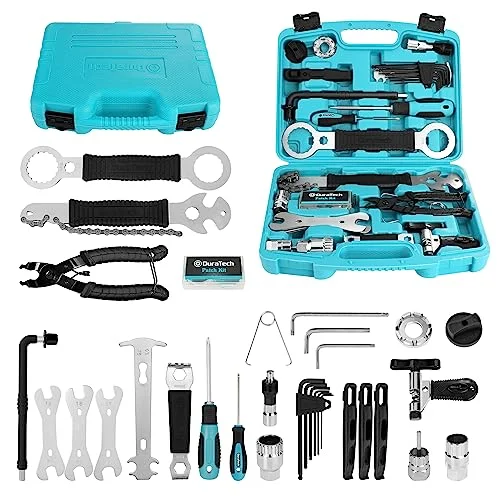
| Repair Kit | 2 inner tubes, tyre levers, mini pump or CO2, chain link, multitool, puncture patches. | Mechanical issues happen. Being self-sufficient keeps you riding |
| Electronics | GPS bike computer or cycling app. Optional: heart rate monitor and power meter. | Pacing accuracy — avoid riding blind and either under- or over-cooking your effort |
12-Week Century Training Plan: Week-by-Week Long Ride Guide
Pain point: Riders know they need to do long rides but don’t know exactly how far to ride each week. Doing too much causes injury. Too little leaves them underprepared.
This is your long ride progression for all 12 weeks. The long ride on Day 6 is the most important session of the week. Protect it above everything else.
| Week | Long Ride Distance | Target Time on Bike | Nutrition Focus | Phase |
|---|---|---|---|---|
| 1 | 30 miles (48 km) | 2.5–3 hours | Water and 1 snack at 90 min | Base |
| 2 | 40 miles (64 km) | 3–3.5 hours | 30g carb/hour from mile 10 | Build |
| 3 | 28 miles (45 km) | 2–2.5 hours | Easy. Test new nutrition. | Recover |
| 4 | 50 miles (80 km) | 3.5–4.5 hours | 45g carb/hour. Add electrolytes. | Build |
| 5 | 55 miles (88 km) | 4–5 hours | Fuel every 30 min religiously | Build |
| 6 | 40 miles (64 km) | 3–3.5 hours | Relaxed. Enjoy the ride. | Recover |
| 7 | 65 miles (104 km) | 4.5–6 hours | 60g carb/hour. 2 food stops. | Build |
| 8 | 70 miles (112 km) | 5–6.5 hours | Full event-day nutrition simulation | Build |
| 9 | 50 miles (80 km) | 3.5–4.5 hours | Easy. Focus on recovery ride feel. | Recover |
| 10 | 80–85 miles (136 km) | 6–8 hours | Full nutrition plan. Race simulation. | PEAK |
| 11 | 60 miles (96 km) | 4–5.5 hours | Lighter fuelling. Legs feel good. | Taper |
| 12 | 25 miles (40 km) | 2 hours max | Easy spin. Rest and stay loose. | Race Week |
Frequently Asked Questions About the 100 Mile Cycle Ride Training Plan
How long does it take to train for a 100-mile bike ride?
Most beginners need 12 to 16 weeks of structured training. If you can already ride 40 miles comfortably, 12 weeks is enough. If you are new to cycling, allow 16 weeks. Rushing the training is the top cause of injury and burnout before the event.
Can a beginner ride 100 miles on a bike?
Yes — with the right training plan. Most healthy adults can complete 100 miles after 12 weeks of consistent training. You do not need to be a competitive cyclist. You need to follow the plan, build gradually, and fuel correctly. Finishing a century ride is a matter of strategy, not just fitness.
What is the hardest part of riding 100 miles?
Miles 60 to 80 are the hardest. By this point, your glycogen stores are depleted and your muscles are fatigued. The solution is progressive training to build your body’s capacity to go longer, and consistent fuelling throughout the ride to prevent energy crashes.
How many calories do you burn in a 100-mile bike ride?
Most riders burn between 4,000 and 6,000 calories during a 100-mile ride. The exact number depends on your body weight, speed, and terrain. You cannot replace all of this during the ride. Aim to take in 1,500 to 2,000 calories during the event and refuel properly after finishing.
How fast should you ride a century?
Beginners should target 10 to 12 mph for a 100-mile ride. This gives a finish time of 8 to 10 hours including stops. A comfortable intermediate pace is 14 to 16 mph. Do not chase speed at the expense of completion. Finishing the 100 miles is the goal on your first century.
Do I need to ride 100 miles in training?
No. You do not need to ride the full 100 miles before the event. Training to 80 to 85 miles is sufficient. Your taper, event adrenaline, and crowd energy will carry you the final 15 to 20 miles. Riding the full distance in training increases injury risk without adding significant fitness benefit.
Final Summary: Your 100 Mile Cycle Ride Training Plan Starts Today
Riding 100 miles on a bike is one of the most rewarding things you can do as a cyclist. It is achievable for almost anyone who follows a structured plan, builds gradually, and takes nutrition seriously.
Here is everything you need to remember from this guide:
- Follow the 12-week century training plan. Ride 3 to 4 times per week. Build long rides by 5 to 10 miles every week.
- Use every third week as a recovery week. Do not skip these — they are where your fitness is actually built.
- Peak your long ride at 80 to 85 miles two weeks before the event. Then taper.
- Fuel with 30 to 60 grams of carbohydrates per hour on all rides over 90 minutes.
- Start the event at a conversational pace. Save your energy for miles 70 to 100.
- Use the 100 mile cycle time chart to set a realistic finish time target before race day.
- Check your equipment, practise your nutrition in training, and arrive at the start line well-rested.

- 10 Best Jack For F250 Review (October 2026) - October 12, 2026
- 10 Best Jack For F150 Review (October 2026) - October 12, 2026
- 10 Best Electric Hydraulic Jack For Car Review (October 2026) - October 12, 2026