21 Types of Auto Racing Explained: Racing Categories, Rules, and Vehicles

Auto racing is one of the most exciting forms of motorsport, featuring everything from high-speed circuit racing and endurance events to off-road competitions and drag races. Each racing category has its own rules, vehicles, tracks, and driving techniques. This guide explores 21 different types of auto racing and what makes each one unique.
1. Formula One (F1) Racing
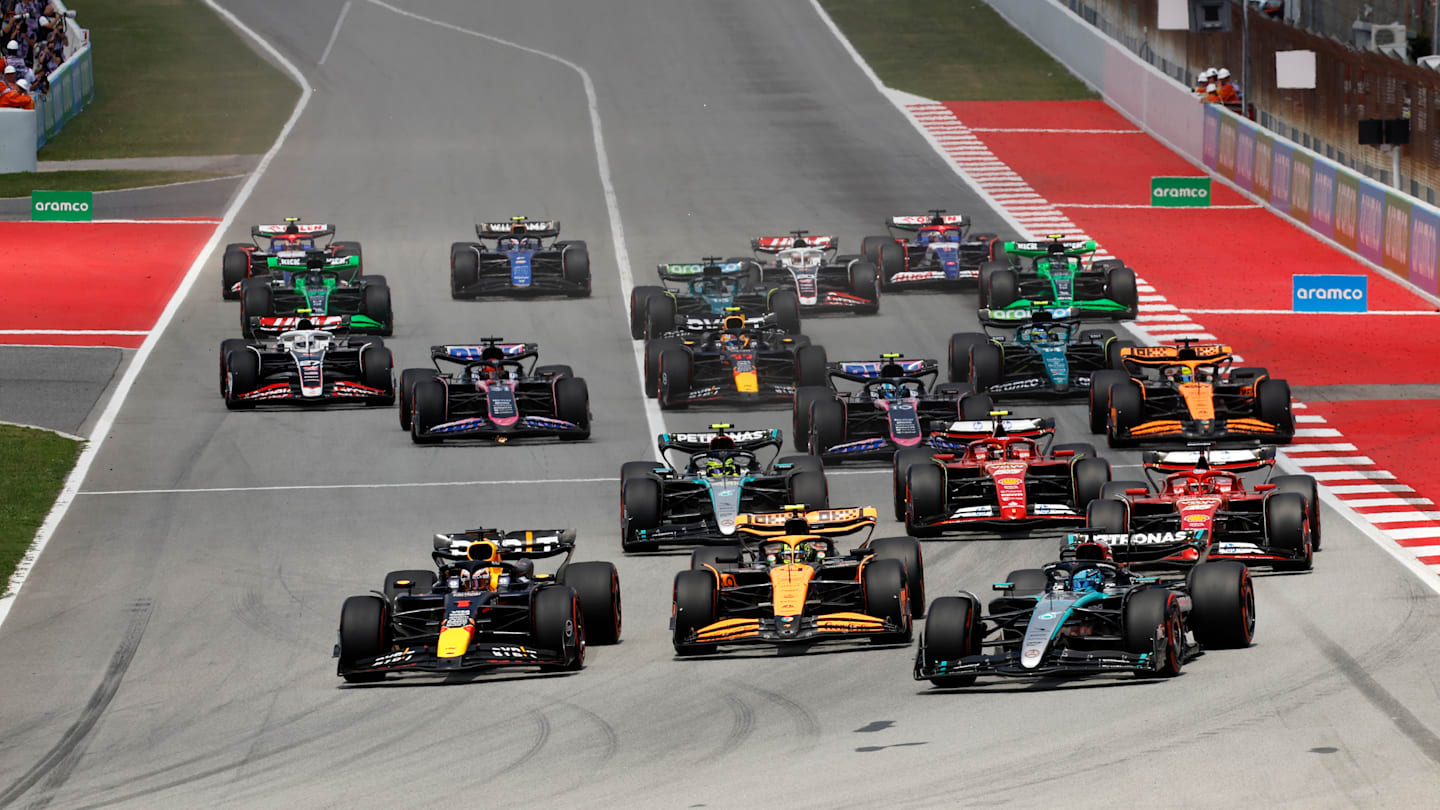
What Is Formula One Racing?
Formula One, commonly known as F1, is the highest level of single-seater auto racing. It features specially designed open-wheel race cars competing on road courses and street circuits around the world. F1 is widely regarded as the pinnacle of motorsport because of its advanced technology, elite drivers, and global audience.
F1 Car Design and Technology
Formula One cars are engineered for maximum speed, aerodynamics, and performance. These vehicles feature lightweight carbon-fiber construction, hybrid power units, advanced suspension systems, and highly sophisticated aerodynamic components. Teams spend millions of dollars each season developing new technologies to gain a competitive advantage.
Grand Prix Race Format
Each Formula One event is known as a Grand Prix. A race weekend typically includes practice sessions, qualifying rounds, and the main race. Drivers earn points based on their finishing positions, and the season champions are determined by the total points accumulated throughout the year.
Famous Drivers and Teams
Formula One has produced many legendary drivers, including Michael Schumacher, Lewis Hamilton, Ayrton Senna, and Max Verstappen. Famous teams such as Ferrari, Mercedes, McLaren, and Red Bull Racing have become iconic names in motorsport history.
2. NASCAR Racing
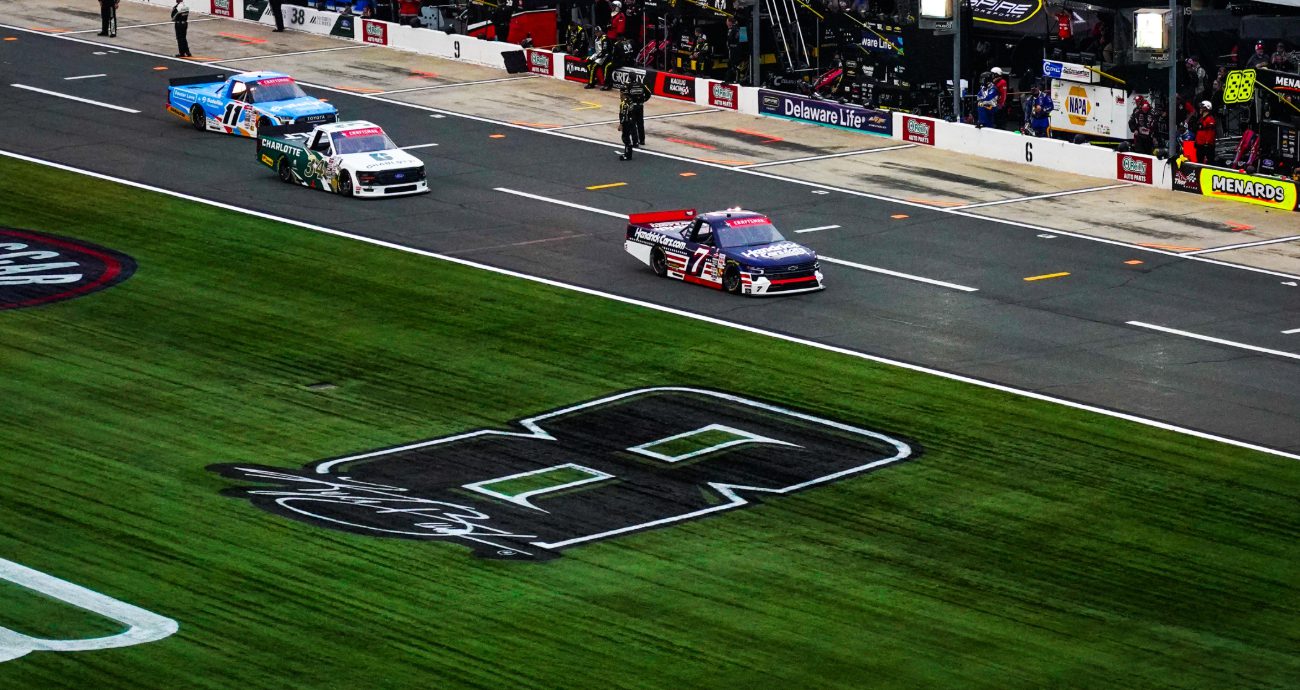
Understanding Stock Car Racing
NASCAR is the most popular stock car racing series in the United States. The name stands for National Association for Stock Car Auto Racing. While modern NASCAR vehicles are purpose-built race cars, they are designed to resemble production vehicles sold to consumers.
NASCAR Race Tracks and Events
Most NASCAR races take place on oval tracks ranging from short tracks to superspeedways. Some events are also held on road courses. The Daytona 500 is considered the most prestigious race on the NASCAR calendar and attracts millions of viewers each year.
Vehicle Specifications
NASCAR cars feature powerful V8 engines, reinforced safety cages, and aerodynamic bodywork. Unlike Formula One cars, NASCAR vehicles are heavier and designed for close, wheel-to-wheel competition at high speeds.
Popular NASCAR Series
The NASCAR Cup Series is the highest level of competition. Other major series include the Xfinity Series and the Craftsman Truck Series, which serve as developmental pathways for aspiring drivers.
3. IndyCar Racing
What Makes IndyCar Unique?
IndyCar is America’s premier open-wheel racing championship. It combines high-speed oval racing with road and street circuit events, creating a versatile challenge for drivers throughout the season.
Oval and Road Course Racing
Unlike many racing series that focus on one track type, IndyCar drivers compete on a variety of circuits. Oval tracks test speed and precision, while road and street courses require technical driving skills and strategic planning.
Indy 500 Explained
The Indianapolis 500 is the most famous IndyCar race and one of the world’s most prestigious motorsport events. Held annually at the Indianapolis Motor Speedway, the race covers 500 miles and is often referred to as “The Greatest Spectacle in Racing.”
Driver Skills and Challenges
IndyCar drivers must adapt to different racing environments, manage tire wear, execute fuel strategies, and maintain focus at speeds exceeding 230 mph on some tracks.
4. Sports Car Racing
Overview of Sports Car Competitions
Sports car racing features high-performance vehicles competing in endurance and sprint races. These cars are often based on production sports cars but are heavily modified to improve performance, safety, and reliability.
GT Cars vs Prototype Cars
Sports car racing generally includes two main categories. GT (Grand Touring) cars are derived from production vehicles such as Porsche, Ferrari, and Lamborghini models. Prototype cars are purpose-built race machines designed solely for competition and represent the highest level of sports car technology.
Endurance Racing Format
Many sports car events are endurance races that last several hours or even an entire day. Teams use multiple drivers who take turns behind the wheel while pit crews handle fueling, tire changes, and repairs.
Famous Championships
Major sports car racing championships include the FIA World Endurance Championship (WEC) and IMSA SportsCar Championship. The 24 Hours of Le Mans is considered the most famous endurance race in the world and attracts top manufacturers and drivers from across the globe.
5. Touring Car Racing
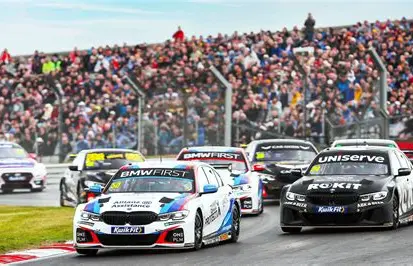
What Are Touring Cars?
Touring car racing is one of the most competitive forms of circuit racing. It features production-based vehicles that closely resemble everyday sedans, hatchbacks, and coupes found on public roads. While these cars maintain their original appearance, they are specially prepared for racing with performance upgrades and enhanced safety equipment. Touring car races are known for close wheel-to-wheel battles and frequent overtaking opportunities.
Key Features of Touring Car Racing
- Uses production-based cars from popular manufacturers
- Vehicles retain much of their original body design
- Close and competitive racing with frequent overtakes
- Races take place on permanent circuits and street tracks
- Popular among manufacturers and motorsport fans worldwide
- Focuses on driver skill as much as vehicle performance
Sprint Race Format
Most touring car championships use short sprint races that typically last between 20 and 40 minutes. The shorter race distance encourages aggressive driving, strategic overtaking, and intense competition from start to finish. Many race weekends include multiple races, giving drivers several chances to earn championship points.
Major Touring Car Series
Several prestigious touring car championships are held around the world. Popular examples include the British Touring Car Championship (BTCC), World Touring Car Cup (WTCR), and regional touring car series across Europe, Asia, and Australia. These championships showcase some of the best production-based racing in motorsport.
6. Rally Racing
How Rally Racing Works
Rally racing is very different from traditional track racing. Instead of racing directly against other competitors, drivers compete against the clock on timed stages. These stages can take place on gravel roads, mountain passes, forest trails, snow-covered routes, or asphalt roads. The competitor with the lowest combined time across all stages wins the event.
Driver and Co-Driver Roles
One of the most important aspects of rally racing is teamwork between the driver and co-driver. The co-driver reads detailed pace notes that describe upcoming turns, jumps, hazards, and road conditions. This allows drivers to maintain high speeds even when they cannot see what lies ahead.
Why Rally Racing Is Unique
- Drivers race against the clock rather than side-by-side
- Events take place on multiple road surfaces
- Co-drivers provide navigation and pace notes
- Weather conditions can change rapidly during a race
- Cars require exceptional durability and handling
- Every stage presents different challenges
Famous Rally Events
The World Rally Championship (WRC) hosts some of the most demanding motorsport events in the world. Famous rallies include the Monte Carlo Rally, Safari Rally Kenya, Rally Finland, and Rally Sweden. These events test driver skill, endurance, and adaptability across varying terrains and weather conditions.
7. Rallycross Racing
Rallycross Race Format
Rallycross combines the excitement of rally racing with the action of circuit racing. Multiple drivers compete on short tracks at the same time, creating intense battles for position. Races are typically short and fast-paced, making every lap critical.
Mixed Surface Tracks
A defining feature of rallycross is its mixed-surface race tracks. Drivers must navigate both asphalt and dirt sections during the same race. This constant change in grip levels demands quick reactions and precise vehicle control.
Key Features of Rallycross
- Combines dirt and asphalt racing surfaces
- Short, action-packed races
- Multiple cars compete simultaneously
- Frequent overtaking opportunities
- High-powered all-wheel-drive vehicles
- Popular with spectators due to non-stop action
Car Performance and Setup
Rallycross cars are built for explosive acceleration and exceptional traction. Most vehicles use turbocharged engines producing significant horsepower and feature advanced all-wheel-drive systems. Their suspension setups are designed to absorb jumps and maintain stability on rough surfaces.
8. Drag Racing
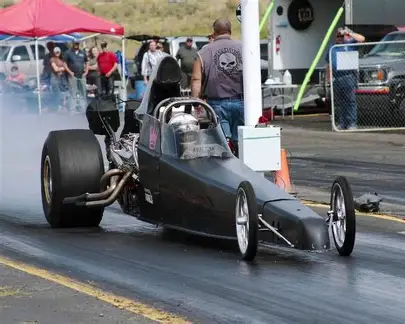
Basics of Drag Racing
Drag racing is one of the simplest forms of motorsport to understand but one of the most exciting to watch. Two vehicles line up side-by-side and race in a straight line over a fixed distance. The first competitor to cross the finish line wins the race.
Different Drag Racing Classes
Drag racing includes a wide variety of vehicle classes ranging from street-legal cars to purpose-built race machines. Categories are based on engine size, modifications, fuel type, and performance levels.
Popular Types of Drag Racing Vehicles
- Top Fuel Dragsters
- Funny Cars
- Pro Stock Cars
- Street Legal Cars
- Pro Modified Cars
- Drag Racing Motorcycles
Vehicle Modifications
Drag racing vehicles are engineered for maximum acceleration. Teams modify engines, transmissions, suspension systems, and tires to produce incredible straight-line speed. The fastest Top Fuel dragsters can accelerate from 0 to over 330 mph in less than four seconds, making them some of the quickest vehicles on the planet.
9. Drift Racing
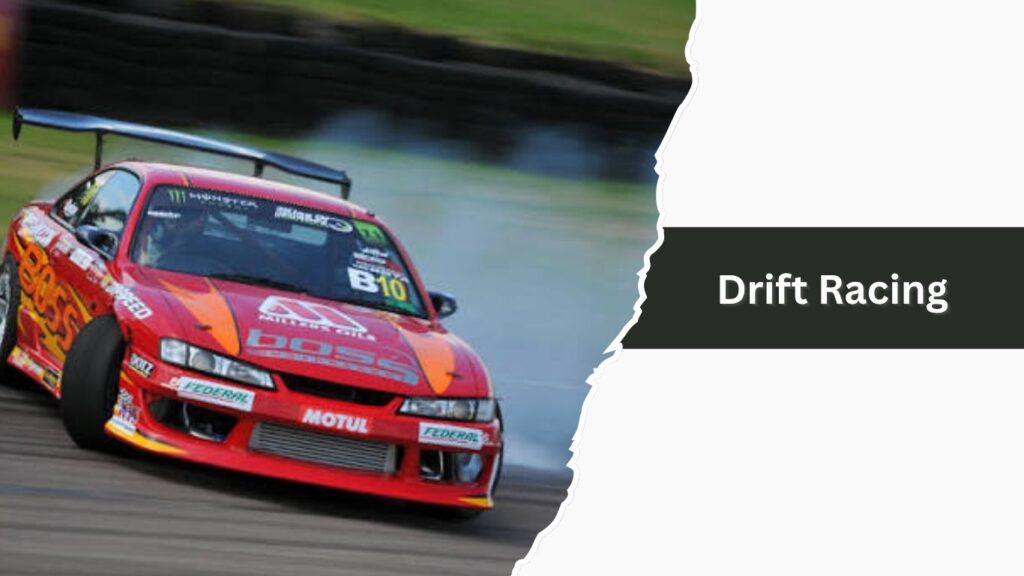
What Is Drift Racing?
Drift racing, commonly known as drifting, is a motorsport where drivers intentionally oversteer their vehicles to slide through corners while maintaining control. Unlike traditional racing, success is not determined solely by speed. Drivers are judged on their drifting angle, line, speed, style, and overall vehicle control. The sport originated in Japan and has grown into a worldwide motorsport phenomenon.
Drift Car Setup
Most drift cars are rear-wheel-drive vehicles that have been modified for improved handling and performance. Upgrades often include suspension modifications, limited-slip differentials, steering angle kits, and powerful engines capable of producing large amounts of torque.
Key Features of Drift Racing
- Controlled sliding through corners
- Rear-wheel-drive vehicles are most common
- Drivers are scored on style and precision
- Solo runs and head-to-head battles
- Requires advanced vehicle control skills
- Popular among both amateur and professional racers
Professional Drift Competitions
Major drifting championships include Formula Drift in North America, D1 Grand Prix in Japan, and Drift Masters in Europe. These competitions attract highly skilled drivers who compete in front of thousands of fans worldwide.
10. Kart Racing
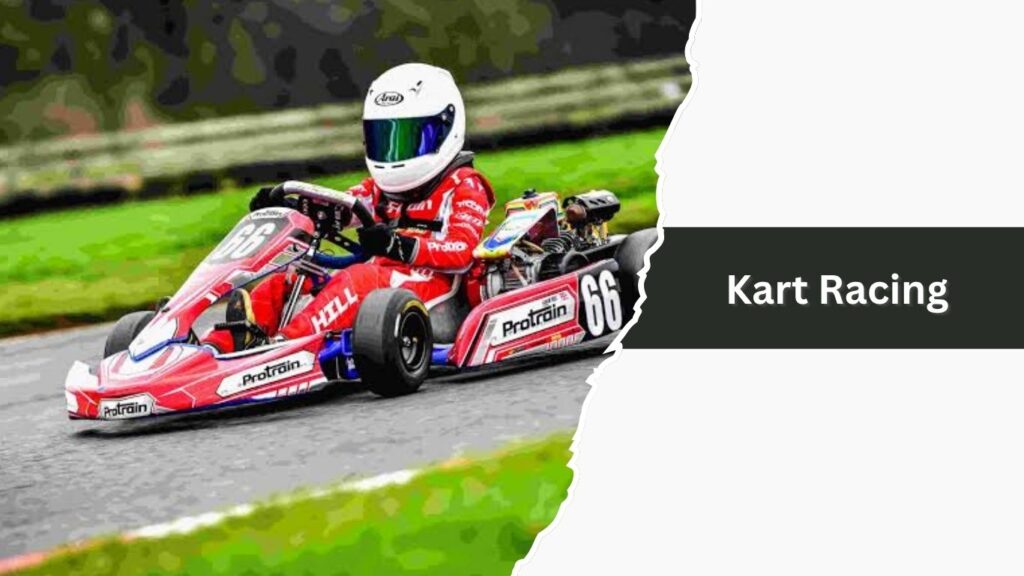
Introduction to Karting
Kart racing is often considered the foundation of professional motorsport. Drivers compete in small, lightweight vehicles called karts on specially designed tracks. Despite their compact size, modern racing karts can achieve impressive speeds and provide an excellent environment for developing racing skills.
Types of Racing Karts
Karting includes several categories designed for different age groups and competition levels. Some karts are built for beginners, while others are capable of speeds exceeding 100 mph (160 km/h). Racing formats include sprint racing, endurance racing, and oval track karting.
Benefits of Kart Racing
- Affordable entry into motorsports
- Helps develop driving and racing skills
- Suitable for children and adults
- Improves reaction times and race awareness
- Common starting point for professional drivers
- Competitive racing with relatively low costs
Training Future Racing Drivers
Many successful professional racers began their careers in karting. Drivers such as Lewis Hamilton, Max Verstappen, Ayrton Senna, and Michael Schumacher developed their racing abilities through kart competitions before advancing to higher levels of motorsport.
11. Sprint Car Racing
What Are Sprint Cars?
Sprint car racing is a high-speed form of oval-track competition that uses lightweight vehicles with powerful engines. These cars are designed for maximum acceleration and agility, making sprint races some of the most exciting events in motorsport.
Dirt and Asphalt Tracks
Sprint car races are commonly held on short oval tracks made of dirt or asphalt. The compact size of these circuits creates close competition and requires drivers to constantly battle for position throughout the race.
Key Features of Sprint Car Racing
- Lightweight cars with powerful engines
- Short, fast-paced races
- Events held on dirt and asphalt tracks
- Intense wheel-to-wheel competition
- Popular throughout the United States
- Known for thrilling slide-style driving
Winged vs Non-Winged Cars
Sprint cars are generally divided into winged and non-winged categories. Winged sprint cars use large aerodynamic wings mounted above the vehicle to generate downforce and improve stability. Non-winged sprint cars rely entirely on driver skill and mechanical grip, creating a more challenging racing experience.
12. Midget Car Racing
Overview of Midget Racing
Midget car racing features small, open-wheel race cars competing on short oval tracks. Despite their compact size, these vehicles have excellent power-to-weight ratios, allowing them to deliver thrilling racing action and impressive speeds.
Vehicle Design Features
Midget race cars are lightweight machines powered by high-performance engines. Their compact dimensions make them extremely agile, enabling drivers to navigate tight corners and race closely alongside competitors.
Advantages of Midget Racing
- Affordable compared to many racing categories
- Lightweight and highly maneuverable vehicles
- Excellent training ground for young drivers
- Races are typically short and exciting
- Strong grassroots motorsport community
- Popular stepping stone to larger racing series
Career Path to Professional Racing
Many successful professional drivers have used midget racing as a stepping stone to higher levels of competition. The sport helps drivers develop racecraft, vehicle control, and competitive experience before advancing to sprint cars, IndyCar, NASCAR, or other major racing series.
13. Stock Car Racing
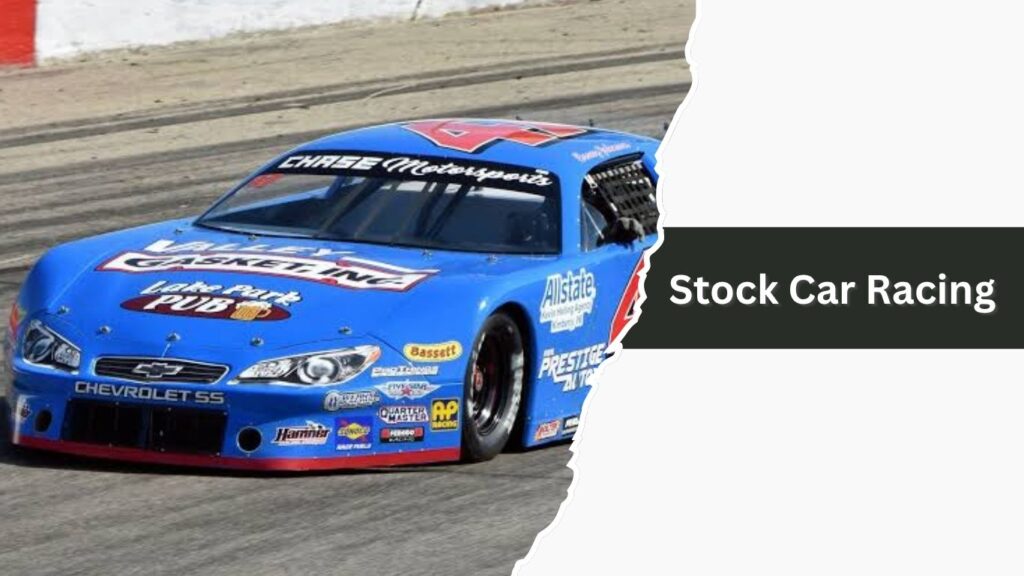
What Is Stock Car Racing?
Stock car racing began with standard production vehicles that were modified only slightly for competition. Over time, the sport evolved into a professional racing category featuring purpose-built race cars designed for speed, safety, and durability. Today, stock car racing remains one of the most popular forms of motorsport, especially in North America.
Car Construction Rules
Modern stock cars may look similar to road-going vehicles, but they are built specifically for racing. Strict regulations control engine specifications, aerodynamics, chassis design, and safety equipment to ensure fair competition and close racing among teams.
Key Features of Stock Car Racing
- Production-based racing heritage
- Purpose-built race cars with safety cages
- Close wheel-to-wheel competition
- Primarily held on oval tracks
- Strong emphasis on driver skill and consistency
- Popular among motorsport fans worldwide
Popular Race Formats
Stock car races range from short-track events to long-distance endurance-style competitions. Drivers compete over multiple laps, with pit strategies, tire management, and fuel planning often playing a crucial role in determining the winner.
14. Oval Track Racing
What Is Oval Track Racing?
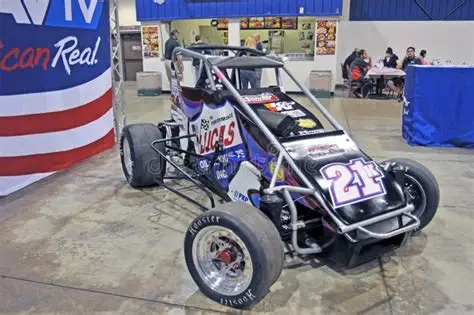
Oval track racing refers to any motorsport competition held on an oval-shaped circuit. The sport includes various vehicle categories such as stock cars, sprint cars, modified cars, and motorcycles. Oval racing is known for its high speeds, close racing, and strategic drafting.
Types of Oval Tracks
Oval tracks vary greatly in size and design. Some are small short tracks under one mile long, while others are massive superspeedways capable of producing extremely high speeds. Tracks can be paved with asphalt or constructed from dirt.
Common Oval Track Categories
- Short Tracks
- Intermediate Speedways
- Superspeedways
- Dirt Oval Tracks
- Asphalt Oval Circuits
- Motorcycle Oval Racing
Racing Strategies
Success in oval track racing requires more than just speed. Drivers must manage tire wear, conserve fuel, use drafting techniques, and position their vehicles carefully during overtaking attempts. Race strategy often plays a major role in determining final results.
15. Endurance Racing
What Is Endurance Racing?
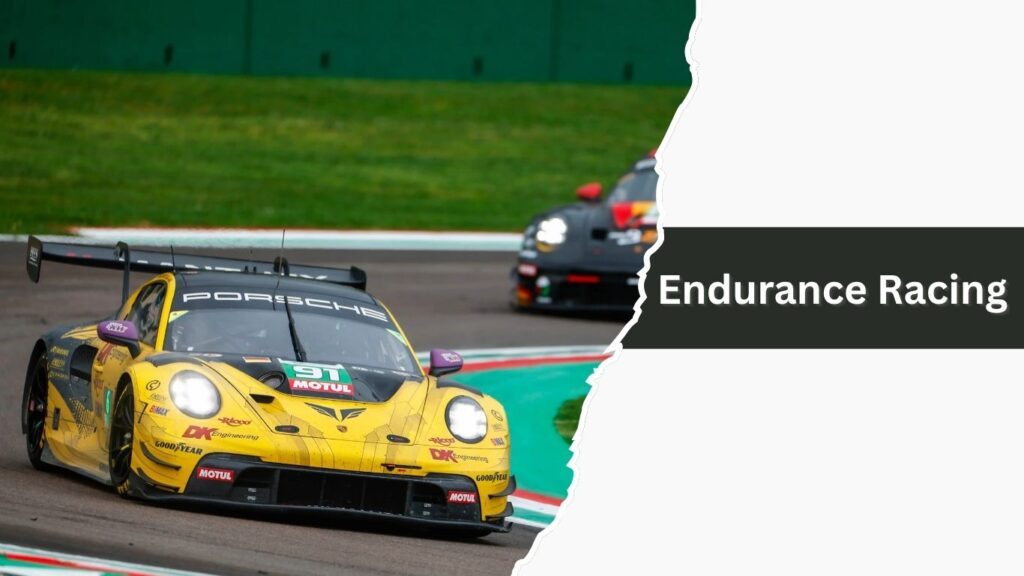
Endurance racing tests both vehicle reliability and driver stamina over extended periods. Unlike traditional sprint races, endurance events can last several hours or even an entire day. Teams must balance speed with mechanical preservation to reach the finish line successfully.
Multi-Driver Team Format
Because endurance races are so long, teams typically use multiple drivers who rotate throughout the event. Each driver completes a stint before entering the pits and handing the car over to a teammate. Effective teamwork is essential for success.
Key Features of Endurance Racing
- Races lasting several hours or days
- Multiple drivers share one vehicle
- Focus on reliability and consistency
- Strategic pit stops and fuel management
- Day and night racing conditions
- Teamwork plays a critical role
Famous Endurance Events
Some of the world’s most prestigious races belong to this category. The 24 Hours of Le Mans, Rolex 24 at Daytona, and 12 Hours of Sebring are famous endurance events that attract leading manufacturers and professional drivers from around the globe.
16. Hill Climb Racing
How Hill Climb Competitions Work
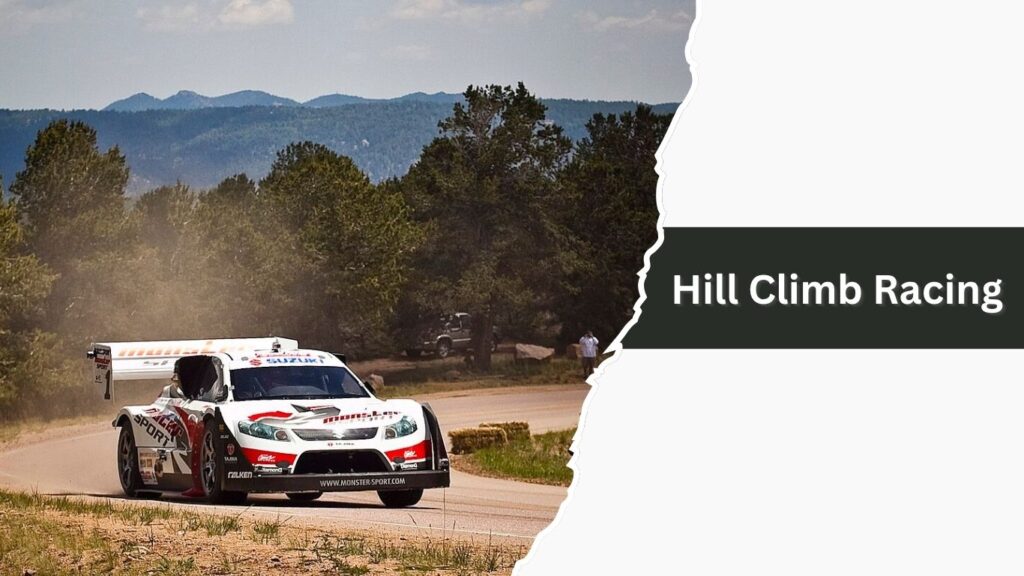
Hill climb racing is a motorsport where drivers race individually against the clock on uphill courses. The objective is simple: complete the course in the fastest possible time. Since competitors race one at a time, the focus is entirely on speed and precision.
Vehicle Requirements
Hill climb vehicles vary widely depending on competition rules. Some events allow modified production cars, while others feature purpose-built race machines designed specifically for climbing steep and challenging courses.
Benefits and Challenges of Hill Climb Racing
- Drivers compete against the clock
- Courses feature steep inclines and sharp turns
- Requires exceptional concentration and precision
- Vehicle setup is critical for success
- Popular among amateur and professional racers
- Offers unique racing environments
Notable Hill Climb Events
One of the most famous hill climb competitions is the Pikes Peak International Hill Climb in Colorado, USA. Known as the “Race to the Clouds,” this event challenges drivers with dramatic elevation changes, unpredictable weather conditions, and demanding corners throughout the course.
17. Off-Road Desert Racing
Racing Across Extreme Terrain
Off-road desert racing is one of the toughest forms of auto racing. Drivers compete across vast deserts, rocky trails, sand dunes, and rugged terrain while navigating challenging environmental conditions. These races test both driver endurance and vehicle durability over long distances.
Desert Racing Vehicles
Vehicles used in desert racing include trophy trucks, buggies, UTVs, and specially modified off-road cars. These machines are built with powerful engines, long-travel suspension systems, reinforced chassis components, and oversized tires to handle rough terrain.
Key Features of Desert Racing
- Long-distance off-road competitions
- Extreme heat and harsh conditions
- Specialized high-performance vehicles
- Challenging navigation requirements
- Demands endurance and reliability
- Popular in North America and the Middle East
Major Desert Racing Events
Some of the world’s most famous desert races include the Baja 1000, Dakar Rally, and Baja 500. These events attract professional teams and manufacturers seeking to prove their vehicles’ performance in extreme conditions.
18. Time Attack Racing

What Is Time Attack?
Time Attack is a motorsport focused on setting the fastest lap time around a circuit. Unlike traditional racing, drivers are not competing directly against each other on the track. Instead, each participant aims to achieve the quickest lap during a timed session.
Fastest Lap Competition
Drivers are given multiple opportunities to record their best lap. Every corner, braking zone, and acceleration point becomes critical since even a fraction of a second can determine the final standings.
Advantages of Time Attack Racing
- Focuses entirely on lap times
- Minimal wheel-to-wheel contact
- Popular among amateur racers
- Encourages vehicle performance upgrades
- Suitable for various vehicle classes
- Helps drivers improve track skills
Popular Time Attack Series
Time Attack competitions are popular worldwide, with events held in North America, Europe, Australia, and Asia. Many professional racing drivers also participate to test vehicle performance and refine driving techniques.
19. Autocross Racing

What Is Autocross?
Autocross is an entry-level motorsport where drivers navigate a temporary course marked by traffic cones. Events are typically held in large parking lots, airports, or open paved areas. The objective is to complete the course as quickly as possible without hitting cones.
Driver Skill Development
Because courses feature tight turns and technical layouts, autocross emphasizes vehicle control, precision, and driver skill rather than outright speed. It is widely considered one of the best ways for beginners to learn competitive driving.
Benefits of Autocross Racing
- Affordable motorsport for beginners
- Low-speed and relatively safe competition
- Improves car control and handling skills
- Minimal vehicle modifications required
- Suitable for daily-driven vehicles
- Popular among car enthusiasts
Vehicle Classes
Autocross events divide participants into classes based on vehicle type and modification level. This system helps create fair competition between similar vehicles and allows drivers to compete against others with comparable equipment.
20. Ice Racing
Racing on Frozen Surfaces
Ice racing takes place on frozen lakes, snow-covered circuits, and specially prepared ice tracks. Drivers compete in slippery conditions where maintaining traction becomes one of the biggest challenges.
Special Tires and Equipment
To improve grip on icy surfaces, many racing vehicles use studded tires equipped with metal spikes. These tires provide traction while allowing drivers to maintain control during acceleration, braking, and cornering.
Key Features of Ice Racing
- Conducted on snow and ice-covered tracks
- Requires exceptional vehicle control
- Specialized tires improve traction
- Popular in cold-weather countries
- Unique racing conditions and strategies
- Demands quick reactions from drivers
Popular Ice Racing Locations
Ice racing is especially popular in countries with long winters, including Canada, Sweden, Finland, Norway, and Russia. Many national championships are held annually on frozen tracks and lakes.
21. Truck Racing
What Is Truck Racing?
Truck racing is a motorsport category that features heavily modified pickup trucks or large racing trucks competing on circuits, road courses, and oval tracks. Despite their size and weight, these vehicles can reach impressive speeds and provide thrilling competition.
Racing Truck Modifications
Racing trucks are equipped with upgraded engines, reinforced suspension systems, racing brakes, aerodynamic improvements, and advanced safety equipment. These modifications help improve performance while maintaining vehicle reliability.
Key Features of Truck Racing
- Uses purpose-built racing trucks
- Larger and heavier than race cars
- High-powered engines and strong acceleration
- Competitive wheel-to-wheel racing
- Popular in several international championships
- Unique driving dynamics and race strategies
Major Truck Racing Championships
Well-known truck racing series include the NASCAR Craftsman Truck Series, European Truck Racing Championship, and various regional truck racing competitions. These events showcase the power, durability, and excitement that make truck racing a fan favorite.
What are the main types of auto racing?
The main types include Formula One, NASCAR, IndyCar, rally racing, drag racing, sports car racing, touring car racing, kart racing, drifting, and endurance racing.
Which type of auto racing is the fastest?
Formula One and IndyCar are among the fastest circuit-racing categories, while drag racing vehicles achieve the highest acceleration speeds.
What is the best type of racing for beginners?
Kart racing and autocross are often considered the best starting points because they are affordable and help develop essential driving skills.
What is the difference between rally racing and circuit racing?
Rally racing takes place on closed public roads and off-road stages, while circuit racing is held on dedicated race tracks with multiple laps.
Which auto racing event is the most famous?
The Indianapolis 500, Monaco Grand Prix, Daytona 500, and 24 Hours of Le Mans are among the most prestigious and well-known auto racing events.
Conclusion
Auto racing includes a wide variety of disciplines, from the precision of Formula One and the excitement of NASCAR to the challenges of rally, drifting, and off-road desert racing. Each type of auto racing offers unique vehicles, tracks, and driving skills, making motorsport one of the most diverse and thrilling forms of competition worldwide.

- Top 10 Best Battery Tester Automotive 2026 - October 20, 2026
- Top 10 Best Battery Tender For Motorcycle Battery 2026 - October 20, 2026
- Top 10 Best Battery Rotary Tool 2026 - October 20, 2026