5 Proven Ways to Increase Mountain Bike Speed (With Easy-to-Follow Chart)

Every mountain biker wants to ride faster but speed isn’t just about pedaling harder. It’s about making smart adjustments that improve efficiency, reduce resistance, and maximize momentum.
Whether you’re a beginner or an experienced rider, small changes in your bike setup, technique, and maintenance routine can lead to noticeable improvements in speed. The key is knowing what actually works and focusing on high-impact areas.
In this guide, we break down 5 proven ways to increase mountain bike speed, along with a simple chart to help you quickly understand and apply each method
Quick Overview Chart
| Method | Difficulty Level | Speed Impact | Best For |
|---|---|---|---|
| Optimize Tire Pressure | Easy | High | All riders |
| Upgrade Tires | Medium | High | Trail & XC riders |
| Improve Riding Technique | Medium | Very High | Intermediate riders |
| Reduce Bike Weight | Medium | Moderate | Climbers & long-distance riders |
| Maintain Drivetrain | Easy | High | Every rider |
Optimize Tire Pressure for Maximum Speed
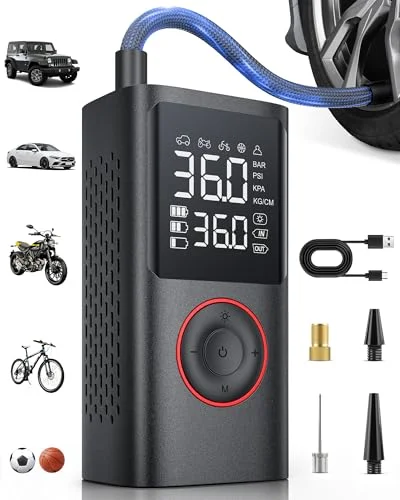
Tire pressure is one of the simplest yet most powerful factors affecting your mountain bike’s speed. A small adjustment can dramatically reduce rolling resistance, improve efficiency, and help you maintain momentum across different terrains.
Why Tire Pressure Matters
Tire pressure directly impacts how much of your tire contacts the ground. Lower pressure increases grip but creates more rolling resistance, which slows you down. On the other hand, higher pressure reduces friction and allows your bike to roll faster especially on hard-packed trails.
Finding the right balance between grip and speed is essential for optimal performance.
Ideal PSI for Different Terrains
The ideal tire pressure varies depending on where you ride. For smooth, hardpack surfaces, slightly higher PSI helps maximize speed and efficiency. For rocky or loose trails, a bit lower pressure improves traction and control.
Instead of sticking to one setting, experienced riders adjust their PSI based on trail conditions to get the best performance.
Common Mistakes to Avoid
One of the biggest mistakes is running tire pressure that’s too low, which increases drag and makes pedaling harder. Conversely, too much pressure can reduce grip and lead to poor handling.
Ignoring terrain changes is another common issue what works on one trail may not work on another. Regularly checking and adjusting your tire pressure ensures consistent speed gains.
Upgrade to Faster-Rolling Tires
If you’re serious about increasing speed, upgrading your tires can make an immediate and noticeable difference. Tires are the only part of your bike that touches the ground, so their design plays a major role in how fast you can ride.
Choosing the Right Tire Type
Different riding styles require different tire types. Aggressive, knobby tires are great for technical trails but create more resistance. For smoother trails or cross-country riding, faster-rolling tires with less aggressive tread are a better choice.
Selecting the right tire for your terrain ensures you’re not sacrificing speed unnecessarily.
Tread Patterns and Speed
Tire tread design significantly affects rolling efficiency. A smoother center tread allows for faster straight-line speed, while side knobs provide grip during cornering.
Modern mountain bike tires often combine both features, giving you a balance between speed and control.
Tubeless vs Tube Tires
Switching to a tubeless setup is one of the most effective upgrades for speed. Tubeless tires reduce weight and rolling resistance while also allowing you to run lower pressures without risking pinch flats.
This results in a smoother, faster ride with improved overall performance making it a popular choice among experienced riders.
Improve Riding Technique for More Speed
Upgrading your bike helps, but your riding technique is what truly unlocks speed. Skilled riders don’t just pedal harder—they ride smarter, conserve energy, and maintain momentum throughout the trail.
Maintain Momentum on Trails
Momentum is key to riding faster. Every time you brake unnecessarily or hesitate, you lose valuable speed that takes effort to rebuild.
Focus on flowing with the trail by looking ahead and anticipating obstacles. Smooth riding allows you to carry speed through sections without constantly stopping and restarting.
Efficient Pedaling Technique
Pedaling efficiently is more important than pedaling harder. Maintaining a consistent cadence helps you avoid fatigue while keeping your speed steady.
Use your gears strategically to match the terrain. Spinning in the right gear is far more effective than pushing a heavy gear that drains your energy quickly.
Cornering and Descending Skills
Corners and descents are where speed is often lost or gained. Braking too late in corners forces you to slow down more than necessary.
Instead, brake before entering the turn, then release and carry your speed through it. On descents, stay relaxed, keep your weight balanced, and choose smooth lines to maintain control while going faster.
Reduce Bike Weight for Faster Acceleration
A lighter bike requires less effort to accelerate and climb, making it easier to maintain higher speeds. While weight isn’t everything, reducing unnecessary mass can noticeably improve performance.
Key Components That Affect Weight
Not all weight reductions have the same impact. Rotating parts like wheels and tires affect speed the most because they require more energy to move.
Upgrading these components can significantly improve acceleration and responsiveness on the trail.
Simple Ways to Make Your Bike Lighter
You don’t need a full bike upgrade to reduce weight. Small changes can add up quickly.
Switching to a tubeless setup, using lighter tires, and removing unnecessary accessories are easy ways to make your bike faster without a big investment.
Balancing Weight and Durability
While lighter components improve speed, they shouldn’t compromise strength especially on rough terrain.
The goal is to find the right balance between weight and durability so your bike remains fast, reliable, and capable on all types of trails.
Maintain Your Drivetrain for Peak Performance
Your drivetrain is the engine of your mountain bike, and even small inefficiencies here can significantly reduce your speed. A clean, well-maintained drivetrain ensures smooth power transfer, allowing you to ride faster with less effort.
Importance of a Clean Chain
A dirty chain creates friction, which wastes energy every time you pedal. Dust, mud, and grime build up quickly especially on trails and can slow you down without you even realizing it.
Regularly cleaning your chain keeps it running smoothly and improves overall efficiency. It also extends the lifespan of your drivetrain components.
Lubrication Best Practices
Proper lubrication is essential for reducing friction and maintaining speed. Applying the right type of lubricant based on riding conditions (dry or wet) ensures optimal performance.
Be careful not to over-lubricate, as excess oil can attract dirt and create more resistance instead of reducing it.
Regular Gear Tuning
Poorly adjusted gears can lead to slow or inconsistent shifting, which interrupts your momentum.
Routine tuning ensures your gears shift smoothly and efficiently, allowing you to maintain a steady cadence and consistent speed across different terrains.
Pro Tips to Combine All 5 Methods
Individually, each method improves speed—but when combined, they create a powerful performance boost. The key is to apply these strategies together in a smart and consistent way.
Start with Easy Wins First
Begin with simple adjustments like optimizing tire pressure and maintaining your drivetrain. These changes require minimal effort but deliver immediate results.
They form the foundation for a faster, more efficient ride.
Upgrade Gradually for Maximum Impact
Instead of upgrading everything at once, focus on high-impact components like tires and wheels.
Gradual improvements allow you to notice performance gains and make smarter decisions based on your riding style and terrain.
Practice and Consistency Matter
Even the best setup won’t help without consistent practice. The more you ride, the better your technique, endurance, and confidence become.
Over time, these improvements naturally translate into higher speeds and a more enjoyable riding experience.
Choose the Right Gearing Setup for Speed
Your bike’s gearing system plays a crucial role in how efficiently you transfer power to the wheels. Using the right gear at the right time allows you to maintain speed, conserve energy, and handle different terrains with ease.
Understanding Gear Ratios
Gear ratios determine how hard or easy it is to pedal. Lower gears are ideal for climbing, while higher gears allow for greater speed on flat or downhill sections.
Learning how your gear system works helps you make quick adjustments and avoid wasting energy.
Shift Gears at the Right Time
Delayed or improper shifting can break your momentum and slow you down. Anticipating terrain changes and shifting early ensures a smoother ride.
For example, shifting before a climb helps maintain cadence instead of struggling mid-ascent.
Avoid Cross-Chaining
Cross-chaining occurs when your chain is at extreme angles (e.g., large chainring to large cog), which increases friction and reduces efficiency.
Keeping your chain aligned properly improves drivetrain performance and helps you maintain speed.
Improve Aerodynamics for Faster Riding
While aerodynamics is often overlooked in mountain biking, it can make a noticeable difference especially on flat trails and descents. Reducing wind resistance allows you to ride faster without increasing effort.
Optimize Your Riding Position
Your body position affects how much air resistance you face. Sitting upright creates drag, while a slightly lowered position helps you cut through the air more efficiently.
Keep your elbows slightly bent and your torso lower when aiming for higher speeds.
Wear Streamlined Gear
Loose clothing can act like a parachute, slowing you down. Wearing fitted cycling gear reduces drag and improves overall efficiency.
Even small changes in clothing can contribute to better speed over longer rides.
Minimize Unnecessary Drag
Accessories like bulky bags or poorly mounted gear can create extra resistance.
Keeping your bike setup clean and streamlined ensures nothing is working against your speed.

- 10 Best Jack For F350 Review (October 2026) - October 12, 2026
- 10 Best Jack For F250 Review (October 2026) - October 12, 2026
- 10 Best Jack For F150 Review (October 2026) - October 12, 2026