5 Reasons Mountain Bikers Choose Full Face Helmets for Safety

Mountain biking is exhilarating, but it can also be risky. Understanding why mountain bikers choose to wear full face helmets can help you appreciate the safety measures taken in this thrilling sport. It’s not just about style; it’s about protection and confidence on the trails.
Mountain bikers wear full face helmets for maximum protection during crashes, improved coverage for the face and chin, and enhanced comfort with features like padding and ventilation. These helmets are designed to handle the unique challenges of off-road biking, ensuring riders feel safe and secure.
Full Face Helmet Defined
A full face helmet is a type of protective headgear specifically designed for extreme sports, including mountain biking. Unlike traditional cycling helmets, full face helmets provide comprehensive coverage, encompassing the entire head, face, and chin. This design offers enhanced protection against impacts, debris, and falls, making them particularly suited for downhill and aggressive riding styles.
Constructed from durable materials like polycarbonate or fiberglass, full face helmets often feature additional padding for comfort and safety. They may also include ventilation systems to keep the rider cool during intense rides. The visor helps shield the eyes from sunlight and branches, while the chin bar plays a crucial role in protecting the face during potential crashes. Riders who tackle rugged terrains or high-speed descents typically prefer these helmets for the added security they provide.
Protection Mechanism Explained
Full face helmets are designed to provide comprehensive protection for mountain bikers, covering the entire head, chin, and face. This level of coverage is essential for reducing injuries during falls or collisions, particularly in extreme biking environments. The protective features of these helmets can be broken down into several key components.
- Chin Bar: The prominent chin bar shields the lower face and jaw from impacts. This is crucial as facial injuries can lead to serious long-term consequences.
- Full Coverage: Unlike half-shell helmets, full face helmets enclose the entire head, providing a barrier against debris, branches, and other hazards encountered on trails.
- Energy Absorption: The helmet’s structure is designed to absorb and disperse impact energy. This reduces the force transferred to the skull and brain during a crash.
- Visor Protection: The integrated visor helps shield the eyes from sunlight and mud, enhancing visibility and control while riding.
- Comfort and Fit: A snug fit ensures that the helmet stays in place during a fall, maximizing its protective capabilities.
These features collectively contribute to the safety and confidence needed for mountain bikers to tackle challenging terrains.
Material Composition Insights
Understanding the materials used in full face helmets is crucial for mountain bikers prioritizing safety. The choice of materials directly impacts the helmet’s effectiveness in absorbing impacts and providing structural integrity during crashes.
Full face helmets typically consist of a combination of the following materials:
- Polycarbonate: A lightweight and impact-resistant plastic, polycarbonate is often used in the outer shell of helmets. It provides durability without adding excessive weight.
- EPS Foam: Expanded Polystyrene (EPS) foam is the primary material used for the inner liner. It absorbs shock during impacts, reducing the force transmitted to the rider’s head.
- Fiberglass: Some high-end helmets incorporate fiberglass layers for added strength and rigidity. This material can enhance the helmet’s ability to withstand significant impacts.
- Carbon Fiber: Found in premium models, carbon fiber offers exceptional strength-to-weight ratios, providing superior protection while maintaining a lightweight profile.
These materials work together to create a helmet that not only protects but also allows for ventilation and comfort. The combination of lightweight design and effective impact absorption makes full face helmets essential for mountain biking, where falls and collisions are common.
Risk Mitigation Strategies
Wearing a full face helmet significantly reduces the risk of injuries sustained during falls while mountain biking. These helmets are designed to provide extensive protection for the head and face, which are vulnerable areas during accidents. Here’s how they enhance rider safety:
- Comprehensive Coverage: Full face helmets cover not just the top and sides of the head, but also the chin and face, protecting against impacts that could lead to serious injuries.
- Impact Resistance: The materials used in full face helmets are engineered to absorb and dissipate energy from impacts, reducing the force transmitted to the skull and brain during a fall.
- Facial Protection: The extended design protects the facial structure from abrasions and fractures that can occur in crashes, particularly on rough terrain.
- Improved Stability: A full face helmet typically fits more snugly than traditional helmets, minimizing movement upon impact, which can further protect against rotational injuries.
- Enhanced Visibility: Many full face helmets come with a visor that provides protection from debris while maintaining visibility, allowing riders to focus on the trail ahead.
Comfort and Fit Considerations
Proper helmet fit is crucial for maximizing safety and usability while mountain biking. A well-fitted full face helmet not only provides effective protection but also enhances comfort, allowing riders to focus on their performance and the trail ahead.
To ensure a helmet fits correctly, consider the following factors:
- Size: Measure your head circumference and consult the manufacturer’s sizing chart. A helmet that is too loose can shift during a ride, compromising safety.
- Padding: Adequate padding is essential for comfort. It should conform to the shape of your head, preventing pressure points while maintaining a snug fit.
- Adjustability: Many full face helmets come with adjustable straps and retention systems. These features allow for a customizable fit, accommodating different head shapes and sizes.
- Weight: A lighter helmet can enhance comfort, especially during long rides. However, ensure that weight does not compromise safety features.
- Ventilation: Look for helmets with adequate airflow to keep you cool during strenuous rides. Good ventilation can enhance comfort and prevent overheating.
Prioritizing comfort and fit when choosing a full face helmet is essential for both safety and performance in mountain biking.
Real-Life Injury Case Studies
This section examines real-life cases that highlight the critical role of full face helmets in protecting mountain bikers during accidents. By analyzing injuries sustained with and without these helmets, we can better understand their importance in ensuring rider safety.
Case Study 1: A professional mountain biker was competing in a downhill race when he lost control and fell from a height of 10 feet. He was wearing a full face helmet, which absorbed the impact during the fall. Despite suffering a concussion, he escaped with no facial injuries. This illustrates how full face helmets can prevent serious head trauma.
Case Study 2: A recreational rider chose not to wear a full face helmet while navigating rocky terrain. After hitting a boulder, he fell face-first, resulting in multiple facial fractures and a traumatic brain injury. This incident underscores the vulnerability of riders when opting for less protective gear.
Case Study 3: Another rider wearing a half-shell helmet collided with a tree at high speed. The impact caused severe head injuries, including a skull fracture, which could have been mitigated with a full face helmet. This case highlights the limitations of partial helmets in protecting the entire cranial area.
Comparative Analysis of Helmet Types
Understanding the differences between full face helmets and half-shell helmets is crucial for mountain bikers prioritizing safety and protection. Each helmet type serves distinct purposes and offers varying levels of defense against injuries.
| Helmet Type | Protection Level | Weight | Ventilation | Best Use Case |
|---|---|---|---|---|
| Full Face Helmet | High (full head and face) | Heavier | Moderate | Downhill racing, extreme trails |
| Half-Shell Helmet | Medium (top of the head) | Lighter | High | Casual riding, cross-country |
Full face helmets provide comprehensive protection, covering not only the top of the head but also the face and jaw, which significantly reduces the risk of severe injuries during crashes. However, they tend to be heavier and may offer less ventilation than half-shell versions. In contrast, half-shell helmets prioritize lighter weight and improved airflow, making them suitable for less aggressive riding but at the cost of reduced facial protection. Mountain bikers who face high-speed descents or technical trails often opt for full face helmets to ensure their safety against potential impacts.
Quick Summary
- Full face helmets provide enhanced protection for the entire head, including the face and jaw.
- They are designed to absorb impact energy, reducing the risk of serious injuries during falls.
- Mountain bikers often ride on challenging terrain where accidents are more likely, making full face helmets a safer choice.
- Many full face helmets feature ventilation systems that help keep riders cool during intense rides.
- They offer a stable fit, minimizing movement and enhancing rider confidence on technical trails.
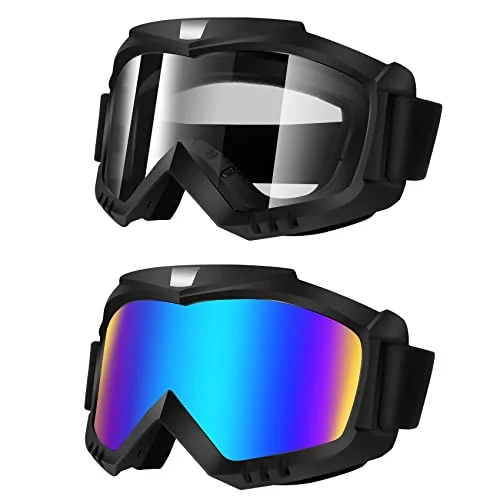
- Full face helmets can also include features such as goggles or visors for better visibility and protection against debris.
- Choosing a full face helmet is often a personal preference for riders who prioritize safety over weight and ventilation.
Frequently Asked Questions
1. Why do mountain bikers choose full face helmets over regular helmets?
Full face helmets provide more protection than traditional helmets, covering the entire head and face. This extra coverage is crucial for mountain bikers who often encounter high speeds and challenging terrain, reducing the risk of serious injuries during falls or collisions.
2. Are full face helmets comfortable to wear while riding?
Yes, many full face helmets are designed with comfort in mind, featuring ventilation systems and adjustable padding. While they may feel bulkier than standard helmets, advancements in design have made them more breathable and lighter, making them suitable for extended rides.
3. Do full face helmets restrict visibility or hearing?
While full face helmets do cover more of the head, they are engineered to maintain a wide field of vision and adequate hearing. Riders can still see their surroundings and hear important sounds, like approaching vehicles or other cyclists.
4. Is it necessary to wear a full face helmet for all mountain biking activities?
While not mandatory for all types of mountain biking, full face helmets are recommended for downhill riding or aggressive trails where the risk of falls is higher. For less intense rides, a standard helmet may suffice, but it’s always best to prioritize safety based on the terrain.
5. How should I choose the right full face helmet for mountain biking?
When selecting a full face helmet, consider factors such as fit, comfort, weight, and safety ratings. It’s important to try on different models to ensure a snug fit and look for features like removable liners for easy cleaning and ventilation to enhance your riding experience.

- 10 Best Jack For Ford Raptor Review (October 2026) - October 12, 2026
- 10 Best Jack For Ford Ranger Review (October 2026) - October 12, 2026
- 10 Best Jack For F350 Review (October 2026) - October 12, 2026