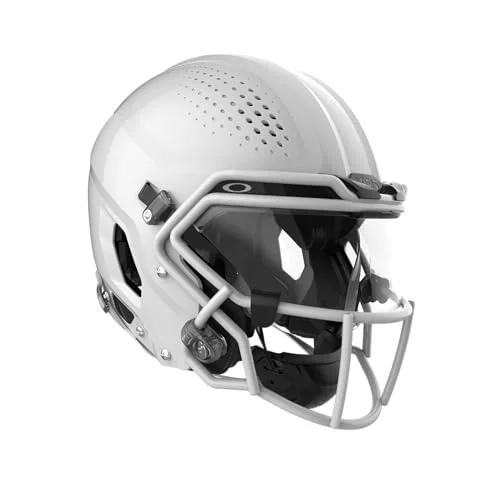
5-Year Helmet Rule: Essential Safety Guidelines for Athletes

The safety of athletes has always been a priority, and understanding helmet regulations is essential. One such key rule is the 5 year helmet rule, which impacts how often helmets must be reconditioned or replaced to ensure optimal protection during sports activities.
The 5 year helmet rule mandates that helmets used in sports should be reconditioned every five years to maintain safety standards. This rule applies to various sports and helps reduce the risk of head injuries due to wear and tear on equipment.
Understanding the Basics
The 5-year helmet rule is a guideline primarily focused on ensuring the safety of athletes who use protective headgear in contact sports. It recommends that helmets be replaced or recertified every five years to maintain optimal protection against impacts. This rule has gained attention in various sports, particularly football, where head injuries are a significant concern.
Helmets degrade over time due to the materials used, exposure to elements, and repeated impacts. The 5-year timeframe serves as a safeguard to ensure that helmets continue to meet safety standards and provide adequate protection. Compliance with this rule is often emphasized by sports organizations and governing bodies to reduce the risk of concussions and other serious injuries. Understanding the rationale behind this rule is crucial for players, coaches, and parents who prioritize safety in sports.
Key Concepts and Fundamentals
The 5 Year Helmet Rule is a guideline primarily aimed at ensuring the safety and effectiveness of helmets used in various sports, particularly football. This rule mandates that helmets should be recertified or replaced every five years to maintain their protective qualities. Understanding this rule is essential for coaches, players, and organizations committed to player safety.
This guideline is based on the understanding that helmet materials can degrade over time due to wear and environmental factors. Regular recertification helps verify that the helmet meets current safety standards and has not suffered damage that could compromise its performance. Compliance with the 5 Year Helmet Rule is crucial for reducing the risk of head injuries in contact sports.
Organizations, such as the National Operating Committee on Standards for Athletic Equipment (NOCSAE), provide testing and certification for helmets. Adhering to the 5 Year Helmet Rule not only protects athletes but also demonstrates a commitment to safety standards within the sport. Coaches and administrators must keep accurate records of helmet purchases and recertification dates to ensure compliance with this essential guideline.
How It Works
The 5-year helmet rule is designed to ensure that helmets used in sports, particularly football and cycling, maintain their protective qualities. This section clarifies how the rule is implemented and the rationale behind it.
Under this rule, helmets are required to be replaced every five years, regardless of their condition. The rationale is that materials degrade over time, and even if a helmet appears intact, its ability to absorb impact may be compromised. Manufacturers often provide recommendations based on rigorous testing to support this timeline.
Compliance with the 5-year rule is typically enforced at the organizational or league level. Teams and players must keep track of the helmets’ purchase dates to ensure replacements occur within the stipulated timeframe. Failure to adhere to this rule can result in penalties, including disqualification from events or games.
The 5-year helmet rule emphasizes safety, aiming to minimize the risk of head injuries by encouraging regular updates to protective headgear. This proactive approach fosters a culture of safety in sports environments.
Benefits and Advantages
The 5-year helmet rule offers several key benefits, primarily focused on safety and performance. By establishing a clear timeline for helmet replacement, this guideline helps ensure that athletes are using helmets that provide optimal protection against head injuries during sports activities.
One major advantage is the reduction of the risk of concussions and other head-related injuries. Over time, helmets can degrade due to regular wear and tear, exposure to environmental conditions, and impacts. The 5-year rule encourages regular assessments and replacements, which can enhance athlete safety.
Additionally, this rule promotes awareness within sports communities regarding helmet maintenance and safety standards. Athletes, coaches, and parents become more informed about the importance of using up-to-date protective gear. This collective knowledge fosters a culture of safety and responsibility in sports.
Lastly, adhering to the 5-year helmet rule can lead to improved performance. Newer helmet technologies often incorporate advanced materials and designs that better absorb impacts. This can provide athletes with a competitive edge while ensuring their well-being on the field or court.
Practical Applications
The 5 year helmet rule serves as a critical guideline for maintaining safety standards in sports and activities involving head protection. Understanding its practical applications can help organizations, teams, and individuals make informed decisions regarding helmet usage and compliance.
Organizations, such as sports leagues, should implement this rule in their equipment policies. This includes regularly inspecting and replacing helmets that exceed the five-year mark. It ensures that players are using helmets that meet current safety standards and effectively protect against injuries.
For coaches and trainers, educating athletes about the importance of helmet safety and adhering to the 5 year rule is vital. Encouraging regular checks on helmet condition and replacement can significantly reduce the risk of concussions and other head injuries.
Parents of young athletes should also be aware of this guideline. Ensuring that their children wear helmets that comply with the 5 year rule can contribute to their overall safety during practices and games. This knowledge can drive conversations about equipment purchases and maintenance.
Finally, manufacturers should adhere to the rule in their production processes, ensuring that the materials and designs meet safety standards for the recommended lifespan. This commitment not only protects athletes but also builds trust in the brand.
Expert Tips and Best Practices
The 5-year helmet rule serves as a guideline for maintaining safety standards in helmet usage. Understanding this rule can help ensure that helmets provide optimal protection. Here are key considerations to keep in mind regarding this rule.
Regularly inspect your helmet for any signs of wear and tear such as cracks, dents, or signs of degradation in the padding. If any of these issues are present, consider replacing your helmet, even if it has not yet reached the 5-year mark.
Store your helmet in a cool, dry place away from direct sunlight to prolong its lifespan. Extreme temperatures and UV exposure can weaken the materials used in helmets.
Keep track of the manufacturing date of your helmet. Most helmets come with a label indicating the production date, which can help you determine when it is time for a replacement. If your helmet does not have this information, consider marking it yourself upon purchase.
Follow any specific guidelines provided by the manufacturer regarding care and maintenance. Different brands may have varying recommendations based on the materials and technology used in their helmets.
Finally, remember that safety standards may evolve. Stay informed about any updates or changes to helmet safety regulations to ensure your headgear remains compliant and effective.
Real-World Examples
The 5-year helmet rule is crucial for ensuring player safety in various sports, especially football and hockey. Below are some real-world examples that illustrate the implementation and importance of this rule.
In the National Football League (NFL), teams routinely follow the 5-year helmet rule to reduce the risk of head injuries. Each team must replace helmets that are older than five years, ensuring that players are wearing equipment that meets the latest safety standards. This practice has been integrated into team protocols and is strictly enforced during training camps and regular-season practices.
Similarly, in youth sports leagues, organizations have adopted the 5-year rule to protect young athletes. For instance, many local football leagues require that helmets be recertified or replaced every five years. This not only enhances player safety but also aligns with guidelines set by national governing bodies like the National Operating Committee on Standards for Athletic Equipment (NOCSAE).
In ice hockey, leagues like the NHL have similar policies regarding helmet safety standards. Helmets used in professional play must be certified and comply with the 5-year rule, ensuring that players are well-protected against concussions and other head injuries. These examples highlight the importance of adhering to the rule across various levels of play to maintain safety and performance standards.
Getting Started
The 5-year helmet rule is a guideline established to promote safety and performance in sports that require helmets. It mandates that helmets be replaced every five years, regardless of their condition. This section provides insights into the rationale behind this rule and its implications for athletes and organizations.
Helmets are subjected to wear and tear from regular use, exposure to environmental factors, and impacts sustained during activities. Over time, the materials can degrade, potentially compromising their protective capabilities. The 5-year replacement timeline is based on research indicating that beyond this period, helmets may not perform as effectively in preventing head injuries.
Organizations, leagues, and teams often adopt this rule to ensure the safety of participants. Compliance demonstrates a commitment to athlete welfare and minimizes liability risks. Athletes and coaches should be aware of the implications of this rule, as failing to adhere can lead to increased injury risks. Additionally, regular inspections should be conducted to assess helmet integrity, even within the 5-year timeframe.
Ultimately, the 5-year helmet rule serves as a crucial standard in promoting safety and ensuring that all athletes have access to reliable protective gear, which is essential for injury prevention and optimal performance in sports.
Quick Summary
The 5-year helmet rule is a guideline that mandates the replacement of helmets after a five-year period, regardless of the condition of the helmet. This rule is established to ensure that players use helmets that provide optimal safety and protection, as the materials in helmets can degrade over time, reducing their effectiveness in preventing head injuries.
Helmets are subjected to wear and tear due to various factors, including exposure to weather, impacts during play, and general usage. The five-year timeframe allows for regular assessment and replacement, ensuring that athletes are less likely to experience helmet failures during critical moments in a game. Compliance with this rule is vital for organizations, teams, and individual players who prioritize safety in sports.
In practice, adherence to the 5-year helmet rule involves maintaining accurate records of helmet purchase dates, conducting regular inspections, and replacing helmets that are nearing or past the 5-year mark. This proactive approach not only protects players but also aligns with safety standards set by governing bodies in various sports.
Quick Summary
- The 5-year helmet rule mandates that a football helmet should be retired after five years of use.
- This rule is based on safety concerns regarding the degradation of helmet materials over time.
- Helmets that are older than five years may not provide adequate protection against head injuries.
- The rule applies to all levels of football, including youth, high school, and professional leagues.
- Regular inspections and maintenance of helmets are still required to ensure player safety.
- Coaches and organizations must keep accurate records of helmet usage and retirement dates.
- Compliance with the 5-year rule is crucial for the safety and well-being of players on the field.
Frequently Asked Questions
What is the 5 year helmet rule?
The 5 year helmet rule refers to the recommendation that helmets should be replaced every five years, regardless of their condition. This is due to the degradation of materials over time, which can compromise safety features and effectiveness in protecting against head injuries.
Why is it important to follow the 5 year helmet rule?
Following the 5 year helmet rule is important for ensuring maximum protection during sports or cycling activities. Helmets that are older than five years may not absorb impacts as effectively, increasing the risk of injury in the event of an accident.
How can I tell if my helmet needs to be replaced?
In addition to age, check for visible signs of damage such as cracks, dents, or frayed straps. If the helmet has been involved in a significant impact or feels less snug than it used to, it’s time to replace it, even if it hasn’t reached the five-year mark.
Are there any exceptions to the 5 year helmet rule?
While the 5 year rule is a general guideline, some helmets may have longer lifespans based on their materials and usage. Always refer to the manufacturer’s recommendations, as some high-performance helmets may be designed to last longer under certain conditions.
What should I look for when buying a new helmet?
When purchasing a new helmet, look for proper certification labels that indicate compliance with safety standards. Additionally, ensure the helmet fits well, is comfortable, and meets the specific requirements for the activity you will be using it for.

- 10 Best Electric Hydraulic Jack For Car Review (October 2026) - October 12, 2026
- 10 Best Electric Jack For Car Review (October 2026) - October 12, 2026
- 10 Best Jack For Electric Vehicle Review (October 2026) - October 12, 2026