Can An Engine Seized With Oil In It?

Yes, an engine can seize with oil in it and sometimes run briefly afterward, but “oil in it” does not mean the seizure is solved. If piston rings are stuck, a bearing is wiped, or the crank cannot rotate because of metal-to-metal contact, oil may lubricate surfaces that still move – but it cannot repair parts that are already scuffed or welded together.
A seized engine can sometimes crank or start for a short time if oil is covering the surfaces and the seizure is mild, such as a stuck ring caused by old oil. If the crankshaft cannot turn by hand or the engine has metal scoring, oil will not “unseize” it. The practical test is rotation and inspection, not repeated attempts to run the engine.
Key Takeaways
- Test rotation first. If the crank will not rotate by hand, assume internal damage and stop forcing it.
- Oil can hide a symptom. Oil may slow corrosion, but it will not reverse seized rings or damaged bearings.
- The seizure mode matters. Stuck rings, seized bearings, rust, and hydrolock require different repairs.
- Do not crank endlessly. Repeated attempts can push scored metal farther into the block and damage the crank bearings.
- Use compression and visual checks. Low compression plus oil contamination can point to head-gasket, valve, or ring damage.
- Plan for teardown. If you find scoring, bent parts, or bearing wipe, replacement is often cheaper than repair.
Can an Engine Seized With Oil Still Run?
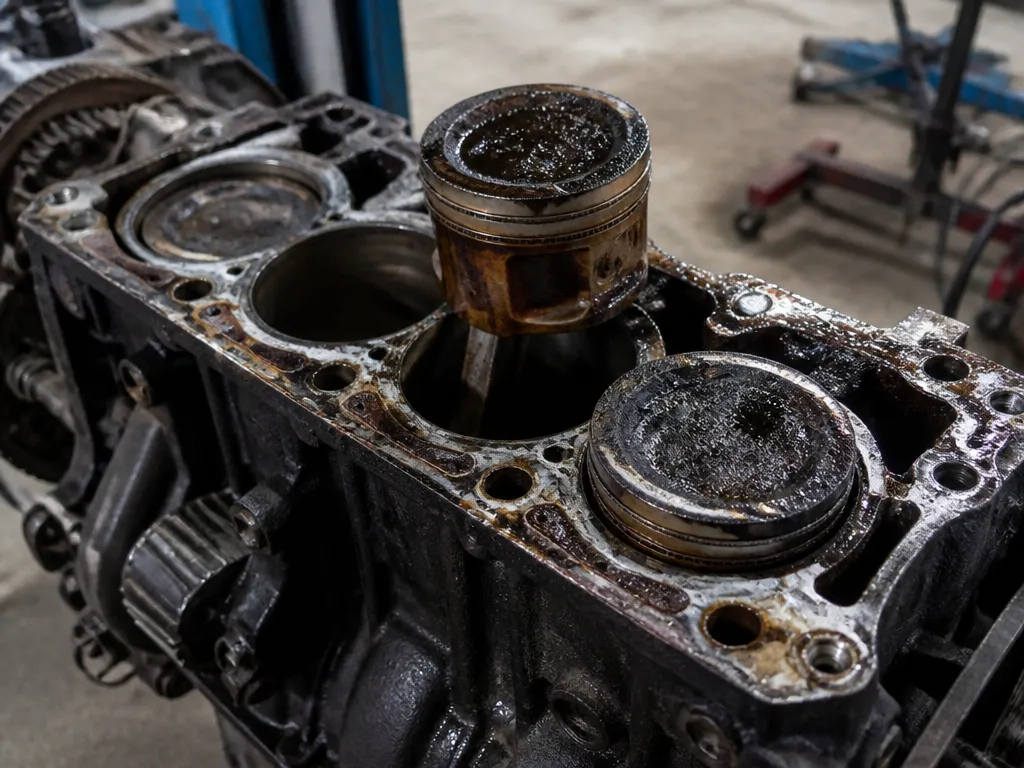
An engine with oil inside can sometimes start, especially if the “seized” feeling comes from a stuck component that has not fully bound up. Old oil can varnish piston rings and make them stick in the cylinder. Fresh oil may temporarily restore some movement. The engine might then turn over briefly, run rough, smoke, or misfire as oil pressure and heat change the clearances.
If the crankshaft cannot rotate freely, oil will not make the engine safe to run. A true seizure often involves bearing failure after oil starvation, cylinder scoring, or components that shifted or fused from overheating. Starting the engine can turn a localized problem into a full bottom-end rebuild because rotation under load spreads the damage.
Treat “oil in it” as a diagnostic clue, not proof that the engine survived. Determine whether you are dealing with stuck rings, mechanical binding, or bearing damage.
A stuck ring can be messy but repairable if the piston and ring pack can be cleaned and the cylinder remains usable. A spun bearing is different. Once a bearing shell wipes, it commonly damages the crank journals too, and running the engine to “see what happens” can turn crank repair into crank replacement.
What Seizes a Lubricated Engine Internally
An engine can seize despite having oil when parts stop moving freely, lubrication fails to reach the right surfaces, or heat and contamination create metal-to-metal contact. Oil helps prevent damage, but hardened deposits, varnish, sludge, corrosion, or scoring may already have reduced the working clearance.
Common internal causes include:
- Stuck piston rings. Heat cycles and old oil can bake deposits into the ring grooves, locking the rings to the piston, reducing compression, and increasing oil consumption.
- Bearing oil starvation. Low oil level, a clogged pickup screen, a worn pump, or heavy sludge can keep oil from reaching the crank and rod bearings.
- Corrosion from moisture. Water contamination from condensation or coolant intrusion can allow rust to bond piston skirts to cylinder walls after the oil film fails.
- Overheating. Excess heat can change clearances, warp components, and accelerate sludge formation.
- Hydrolock. Water, coolant, or fuel in a cylinder cannot compress and can bend rods or crack components. Oil will not prevent that.
- Timing or valvetrain failure. A broken timing component, dropped valve, or valve-to-piston interference can stop rotation even when the crankcase is full of oil.
People often say an engine “has oil in it” because they added oil through the spark plug holes or filled the crankcase after the failure. That may slow further corrosion, but it does not remove varnish from the rings, clear sludge from oil galleries, or repair metal damage caused during the original failure.
How to Tell When Oil in the Engine Is Not Enough
The feel of the crankshaft can help distinguish stuck rings from bottom-end damage, although inspection is needed for a reliable diagnosis.
Use these checks before starting the engine:
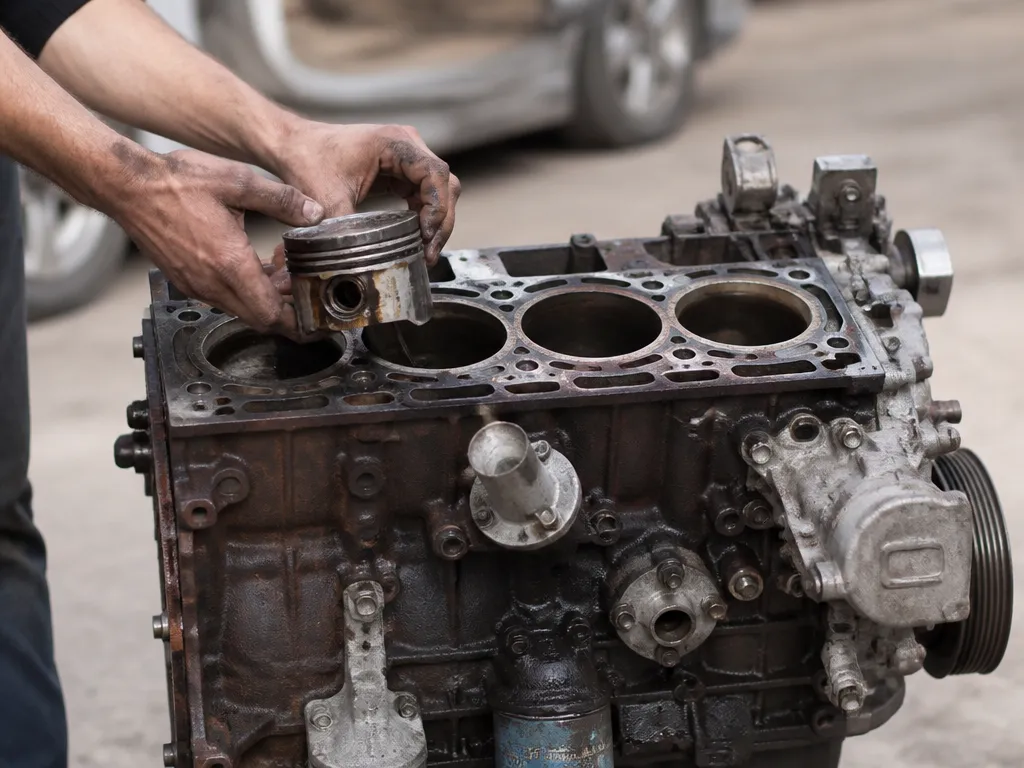
- Turn the crank by hand. A sudden increase in resistance, a hard stop, or a repeating tight spot suggests internal binding.
- Inspect the oil. Watery or coolant-like oil, metal glitter, and heavy sludge all point to compromised lubrication or internal damage.
- Check for coolant loss or oil contamination. Milky oil can indicate coolant intrusion, which may damage bearings or seize cylinders through corrosion.
- Inspect the spark plugs. One fuel-wet cylinder can indicate a separate problem. Oil-soaked plugs can point toward ring or piston trouble.
- Check compression after the safe preliminary tests. Low compression across multiple cylinders can indicate poor ring sealing, valve damage, or head-gasket failure.
Stuck rings may allow some rotation but create heavy resistance at a particular point in the piston’s travel. Bearing damage may allow initial movement while leaving metal debris, excessive play, or rapid failure once the bearings carry load.
When Removing the Head Changes the Diagnosis
Removing the cylinder head can reveal whether the problem is in the combustion chamber, valvetrain, cylinders, or bottom end. It is especially useful when you suspect coolant intrusion, valve damage, hydrolock, or severe ring damage.
Head removal helps in two important ways:
- It exposes mechanical interference. Bent or stuck valves and evidence of piston-to-valve contact can explain why the engine will not rotate or why compression is absent.
- It reveals cylinder condition. Scored, scuffed, or heavily rusted cylinder walls show that oil alone cannot restore the engine.
If hydrolock caused the seizure, the cylinders may show coolant, fuel, or other liquid residue. A failed head gasket may leave a recognizable contamination pattern. Those findings let you address the cause instead of treating the symptoms.
The inspection also helps separate top-end problems from bottom-end problems. Clean cylinder walls with stuck rings may point to a simpler repair. Deep scoring suggests that the pistons and rings experienced severe contact, and the crank bearings may have suffered during the same failure.
Pull the head when rotation is suspicious, compression is low, or coolant contamination is present. You may skip head removal only when the engine turns freely by hand and the evidence points to a mild, verifiable stuck-ring problem.
Cylinder Wall Scoring and Crankshaft Damage Checks
Cylinder wall scoring and crankshaft damage often determine whether an engine is worth rebuilding. Once metal surfaces have contacted each other, the resulting clearance and surface damage can prevent the oil film from working properly.
Inspect the cylinder walls for:
- Vertical scoring lines. Deep scratches that catch a fingernail usually indicate piston or ring contact under load.
- Severe scuffing or pitting. Pitting often points to corrosion or long-term contamination.
- Uneven wear patterns. Damage limited to certain areas can indicate stuck rings or localized overheating.
Check whether the crankshaft journals remain smooth and round. Scoring on the bearing surfaces or evidence that a bearing spun often requires machining and new bearings. If the damage exceeds specification, the crankshaft may need replacement.
A sensible teardown sequence is:
- Inspect the cylinders and pistons.
- Measure bearing clearance and journal condition where possible.
- Decide whether crank machining is practical based on the severity of the journal damage.
Heavy scoring or bearing wipe creates a repair-versus-replace decision. A rebuild may work when the journals remain within serviceable limits. Severe damage often makes engine replacement the cheaper and faster option.
When to Save a Seized Engine and When to Replace It
A seized engine may be worth saving when deposits or stuck rings cause the binding and the crankshaft, bearings, pistons, and cylinder walls remain serviceable. Replacement makes more sense when the bottom end is scored, the crank journals exceed service limits, or several major components have failed.
The likely outcomes look like this:
- Likely worth saving: stuck rings, decent cylinder walls, no bearing wipe, and oil galleries that can be cleaned.
- Borderline: light scoring or questionable crank-journal condition requiring accurate measurements and machining.
- Likely better to replace: deep cylinder scoring, seized bearings, cracked components, or widespread damage found during teardown.
Use teardown inspection as the go/no-go point. Do not spend money on repeated starting attempts before you know whether the repair involves cleaning and wear items or a complete engine rebuild.
A stuck ring can make an engine feel seized even when the cylinder walls remain serviceable after cleaning. In that case, freeing the rings and replacing worn components may restore the engine.
Bearing material transfer, crank scoring that you can feel, or rod-bearing wipe changes the calculation quickly. Rebuilding is possible, but hidden damage and labor costs can make replacement more practical.
If the crank rotates smoothly by hand and inspection shows no significant scoring, saving the engine is reasonable. If it will not rotate freely, bearing damage is likely, or scoring is visible, replace it or rebuild it only after a full bottom-end inspection. Guessing is how a seized engine becomes an expensive core.
What to Do Before Attempting Any Turnover
Before turning the engine, prevent a salvageable problem from becoming permanent damage. Protect the engine and gather information before applying starter-motor force.
Follow these steps:
- Do not crank it repeatedly. Stop after a short attempt if you feel binding or abnormal resistance.
- Check the dipstick and drain the oil. Look for metal glitter, a coolant-like appearance, or heavy sludge.
- Remove the spark plugs if cylinder binding is possible. This reduces compression load and helps you determine whether the crank itself moves freely.
- Rotate the engine by hand. Use the proper crank-bolt method and feel for hard stops or sudden changes in resistance.
- Check for liquid in the cylinders. If the plug holes reveal fuel, coolant, or water, stop and address the hydrolock risk before turning the engine further.
Hydrolock can bend rods or break components when the engine turns. Rust or deposit bonding can score cylinder walls and damage rings if you force the crank.
A hidden problem such as sludge blocking the oil pickup can remain even if the engine starts cranking again. The engine may then run without adequate oil reaching the bearings, wiping them out quickly.
After the rotation test and basic inspection, choose between a cleaning and freeing attempt or a teardown. Any hard binding point favors teardown because the source of the resistance needs to be inspected before more force is applied.
FAQ
Can an engine seized with oil in it start again?
Yes, it can sometimes start if the seizure is mild, such as stuck rings, and the crankshaft still moves without a hard stop. A rough, smoky, or misfiring restart still indicates a problem that needs diagnosis rather than continued operation.
How long should I soak a seized engine in oil?
The right soaking time depends on the cause, and no set number of hours will free true mechanical binding. If the crank still will not rotate by hand after a reasonable soak, treat the problem as a teardown issue rather than a waiting game. Do not let soaking become an extended delay that allows more corrosion.
Is it safe to crank a seized engine to build oil pressure?
No. Cranking a seized engine can force metal-to-metal contact if the bearings or cylinders are already scuffed, scored, or rust-bonded. Oil pressure cannot restore clearance or reverse scoring. If the crank feels stuck, stop and diagnose the cause.
What is the most common mistake people make with a seized engine?
They apply starter-motor force before identifying the source of the resistance. Repeated starting attempts or heavy cranking can widen existing scoring and turn a fixable stuck-ring problem into a bottom-end rebuild.
If I have to replace it, should I replace the engine or rebuild it?
Replacement is usually the better choice when teardown shows bearing wipe or deep cylinder scoring because hidden damage risk and rebuild labor costs are high. Rebuilding can make sense when inspection finds deposits or mild ring sticking while the journals and cylinder walls remain serviceable. Base the decision on teardown measurements, not guesses.
The next steps that save the most time and money are straightforward: remove the spark plugs, check the oil for metal or coolant contamination, and then choose between freeing a mild top-end issue and tearing down the engine to confirm bottom-end damage.

- Top 10 Best Helmet For Xpulse 200 2026 - October 5, 2026
- Top 10 Best Helmet For Xsr 155 2026 - October 5, 2026
- Top 10 Best Helmet For Xc Mtb 2026 - October 5, 2026





One Comment